RAF Molesworth arrests
RAF Molesworth arrestsLatvian men arrested UK baseRAF Molesworth break-inNational Security Act 2023 section 4Counter Terrorism Policing LondonRAF Fairford Iran plotNATO Intelligence Fusion CentreUK military base securityprohibited place national security
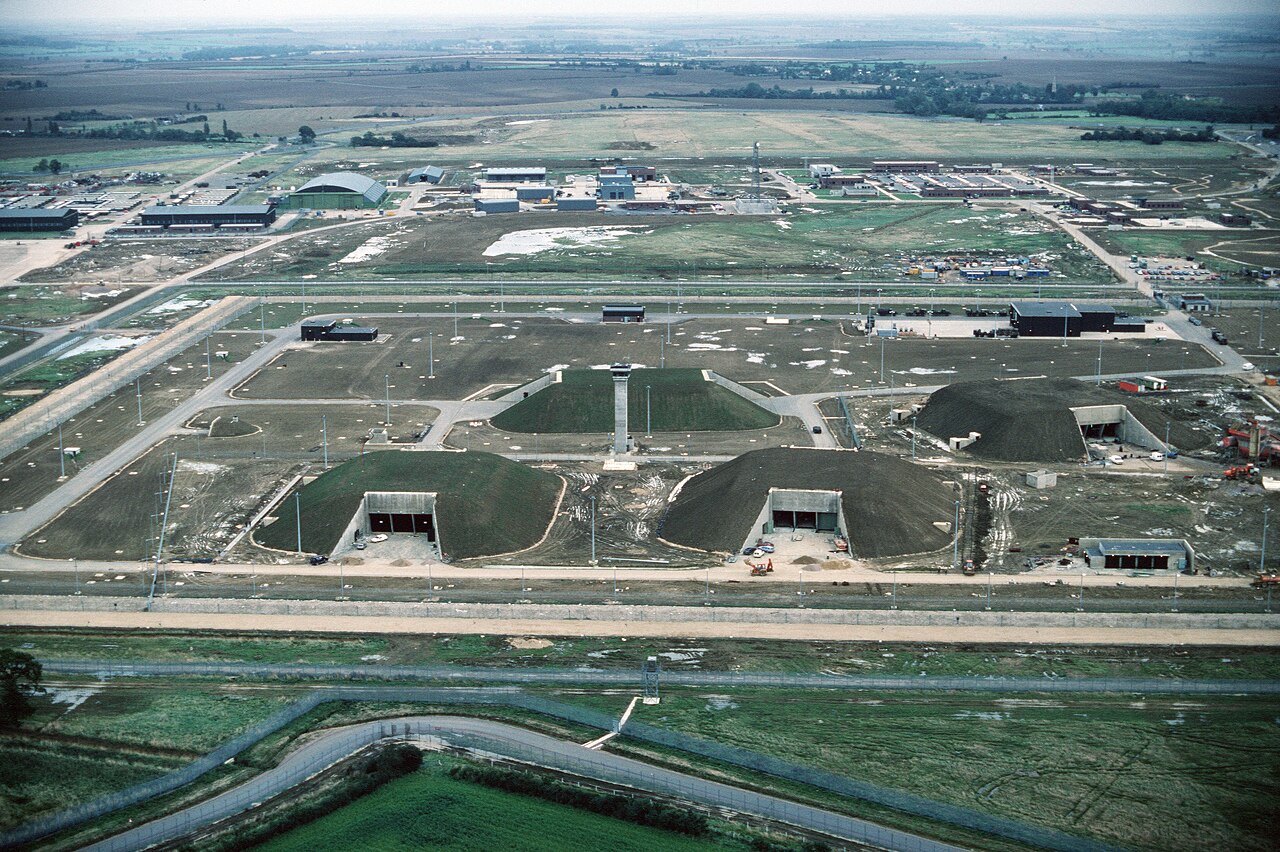
LONDON — The RAF Molesworth arrests began with an abandoned vehicle found during a Ministry of Defence Police patrol and ended with two Latvian nationals, aged 32 and 36 and resident in the United Kingdom, detained inside the Cambridgeshire base. Reuters reported that officers discovered a small breach in the perimeter fence, raised the alarm and arrested the men after they were located inside the prohibited site. Both remained in custody on Thursday as Counter Terrorism Policing London led the investigation and searched two addresses in the Peterborough area.
The pair were first arrested on suspicion of trespass on a prohibited site and criminal damage. They were then re-arrested on suspicion of an offence under section 4 of the National Security Act 2023: entering a prohibited place for a purpose prejudicial to the safety or interests of the United Kingdom. That change does not prove motive or guilt. It does show that investigators believe the circumstances warrant testing a much more serious national-security theory than ordinary trespass.
The public record is still incomplete. Police have not disclosed why the men entered, what they carried, whether they photographed or approached particular facilities, or whether they acted for anyone else. A bomb-disposal team examined the abandoned vehicle and found nothing of concern, Reuters reported. Commander Helen Flanagan said there was, at this stage, nothing to suggest the incident was connected to the recent arrests near RAF Fairford. She said investigators were keeping an open mind.
Why this matters: intelligence, not aircraft
RAF Molesworth is not an operational flying station. Its importance lies in what analysts do there. The base hosts US European Command and US Africa Command intelligence functions alongside the NATO Intelligence Fusion Centre. That makes the site part of the machinery that turns raw information into assessments for military planning and operations.
This distinction matters. A person who breaches a runway perimeter may pose an obvious physical danger to aircraft. A person who enters an intelligence installation may be seeking something less visible: a building, a network node, a photograph, a routine, a security response time or proof that a perimeter can be crossed. No such purpose has been established in this case. But the range of possibilities explains why a small cut in a fence can trigger a national-security investigation even when no explosives are found and no aircraft are present.
The timeline raises its own questions. The Times placed the vehicle discovery at about 10 p.m. Wednesday and the arrests at roughly 2 a.m. Thursday. If those timings are confirmed, investigators will want to reconstruct where the men were during that interval, what areas were accessible and what triggered their eventual detection. The answer could distinguish a short-lived incursion from a more deliberate attempt to move around the site.
National Security Act 2023 section 4 carries a different legal weight
Section 4 covers accessing, entering, inspecting, passing over or under, approaching or being in the vicinity of a prohibited place for a purpose the person knows — or ought reasonably to know — is prejudicial to UK safety or interests. The statute says “inspecting” includes taking photographs, videos or other recordings. A conviction on indictment can bring a prison term of up to 14 years, a fine, or both.
That is a far heavier framework than criminal damage or trespass. The prosecution would not merely need to show unauthorized entry. It would need evidence supporting the prejudicial-purpose element. The facts that can answer that question — messages, devices, images, routes, contacts, prior reconnaissance and explanations given in interview — are precisely the facts police have not yet made public.
The phrase prohibited place national security can sound conclusive, but arrest is the beginning of the test, not its end. Investigators must decide whether evidence sustains section 4, supports a different charge or requires release without charge. Any continued detention beyond ordinary custody limits would need the appropriate statutory basis and judicial authorization; public reporting has not established that special detention powers have been invoked.
The RAF Molesworth break-in and the question of UK military base security
The physical facts disclosed so far appear simple: a vehicle was left near the base and the perimeter fence had a small breach. The strategic question is harder. If two people could enter and remain inside for any meaningful period, were the barriers, cameras, patrols and response protocols proportionate to the value of the intelligence mission?
Security officials will also ask whether the system worked as designed. A patrol found the vehicle, recognized an anomaly and raised the alarm; the men were then arrested and the vehicle cleared by specialists. A successful response does not erase the breach, but neither does a breach automatically prove a complete security failure. The review will turn on detection time, internal movement and whether any protected zone was reached.
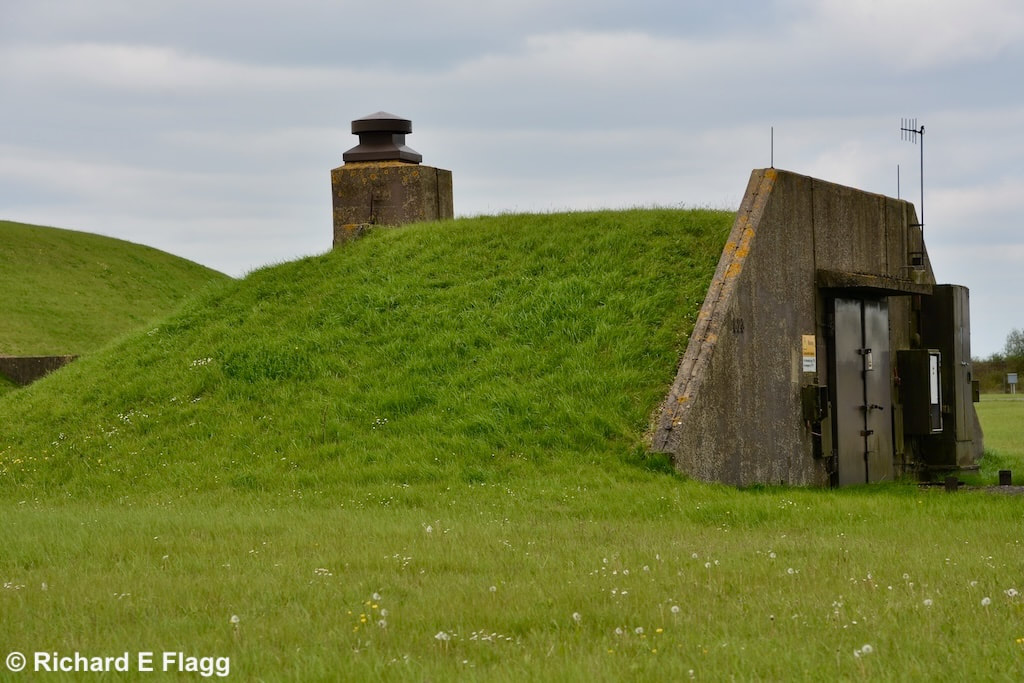
Critics are likely to focus on the perimeter itself and on the fact that the incident follows other arrests near a US-used British base. Defenders of the security posture will point out that fences are one layer, not the whole system, and that a site designed around compartmented intelligence functions may retain protection even after an outer boundary is crossed. Both arguments depend on facts not yet released.
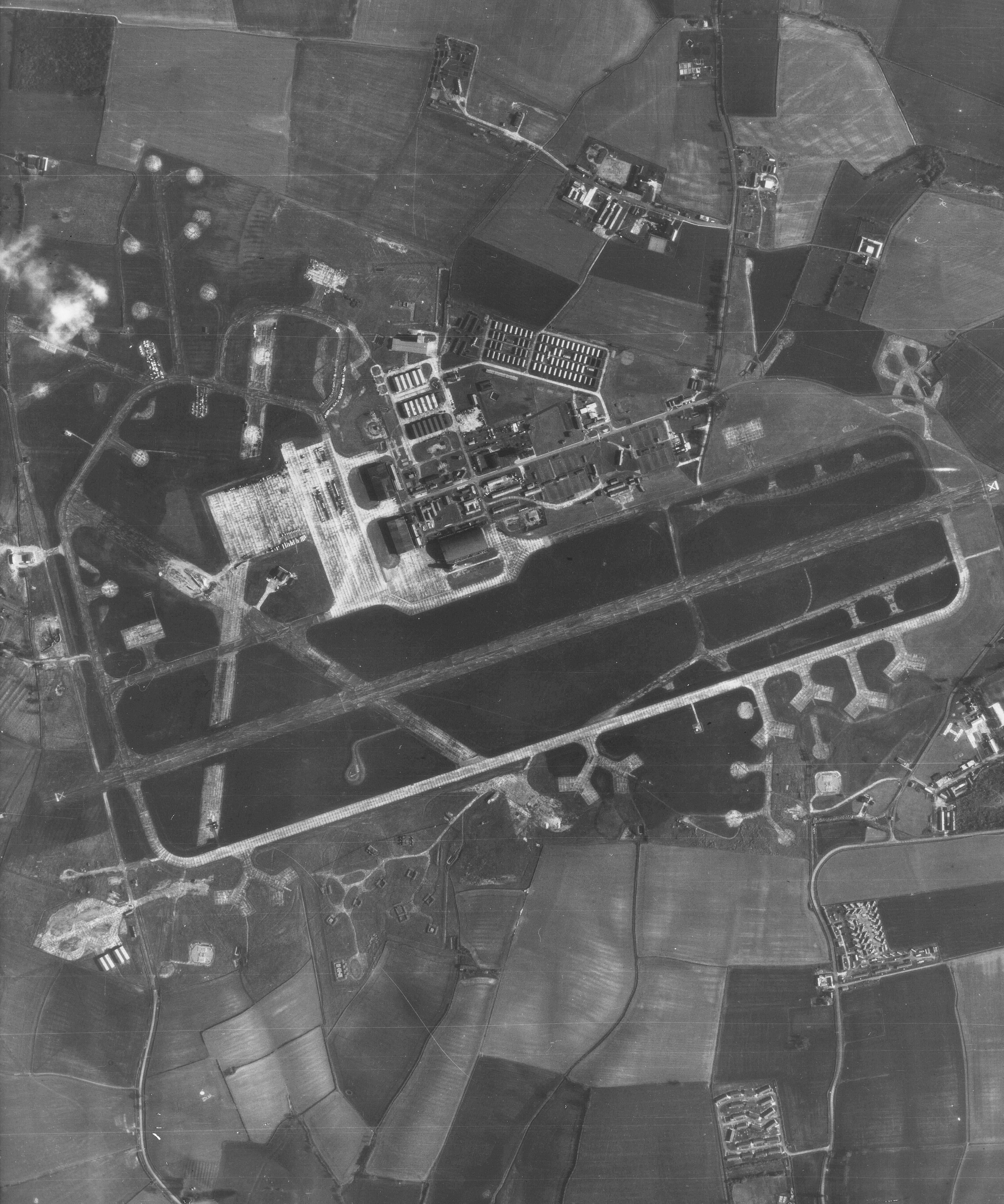
From Station 107 to the NATO Intelligence Fusion Centre
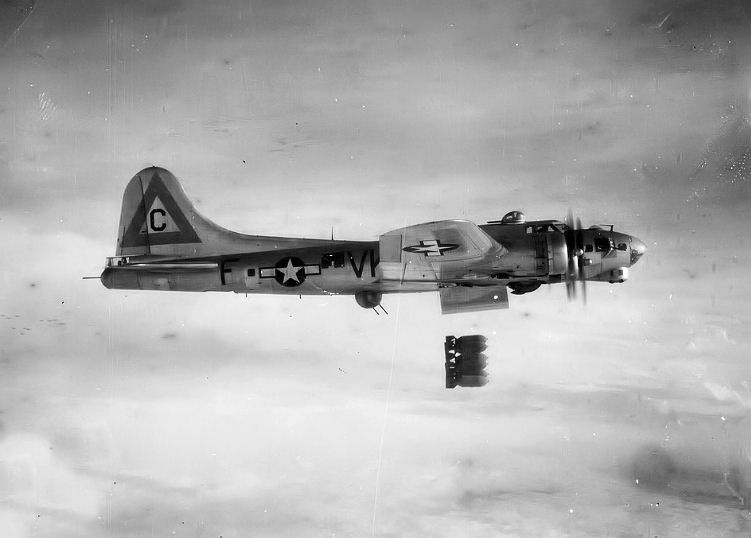
Molesworth's history helps explain why the base carries so much symbolic and operational weight. Built in 1940–41, it became USAAF Station 107 during the Second World War. The 303rd Bombardment Group flew B-17 missions from the site, and the airfield was part of the early American air campaign over German-occupied Europe. The 303rd left in May 1945.
The runways were closed and later demolished, but the Cold War returned Molesworth to strategic prominence. In the 1980s it was rebuilt for ground-launched cruise missiles. The 303rd Tactical Missile Wing activated in December 1986. The 1987 Intermediate-Range Nuclear Forces Treaty changed that mission: the missiles were removed by October 1988, and the wing was inactivated in January 1989.
The next transformation began almost immediately. Plans for the Joint Analysis Center were announced in 1990. Today, according to US and NATO accounts, Molesworth hosts American European and African command intelligence work and the NATO Intelligence Fusion Centre, a multinational organization operating around the clock. Its mission has moved from launching aircraft, to housing missiles, to producing intelligence — three eras of security challenge layered onto the same site.
Why police are separating Molesworth from the RAF Fairford Iran plot
The comparison with RAF Fairford is unavoidable but, for now, unproven. Last month, men were detained after an incident near Fairford in Gloucestershire, a base used by US military aircraft. British officials linked the suspected plot there to Iran, which denied involvement. Seven men were arrested during the broader Fairford investigation, according to The Times; all were bailed and none had been charged when it reported on the Molesworth case.
The Wall Street Journal reported that US officials believed an attack involving drones against B-1 bombers had been contemplated and that the aircraft were later moved. Signal Post News previously examined the withdrawal of B-1 bombers from RAF Fairford. Those allegations make a second base incident politically combustible, but they do not make it connected.
There are clear incentives on both sides of the linkage debate. Officials warning about hostile-state activity benefit from showing a pattern that justifies stronger protection. Governments also benefit from preventing speculation from outrunning evidence, particularly when an allied nationality is involved. Critics of expanded security powers may resist treating every trespass as espionage; security hawks may argue that waiting for an attack to be completed misses the point of prevention.
Flanagan's wording is therefore significant: “nothing to suggest” a link at this stage is not the same as a definitive exclusion. It is a statement about the evidence currently available to investigators. Responsible analysis should hold both propositions at once — the incidents share a strategic context, and police have not established an operational connection.
Latvia, NATO and the danger of guilt by nationality
The suspects are Latvian nationals, but nationality is not evidence of state direction. Latvia is a NATO ally and has its own acute security concerns about Russia. Treating the arrests as a diplomatic rupture without proof would risk turning a criminal investigation into a geopolitical accusation.
At the same time, Latvian officials will have an interest in consular access, due process and clarity about whether the case concerns individual conduct or a wider network. British authorities will want cooperation without implying collective blame. The case arrives just days after Latvia's election, covered in Signal Post News' report on the 2026 Latvian election result, when questions of national security and alliance policy are already politically sensitive.
For NATO, the diplomatic challenge is to defend an intelligence hub while maintaining trust among allies whose personnel and citizens move across Europe. A careful investigation protects both interests better than premature attribution.
What skeptics will ask — and what investigators must establish
Was there a target inside the base?
The strongest evidence of purpose would be movement toward a specific facility, imagery, notes or digital traces identifying an objective. None has been disclosed. Without it, the public cannot distinguish reconnaissance from trespass, curiosity, protest or another motive.
What explains the abandoned vehicle?
The vehicle triggered the alarm, but the reason it was abandoned remains unknown. Investigators will examine ownership, route, contents, communications and whether it was intended for entry, escape or simply transport to the perimeter.
Did the men act alone?
The searches near Peterborough suggest police are building a broader evidential picture, but they do not prove a network. Contacts with foreign services, extremist groups or the Fairford suspects have not been established publicly.
What, if anything, was compromised?
No official has said classified material, systems or facilities were reached. A security review must determine whether the breach exposed information about patrol patterns or internal defenses even if the men never entered an intelligence building.
What happens next: four paths from custody to political fallout
First, a section 4 prosecution. If police and prosecutors find evidence of prejudicial purpose, charges under the National Security Act could follow. That would place motive, knowledge and the meaning of the suspects' conduct at the center of the case, with a potential maximum sentence of 14 years after conviction on indictment.
Second, lesser charges or no national-security charge. Evidence may support criminal damage or another offence without proving the higher statutory threshold. It may also prove insufficient for any charge. Re-arrest under section 4 signals the direction of inquiry, not its outcome.
Third, a base-security review. The Ministry of Defence, US authorities and NATO are likely to examine perimeter detection, patrol timing and internal access controls. Any change will need to harden a sensitive site without disclosing the vulnerabilities the review identifies.
Fourth, political consequences shaped by the Fairford question. If credible evidence eventually links the incidents or points to hostile-state direction, pressure would rise for a wider review of US-used bases in Britain and a tougher response to the alleged sponsor. If the link is ruled out, officials who encouraged a single-plot narrative will face questions about whether threat claims ran ahead of evidence.
The most important fact remains the least dramatic one: the investigation is early. Two men are in custody, a serious offence is being considered and a breach occurred at a strategically important base. Motive, sponsorship, target and damage are all unknown. The case will become clearer only when evidence replaces inference.
Sources
- Reuters / William James via KELO-FM — arrests, police response, vehicle search, site mission and official statements.
- The Times — reported timeline, police comments, Fairford comparison and custody details.
- The Wall Street Journal — fence breach and the reported Fairford threat context.
- UK legislation: National Security Act 2023, section 4 — offence elements and maximum penalty.
- RAF Molesworth history — Station 107, the 303rd Bomb Group and cruise-missile era.
- CIA Center for the Study of Intelligence — history and evolution of Molesworth's joint intelligence mission.
- NATO Intelligence Fusion Centre overview — mission, staffing and operational role.