Sports / NHL — There are louder homecomings in hockey, but few are louder in both directions at once. Quinn Hughes came back to Rogers Arena on Sunday night for the first time since the December trade that sent him to Minnesota, heard boos every time the puck found his stick, and answered the only way a defenseman can: the Quinn Hughes 500th point milestone, scored on a power play in the building that used to chant his name for the other side, in a 4-2 Wild win that put Minnesota top of the Central Division and stretched Vancouver’s winless streak to ten games.

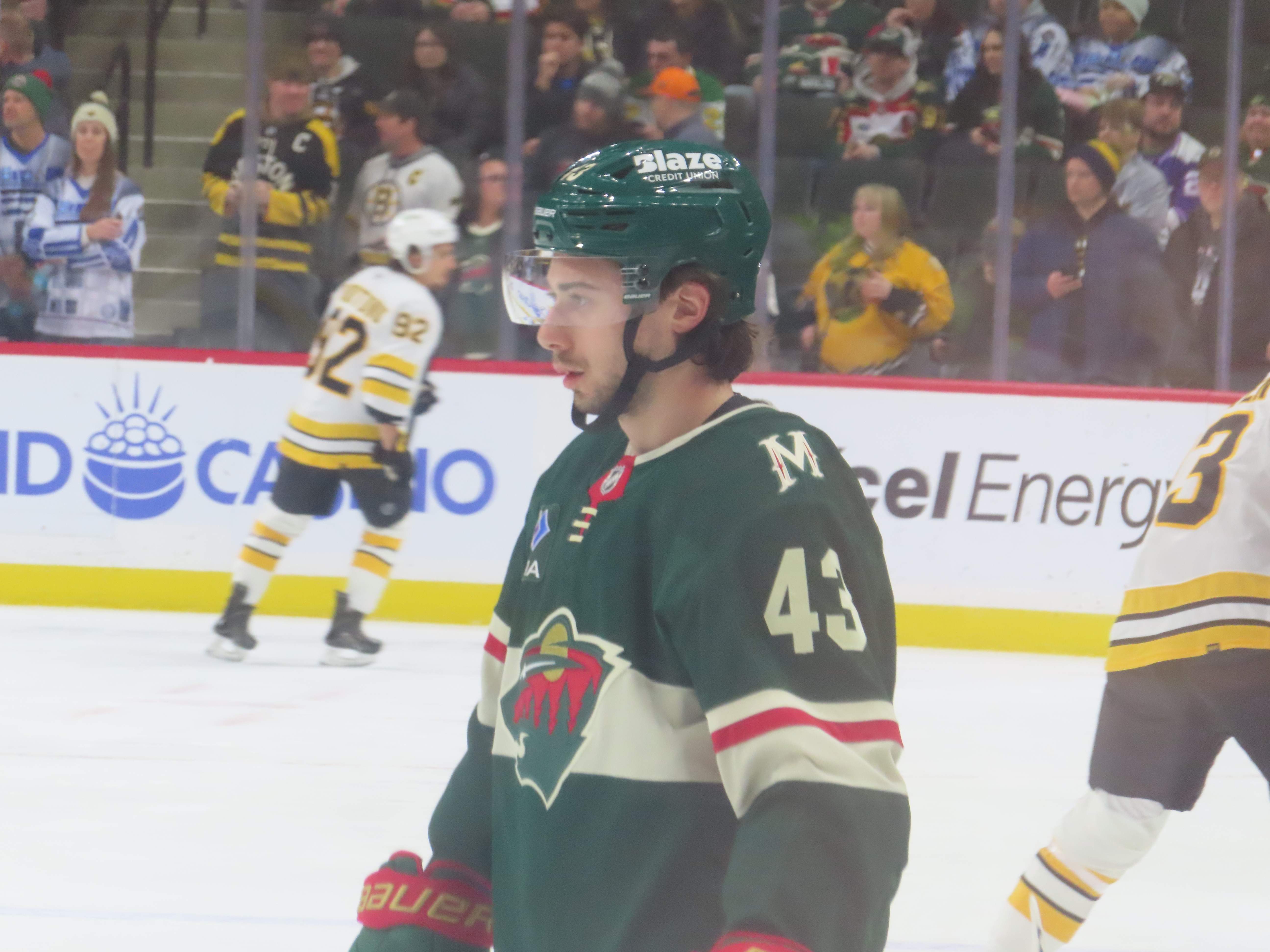
VANCOUVER, British Columbia — Quinn Hughes scored a goal and added an assist while reaching the 500-point career mark in his return to Vancouver, and Kirill Kaprizov scored his league-leading 13th goal and also had an assist as the Minnesota Wild defeated the Canucks 4-2 on Sunday night, Reuters reported, in a game also covered by TSN / The Canadian Press and The Hockey News. Hughes, playing his first game in Vancouver since he was sent to Minnesota in a blockbuster trade on December 12, 2025, became the second-fastest American defenseman in NHL history to reach 500 career points: Brian Leetch did it in 496 games, Hughes in 520. He was booed each time he touched the puck — and he touched it more than anyone on the ice, leading all skaters with 26:10 of ice time.
A milestone scored through the boos
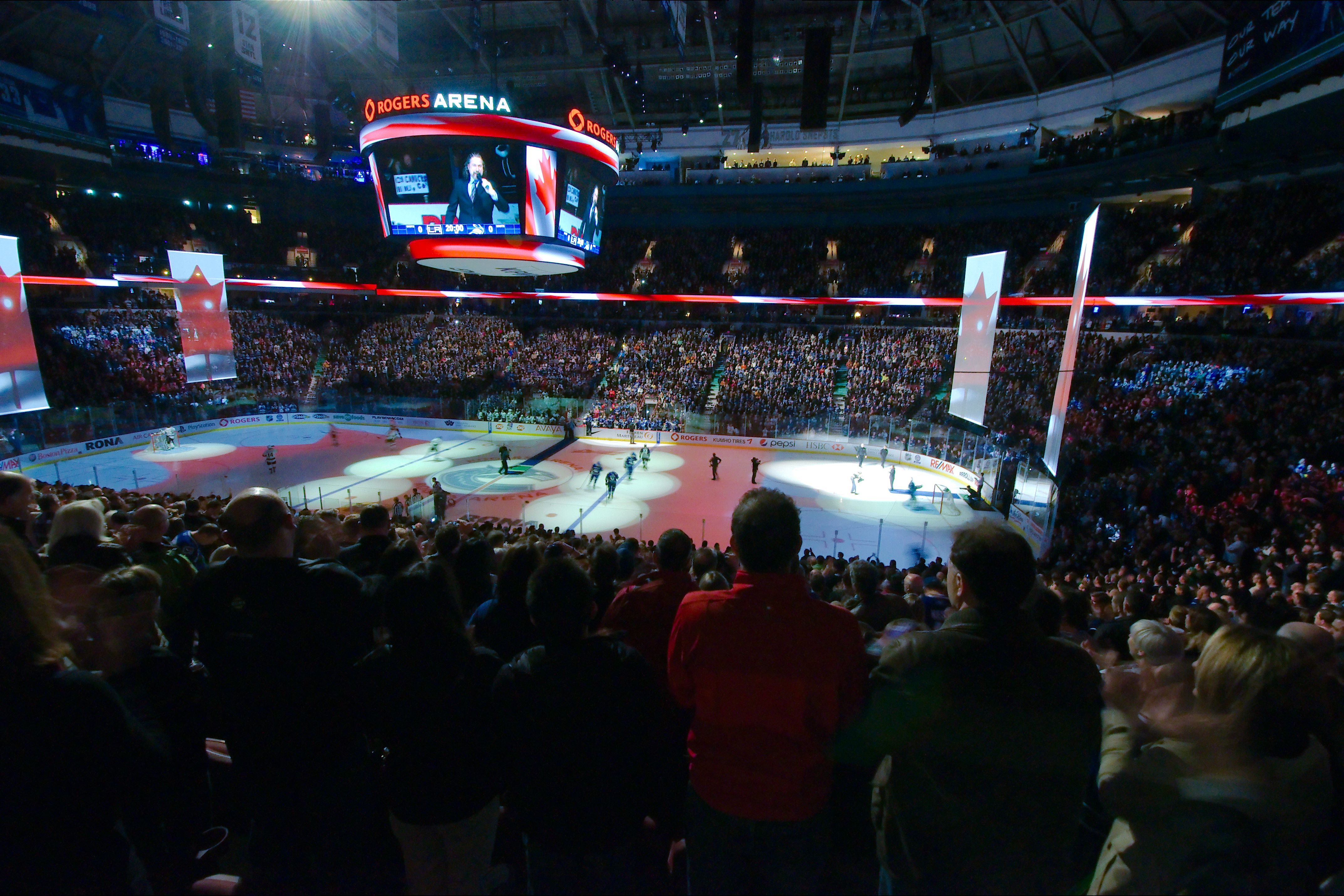
The building tried to have it both ways, and for one moment it did. A video tribute drew genuine cheers; the instant play resumed, the boos returned, according to The Hockey News’ rinkside account. That split reaction is the honest summary of the Hughes era in Vancouver: 432 points in 459 regular-season games, a captaincy, and a departure fans still read as a verdict on the franchise rather than on the player. Hughes, the seventh overall pick in the 2018 draft, did not linger on the ceremony. His milestone point arrived on the power play in the second period, when he slapped a rebound into a wide-open right side of the net to make it 3-0 — career point No. 500, scored in front of the crowd that had watched the first 432 of them. Early in the third he added No. 501, finding Kaprizov breaking down the middle between two defenders; Kaprizov finished with a backhand around Leevi Merilainen’s left pad for 4-0 and his league-leading 13th goal of the season.
How the game unfolded
Minnesota was playing the second night of a back-to-back, having won 5-1 at Seattle on Saturday, and played like the fresher team anyway. Maxim Shabanov opened the scoring at 18:33 of the first period, scooping in a cross-crease pass from Kaprizov on the power play for his third goal. Bobby Brink made it 2-0 early in the second, taking a pass from Michael McCarron at the top of the right circle, deking Merilainen and tucking in a backhand. Hughes’s milestone goal stretched it to 3-0; Max Sasson answered about three minutes later on a breakaway, collecting a Filip Hronek pass for his third of the season. Kaprizov restored the cushion early in the third, and Brock Boeser closed the scoring with just over three minutes left, hammering in an Elias Pettersson pass for his third. Calvin Pickard, making only his second start of the season, stopped 15 shots for his first win as a Wild goaltender; Merilainen made 30 saves in the loss. Shabanov finished with a goal and an assist for Minnesota. The win moved the Wild two points ahead of the Utah Mammoth into first place in the Central Division.
Why this matters
Milestones are usually nostalgia. This one was accounting. The Quinn Hughes 500th point conversation is really two conversations: a 27-year-old defenseman entering the historical tier of American blueliners — only Leetch, the defining offensive defenseman of his generation, got to 500 faster — and a trade whose winner gets clearer every month. Minnesota did not just acquire a star; it acquired him at the age when defensemen of his type historically peak, and paired him with the league’s hottest scorer in Kaprizov. Vancouver, meanwhile, got a package whose value depends on futures, while its present collapsed in real time on Sunday: a tenth straight game without a win (0-9-1), in front of a home crowd spending its energy on the player who left. When the loudest story of your season is the return of the star you traded, the standings are only the second-worst part. Minnesota’s rise to first in the Central, on the second night of a back-to-back, with its backup goaltender winning his first game for the club, is the profile of a team whose best player sets its ceiling and whose depth is now raising its floor.
The Vancouver side of the story
The numbers under Vancouver’s streak are uglier than the streak itself. The Canucks came in with the league’s worst penalty kill at 65.0 percent and gave up two power-play goals on five infractions on Sunday — including the milestone goal. Defenders Luke Schenn and head coach Manny Malhotra both pointed to the same failure afterward: a team hemmed in its own zone, watching instead of skating, unable to move the puck through the neutral zone with support. “A lot of the time when you’re hemmed in your own zone for a bit, it feels like you’re just trying to survive,” Schenn said. Merilainen’s 30 saves kept the score respectable; the skaters in front of him did not match it. A team this fragile cannot afford to hand an elite power play five chances, and cannot afford its former captain to be the best player on the ice in its own building.
Who benefits, who loses
Minnesota benefits twice: two points and sole possession of first in the Central now, and a defenseman whose 500th point at 27 reframes the December trade as the kind of move franchises are built around. Hughes benefits personally — the boos were the tax, the milestone was the receipt, and he paid the first and collected the second in the same period. Kaprizov’s league-leading 13th goal keeps his own scoring race front and center. The losers are concentrated in Vancouver: a front office whose return for a franchise defenseman is being judged nightly against nights like this, a penalty kill that remains the league’s worst, and a fan base asked to cheer a rebuild while watching its former captain set records in the visiting sweater. Leetch’s mark, for the record, still stands — Hughes is second-fastest, not fastest, and the 24-game gap is the honest measure of how rare air this is.
What happens next
The schedule offers Vancouver no soft landing: the Canucks visit the Anaheim Ducks on Tuesday still searching for a first win in eleven, while the Wild visit the Utah Mammoth the same night in a game that is now, improbably and entirely on merit, a meeting of the Central’s top two teams — with first place, the thing Minnesota took on Sunday, directly on the line. For Hughes, the next milestone conversation is no longer about 500; at his scoring rate the question becomes how far past it he climbs before the Leetch comparison stops being about speed and starts being about totals. For more NHL coverage, see our look at Cooper Black, the tallest goaltender in NHL history, and his Panthers debut and our obituary of Rangers favorite Ron Duguay.
Sources
Reuters (Field Level Media), October 26, 2026 — Quinn Hughes hits milestone in Vancouver return as Wild best Canucks (500th point on the second-period power-play goal, Leetch 496 games vs Hughes 520, scoring sequence, Pickard 15 saves, Canucks 0-9-1). TSN / The Canadian Press, October 25, 2026 — Hughes scores in return to Vancouver as Wild down Canucks (Hughes’s 432 points in 459 Canucks games, the league-worst 65.0 percent penalty kill, two power-play goals on five infractions, next games for both clubs). The Hockey News, October 26, 2026 — Fans Welcome Quinn Hughes Back To Vancouver With Boos, Canucks Fall 4-2 To The Wild (booing and the mixed tribute, Hughes’s game-high 26:10 of ice time, Schenn and Malhotra post-game comments).