
A private dress with a public afterlife
Phoebe Dynevor married Cameron Fuller in the South of France and announced it on September 17 with the words “Married my best friend.” The ceremony was secret; the dress was not designed to disappear. Created with Louis Vuitton womenswear artistic director Nicolas Ghesquière, the sleeveless gown used a sweetheart neckline, a restrained silhouette, a broad lace-trimmed border and intricate sequin embroidery. A long silk neck scarf and cathedral veil with ruffled edging created movement without overwhelming the line.
Why 600 hours matters
Luxury houses use labor hours as a language of value. Six hundred hours is roughly fifteen 40-hour working weeks, although atelier work is distributed across specialists. The figure tells buyers and audiences that the product cannot be reduced to fabric cost. It also makes a case for couture methods in 2026, when digital images move instantly and mass fashion can reproduce a silhouette before the honeymoon ends.
Secrecy as strategy
Dynevor said she kept the details from her mother and closest friends. That privacy protected the experience, but it also concentrated attention when the images arrived. Celebrity culture has shifted from constant access toward controlled scarcity: one post can produce more impact than months of hints. The second reception dress, with what she described as a cheeky back detail, extended the reveal without turning the wedding into a livestreamed campaign.
The luxury-house contest
Dior, Chanel and Louis Vuitton compete not only on runways but on cultural ceremonies. A wedding commission offers softer power than a campaign because the wearer appears to choose the house for a life milestone. Louis Vuitton gains association with romance and atelier craft beyond its travel and leather-goods heritage. Dynevor gains a design that cannot be bought off the rack and a fashion relationship that deepens her public identity.
How the look fits Ghesquière’s Vuitton
Dynevor attended the house’s Fall/Winter 2026–27 show in March, so the wedding is not a one-off placement. Ghesquière often balances futuristic construction with historical references. Here, the modern restraint of the body met old ceremonial codes in lace, veil and hand embellishment. That tension keeps the dress from becoming a literal “Bridgerton” costume while still allowing audiences to read period-romance fantasy into it.
Who benefits—and what critics see
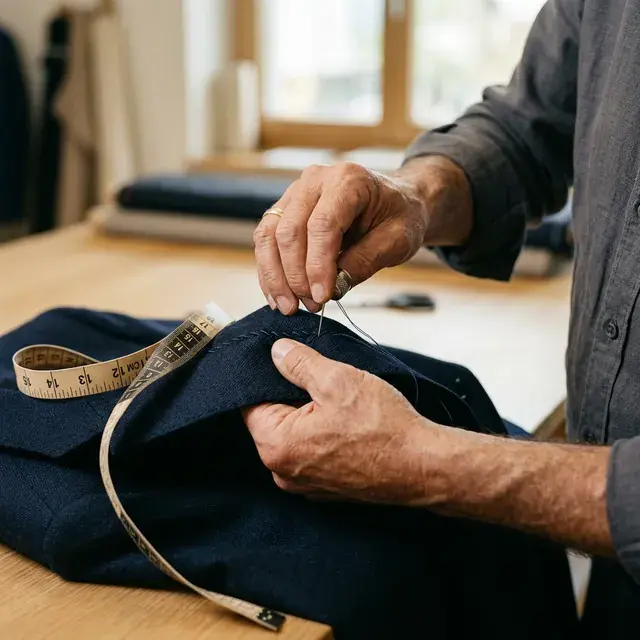
The house receives enormous editorial value from a single custom object. Artisans receive visibility, though their individual names are rarely as prominent as the designer’s. Celebrity publications gain high-intent traffic; bridal clients receive a new reference point. Critics may see the labor-hour figure as conspicuous consumption or marketing theater. Yet the honest counterargument is that preserving specialized handwork requires patrons, time and pricing that mass production cannot support.
What happens next
The most likely influence is not copies of the whole gown but fragments: scarf-like neck details, wider lace borders, restrained columns and veils with tactile edges. The bigger signal is strategic. Celebrity weddings are becoming controlled editorial launches in which privacy increases, rather than reduces, commercial impact. For Louis Vuitton, the 600-hour dress proves couture relevance by making process visible after the event—not by turning the ceremony itself into content.
Reading the dress beyond “Bridgerton”
The temptation is to interpret every romantic detail through Dynevor’s best-known role. The gown is more interesting when read as a negotiation between biography and brand. The sweetheart neckline and cathedral veil belong to established bridal vocabulary, while the long silk scarf introduces a controlled vertical line associated with modern red-carpet dressing. Broad lace at the border grounds the embellishment instead of spreading ornament evenly. Sequin embroidery changes under light and movement, making the dress legible in still photographs and video without relying on a huge silhouette. That is a contemporary design problem: a private object must survive many image formats once released. The result evokes period romance without copying costume, allowing Dynevor to reference the audience’s memory while remaining herself rather than a character.
The invisible workforce behind one name
A custom gown is credited to a house and artistic director, but hundreds of hours are usually distributed among pattern cutters, fitters, embroiderers, seamstresses and finishing specialists. The 600-hour figure creates an opening to see luxury as coordinated knowledge. It also raises a transparency question: fashion celebrates craft while often leaving individual makers anonymous. Houses could deepen the value of these commissions by documenting techniques and crediting ateliers where appropriate, without violating client privacy. That would shift the story from “celebrity receives expensive dress” toward the survival of skilled work. For consumers far outside the couture market, the relevant lesson is not to imitate the price. It is to notice construction, proportion, movement and whether a garment’s design serves the wearer across a long day.
Sources: InStyle wedding report; Dazed Louis Vuitton context. Facts and figures are a fixed September 18, 2026 reporting snapshot and do not update live.