
A closet can be full and still produce the feeling that there is nothing to wear. The problem is rarely a complete lack of clothing. More often, useful pieces are hidden among wrong sizes, deferred repairs, aspirational purchases and items that only work with something else you do not own.
Begin without shopping. Take one category at a time and ask five questions of every piece: Does it fit comfortably now? Have I worn it in the past year? Can I name three ways to style it? Is it worth repairing? Would I choose it again today? The questions are simple, but together they separate active clothes from unresolved decisions.
Make the useful pieces visible
Keep what works in easy reach and group it according to the way you actually dress. Photograph combinations you would repeat: not fantasy outfits, but reliable ones for work, weekends, events and changing weather. These images become a more honest style guide than a list of trends because they are built from your body, your schedule and your climate.
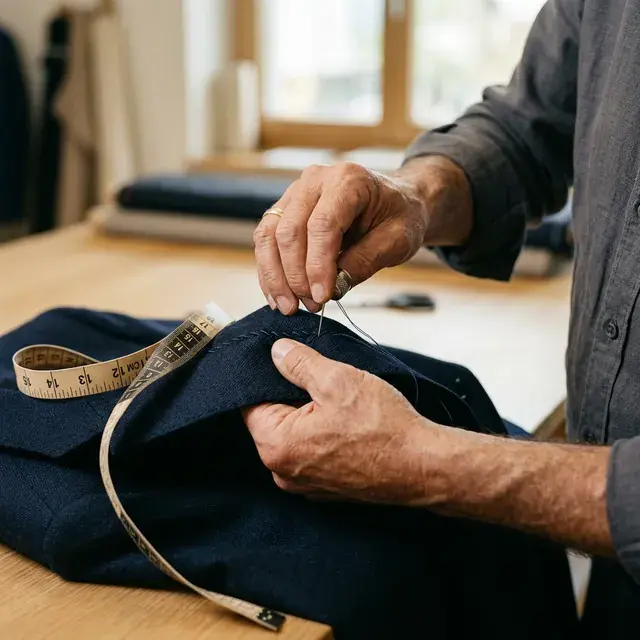
Set aside repairs in a single, visible place and give them a deadline. A missing button and a loose hem are small jobs; an altered shoulder or damaged knit may require an expert. If a repair costs more than the garment is worth to you, that is still useful information. The goal is to make a decision, not preserve guilt in a fabric form.
The goal is not a smaller wardrobe for its own sake. It is a wardrobe with fewer unanswered questions.
Wait before filling the gaps
After the audit, live with the edited wardrobe for two weeks. Keep a short note of genuine gaps as they appear. A good gap is specific — a breathable layer for warm meetings, trousers that work with two existing pairs of shoes — rather than a vague wish for something new.
When you do buy, examine construction as closely as color. Look at seams, closures, fabric recovery and care instructions. The most sustainable purchase is not automatically the most expensive one; it is the piece that can do useful work, be maintained and remain wanted after the first impression fades.
Audit by function, not fantasy
Wardrobe organization becomes easier when clothes are grouped by the jobs they perform. Separate pieces for ordinary workdays, active time, formal occasions, severe weather and home. Then ask whether the size of each group reflects your real calendar. Ten event dresses and one reliable weekday trouser are not a balanced closet if most of life happens at a desk.
Notice duplication without assuming it is waste. Three white shirts may all earn their place if each fits differently and is worn. Five nearly identical black sweaters may signal that one cut works perfectly — or that several disappointing purchases were attempts to find it. The test is use. Keep a temporary tally for a month rather than relying on memory.
Make fit measurable
“It almost fits” can keep an item in limbo for years. Define the problem: shoulder too narrow, waistband uncomfortable when seated, sleeve too long, fabric pulling at the hip. Simple alterations such as hems and waist adjustments may be worthwhile; structural changes may not. A tailor can explain what is possible before you decide.
Fit also changes with context. A jacket may need room for a knit, while a summer shirt should be tested in heat. Sit, reach, walk and bend when trying clothes on. If an item only works while standing still, it is not functioning as clothing. Comfort is not opposed to style; it is what allows style to look natural over a full day.
Build a care system you will follow
Read care labels before buying, not after the first spill. Create a small repair kit with matching thread, spare buttons, a fabric comb and stain supplies appropriate to what you own. Air garments between wears, use supportive hangers for structured pieces and fold heavy knits so shoulders do not stretch. These habits cost less than replacement and make favorite pieces look deliberate longer.
Laundering is part of design life. Wash only when needed, use cooler cycles where the fabric permits and separate items that shed or snag. Delicate clothes that require a routine you dislike are unlikely to become practical staples. A closet audit should account for maintenance effort as honestly as purchase price.
Write a shopping brief
Turn each real gap into a sentence with constraints: “dark straight trousers, machine washable, works with loafers and two existing jackets.” Record measurements, preferred rise, fabric limits and a maximum price. This brief filters search results and makes sales less persuasive. It also supports secondhand shopping, where categories are broad and patience is often rewarded.
Before checkout, build three complete outfits from pieces already owned. If the new item requires another purchase to work, count that dependency in the cost. Photograph the combinations and wait at least a day when possible. The best result of wardrobe organization is not a perfect capsule; it is a clearer standard for what deserves to enter.
Review the result after a season
A closet audit is not complete on the day bags leave the room. Revisit the edited wardrobe after three months and look for what happened in practice. Which pieces became easy defaults? Which repairs were completed? Which “maybes” were still avoided? The answers reveal whether the original questions were honest enough.
Keep a simple note of repeated frustrations: a missing layer, shoes that fail in rain, clothes that require more care than your schedule permits. Patterns matter more than one bad morning. Use them to refine the shopping brief and to appreciate what already works. A professional wardrobe is not a fixed set of garments; it is a maintained system that changes with work, body, climate and life.
Why this matters
A closet audit is a financial and environmental exercise disguised as organization. Every unworn garment represents money already spent, storage occupied and a future purchase decision made less clearly. The deeper payoff is not visual tidiness; it is better information about what actually serves a life.
How we got here
Seasonal retail, low-cost production and social-media novelty made acquisition easier than reflection. Earlier wardrobes were often smaller because garments cost more relative to income and repair was routine. The modern audit restores that feedback loop by making fit, frequency and maintenance visible before another purchase enters the system.
Who benefits, who loses and what critics say
The wearer, tailor, repair shop and resale market benefit from clearer decisions. Volume retailers lose when replacement slows, although premium brands may gain if shoppers redirect spending toward fewer durable pieces. Minimalism critics are right that a small wardrobe can become another status performance; the useful standard is function, not an arbitrary item count.
What the numbers should mean
The five questions work as a decision filter, but the best metric is cost per actual wear, not purchase price alone. A $200 coat worn 100 times costs $2 per wear; a $40 novelty worn twice costs $20. That comparison excludes care and resale value, yet it reveals why “cheap” and “good value” are not synonyms.
What happens next
A completed audit should produce three lists: repairs, gaps and no-buy categories. Over the next season, the evidence will be whether getting dressed becomes faster and duplicate purchases decline. If the same gap appears repeatedly, buy deliberately; if an item remains unworn after a fit or styling intervention, release it rather than restarting the debate.