Sport / Athletics — The Athletics Integrity Unit announced on Friday that Kenya’s Peres Jepchirchir, the Olympic champion from Tokyo and the reigning world marathon champion, has been provisionally suspended after an out-of-competition sample taken in Kenya before her Sydney Marathon victory in August returned an adverse analytical finding for EPO, the banned blood booster. A provisional suspension is not a final sanction, and Jepchirchir is entitled to a hearing — but because the sample predates Sydney, the biggest win of her season is now formally in doubt.
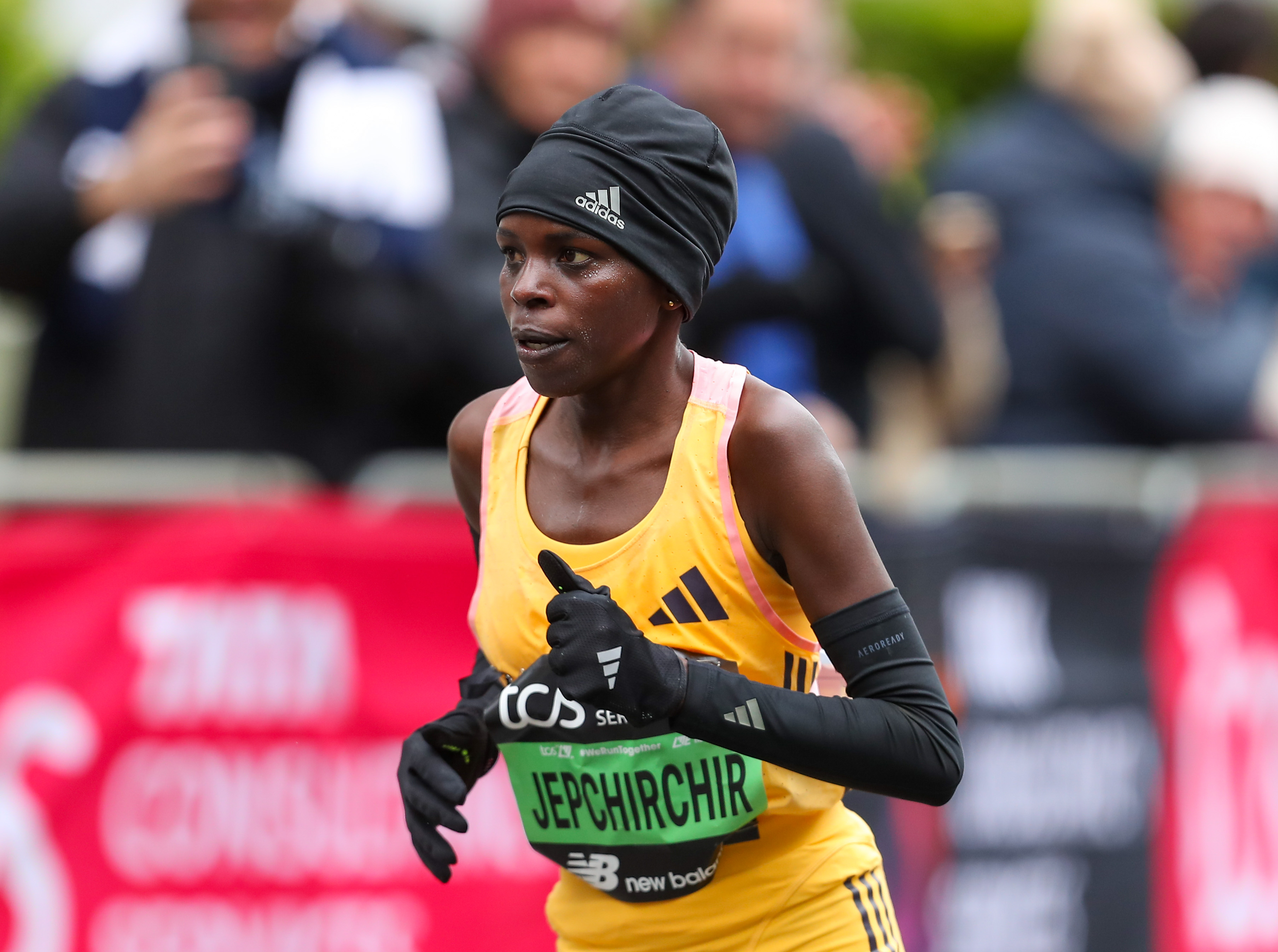
NAIROBI — There are doping cases, and then there are doping cases that reach up and touch the top of a sport. Friday’s announcement from the Athletics Integrity Unit (AIU) is the second kind. Peres Jepchirchir — Olympic marathon champion in Tokyo in 2021, world marathon champion in Tokyo last year, winner of the New York, Boston, London and Sydney marathons, and at 33 still ranked fifth in the world in the women’s marathon — has been provisionally suspended after an out-of-competition sample collected in Kenya returned an adverse analytical finding for erythropoietin, known everywhere in endurance sport by its initials: EPO.
The detail that turns a suspension into a crisis is the calendar. The AIU said the sample was collected before Jepchirchir’s victory at the Sydney Marathon on August 30, where she won in 2:18:31, more than three minutes clear of her compatriot Irine Cheptai in second place. Under anti-doping rules, results achieved from the date a positive sample is collected can be annulled if the finding is upheld. The AIU has not publicly given the exact date of the sample, and Jepchirchir has not commented publicly. But the sequence the AIU itself chose to publish — sample first, Sydney second — puts the Sydney title, the fourth different World Marathon Majors crown of her career, directly in the frame.
Her representative did not defend the result. Gianni Demadonna, listed by World Athletics as Jepchirchir’s athlete representative, said by email on Friday: “I can only say that I feel terrible about what happened and I think it’s only right that an athlete who uses the performance enhancing drugs should be disqualified.” The Sydney Marathon, in its own statement, said it was “extremely disappointed” to learn of the suspension, stressed that Jepchirchir is entitled to due process, and said it would make no further comment until the process concludes: “Our commitment to clean sport is unwavering. Every athlete who lines up in Sydney deserves to race on a level playing field, and every participant and spectator deserves to trust the result they see at the finish line.”
What the AIU actually said — and what a provisional suspension means
The AIU’s statement, published on Friday, October 23, is short and precise: “The AIU has provisionally suspended reigning World and former Olympic champion, Peres Jepchirchir, after an out-of-competition sample, collected in Kenya prior to her recent Sydney Marathon victory, returned an adverse analytical finding for EPO.” EPO is a synthetic hormone on the World Anti-Doping Agency’s prohibited list. It stimulates the production of red blood cells, which carry oxygen to working muscles — which is precisely why it has been the endurance cheat’s drug of choice for three decades, from cycling’s darkest years to distance running’s recurring scandals.
A provisional suspension is a holding measure, not a verdict. It bars Jepchirchir from competing or taking part in official athletics activity while the case is heard, and it can end in a full sanction, a reduced sanction, or the case being dropped. If the EPO finding is upheld as a first offence, the standard period of ineligibility is four years, unless the athlete can demonstrate the violation was not intentional; an early admission can also reduce the term. That arithmetic is not theoretical in Kenyan marathon running: Ruth Chepngetich, the women’s marathon world record holder, was banned for three years last year after admitting a charge involving the prohibited diuretic hydrochlorothiazide inside the acceptance window. At 33, even a reduced ban would likely end Jepchirchir’s career at the top of the sport; a four-year ban almost certainly would.
Why this matters
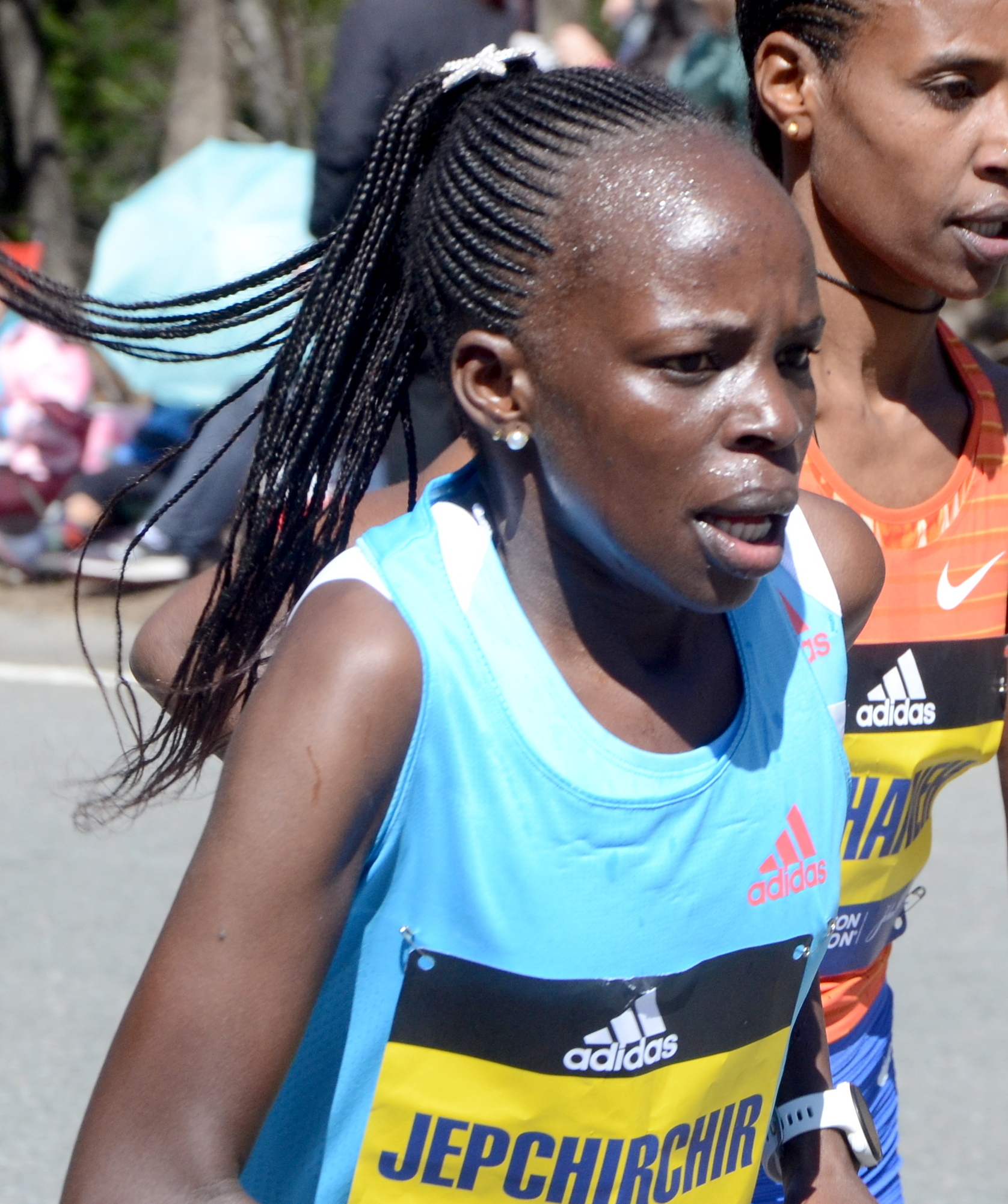
Start with who Jepchirchir is, because the scale of the case is the scale of the career. She won Olympic gold in Sapporo in 2021 in 2:27:20. On September 14, 2025, in Tokyo, she beat Ethiopia’s Tigst Assefa by two seconds to become world champion. She has won the world half-marathon title three times and once held the half-marathon world record — a record she first broke in 2017, in the early stages of pregnancy, before giving birth to a daughter eight months later, a detail World Athletics itself has long treated as part of her legend. Her personal best, 2:14:43, was run in Valencia last December. Sydney was her comeback race: a stress fracture had forced her out of April’s London Marathon, and she returned to win by 3 minutes 40 seconds, nine seconds outside Sifan Hassan’s course record. This is not a fringe athlete caught on the way up. This is one of the most decorated female marathoners in history, caught on the way back.
Then place the case where it actually lands: Kenya, five weeks after Nairobi was awarded the 2029 World Athletics Championships — the first time an African country will host the event — and days after a visit from World Anti-Doping Agency president Witold Banka, who told Kenya this month that it needs a “more determined approach” to keep its credibility: “Kenya proudly calls itself the home of champions. But for that home to remain respected and credible, it must also be clean.” Jepchirchir joins a list of more than 140 Kenyan athletes suspended or banned by the AIU since 2017, according to AFP’s count, a list that already includes Chepngetich and, after a five-year ban in March, former New York Marathon winner Albert Korir. Athletics Kenya’s Barnabas Korir, also a vice president of Kenya’s national Olympic committee, told AFP he was in “shock”: “It’s a big disappointment coming soon after we were awarded the World Athletics Championship in 2029. We are in shock, especially at the calibre of Peres Jepchirchir after a stellar career. We don’t know what is happening with our athletes.”
The announcement also arrived one day after the AIU banned Ethiopia’s Ruti Aga, the 2019 Tokyo Marathon winner, for six years — a positive test compounded, the AIU said, by a fake prescription from a clinic that turned out not to exist. Two major-marathon champions from the two great East African running nations, sanctioned or suspended on consecutive days, is the kind of week that stops being about individuals and starts being about systems: who is supplying, who is advising, and why the testing net keeps landing on champions only after the medals are handed out.
The Sydney problem: a title won after the sample
The hardest question in this case is not whether Jepchirchir can race next season. It is what happens to a race already run. Anti-doping’s annulment rule reaches backward from a sanction to the date of the sample, not to the date of the announcement. Chepngetich’s 2:09:56 world record from Chicago in 2024 survived her ban for exactly that reason: her sample was collected in March 2025, so only results from that date onward were annulled. Sydney offers the mirror image, and it is not flattering. Jepchirchir’s sample came before August 30. If the finding stands, Sydney sits inside the annulment window, and Irine Cheptai — beaten by more than three minutes on the day — would inherit a title she crossed the line second in, in a race organised around the principle its own statement repeated on Friday: that everyone deserves to trust the result they see at the finish line.
Sydney has been here before, in miniature. Brimin Kipkorir set a course record of 2:06:18 at the Sydney Marathon in 2024 and was later banned in an EPO case — but his sample was taken out of competition after that race, so the Sydney win fell outside his annulled results. Jepchirchir is the second Sydney winner in three years to face an EPO case, and hers is sequenced the damaging way. The Majors circuit adds a second, quieter penalty: under its rules, any athlete banned for a doping offence of three months or more is banned for life from all eight World Marathon Majors. The races that built Jepchirchir’s career — New York, Boston, London, Sydney — would be closed to her permanently, whatever a hearing decides about the length of any ban.

What happens next
Three tracks now run in parallel. The legal track: Jepchirchir can contest the finding, request analysis and a hearing, or accept the charge — the route Chepngetich took, converting a potential four years into three. Her silence so far, and her own representative’s extraordinary email, will be read by many as a signal, but they are not evidence, and the discipline of this process matters precisely because careers end on it: until a tribunal rules, this remains an adverse analytical finding and a provisional suspension, not a proven, final verdict. The results track: Sydney, the Majors and World Athletics must decide, once any sanction is final, which results fall — with the Sydney title and its prize money first in line. And the institutional track: Kenya, holding a 2029 World Championships it won partly as a celebration of its running heritage, must now convince WADA and World Athletics that the heritage is not the problem. Banka’s phrase from this month — zero tolerance, a more determined approach — was delivered as encouragement. After Friday, it reads as a deadline.
For the sport’s followers, the honest summary is an uncomfortable one. The system worked, in the narrow sense: an out-of-competition test, taken in Kenya before a major race rather than after it, caught the biggest name it could plausibly catch. And the system indicted itself in the same breath, because the race was still run, the title still celebrated, and the correction — if it comes — will arrive the way these corrections always do: months later, in a statement, to a finish line nobody is standing at anymore. Our coverage of the women’s marathon record chase, including Tigst Assefa’s pursuit of Chepngetich’s world record in Berlin, shows how deeply the record book and the doping ledger are now intertwined. Friday added the heaviest name yet to the second of those two books.
Sources: Athletics Integrity Unit statement, October 23, 2026; Reuters, “Olympic champion Jepchirchir provisionally suspended by AIU over EPO finding,” October 23, 2026; Associated Press via Sportsnet, “Olympic and world marathon champion Jepchirchir suspended in doping case,” October 23, 2026; NBC Sports, October 23, 2026; AFP via The National, October 23, 2026; Marathon Handbook, October 23, 2026; Sydney Marathon statement, October 23, 2026.