PepsiCo Q3 earnings 2026
Business / Earnings / Consumer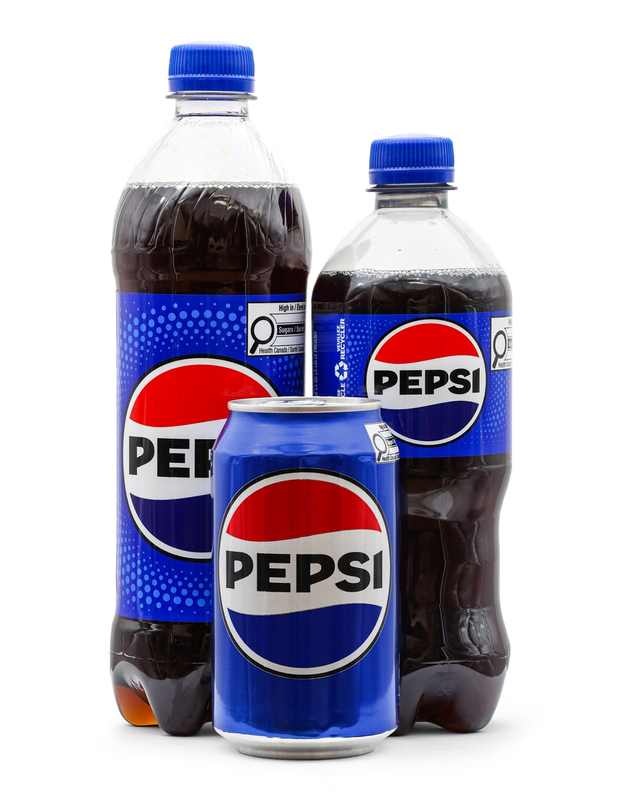
PepsiCo Q3 earnings 2026 delivered a beat and a warning in the same report. On Thursday, October 8, the snack-and-drink maker posted core earnings of $2.34 a share, ahead of the roughly $2.30 analysts expected, while revenue rose 5.6% from a year earlier to $25.27 billion, above expectations near $24.95 billion. Then came the part that matters beyond one quarter: PepsiCo cut its full-year profit forecast, citing weak North American demand and higher input costs. The result is not a contradiction. It is a snapshot of a company still growing at scale while losing room for error.
What PepsiCo reported
PepsiCo revenue Q3 2026 beat expectations
The quarter ended September 5 produced $25.27 billion in revenue, a 5.6% year-over-year gain. Organic revenue, which strips out currency and portfolio effects, grew 3.1%. Net profit reached $3.05 billion, up from $2.6 billion in the year-earlier period. Core EPS of $2.34 was about four cents above the FactSet consensus and five cents above the $2.29 forecast cited by the Wall Street Journal.
- Core EPS: $2.34 reported versus about $2.30 expected.
- Revenue: $25.27 billion, up 5.6%, versus roughly $24.95 billion expected.
- Organic revenue: up 3.1%.
- Net profit: $3.05 billion versus $2.6 billion a year earlier, an increase of roughly 17%.
The PepsiCo earnings beat October 2026 therefore was real, not cosmetic. But investors price the next several quarters, not the one just completed. That is why the outlook reduction overshadowed what otherwise looked like a respectable set of headline numbers.
The forecast cut, in plain English
The PepsiCo profit forecast cut lowered the ceiling on 2026 even as management kept revenue growth intact or toward the upper end of its earlier range. Here is the before-and-after:
- Core constant-currency EPS growth: previously the low end of 4% to 6%; now 1% to 2%.
- Core EPS growth: previously 5% to 7%; now 2.5% to 3.5%.
- Organic revenue growth: previously 2% to 4%; now about 3%.
- Net revenue growth: previously 4% to 6%; now about 6%.
That mix is revealing. Sales guidance did not collapse; profit expectations did. PepsiCo expects to keep moving more dollars through the business, but a smaller share of those dollars is likely to reach the bottom line. Higher ingredient, packaging and other input costs are one side of that pressure. A North American customer who has become selective about discretionary snacks and drinks is the other.
Why this matters
PepsiCo inflation input costs meet a cautious consumer
PepsiCo is a consumer-staples bellwether precisely because its products are inexpensive enough to be routine and widespread enough to show up almost everywhere. When demand softens for a bag of chips or a bottle of soda, the message is not that households have stopped consuming. It is that they are scrutinizing even small purchases. Rising gasoline prices add another drain on the same weekly budget.
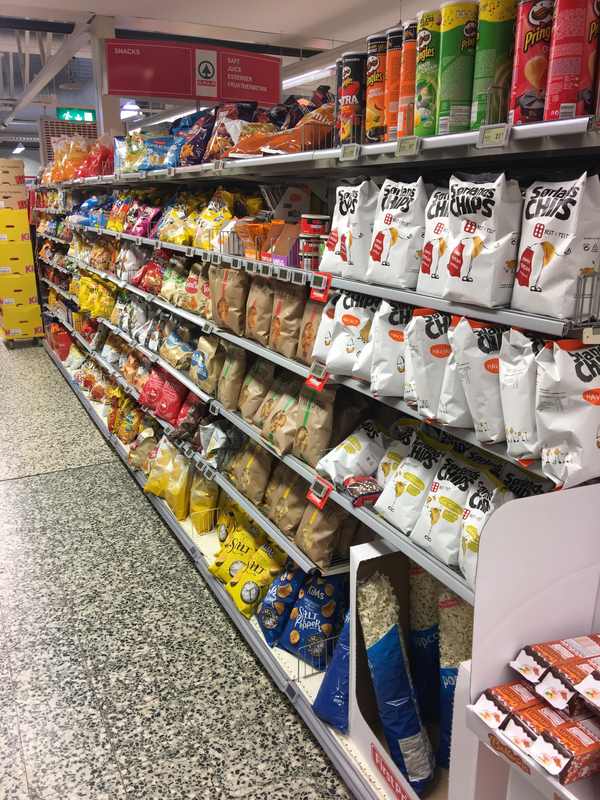
The uncomfortable signal is the squeeze from both directions. PepsiCo cut suggested retail prices on Lay's and Doritos by as much as 15% earlier this year to revive volume. Now it is planning low- to mid-single-digit increases on some snacks later this year or early next year to keep pace with inflation. Cutting prices to win back customers while raising prices to defend margins is not a strategy anyone chooses in a comfortable market. It is what a company does when affordability and cost inflation arrive at the same checkout lane.
The same-day comparison raises the investor bar
On the same day, Samsung reported a record profit powered by the AI-chip cycle. The businesses could hardly be more different, but the investor lesson is the same: beating the quarter is merely the entrance exam. Companies are rewarded when the beat points toward accelerating future earnings. PepsiCo's beat came with a reduced profit path, so the market's initial roughly 1% premarket rise looked more like relief than a clean vote of confidence.
A two-speed company
International momentum, North American drag
The strongest part of the quarter sat outside PepsiCo's home market. International growth helped offset a PepsiCo North America sales decline in momentum and profitability. Management said North America performed below our expectations
, while also noting that trends improved from the previous quarter. Both can be true: sequential improvement is encouraging, but it does not erase the gap between the region's performance and the plan.
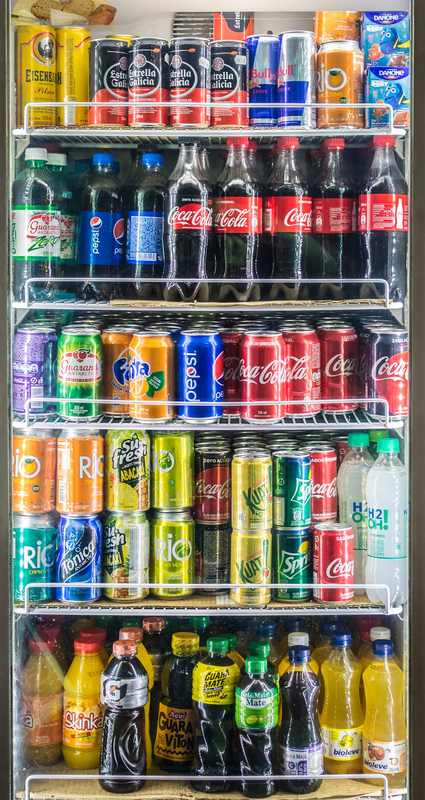
New products and lower snack prices helped volumes. Functional and zero-sugar beverages provided support where conventional soda sales were weak. Those are useful levers because they address two different shoppers: the value seeker looking for a lower shelf price and the health-conscious buyer willing to switch formats. Yet cautious spending, elevated gas bills and higher production costs kept North America from converting those bright spots into the margin recovery investors wanted.
Peers including General Mills, McCormick and Conagra face versions of the same problem. That makes PepsiCo's warning more than a company-specific stumble. It is a read-through to the packaged-food shelf: large brands still have distribution and pricing power, but neither is unlimited when household budgets tighten.
The Elliott shadow
PepsiCo Elliott Management stake changes the clock
Activist investor Elliott Management disclosed a stake of roughly $4 billion last year and pressed for faster growth and stronger margins. That pressure now hangs over every turnaround promise. Ramon Laguarta, PepsiCo's CEO, said management is acting with urgency
in North America and is identifying additional structural cost reductions to implement in the coming months.
PepsiCo cost cuts 2026 collide with affordability
The affordability program has substance: lower suggested prices on Lay's and Doritos, more zero-sugar drinks, products emphasizing protein and fiber, and a move away from artificial colors and flavors. But planned price increases put the company back into a delicate negotiation with shoppers. The winners could be consumers who get more promotion and product choice, and investors if savings fund growth. The losers could be workers exposed to structural cost actions and customers who see price relief reversed before household finances improve.
This is where the activist timetable matters. Cost cutting can support margins quickly; rebuilding volume and brand relevance takes longer. If PepsiCo leans too hard on the first to satisfy Elliott, it risks weakening the second. If it spends heavily without showing results, the activist case for more dramatic change strengthens.
Who wins, who loses
Investors get evidence that the business can still beat quarterly estimates and grow revenue, but the guidance cut makes a near-term re-rating harder. Shoppers benefit when PepsiCo competes on affordability, though announced price increases may narrow that relief. Competitors such as Coca-Cola and Mondelez gain an opening if they can hold price, volume or innovation more effectively, but they face the same inflation-weary consumer. Workers carry the most direct uncertainty because structural cost reductions often reach payrolls and operations, even though PepsiCo has not detailed the actions yet.
For suppliers and retailers, the outcome is mixed. PepsiCo's scale keeps shelves full and promotions funded, but margin pressure can harden negotiations across the chain. The company may seek savings from procurement while retailers resist price moves that could slow traffic.
What happens next
Four tests for the turnaround
First, watch North American margin in the fourth quarter. CFO Steve Schmitt expects core operating margin in the region to remain under pressure, so an immediate clean rebound is not management's base case. Second, watch the timing and breadth of low- to mid-single-digit snack-price increases later this year or early next year. Volume holding up would suggest brands still have room; renewed weakness would show the affordability problem is unresolved.
Third, watch the promised structural actions. Investors will want to see savings that can fund innovation and marketing, not simply a smaller cost base. Fourth, watch Elliott's patience. The activist has given the turnaround a visible clock, and another guidance reset would make incremental change harder to defend.
PepsiCo stock price today is a relief signal, not a verdict
PepsiCo shares rose about 1% before Thursday's open, including a roughly 1.1% move to $125.05 cited by Barron's. But the stock was still down 14% for the year through Wednesday and trading near its lowest level since 2020. From here, a durable recovery requires North American volumes and margins to improve together. If revenue holds but costs keep absorbing the benefit, the stock can remain trapped near those lows. If price moves stick without hurting demand and international growth continues, the cut may mark a reset rather than the start of another decline.
The broader consumer signal is less comfortable. PepsiCo's quarter says households are still buying, but with sharper trade-offs, while producers have not escaped inflation. That is why a modest earnings beat and a major guidance cut belong in the same report — and why the warning reaches well beyond chips and soda. For more on the pressure flowing through household budgets, see our analysis of how higher gas prices reach consumers and the 24-year high in the Treasury yield.