Paramount Warner Bros Skydance rebrand
What the David Ellison Skydance announcement changes
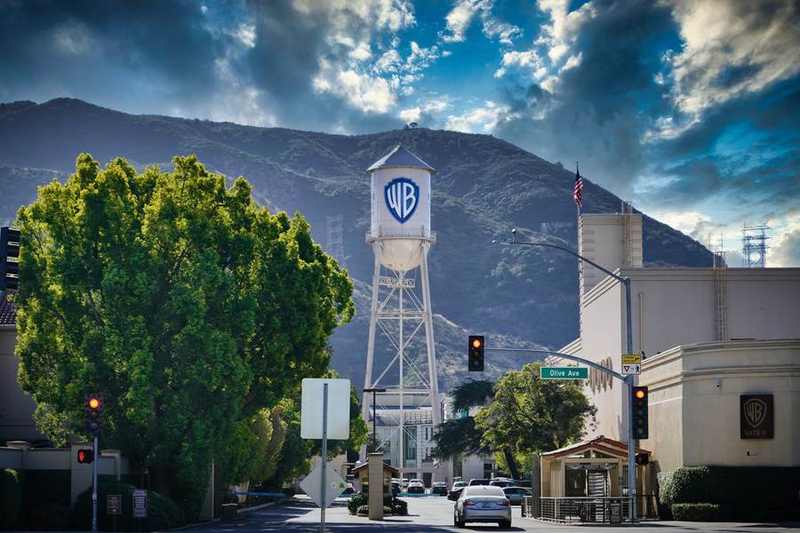
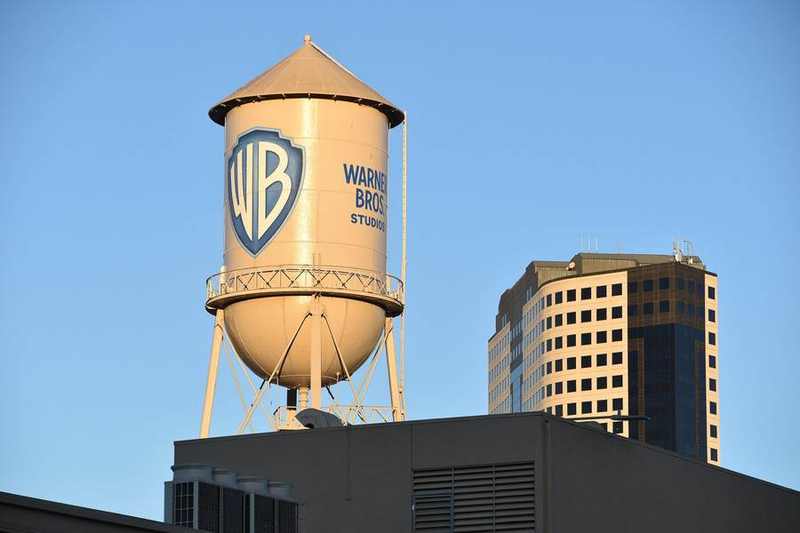
The change is more than a shortening exercise. When the transaction closes on Tuesday, Oct. 6, the legal parent becomes Skydance Corporation. Its Class B shares are set to move from Nasdaq to the New York Stock Exchange, and the ticker changes from PSKY to SKYD. Investors will see the new name immediately; audiences will continue to see Paramount, Warner Bros., HBO, CBS and the rest of the portfolio on screens and studio gates.
Ellison framed that distinction directly. “Paramount and Warner Bros. shaped over a century of culture,” he said in the Friday companywide announcement. “By combining them, we aren't rewriting history — we're equipping these iconic studios with a more powerful engine. Together, we are Skydance: a creative-first home for bold, quality storytelling.” He also said the new corporate identity was chosen to give the combined company a name of its own without diminishing or overshadowing Paramount, Warner Bros. or the group's other brands.
Why this matters: the smallest name will carry the biggest load
Skydance is the youngest name in the transaction and now the one at the top. That tells employees, investors and rivals where authority sits. Ellison's original production company, not either legacy studio, supplies the umbrella identity for an enterprise assembled from more than a century of Hollywood history.
The symbolism matters because mergers this large are contests over culture as much as spreadsheets. A neutral invented name might have suggested an even federation. “Skydance” instead makes the hierarchy legible: Ellison won the battle, and his organization is setting the operating system. Emarketer senior analyst Ross Benes put the criticism bluntly: “The name is ego-driven. It reminds everyone that the most iconic Hollywood brands answer to Ellison and it is his company who won out.”
That does not make the strategy irrational. Paramount and Warner Bros. remain enormously valuable audience brands; forcing one to absorb the other would have invited unnecessary resentment. A corporate name sitting above both preserves their outward identities while giving management a single banner for capital allocation, technology, advertising and distribution.
A 110 billion merger in historical context
The economics explain why the parent identity matters. Paramount agreed in February to buy Warner Bros. Discovery for about $81 billion in equity value and roughly $110 billion in enterprise value, a figure that includes debt. The cash consideration was set at $31.01666668 per WBD share. On announced enterprise value, the combination sits around the scale of AT&T's 2018 Time Warner acquisition—widely reported at $85.4 billion in equity and about $108.7 billion including assumed debt—and above Disney's $71.3 billion purchase of most of 21st Century Fox. Only the dot-com-era AOL–Time Warner transaction, announced around $165 billion, clearly stands higher among headline media combinations.
Those comparisons are a warning, not just a ranking. AOL–Time Warner became a case study in incompatible assumptions and destroyed value. AT&T later separated WarnerMedia, which Discovery combined with its own networks in a $43 billion transaction. Warner's corporate history shows how quickly scale can become leverage, and leverage can become a strategic constraint.
The yearlong battle—and Netflix's first deal
The road to Tuesday was not a straight auction. Skydance Media, founded in 2006, completed its merger with Paramount in August 2025. The newly formed Paramount Skydance then pursued Warner Bros. Discovery through a prolonged bidding fight. Netflix had first agreed to buy WBD's studio and streaming assets, a narrower transaction that would have left the cable networks elsewhere. Paramount's ultimate victory produced the broader company now being renamed.
That distinction matters. Netflix sought the growth engines—studio output and streaming—while Ellison's deal takes the entire collection, including linear networks whose cash flow is valuable but declining. Skydance therefore gains more rights, reach and bargaining power, but also more operational complexity and more exposure to cord-cutting.
The final U.S. legal obstacle moved only days before the name reveal. A federal judge on Sept. 30 approved the settlement between Paramount and a California-led coalition of 12 state attorneys general. The states had sued in July and reached an agreement on Sept. 21. Regulators in 68 jurisdictions ultimately signed off. Our earlier report explains the state settlement, its film-release commitments and news safeguards.
From “skydancing” to a global corporate identity
The new name began far from a boardroom. Ellison, a pilot, founded Skydance Media in 2006 and drew the name from the aerobatic practice of “skydancing.” The company grew from film financing and production into a partner behind major franchises, then into the buyer that fused with Paramount. Twenty years later, that personal origin story will label a company containing assets older than modern broadcasting.
This is why the rebrand is both practical and provocative. It avoids the ungainly “Paramount Warner Bros. Discovery” corporate stack, but it also converts the founder's chosen identity into the ownership marker for CBS News, CNN, HBO, Nickelodeon, MTV and two historic film studios.
Who benefits: Ellison, exhibitors and franchise managers
Ellison gains the clearest benefit: a unified command structure and a corporate name unburdened by a legacy faction. Ynon Kreiz, the outgoing Mattel chief executive, is due to become co-CEO and join the board at closing. His consumer-products experience could be central to treating films and series as durable franchise ecosystems rather than one-release bets.
Theater owners also have reason to watch optimistically. The settlement includes a pledge to release 30 films a year, and the upcoming slate is expected to include a “Barbie” sequel. That combination suggests management understands that theatrical output is both a revenue source and a regulator-facing promise. It follows a period in which unconventional releases such as “Coyote vs. Acme” became a test of whether shelved studio assets could still find an audience.
Franchise managers inherit an extraordinary set of tools: Harry Potter, The Lord of the Rings, Game of Thrones, the DC Universe, Yellowstone, Mission: Impossible and Top Gun. The upside is coordinated windows, global marketing and merchandising. The danger is that every valuable story world becomes a mandate for perpetual output.
The HBO Max Paramount Plus bundle is not a mega-app—yet
Consumers will not wake up Tuesday to a single streaming service. HBO Max and Paramount+ are expected to remain separate products and be sold together as a bundle. That is the latest turn in the industry's great rebundling: streaming services once promised freedom from the cable package, then discovered that acquisition costs, churn and choice overload reward packages again.
A two-service offer can lower the effective monthly price and reduce cancellations without immediately forcing a costly technology migration. It also lets Skydance test how much overlap exists between HBO's premium audience and Paramount+'s mix of CBS, sports, franchises and library programming. The unresolved questions are the ones households will feel: the bundle price, ad load, sports rights, password policies and whether standalone plans remain genuinely competitive.
Who loses—or has reason to worry
The first visible losers are executives whose authority disappears in the new structure. Ellison has said goodbye to departing Warner film chiefs Mike De Luca and Pam Abdy. Their exits underscore that “integration” is not an abstract process; it changes who can greenlight a film, which projects survive and whose creative relationships carry weight.
Employees will focus on the company's previously stated $6 billion savings target. With roughly $80 billion of debt across the combined enterprise, management has a strong financial incentive to consolidate overlapping teams, real estate, technology and back-office functions. Savings may reassure creditors, but they can also mean layoffs and fewer decision centers. The central test is whether Skydance can remove duplication without hollowing out the creative and reporting institutions it paid to own.
Antitrust critics see a different loss: fewer independent buyers for scripts, sports rights, advertising and distribution. The company will control Paramount Pictures, Warner Bros. Pictures, CBS, CNN, HBO, HBO Max, Paramount+, Nickelodeon, Cartoon Network, MTV, TBS, Comedy Central, Food Network and the Discovery channels. Scale can finance ambitious work; it can also reduce the number of doors creators and producers can knock on. That tension echoes other gatekeeper cases, including the site's coverage of platform access and competition in the Apple–OpenAI dispute.
CNN editorial independence is an early credibility test
CNN's direction will be watched beyond the entertainment trade. News organizations derive value from public trust, which is easy to damage and expensive to rebuild. The states' settlement created safeguards around editorial governance at CNN and CBS News, but corporate structure still influences budgets, leadership appointments and strategic priorities.
Skydance will therefore be judged not only by whether it complies with formal protections, but by whether its newsroom decisions can be explained through clear journalistic standards rather than ownership preference. Any perception that efficiencies or corporate politics are shaping coverage would travel faster than a balance-sheet benefit.
What happens on Oct. 6: NYSE, SKYD and the integration clock
The closing-day mechanics are straightforward. The legal name changes to Skydance Corporation, Class B shares transfer from Nasdaq to the NYSE, and the public ticker switches from PSKY to SKYD. WBD shareholders receive the agreed consideration as the transaction completes, subject to the final closing process. Those changes are visible and measurable.
The hard decisions begin afterward. Management must define reporting lines, choose which technology systems survive, sequence debt reduction, set bundle pricing and decide how much autonomy each studio and network keeps. Kreiz's co-CEO role will show whether consumer products and franchise development become a genuine second engine or simply another layer of management.
Film fans should watch the Barbie sequel slate and the 30-film pledge; DC viewers should watch whether James Gunn's roadmap remains stable; streaming customers should watch the bundle's price and terms; employees should watch the timing and depth of integration cuts; investors should watch free cash flow, debt paydown and whether the $6 billion savings plan arrives without eroding output.
The real meaning of the Skydance Corporation ticker SKYD
A ticker can change in a morning. An institution cannot. Tuesday's Nasdaq-to-NYSE move gives Wall Street a clean symbol for the new era, but the company will be valued on a difficult combination of old and new businesses: theatrical film, linear television, streaming subscriptions, sports, news, advertising, licensing and consumer products.
The wager is that one owner can coordinate those assets more effectively than the separate companies did, using the combined library to strengthen distribution and using scale to finance franchises. The risk is that the debt load and savings promises force near-term cuts just when creative continuity matters most. “Skydance” may be an elegant corporate answer. Whether it becomes a durable operating answer will be decided title by title, quarter by quarter.
Sources: Reuters report by Anzar Mehraj; TechCrunch; Entertainment Weekly; TheWrap; Variety reporting republished by OWS Pakistan; Deadline reporting summarized by The US Brief; Oct. 2 regulatory filing coverage; TheWrap on the AT&T–Time Warner comparison. Facts and figures are a fixed October 3, 2026 reporting snapshot and do not update live.