A document OpenAI will not see
U.S. District Judge Mark Pittman in Fort Worth denied OpenAI’s request to review the confidential settlement between X Corp/SpaceXAI and Apple. The settlement was announced this week, but its terms remain secret. Pittman concluded that the agreement was not relevant to summary judgment or trial in Musk’s antitrust case. That is a procedural ruling, not a finding that Apple or OpenAI did—or did not—violate competition law.
The case beneath the settlement fight
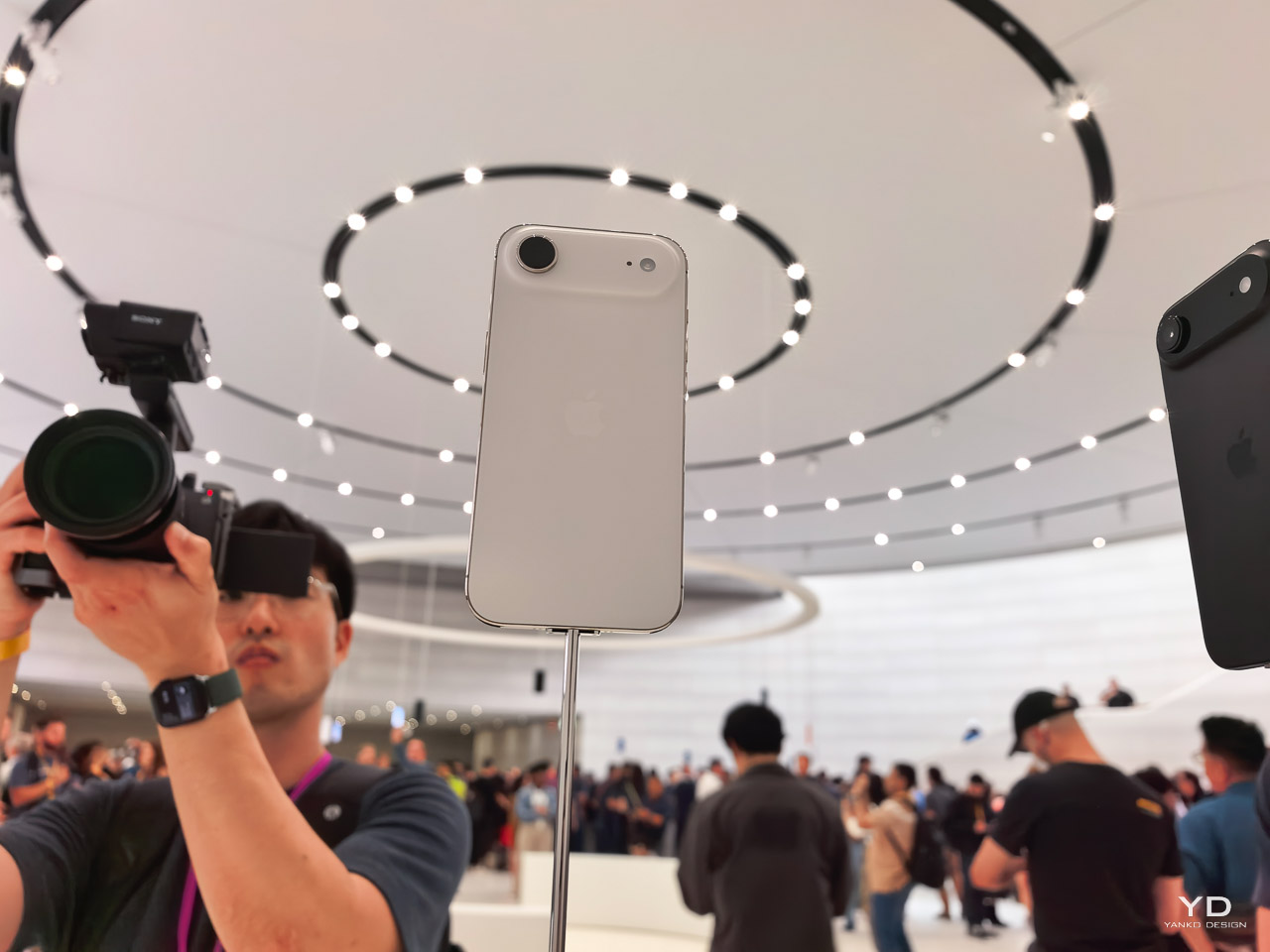
Musk’s companies sued Apple and OpenAI last year, alleging that Apple unlawfully favored ChatGPT through its integration into Apple Intelligence on iPhones. Apple says the arrangement was never exclusive; Apple and OpenAI deny wrongdoing. OpenAI argued that the X–Apple settlement might undercut the plaintiffs’ theory. The judge’s refusal means OpenAI must defend the case using evidence tied more directly to the challenged integration.
Why this matters
Control of distribution can matter as much as model quality. A default assistant or privileged operating-system integration can place one AI service in front of hundreds of millions of users. Antitrust law must distinguish legitimate product design from foreclosure: does the partnership improve the device while leaving realistic paths for rivals, or does it use control of the platform to make competition nominal? The sealed settlement may have been interesting, but relevance requires more than strategic curiosity.
What the denial signals
The ruling suggests Pittman wants a disciplined trial record. Courts often resist collateral discovery that expands a case into every commercial relationship among the parties. That can help Musk by preventing OpenAI from building a defense around a separate peace with Apple; it can help Apple by preserving confidentiality. It also limits OpenAI, which loses a document it believed could expose inconsistency in the plaintiffs’ position.
Winners, losers and overlapping litigation
Apple wins secrecy for the settlement terms. Musk retains leverage because his antitrust claim is not diluted by an agreement OpenAI hoped to use. OpenAI loses a defense avenue but not the case. The wider litigation map is unusually tangled: OpenAI defeated Musk’s “betrayed founding mission” lawsuit in May 2026, while Apple separately accuses OpenAI of trade-secret theft in another court, allegations OpenAI denies. Commercial partners can be legal adversaries on another front.
The historical comparison
Landmark technology antitrust cases—from operating-system bundling to mobile app distribution—turn on defaults, technical integration and the practical cost of choosing an alternative. AI adds a new complication: models, cloud capacity, device interfaces and data access form one stack. A contract labeled nonexclusive can still have exclusionary effects if rivals cannot obtain equivalent placement; conversely, prominent placement is not automatically illegal if users and developers retain viable choices.
January scenarios
The trial is set for January. The base case is a focused contest over Apple’s integration terms, technical access and market effect. A settlement remains possible if discovery raises business risk or if the parties prefer commercial certainty. A courtroom outcome could clarify how antitrust principles apply to AI distribution, but appeals would prolong uncertainty. Watch evidence about defaults, user choice, rival access and actual switching—not only the rhetoric of exclusivity. Those facts will determine whether this is a product partnership or a gatekeeping case.
The evidence that should decide the case
The trial should examine contract terms, technical documentation, placement and user behavior. Can another model provider obtain comparable access? Can a user change the service, and how many steps are required? Does Apple share APIs and performance capabilities on equal terms? Did the integration reduce distribution opportunities or merely create one prominent channel among many? Market definition will be decisive: a narrow market for iPhone-integrated generative AI creates a different picture from a broad market spanning apps, web services and devices. Internal communications may reveal intent, but antitrust law ultimately cares about competitive effect, not only aggressive language. The parties will therefore fight over both what the market is and what changed after integration.
What the January trial can set for the industry
A ruling for Musk could make device makers more cautious about exclusive or deeply embedded AI partnerships and encourage multi-model choice screens or standardized access. A ruling for Apple and OpenAI could confirm broad product-design discretion so long as alternatives remain available through apps or the web. Either result may be narrow, turning on this contract rather than establishing a universal rule. Yet the commercial signal will travel quickly because every operating-system provider is deciding how assistants, models and search share a surface. The best outcome for users is not necessarily a crowded menu at every prompt. It is meaningful choice, transparent defaults and room for rivals to compete on quality without needing permission from a single gatekeeper.
Sources: Reuters legal report. Facts and figures are a fixed September 18, 2026 reporting snapshot and do not update live.