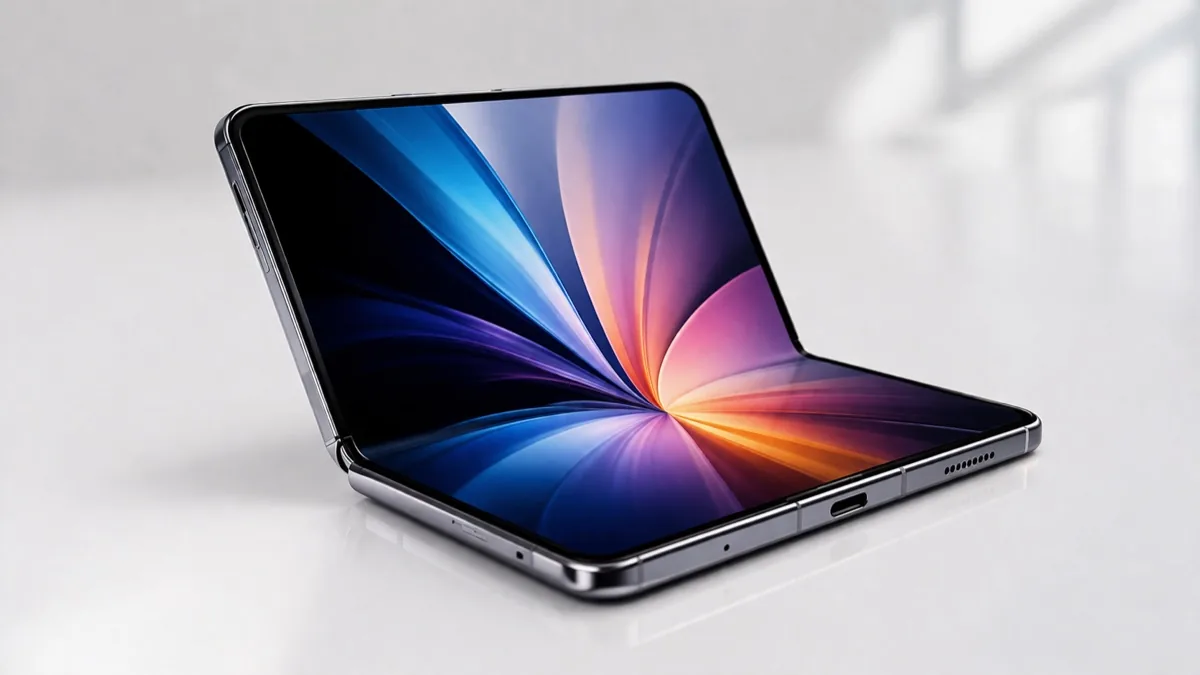
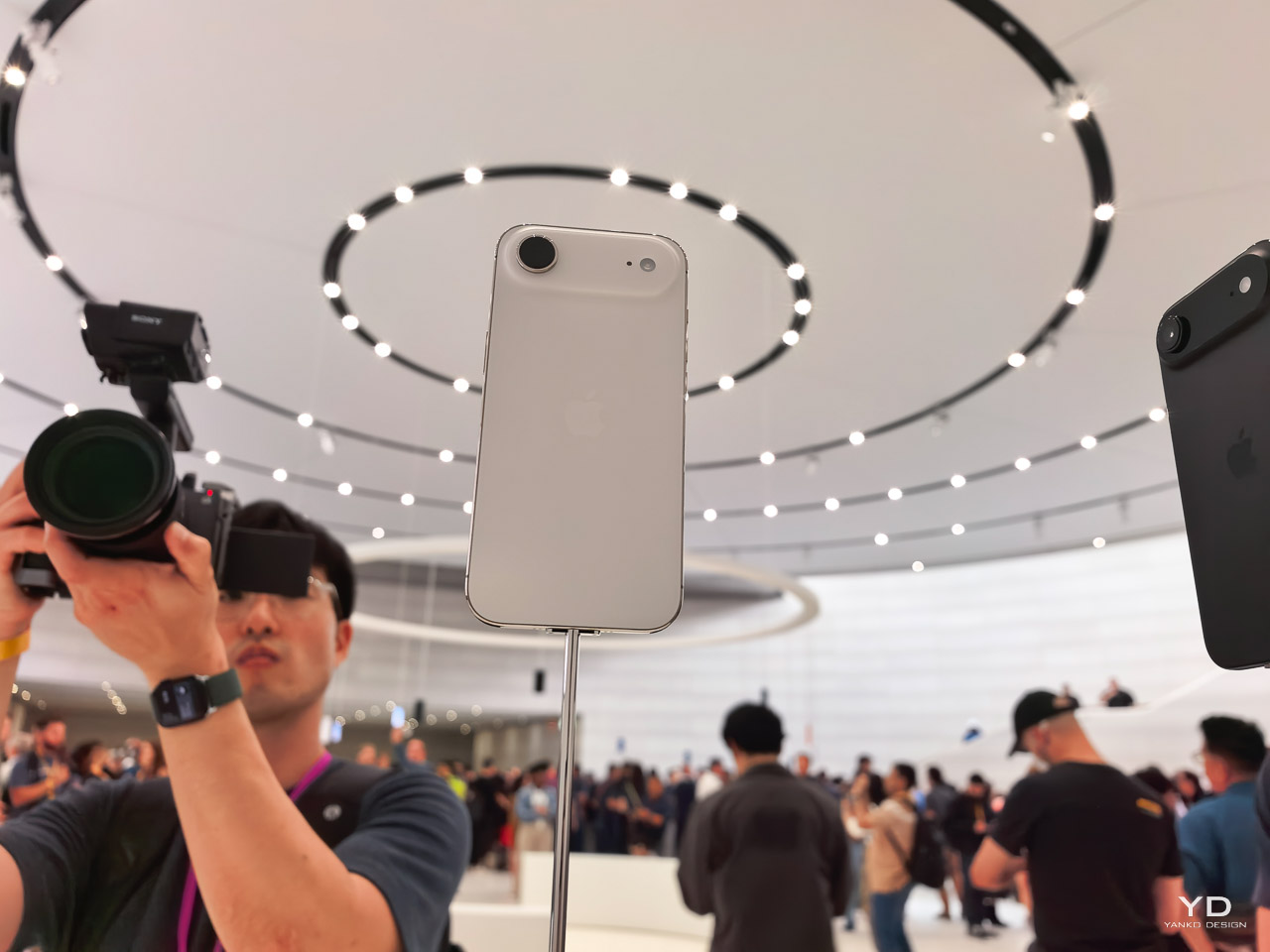
After years of speculation, “iPhone Duo” is the official name of Apple’s first foldable phone. It uses a 5.4-inch outer display for ordinary phone tasks and a 7.6-inch inner display for reading, video, creative work and side-by-side apps. Preorders begin October 16 at 5 a.m. Pacific, and availability begins October 23.
The $1,999 starting price puts the Duo above the $1,899 starting prices reported for Samsung’s Galaxy Z Fold 8 and Google’s Pixel 11 Pro Fold, but below Samsung’s $2,099 Galaxy Z Fold 8 Ultra. Price comparisons should include storage tier, coverage, accessories and trade-in terms rather than the headline alone.
The verified iPhone Duo specifications
What is genuinely different
Apple says the inner screen is 50 percent larger than the iPhone 18 Pro Max display, while the outer screen retains more than 90 percent of the iPhone 18 Pro’s display area. The two displays share a matching aspect ratio, which should help apps move between them without feeling like unrelated layouts.
The Duo uses Touch ID in the side button and supports unlocking with Apple Watch. Apple says Apple Pencil (USB-C) support will arrive later in 2026, so buyers should not treat it as a day-one feature. The phone is eSIM-only worldwide.
iPhone Duo vs. Galaxy Z Fold 8
Samsung has years of foldable experience, making software maturity, repair logistics and accessory availability meaningful strengths. The Galaxy Z Fold 8 starts lower, at $1,899, and its 7.6-inch inner display matches the Duo’s diagonal on paper. Apple’s advantages are the iPhone ecosystem, IP68 claim, titanium construction and the possibility of tighter continuity with Mac, iPad, Apple Watch and AirPods.
Do not confuse “first foldable from Apple” with “first foldable.” Samsung’s eighth-generation product has had more time to expose real-world hinge and app problems. Apple may deliver a polished first attempt, but independent durability and repair tests remain essential.
iPhone Duo vs. Pixel 11 Pro Fold
Google’s foldable starts at $1,899 with a 6.5-inch outer display and an 8-inch inner display, making it larger on both sides than the Duo. Pixel’s appeal is Google’s AI and computational-photography approach; Duo’s appeal is iOS continuity, its compact outer screen and Apple’s pro-media features.
The Pixel’s larger displays may be better for reading and multitasking, while the Duo’s smaller closed size may be easier to carry. Try both in person. A foldable’s weight distribution, hinge resistance and outer-screen typing comfort matter more than diagonal measurements.
Treat the iPhone Duo as a new kind of device purchase, not the automatic next step after an iPhone Pro.
Who should buy early
Early adopters should have a clear large-screen use case: editing while referencing another app, comparing documents, using maps beside plans, reviewing photographs or taking handwritten notes once Pencil support arrives. The premium is easier to justify when the inner display replaces work previously done on a separate tablet.
Buy only with a return window and a clear understanding of accidental-damage coverage. Check deductibles, hinge and inner-screen service terms, local repair availability and the cost of a model-specific case.
Who should wait
Wait if you prioritize proven battery life, one-handed use, low repair cost or rugged simplicity. Apple’s dual-battery design and 50-percent-in-about-20-minutes charging claim are promising, but mixed inner- and outer-screen endurance needs independent testing.
Also wait if your essential apps have not demonstrated Duo layouts. A larger canvas is not automatically useful when a banking, workplace or creative app simply stretches. Reviews should test Split View, drag and drop, video calls, navigation and continuity when the device closes.
Five tests to read before October 23
- Battery life under mixed inner- and outer-screen use.
- Crease visibility and touch response in bright light.
- Hinge behavior after pocket dust and repeated folding.
- Camera consistency against iPhone 18 Pro in low light and motion.
- Repairability, coverage terms and real turnaround time.
Why this matters
A foldable iPhone would test whether Apple can turn a fragile category into a mainstream one. The company’s advantage is not being first; it is integrating hardware, software and service expectations for a large installed base. The risk is that a dramatic form factor solves fewer problems than it creates in price, durability and app design.
How we got here
Samsung and other Android makers spent years normalizing foldable screens through public iterations. Apple historically enters some categories after components and use cases mature, then competes on integration. The parallel with larger-screen phones is instructive: resistance can disappear quickly once the format proves useful, but only if software adapts with it.
Who benefits, who loses and what critics say
Power users gain a pocketable larger canvas, developers gain new interface possibilities and premium suppliers gain high-value demand. Buyers bear first-generation repair and resale risk, while small tablets may lose relevance. Critics argue foldables remain a solution in search of a problem; supporters point to multitasking and media. Both claims depend on crease, battery and app behavior not marketing renders.
What the comparison should measure
Price and screen size alone are weak comparisons with a Galaxy Z Fold. A serious test includes folded thickness, weight, usable battery, repair cost, dust resistance and how many common apps exploit the larger display. Past-versus-present reasoning should compare later Android generations with their early faults, because category maturity—not just brand prestige—sets the baseline.
What happens next
The optimistic scenario is a well-integrated device that expands the premium phone market. A cautious scenario keeps the Duo expensive and niche while conventional iPhones remain dominant; a failure scenario exposes durability or software compromises. The first reviews should be judged after weeks of use, and the second generation may matter more than launch-day spectacle.
Primary sources: Apple’s official iPhone Duo announcement and iPhone Duo product page. Competitor starting prices and dimensions were researched from current Samsung and Google launch coverage on September 17, 2026; verify exact configurations at checkout.