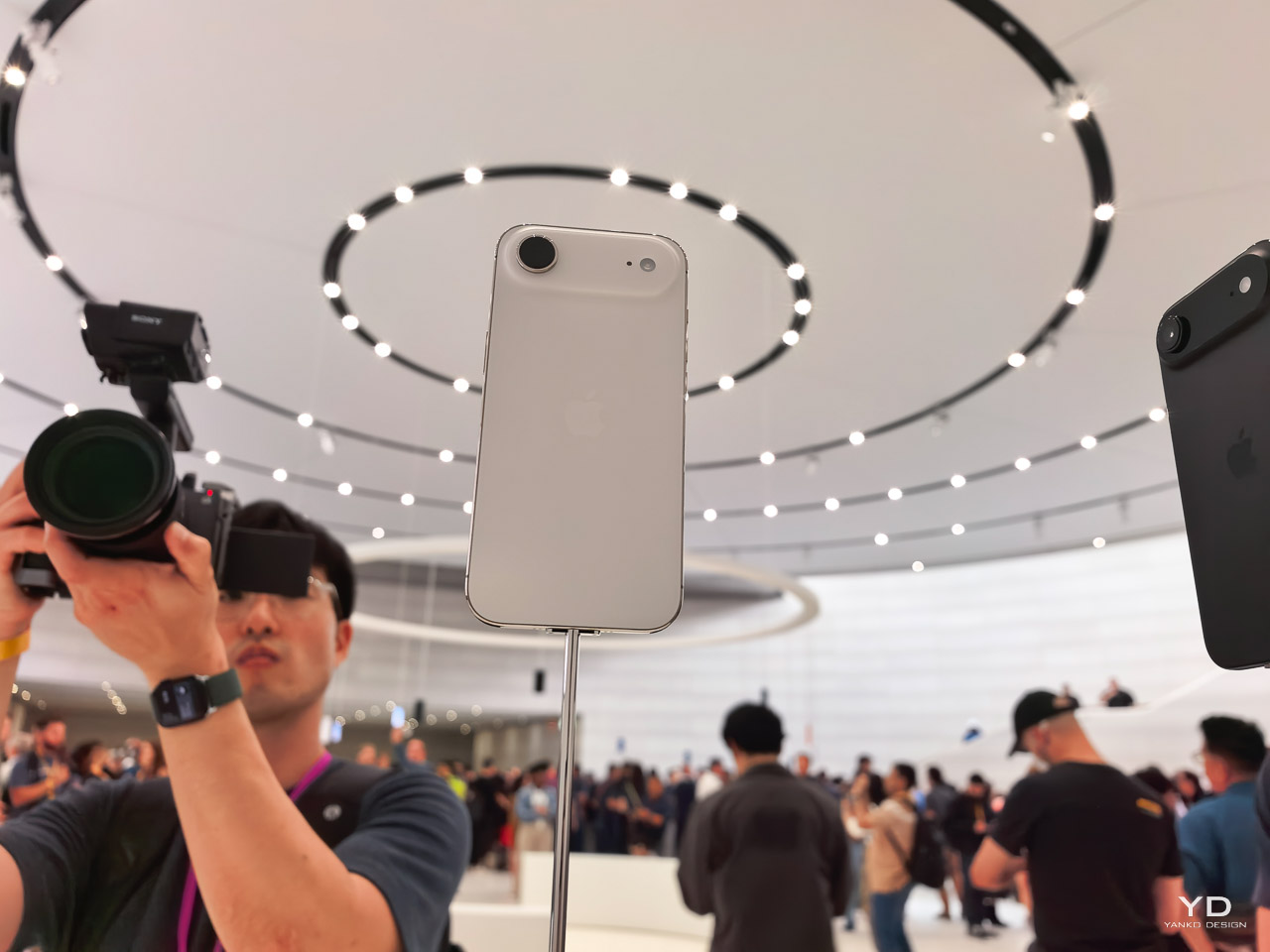
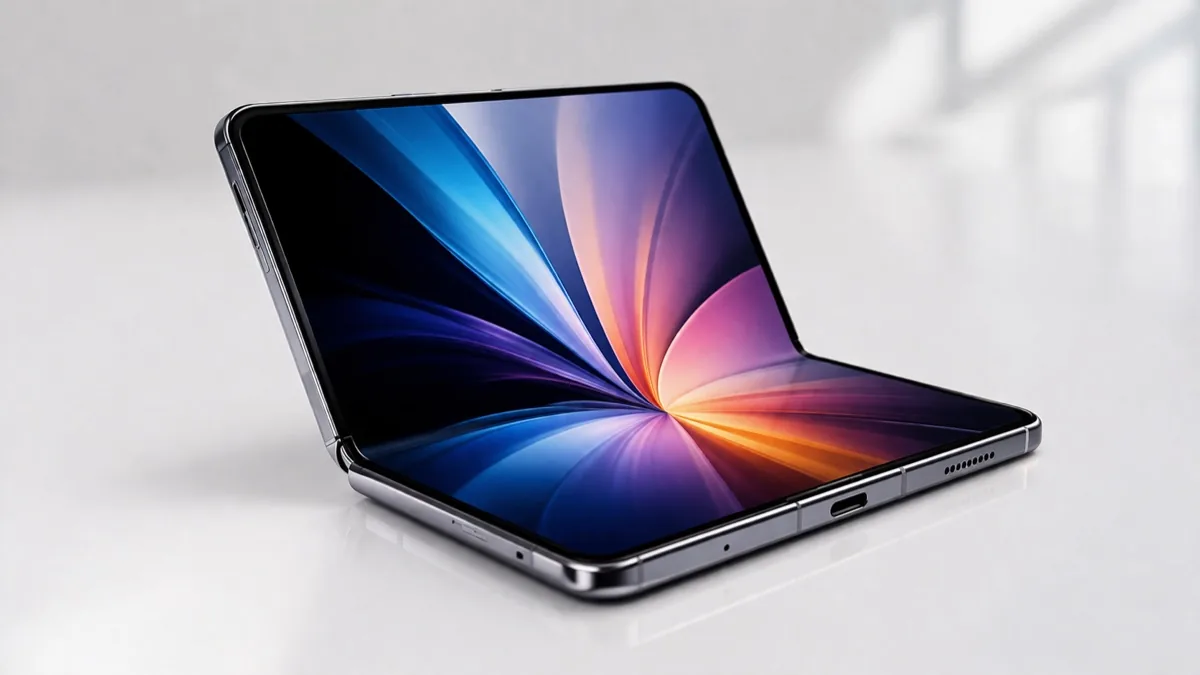
If you are deciding whether to buy on launch day, the first useful fact is the calendar. The iPhone 18 Pro and iPhone 18 Pro Max open for retail availability on Friday, September 18, after preorders began September 12. Apple’s first foldable, the iPhone Duo, does not arrive the same day: preorders begin October 16 and availability starts October 23.
That distinction matters because “Apple’s new iPhone” now describes two product tracks. The Pro models are conventional premium phones with faster silicon, expanded camera control and longer battery claims. The Duo is a new $1,999 foldable category with a 5.4-inch outer display and a 7.6-inch inner display.
What goes on sale September 18
iPhone 18 Pro vs. Pro Max
Both Pro models use Apple’s 2-nanometer A20 Pro platform, including a six-core CPU, seven-core GPU and dual 16-core Neural Engine. Apple says GPU performance is up to 40 percent faster than A19 Pro, while a larger vapor chamber supports up to 40 percent better sustained performance. Both begin at 256GB and are offered in black, silver, glacier and burgundy.
The clearest verified difference is battery life and starting price. Apple rates the iPhone 18 Pro for up to 36 hours of video playback and the Pro Max for up to 45 hours. The Pro Max costs $100 more at the starting tier. Choose the larger model when endurance and a larger working canvas matter every day; choose the Pro when easier carrying and the lower price are more valuable than the extra battery claim.
The camera changes are aimed at control
The 48-megapixel Fusion Main camera adds variable aperture with four manual settings. Apple also brings manual shutter speed, white balance and a histogram into the Pro workflow. Apple Reference Image is designed to preserve signed sensor information as an unalterable reference, a feature that matters more to journalists and professional creators than to casual snapshots.
Do not buy only because a specification sounds professional. Ask whether you will change aperture deliberately, monitor a histogram or use reference-image verification. If your photography is mostly automatic family, travel and social images, the benefit may come from the improved processing rather than the manual controls.
Who should upgrade — and who should wait
Owners of older iPhones with weak batteries, limited storage or damaged cameras have the strongest practical case. An iPhone 17 Pro owner should be more demanding: the A20 Pro performance gains, variable-aperture camera, faster wired charging and battery claims need to solve a real frustration. Otherwise, another year of software support may be the better value.
Launch weekend is also the worst time to learn about unexpected compromises. Wait for independent tests of heat under sustained load, real-world battery life, camera consistency and cellular performance. Apple says the wired models can reach 50 percent in about 15 minutes, but actual charging depends on adapter, temperature and use.
Watch and AirPods buyers have clearer choices
Apple Watch Series 12 is the mainstream option. Apple says its new Health Sensing System reads heart rate every five seconds in the background and adds a Daily Readiness score. The Ultra 4 is for buyers who need longer battery life, more rugged hardware, dual-frequency GPS or satellite communications; its $799 starting price is twice that of Series 12.
AirPods 5 start at $129, with a $149 version that includes wireless charging. Apple positions the H2-powered open-ear design around stronger active noise cancellation, Adaptive Audio, voice isolation and Live Translation. Fit remains personal, so an in-store fit check or a return policy matters more than a headline claim.
The smartest launch-day decision is not “which new Apple product?” It is “which change solves a problem I already have?”
A five-minute buying checklist
- Check your current battery health, storage use and trade-in condition.
- Compare the full price after tax, coverage, case and charger — not only the monthly payment.
- Confirm the return window and whether your carrier plan changes.
- Back up your device and verify authenticator-app transfers before pickup.
- If the Duo interests you, wait: it is an October launch, not a September 18 release.
Why this matters
A launch bundle encourages consumers to evaluate an ecosystem rather than a device. Apple benefits when phone, watch and audio upgrades reinforce one another, but the buyer risks mistaking coordinated marketing for coordinated need. The rational decision is to isolate the problem each product solves and compare it with the device already owned.
How we got here
Annual hardware cycles made predictable September attention an asset in itself. As smartphones matured, headline improvement shifted from revolutionary new categories toward cameras, health sensing, battery management and services that work across devices. The launch event now functions as both product announcement and retention strategy.
Who benefits, who loses and what critics say
Existing Apple users gain the smoothest continuity and trade-in path; accessory makers and carriers gain a synchronized upgrade cycle. Buyers outside the ecosystem face switching costs, and older-device owners can be pushed by marketing before support actually ends. Critics call annual launches incremental; that is often true, but incremental change can still matter when accumulated over several generations.
What the comparison should measure
Launch price should be compared with usable years, trade-in value and the cost of replacing connected accessories. A one-generation upgrade needs a larger immediate benefit to justify itself than a four- or five-generation jump. Specifications imply capability, but battery life, repairability and real camera consistency determine everyday value.
What happens next
Early reviews will separate announced features from dependable ones, while availability will reveal product-mix pressure. The strongest scenario is targeted upgrading by users with old devices; the weakest is debt-financed novelty with little daily benefit. Software support and repair cost may ultimately matter more than first-week benchmarks.
Primary sources: Apple’s official iPhone 18 Pro announcement, Apple Watch Series 12 announcement, Apple Watch Ultra 4 announcement and AirPods 5 announcement. Prices and dates are U.S. launch information verified September 17, 2026.