One day after Gov. Mikie Sherrill publicly called for his ouster over a 61-page ethics investigation, Caldwell stepped down — denying the findings and insisting he quit to avoid being a "distraction."
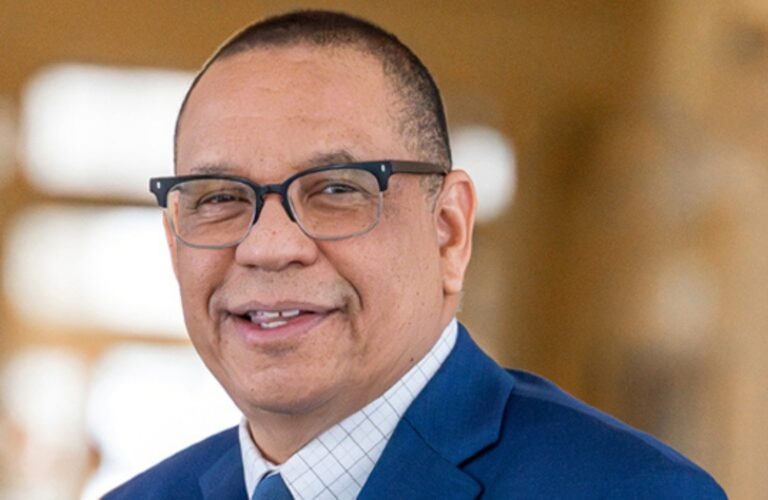
The NJ lieutenant governor resigns. Dale Caldwell, New Jersey's second-in-command and the state's chief elections officer, submitted his resignation on Friday, September 25, 2026 — just one day after Gov. Mikie Sherrill publicly demanded he step down over a 61-page independent investigation that found he had sexually harassed staffers and repeatedly violated state ethics rules. Caldwell, 66, denies the findings. He says he is leaving not because of the report, but because he does not want to be a "distraction" to the administration. The resignation ends an eight-month tenure that imploded less than a year into Sherrill's first term — and does so weeks before the November midterms, in which control of Congress hangs in the balance and New Jersey's lieutenant governor oversees the state's elections.
What Happened
Sherrill, a Democrat who handpicked Caldwell as her running mate in the 2025 election, issued an ultimatum Thursday evening: resign by Friday or face the consequences. Her office released a blistering statement declaring that Caldwell had "engaged in serious, repeated violations of state policy and failed to uphold the responsibilities of his office," adding that his ethical lapses had "persisted despite multiple warnings and trainings." Caldwell submitted his resignation Friday afternoon.
At a news conference, Sherrill framed the moment as a reckoning for state government. "There has been a culture in Trenton, probably since the birth of our nation, to sweep this under the rug," she said. "That is not the kind of government I'm running."
The 61-Page Report's Three Findings
The independent investigation, first reported by the New Jersey Globe in late August and led by former state attorney general Christopher Porrino, substantiated three categories of misconduct:
First, sexually offensive remarks directed at female staffers. The report's most searing detail: after his romantic advances toward one staffer's friend were rebuffed, Caldwell told the staffer that "you young women are looking for young sperm." Investigators wrote that they "did not find his denial credible."
Second, repeated attempts to secure a promotion for a state employee with whom he was in a romantic relationship — without disclosing the relationship, and continuing even after he was formally admonished to stop.
Third, bringing personal guests to ticketed events without paying admission or obtaining clearance.
The New Jersey Monitor's Nikita Biryukov reported that Sherrill had sought Caldwell's resignation Thursday over the alleged violations, and CNN confirmed the probe's scope in its September 24 reporting.
Sherrill Breaks With Her Running Mate
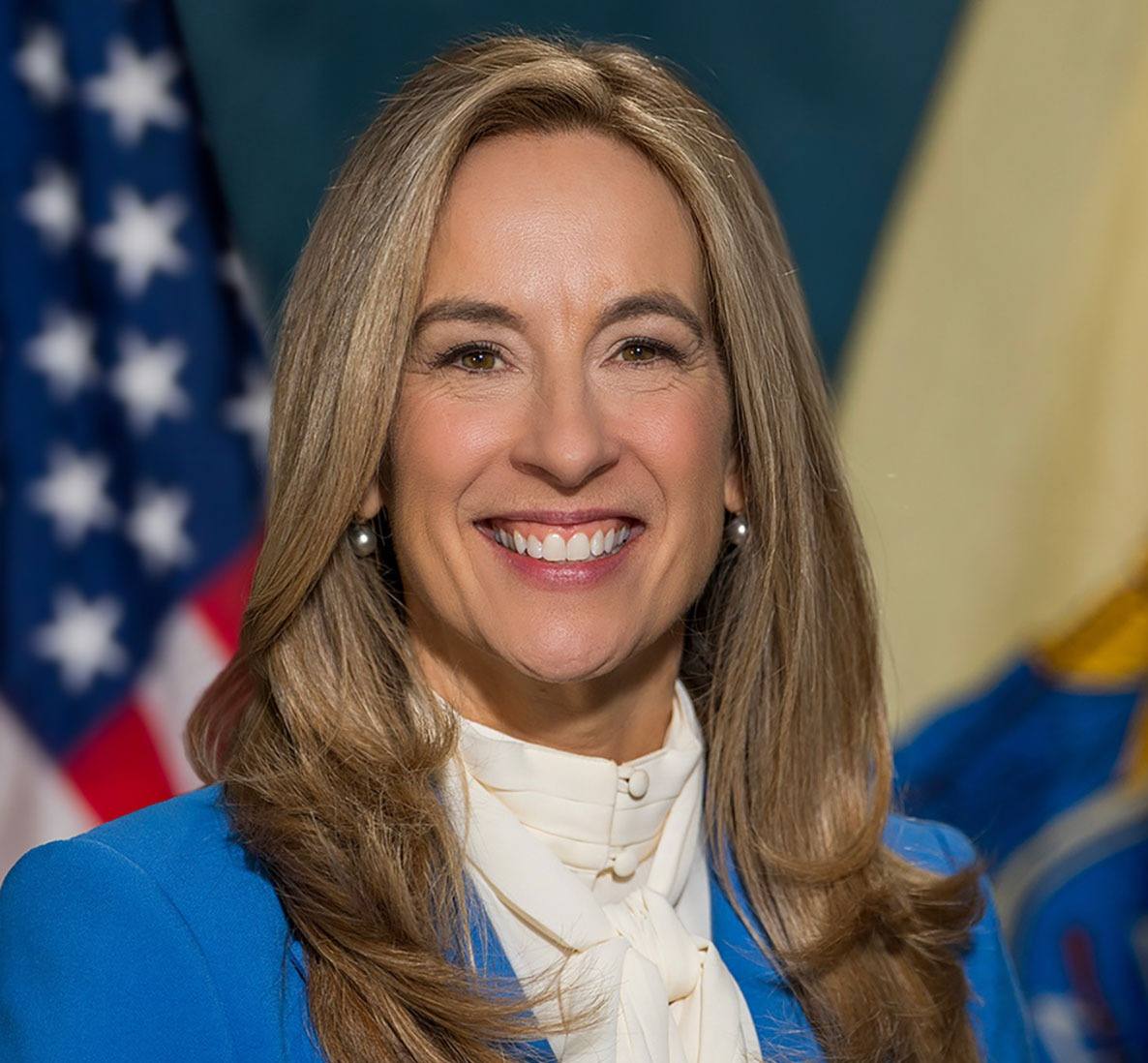
Caldwell was Sherrill's personal choice — billed during the 2025 campaign as her "voice for the voiceless." A Methodist pastor from Plainfield and the first Black president of Centenary University (2023–2026), he brought a Princeton undergraduate degree, a Wharton MBA, and a Seton Hall doctorate to the ticket. The pair took office January 20, 2026; he was gone within eight months.
For Sherrill, the break carries both upside and risk. Acting decisively lets her claim she is changing Trenton's culture of impunity — a powerful message for a first-term governor. But Republicans, who had been hammering her for weeks over the scandal, will now ask what she knew during vetting, and when. The Globe has reported that problems surfaced at least five months ago, and that a campaign staffer once blocked a whistleblower's scheduled call.
"I'm Not Resigning Because of the Report"
Caldwell's denial has been categorical. "I'm not resigning because of the report. It's false," he told the New York Times. "I'm resigning because I don't want to be a distraction to the administration." To Fox News he called the report "specious" and "poorly done." His attorney, Thomas Calcagni, said Caldwell would "forcefully challenge the report" and is exploring "legal remedies" — language that keeps the door open to a lawsuit against the investigators or the state.
Investigators, for their part, found his denials of the harassment allegations not credible. The tension between those two positions — a damning official report versus a furious denial — is likely to keep this story alive in New Jersey politics well past the midterms.
A Constitutional Wrinkle: An Elected Official Can't Be Fired
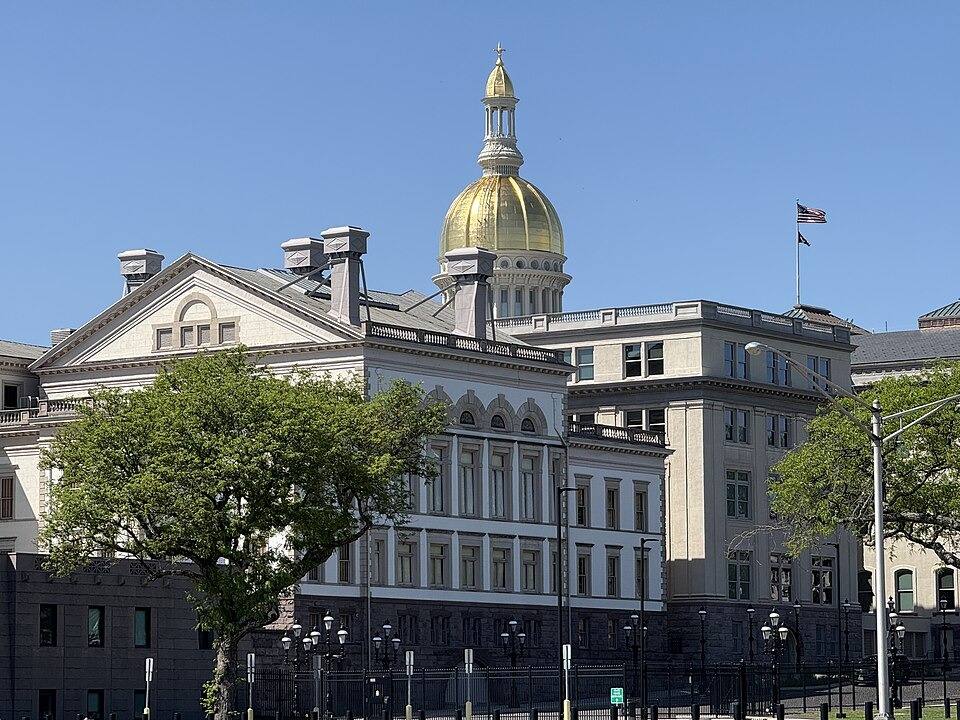
Here is the structural oddity at the heart of the saga: New Jersey's lieutenant governor is elected on a joint ticket. Sherrill could not fire Caldwell. The only exits available were resignation or removal by a two-thirds vote of the state Senate — impeachment. That is why Sherrill's ultimatum was political pressure, not a personnel action: she gave him until Friday, and the threat of a public, drawn-out impeachment fight made resignation the less painful option.
It is a reminder that in New Jersey's constitutional design, voters choose the number two — and a governor who wants a new one must either persuade, wait, or legislate.
Who Runs New Jersey's Elections Now?
Caldwell wore a second hat: secretary of state, the office that oversees elections. Sherrill moved fast to fill the gap, naming acting state comptroller Shirley Emehelu as acting secretary of state. Under the state constitution, the governor has 45 days to nominate a permanent lieutenant governor. Every one of those decisions will be scrutinized through a partisan lens: the midterms are weeks away, turnout machinery matters, and the person who certifies New Jersey's results will now be a Sherrill appointee rather than an independently elected official.
Why It Matters: Weeks Before the Midterms
This is not merely a Trenton scandal. Three things make it nationally relevant. First, timing: with the November 2026 midterms deciding control of Congress, a Democratic governor jettisoning her own lieutenant governor over harassment is the kind of story that becomes attack-ad fodder in every competitive House race in the state. Second, elections administration: the official who oversaw New Jersey's elections has resigned in disgrace, and his replacement arrives by appointment, not election — expect litigation-season arguments about legitimacy. Third, the culture claim: Sherrill explicitly tied Caldwell's downfall to a Trenton tradition of "sweeping things under the rug," inviting scrutiny of every other corner of state government.
Winners and Losers
Winners: Sherrill, for now — she acted where other governors have dithered, and "that is not the kind of government I'm running" is a line built for the moment. The state Senate's Republican minority, which gains a ready-made line of attack about Democratic vetting. And Shirley Emehelu, who inherits real power.
Losers: Caldwell, whose biography — pastor, university president, barrier-breaker — is now footnoted by a 61-page report. Sherrill's vetting operation, which will have to explain how a candidate with five months of accumulating problems made it onto the ticket. And New Jersey voters, who elected a lieutenant governor and are getting an appointed one instead.
The Bigger Picture: Vetting and the Trenton Machine
The hardest questions are the ones Sherrill has not yet answered: what did her team know before November 2025, and what did it do with the information? If the Globe's reporting holds — problems visible five months ago, a blocked whistleblower call during the campaign — then the scandal is not just about one man's conduct but about a political machine that calculated the risk and ran anyway. Sherrill's news-conference rhetoric about ending the culture of silence will be measured against that record, not just against Caldwell's exit.
What Happens Next
Three clocks are now running. The 45-day constitutional window for a permanent lieutenant governor nominee. The midterms, now weeks away, with New Jersey's congressional races absorbing the fallout. And Caldwell's promised legal challenge, which — if filed — could force the 61-page report's evidence into a courtroom, prolonging the story into 2027. Related coverage on the midterm landscape: our analyses of the Supreme Court's SAVE voter-database ruling, the Emerson poll's 11-point Democratic edge, and the blocked Missouri congressional map.
Sources: Reuters, Sept. 25, 2026; CNN, Sept. 24, 2026; New York Post, Sept. 25, 2026; New Jersey Monitor / Rockaway Journal (Nikita Biryukov), Sept. 24, 2026.