Netanyahu Abu Dhabi visit September 2026
Netanyahu Abu Dhabi visit September 2026Netanyahu UAE secret meetingMohammed bin Zayed Netanyahu meetingIsrael UAE Abraham Accords IranNetanyahu October 27 electionHaaretz warning call October 7Lion's Roar Iran warN12 Netanyahu secret visitUAE Israel relations
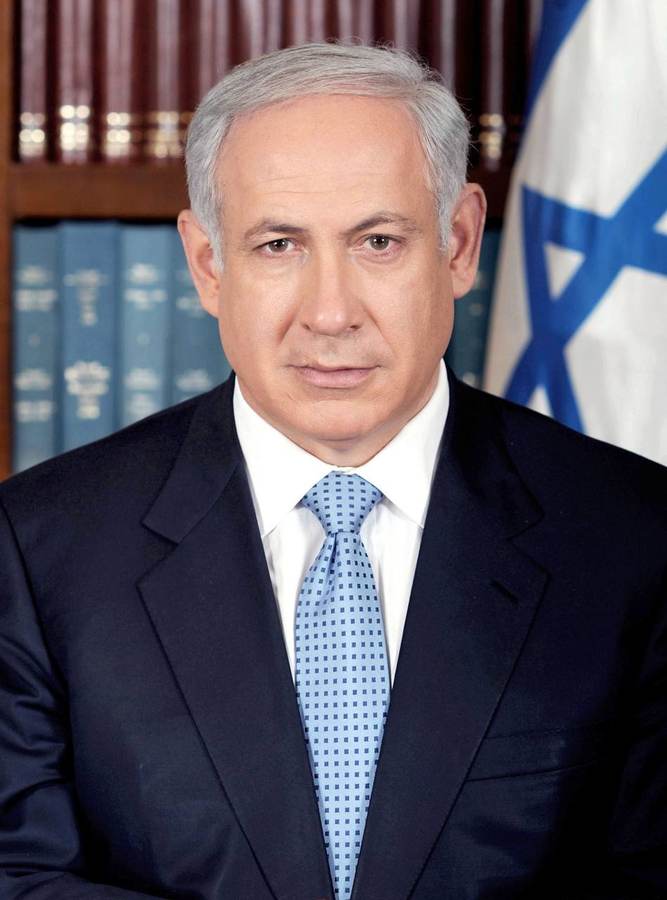
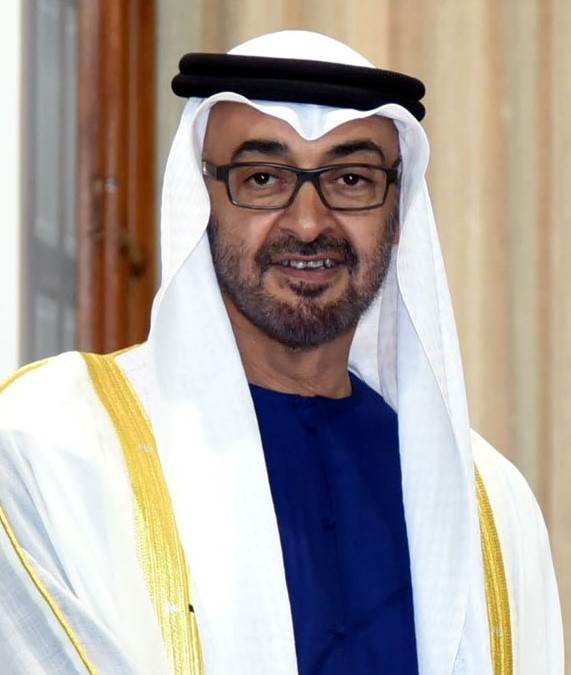
JERUSALEM — Israeli Prime Minister Benjamin Netanyahu secretly flew to Abu Dhabi on Sunday, September 27, for talks with UAE President Sheikh Mohammed bin Zayed Al Nahyan, according to a senior Israeli official who spoke to Reuters and an Israeli source who confirmed the trip to CNN. Iran dominated the agenda, CNN's source said, as two governments that normalized relations in 2020 weighed a war that has made cooperation more valuable and public alignment more politically complicated.
Neither Netanyahu's office nor the UAE foreign ministry had commented on the visit by publication. That silence limits what can be stated as fact about any understandings reached. It also makes the method of the meeting part of the story: a high-level channel remained active even when both sides chose not to put it on the diplomatic calendar.
What happened
Israeli broadcaster N12 reported that Netanyahu left Ben Gurion Airport shortly after noon aboard a private executive jet. Flight-tracking data identified the aircraft as the same plane he used during an earlier UAE visit amid the Iran conflict Israel calls “Lion's Roar.” The jet landed in Abu Dhabi at 3:10 p.m. local time, according to the report. Netanyahu spent roughly four hours in the capital and departed at 7:10 p.m.
The N12 Netanyahu secret visit account said the program appeared to consist largely of a one-on-one conversation with Sheikh Mohammed. Several private aircraft carried members of the Israeli delegation. The use of multiple planes and the short stay point to a tightly controlled mission rather than a ceremonial summit: there was no announced press conference, public signing or joint statement.
The timing was unusually compressed. Netanyahu traveled two days after returning from the United Nations General Assembly in New York and exactly one month before Israel's October 27 general election. The meeting also followed an earlier dispute over whether he had visited the UAE at all. In May, Netanyahu's office said he had “secretly visited” the Gulf country. Emirati officials initially denied that account, before a source later told Reuters that Netanyahu and Sheikh Mohammed had met in Al-Ain on March 26.
Why this matters: the Netanyahu UAE secret meeting keeps a quiet channel open
The immediate significance is not a publicly announced deal; none was disclosed. It is the continued availability of a leader-to-leader channel during a regional war. Formal visits create expectations, attract scrutiny and can force governments to defend every gesture. Secrecy gives both sides space to exchange threat assessments, discuss red lines and test proposals without committing themselves before the terms are ready.
Analysis: the discretion is useful precisely because the two governments are aligned on some security concerns but operate under different constraints. Israel wants regional partners to treat Iran's military reach as a shared threat. The UAE wants protection from attack and dependable access to Washington, but it also has trade, geographic exposure and a strong incentive to avoid an open-ended confrontation with Tehran. A private channel lets Abu Dhabi cooperate where interests overlap while preserving room to hedge.
Reuters noted that the UAE has strengthened ties with both the United States and Israel since coming under attack during the Iran war. Its relationship with Israel, established through the Abraham Accords, gives Abu Dhabi regional leverage and a distinctive route into Washington. The shorthand “Israel UAE Abraham Accords Iran” therefore describes more than an alliance label: it is a triangle of security coordination, political influence and exposure to retaliation.
The Haaretz warning call October 7 controversy shadows the room
The Mohammed bin Zayed Netanyahu meeting carries an additional political burden because of a dispute over warnings before Hamas's October 7, 2023 attack. Haaretz reported this month that Sheikh Mohammed warned Netanyahu about a week and a half before the attack that Hamas was preparing a major operation against Israel. According to that report, the warning was not passed to Israeli intelligence agencies or the military. The New York Times reported related corroboration.
Separately, The Wall Street Journal reported that at least three Egyptian warnings about Gaza were conveyed to Israel, including a telephone call from Egyptian intelligence chief Abbas Kamel to Netanyahu days before the assault. Those reports do not establish that any warning contained a precise operational plan or timing, and the public record remains contested. Netanyahu says he received no such warning, has rejected the Haaretz account and has threatened legal action against the newspaper.
Opposition leaders have turned the allegation into a central campaign question about responsibility, information flow and credibility. The UAE's decision to host Netanyahu anyway suggests that immediate strategic interests have not been displaced by the controversy. It does not prove that Abu Dhabi accepts Netanyahu's denial or disputes the reporting; it shows that the relationship can continue while the argument remains unresolved.
Analysis: that distinction matters. Diplomacy often survives personal mistrust when both governments need the channel. For Netanyahu, appearing able to speak directly with the Emirati president supports his claim that regional relationships remain durable. For Sheikh Mohammed, receiving him privately preserves access without turning the visit into an endorsement in Israel's domestic debate.
The Iran agenda: Lion's Roar Iran war, Hormuz and mediators
CNN's source said Iran dominated the conversation, an area in which Israel and the UAE have deepened cooperation, including during the current conflict. The Lion's Roar Iran war framing used by Israel emphasizes military pressure and deterrence. Gulf states face a broader ledger: missile and drone defence, shipping insurance, energy exports, airspace, infrastructure protection and the economic consequences of any prolonged closure or restriction in the Strait of Hormuz.
Analysis: Abu Dhabi is balancing three relationships at once. Washington remains its principal security partner. Israel offers intelligence, technology and a direct political channel into U.S. decision-making. Iran remains a nearby power capable of imposing costs on Gulf infrastructure and commerce. The UAE gains leverage by keeping all three lines usable, but the strategy becomes harder when cooperation with one side is read by another as participation in its war.
The diplomatic track is moving alongside that military calculation. Axios reported that President Donald Trump expects U.S. negotiators to engage in more talks this week. Iranian Foreign Minister Abbas Araghchi has said Iran is ready for diplomacy and is awaiting a U.S. response through mediators to Tehran's Hormuz proposal. Those statements show interest in contact, not agreement on the sequence of de-escalation, sanctions, maritime access or nuclear restrictions.
A plausible role for the UAE is not to replace formal negotiators but to translate between them: clarifying what each side might accept, identifying steps that can be sequenced and testing whether a narrow Hormuz arrangement can be separated from the wider war. That is analysis, not a confirmed description of Sunday's agenda. No participant has released a readout, and the lack of detail should prevent claims that a ceasefire framework was agreed.
The Netanyahu October 27 election angle
The trip falls exactly one month before Israelis vote. Any diplomatic movement can therefore carry two meanings at once. It may reflect genuine strategic urgency, because military and maritime risks do not pause for a campaign. It may also help Netanyahu present himself as the leader able to manage Israel's most sensitive regional relationships under pressure.
Supporters are likely to argue that an unannounced audience with Sheikh Mohammed demonstrates the durability of UAE Israel relations despite war, political criticism and the October 7 warning dispute. Opponents can answer that secrecy prevents voters from judging what was discussed and whether the trip produced results. They can also connect the meeting to their broader argument that Netanyahu has not fully accounted for pre-attack warnings and subsequent decision-making.
Analysis: both interpretations can be partly true. Electoral advantage does not make strategic coordination unreal, and a real security meeting can still be used politically. The more useful test is evidence: whether the visit leads to a documented diplomatic step, new defensive coordination, a mediated proposal or merely campaign messaging after the fact.
What happens next for UAE Israel relations
The first question is whether either government issues a formal account. A statement confirming topics without promising outcomes would signal that the secrecy was tactical. Continued silence would suggest the channel is meant to stay insulated from public pressure, at least while war and election politics are active.
The second test is the U.S.-Iran track. If mediators transmit a concrete response on Hormuz and American negotiators re-enter talks, the Abu Dhabi meeting may be understood as part of a wider effort to establish red lines and sequencing. If talks stall while attacks continue, security coordination and civil defence are likely to outweigh bridge-building.
The third test comes on October 27. A Netanyahu victory could turn the private conversation into the foundation for continued high-level coordination. A change of government would test whether the relationship is institutional or still heavily dependent on particular leaders. Either way, the existence of Sunday's meeting indicates that the UAE and Israel see value in direct contact even amid public controversy.
For now, the strongest conclusion is narrow: Netanyahu went to Abu Dhabi, met Sheikh Mohammed for roughly four hours and discussed Iran, according to two news organizations citing Israeli sources. Everything beyond that — the commitments made, the message relayed to Washington or Tehran, and the electoral benefit — remains a question for evidence that has not yet been made public.
Sources and reporting notes
- Reuters, September 27, 2026: Israeli official confirms the Abu Dhabi visit, previous UAE contacts and the strategic background.
- CNN, September 28, 2026: Israeli source confirms the trip, flight timeline, election context and Iran-focused agenda.
Reporting note: Neither Netanyahu's office nor the UAE foreign ministry had commented at publication. Descriptions of undisclosed discussions are attributed to the cited reporting; analytical judgments are labeled.