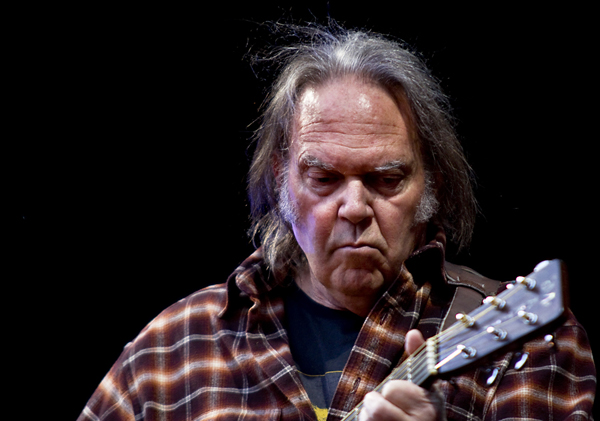
Neil Young sues Trump again — and this time, the singer says, the other side had already promised in writing never to do it. Young filed a new copyright infringement lawsuit on Monday against the Trump 47 Committee, President Donald Trump's political fundraising operation, alleging that his 1989 song "Rockin' in the Free World" was played without a licence before Trump took the stage at a midterm campaign rally in Youngstown, Ohio, on October 12. The complaint, filed in the US District Court for the Eastern District of Virginia, seeks $10 million in damages and a court order barring the committee from using the song again. According to the filing, the alleged offence is not a misunderstanding: Young says Trump's 2020 campaign settled an earlier lawsuit by promising it would never use the song again without permission — and then, he alleges, used it anyway.
What the complaint alleges
The case, Young v. Trump 47 Committee Inc, No. 3:26-cv-01398, names the committee — not Trump personally — as the defendant. Young's lawyers, led by Robert Besser, argue that the committee had no licence and no permission to play the recording at the Youngstown rally, where Trump appeared in support of Republican midterm candidates, and the complaint says the song has also been played "numerous times" at other rallies held to boost Republican turnout in the coming midterms. The filing stresses knowledge: it alleges the committee proceeded "willfully," aware that a licence was required, because of the earlier settlement. Young says he has suffered damage to his reputation and brand from the implication that he supports Trump — an implication the complaint calls especially damaging because of what the song itself says.
That lyrical argument is the filing's most quotable passage. "Rockin' in the Free World," released in 1989, pairs a stadium-sized chorus with verses about poverty, addiction, homelessness and discarded lives — "a mother discarding her baby, addicts lost in despair, garbage piling in the shadows of prosperity," as the complaint summarises it. "In short," Young's lawyers write, "the song is the opposite of everything Donald J. Trump stands for." Spokespeople for the White House did not immediately respond to a request for comment, Reuters reported, and the committee had not publicly answered the complaint at the time of filing. Everything in the previous two paragraphs is an allegation in a newly filed lawsuit; no court has ruled on any of it.
An eleven-year argument over one song
The history matters because the complaint is built on it. Trump first used "Rockin' in the Free World" in June 2015, when he launched his first presidential campaign at Trump Tower; Young objected publicly, and the campaign said at the time it would stop. The song kept surfacing at rallies anyway, and in August 2020 Young sued Trump's re-election campaign in New York, alleging unlicensed use of both "Rockin' in the Free World" and "Devil's Sidewalk." That case ended within months — Young voluntarily dismissed it in December 2020 — and at the time neither side disclosed terms. The new complaint now supplies Young's account of those terms: that the campaign "asserted no defense and immediately settled after it was served, promising that it would never use 'Rockin' in the Free World' without a license and permission from Young." If a court accepts that account, the 2026 case stops being a routine licensing dispute and becomes something rarer and more damaging for the defendant: an alleged breach of a promise made to end the last lawsuit over the exact same song.
Why this matters
Start with what the case is really testing. American campaigns play famous songs constantly, and the legal ground has always been murkier than either side admits in public: venues often hold blanket licences from performing-rights organisations that cover concerts and rallies, artists counter that a walk-on moment by a candidate is not ordinary background music but an implied endorsement, and almost every dispute ends in a settlement rather than a precedent. Young's filing is engineered to cut through that fog. A prior settlement, if proven, converts the usual "we thought the venue licence covered it" argument into a much harder question — you promised, specifically, about this song. That is also why the $10 million figure matters less as money than as framing: it prices the alleged broken promise, not just one play of a three-decade-old recording, in the middle of a midterm campaign the committee exists to fund.
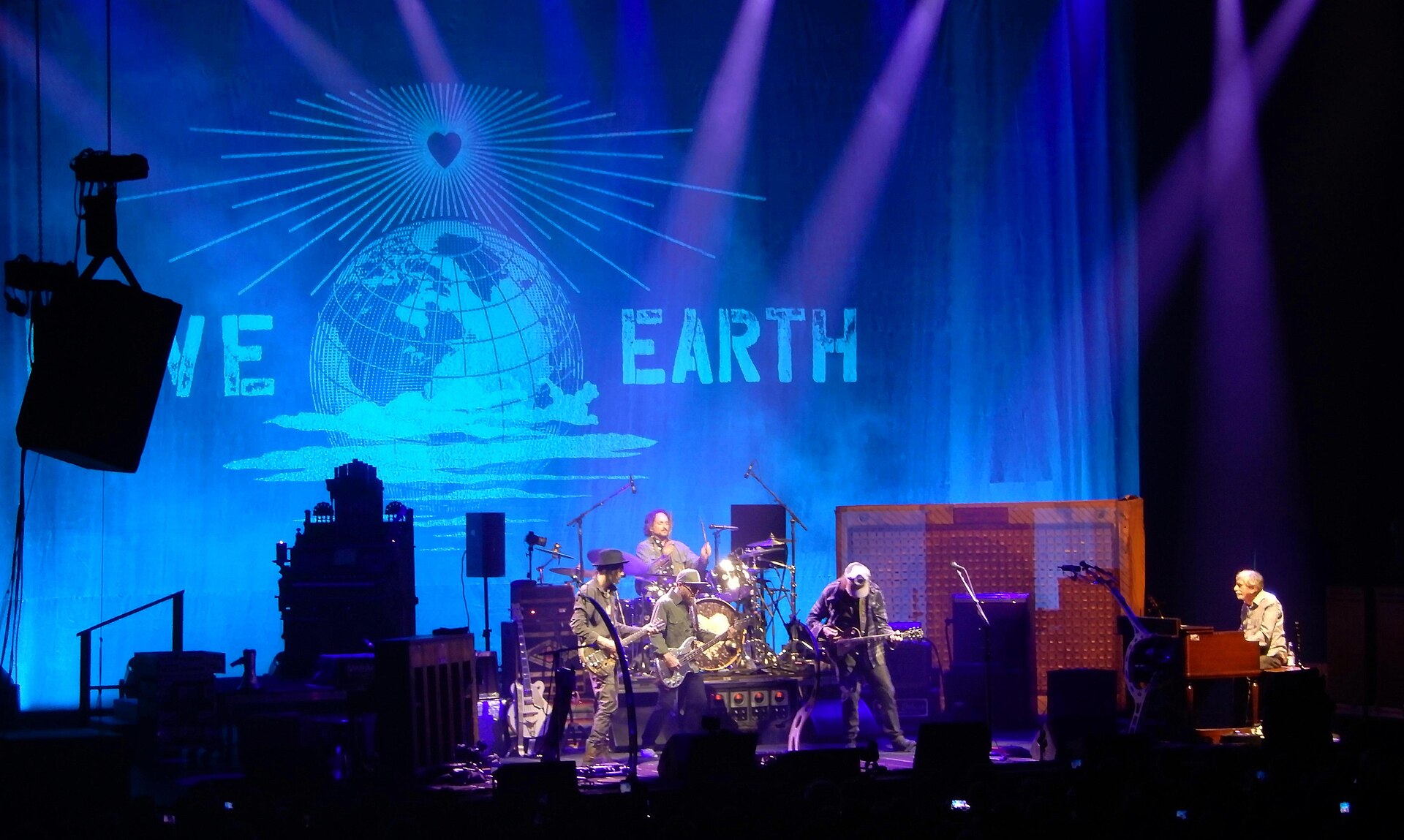
There is a second, quieter contest here: control of a song that has escaped its author. "Rockin' in the Free World" is an anthem whose chorus sounds like a celebration and whose verses are an indictment, and that double meaning is exactly why campaigns reach for it — and why Young, who closed a September show with Willie Nelson by performing it while chanting "Take America Back!", insists the choice of when it plays is his. Nor is he alone in the wider fight: artist-versus-campaign disputes over rally music have recurred for decades, across parties, and each new filing nudges the norm a little further toward artists. A ruling for Young — or another settlement, this time with sharper teeth — would be read closely by every campaign lawyer setting a walk-on playlist for the next cycle, including the operatives currently staging the president's midterm rallies, like the Mississippi event Signal Post News covered in Trump's Corinth rally appearance.
The other side, and what is not yet known
Balance requires saying plainly what the committee has not said. At filing, there was no public response from the Trump 47 Committee, no answer on the docket, and no hearing date. Campaigns in past music disputes — including Trump's own operations — have variously pointed to venue blanket licences, to licensing obtained through intermediaries, or simply stopped using a song without conceding anything; which, if any, of those positions this committee takes is unknown until it responds, and it generally has 21 days from being served to answer or move against the complaint. It is also worth separating the defendants: this is a suit against a fundraising committee over a recording's use at rallies, not a judgment on the president, and the 2020 settlement account comes from Young's own complaint — the committee may tell the story of that dismissal differently when it files. Readers weighing the story should hold both halves at once: a specific, documented, on-the-record allegation with a case number, and an unanswered one.
What happens next
The next step is procedural: service on the committee, then its answer or a motion to dismiss, in a Virginia federal court that neither side chose by accident — plaintiffs file where they expect the law and the docket to move. Three endings are plausible. The committee could settle again, almost certainly with a no-use commitment it would be far costlier to break a second time; it could litigate on licensing grounds and try to establish that rally use of a recording under venue or intermediary licences is lawful, a fight campaigns have historically avoided precisely because a loss would bind everyone; or it could quietly retire the song, deny everything, and let the case fade — the most common ending of all. The midterm calendar adds pressure the 2020 case did not have in the same way: rallies are weekly, the playlist is set now, and every future play of the song while this case is pending would hand Young's lawyers a fresh exhibit. Whatever happens in court, the practical question for the Trump operation is immediate and simple — whether "Rockin' in the Free World" is worth the next headline. For Young, at 80, the lawsuit is one more verse of an argument he has been making since 2015: the song is his, its meaning is his, and a promise is a promise. How campaigns spend on the midterms around fights like this one is part of the money story Signal Post News tracked in the midterm spending race.
Sources
Reuters, "Neil Young sues Trump again over 'Rockin' In The Free World'" (October 26, 2026; complaint details, case No. 3:26-cv-01398, US District Court for the Eastern District of Virginia, Youngstown October 12 rally, $10 million sought, White House no immediate comment). Bloomberg Law, "Neil Young Sues Trump Committee for $10 Million Over Music Use" (October 26, 2026). Consequence, "Neil Young Sues Trump for $10 Million Over 'Rockin' in the Free World'" (October 26, 2026, via Billboard; 2015 and 2020 history, 21-days-to-answer procedure). TheWrap, "Neil Young Files New $10 Million Lawsuit Against Trump Over Rally Song" (October 26, 2026). Variety reporting via Life News Agency (October 26, 2026). Signal Post News coverage of Trump's Corinth, Mississippi rally and midterm spending.