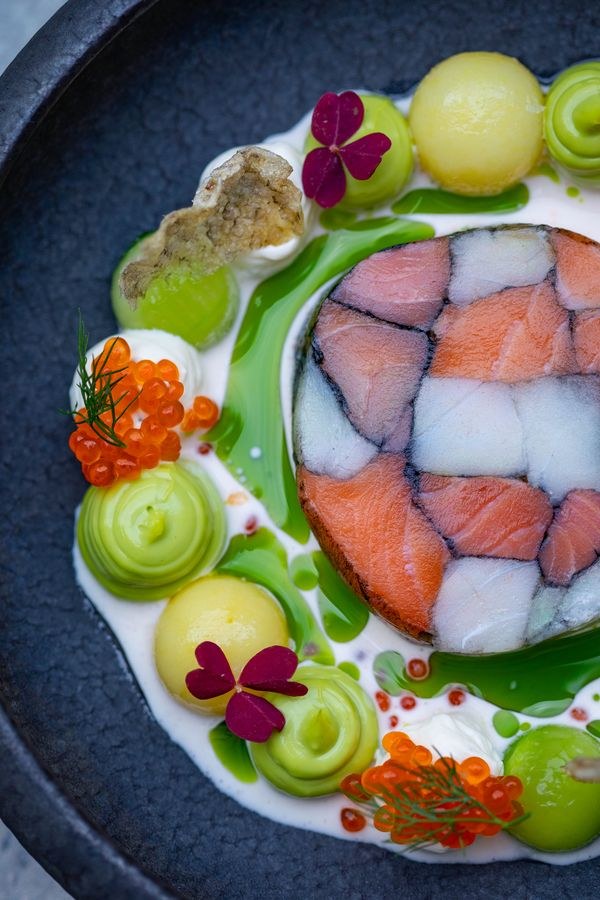
The Michelin Guide 2026 winners in the Netherlands and Vancouver delivered two different milestones this week. Dutch ceremonies added first-time stars and two-star promotions, while Vancouver’s AnnaLena became the city’s first restaurant to hold two Michelin stars.
The Netherlands: two new names at two stars
At the October 5 ceremony in Maastricht, Azurite in Delft entered the guide with two stars and SUIS in Schin op Geul was promoted to two. Seven restaurants received a first star: Nassau in Groningen, Wild Atelier in Hoog Soeren, Roseweed in Kortgene, Bij Sidney in Loenen aan de Vecht, De Cuijt in Mierlo, Ambrosia in Valkenburg and The Epiphany in Veeningen.
The national total stands at 119 starred restaurants, with De Librije retaining the Netherlands’ only three-star distinction in the compiled 2026 list. Nine restaurants lost stars through demotion, concept change or closure, underscoring that the ceremony redistributes attention as well as granting it.
The Dutch result is geographically notable. Groningen’s Nassau returned a star to the city center, while new awards spread across places including Hoog Soeren, Kortgene, Loenen aan de Vecht, Mierlo, Valkenburg and Veeningen. Amsterdam received no new star in this round.
Vancouver: AnnaLena makes city history
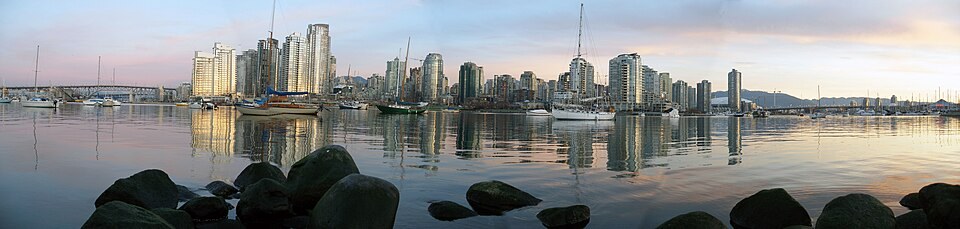
Vancouver’s selection, announced October 6, promoted AnnaLena to two stars — the first restaurant in the city to reach that level. No new one-star restaurants were added. Barbara moved from one star to the Recommended list.
The 2026 guide contains 72 restaurants across 23 cuisine types: one two-star restaurant, ten one-star restaurants, 16 Bib Gourmands and 45 Recommended selections. Kavita joined as a new Bib Gourmand, while Chef’s Choice Seafood Restaurant moved up from Recommended to Bib Gourmand.
Four restaurants — Jay Nok, Jeju, Niwa and Peya — entered the Recommended category. The overall list is smaller than the prior year’s 76, so AnnaLena’s promotion sits inside a selection that became more concentrated rather than broadly expanded.
Why this matters: stars move demand
A Michelin star can redirect reservations, hiring and tourism toward a dining room almost overnight. The award also raises costs and expectations: more staff, more exacting sourcing and greater pressure to deliver the same standard to every anonymous inspector and paying guest.
The guide evaluates product quality, technique, harmony, a chef’s distinctive expression and consistency. It does not claim to rank dining rooms by decor or celebrity. Yet its influence extends well beyond the plate because customers use the symbols as a shortcut when choosing where to spend.
What the two guides say about their cities
The Dutch guide shows depth across a mature national restaurant ecosystem. Two additions to the two-star tier and seven first stars spread recognition outside the largest city. That breadth can support culinary travel beyond Amsterdam.
Vancouver’s story is hierarchy. The city crossed the two-star threshold for the first time, but added no new one-star restaurant. The 72-restaurant list still spans 23 cuisines, while the new Bib Gourmands and Recommended entries highlight value and diversity below the starred tier.
Who wins and who absorbs the pressure
Newly recognized restaurants gain visibility and reservation demand. Suppliers, hotels and nearby businesses can benefit when diners travel for a meal. Demoted restaurants face an unfairly simple public narrative: that a complex operation has declined because one symbol disappeared.
Critics of Michelin point to the opacity of anonymous inspection, uneven geographic coverage and the challenge of comparing casual traditions with formal tasting-menu culture. Supporters argue that repeat anonymous visits and consistent criteria create a rare international benchmark. Both can be true: the guide is influential without being comprehensive.
How to book after the announcements
Readers should expect the newest winners to fill quickly. Join cancellation lists, look for lunch service, and confirm deposits and cancellation terms before booking travel. Bib Gourmands can offer a more accessible path into each city’s dining scene without treating a star as the only measure of quality.
What happens next
The next test is durability. AnnaLena now carries expectations attached to Vancouver’s first two-star title. Dutch newcomers must convert launch-week attention into consistent service over a full year. Restaurants that lost recognition will decide whether to chase restoration, change concept or reject the economics of the star race.
Michelin’s power lies in that reaction. The lists do not merely describe restaurants; they alter demand, staffing and ambition. This week, the Netherlands broadened its map while Vancouver raised its ceiling.
Related coverage
Sources
- Particle — Netherlands 2026 star summary
- Barts Boekje — Dutch winners and special awards
- Noms Magazine — Vancouver 2026 guide
- Miss604 — Vancouver selection and Bib Gourmands
- Destination Vancouver — AnnaLena promotion and new entries
Reporting note: Figures and forward-looking statements are attributed to the cited reporting. Projections and allegations are not presented as completed findings.
Signal Post News analysis is independent and does not take a political, financial or competitive side.