
World food prices are now higher than at any point in nearly four years. The Food and Agriculture Organization of the United Nations reported on Friday that its Food Price Index averaged 136.0 points in September, up from a revised 134.0 in August — the highest reading since November 2022, and 5.8 percent above the level of a year earlier.
The causes are compounding rather than singular. Fears of a severe El Niño weather pattern pushed international sugar prices to an 18-month high, while the war-related collapse of Black Sea trade sent wheat futures to a three-year peak early last month, Reuters reported. On top of that, disruptions in the Strait of Hormuz — now in their seventh month as the war between the United States and Iran grinds on — are snarling the shipping lanes and energy supplies that move food around the world.
"We are seeing a persistent and increasingly broad-based build up in global commodity prices, as disruptions in the Strait of Hormuz and the Black Sea combine with climate shocks, putting pressure on energy, transport and key food commodities," FAO chief economist Maximo Torero said in a statement. "If sustained, these pressures will soon pass through to consumer food prices, especially in food and energy import-dependent countries."
Why this matters
Food is the last line in the household budget. When rents rise, people move; when food prices rise, people eat less well, or less. That is why food-price spikes have a political half-life far longer than the commodity charts suggest — and why this one is arriving at a delicate moment. In the United States, grocery prices are already climbing at an above-average pace, and the USDA's latest outlook projects a 3.2 percent rise this year, with some economists expecting 4 to 4.5 percent — just weeks before the November midterm elections, where affordability is shaping up as the defining issue.
There is a second reason this index reading matters more than the number suggests. The 136.0 print captures international wholesale prices, not what you pay at the checkout. Torero's warning is explicitly about the lag: wholesale pressure passes through to retail with a delay. In other words, the number you see today is a preview of the receipts you will see in the months ahead. When the pass-through lands — and the FAO is unusually direct in saying it will — it lands on households that have already absorbed several years of elevated living costs.
And there is a third, quieter significance. The last time this index stood this high, in November 2022, the world was absorbing the first great shock of Russia's invasion of Ukraine. That shock eventually faded as trade rerouted and harvests recovered. This time the pressures are arriving from three directions at once — war, weather, and shipping — which makes the current spike structurally harder to unwind than a single bad harvest or a single blocked port.
The numbers, decoded
Start with the breadth. The FAO's benchmarks for cereals, sugar, and vegetable oils all rose in September; only meat and dairy fell. That breadth is what Torero means by "broad-based": this is not one commodity misbehaving, it is the food system tightening across categories.
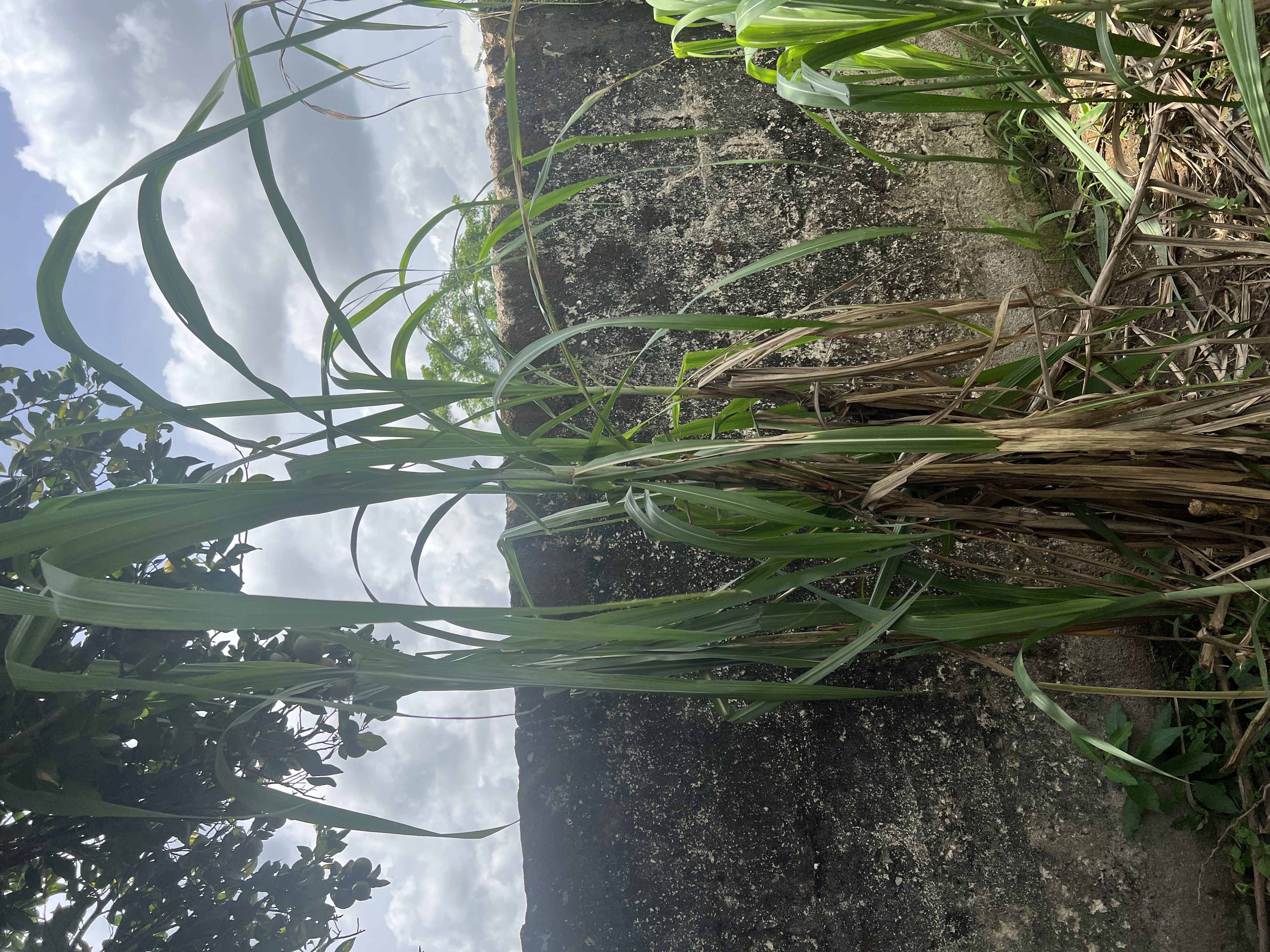
Sugar is the sharpest edge. The sugar price index jumped 6.1 percent from August — its third consecutive monthly increase — to an 18-month high, the highest since April 2025. The Wall Street Journal's breakdown of the FAO data points to a pile-up of supply threats: lower production expectations in Thailand, below-normal rainfall clouding India's crop prospects as El Niño strengthens, heavy rains disrupting the harvest in Brazil's Centre-South region, and declining sugar beet planting in the European Union.
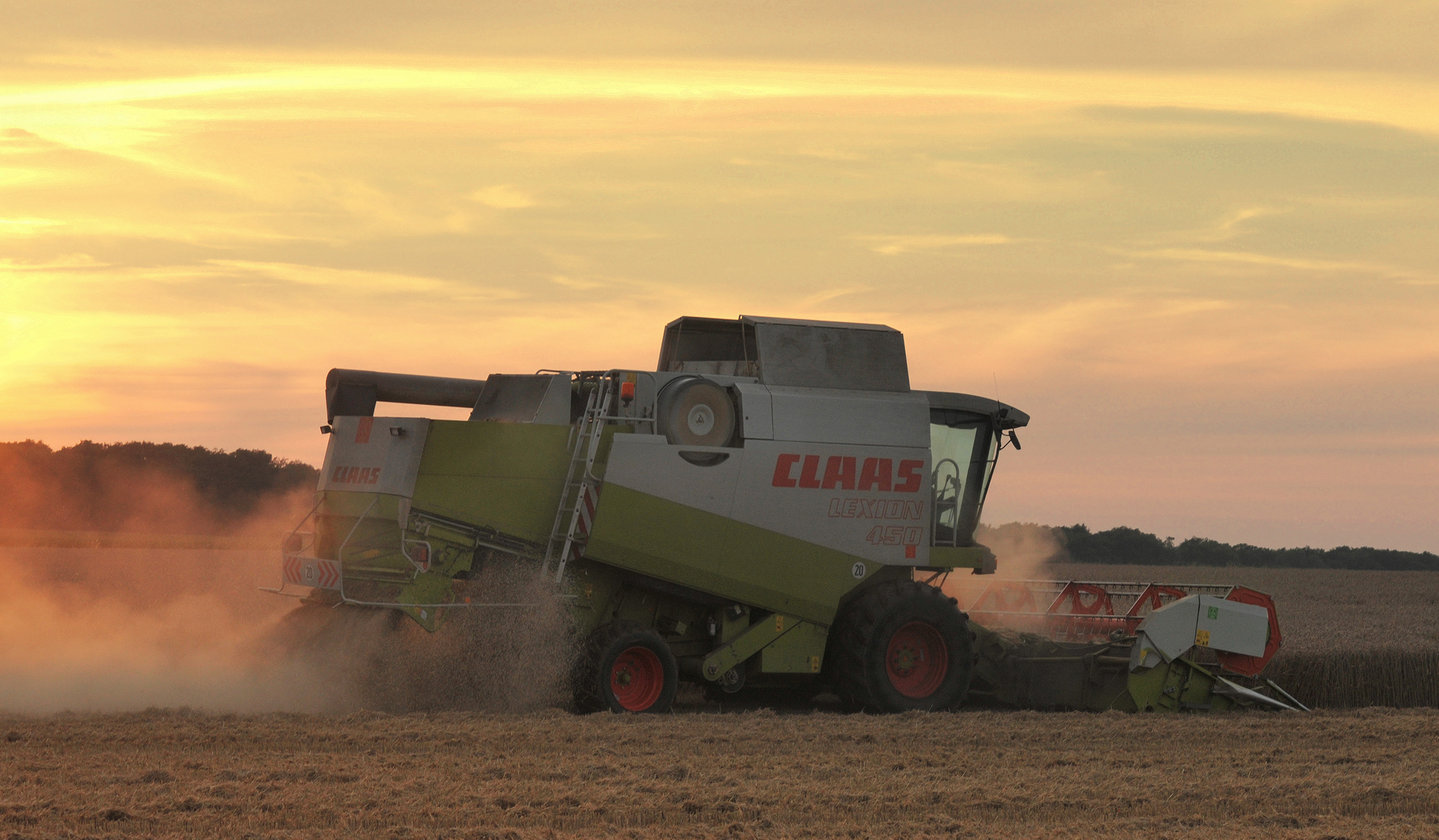
Cereals rose 5.1 percent on the month and now stand 17.2 percent above year-earlier levels. Wheat climbed to its highest since August 2023 on Black Sea trade disruptions and dry weather in parts of North America; maize hit a more than three-year high on lower-than-expected U.S. yields and reduced export availability from Brazil. Sorghum, barley, and rice rose too, with rice supported by weather concerns and seasonally tight supplies. Vegetable oils edged up 0.9 percent on palm oil, where strong demand meets El Niño production risks in Southeast Asia. Meat eased 1.1 percent, led by cheaper poultry — partly, the FAO notes, because new EU import rules dented demand.
Now the important counterweight in the data: the FAO kept its forecast for 2026 global cereal production almost unchanged at 2.979 billion metric tons — 2.1 percent below last year's record peak, but still the second-largest harvest in history. The world is not running out of grain. What it is running out of is cheap, reliable ways to move grain from where it grows to where it is eaten: the agency cut its 2026/27 world cereal trade forecast by 0.7 percent, citing lower wheat and maize export expectations "due largely to constrained Black Sea shipping routes."
How we got here
The last four-year high, in November 2022, was the aftershock of Russia's full-scale invasion of Ukraine, which trapped tens of millions of tons of grain in Black Sea ports and sent wheat prices vertical. A wartime grain corridor briefly reopened the route in late 2022, and prices spent 2023 and 2024 grinding lower as trade found workarounds and harvests normalized.
What changed is that the workarounds are failing at both ends of Eurasia's food map. In the Black Sea, the war-related collapse of commercial trade has returned with force — wheat futures hit a three-year peak early last month. In the Strait of Hormuz, seven months of war between the United States and Iran have disrupted the shipping lanes through which around a fifth of the world's traded oil normally flows, and with it the diesel that runs farm machinery, the fuel that powers container ships, and the natural gas that becomes nitrogen fertilizer.
Layered over both is the weather. A severe El Niño — the Pacific warming pattern that dries out Southeast Asia and Australia while flooding the Americas — is strengthening, and markets are pricing it before it fully arrives: sugar at an 18-month high, palm oil edging up, India's rice crop trimmed by a drier-than-average monsoon, Australia's wheat projected below normal. Add a new Zero Carbon Analytics study, reported by Bloomberg, which mapped food price spikes from 2022 to 2026 and connected all but one of them to unprecedented heat, drought, or rainfall — the phenomenon some economists call "climateflation," the steady ratchet of everyday costs driven by fossil-fuel dependence and extreme weather.
Anatomy of the spike: three engines
Think of September's print as three engines running at once. Engine one is the Black Sea: wheat and maize, the calories that feed the Middle East and North Africa, priced off shipping routes that war keeps narrowing. Engine two is El Niño: sugar, rice, and palm oil, the crops most exposed to a Pacific warming event, with production forecasts already being cut in India, Thailand, Australia, and Brazil. Engine three is energy: the Hormuz disruptions raise the cost of every link in the food chain — diesel for tractors and trucks, bunker fuel for bulk carriers, gas for fertilizer — which is why Torero explicitly names "energy, transport and key food commodities" as a single pressure system.
The interaction matters more than any single engine. Fertilizer made expensive by energy disruptions means smaller plantings next season; smaller plantings mean tighter 2027 supply even if the weather cooperates. Shipping insurance priced for war zones means grain moves, but at a premium that lands hardest on the countries least able to pay it. This is the "persistent" part of Torero's warning: the pressures reinforce each other faster than any one of them resolves.
Who wins, who loses
The winners, such as they are, sit upstream. Farmers in exporting regions insulated from the disruptions — parts of North and South America with strong domestic logistics — sell into higher prices. Commodity traders thrive on exactly this kind of volatility. Countries with strategic grain reserves and diversified suppliers can ride out months of elevated prices without domestic pain.
The losers are concentrated downstream, and they are numerous. Food- and energy-import-dependent countries — much of the Middle East, North Africa, and parts of Asia — face the pass-through Torero warns about with the thinnest fiscal cushions. Within rich countries, the pain is regressive: low-income households spend a far larger share of income on food, so a 4 percent rise in grocery prices is a rounding error for some budgets and a crisis for others. In the United States, the timing sharpens the politics — grocery inflation running hot into a midterm election where voters consistently rank affordability as their top concern. "Food is going to become less affordable, and consumers should be prepared for it," agribusiness professor Ricky Volpe told Inland News Today, putting the USDA's 3.2 percent projection against his own expectation of 4 to 4.5 percent.
The skeptics of alarm deserve their hearing too. The index measures international commodity prices, not retail prices, and the distance between the two is full of contracts, competition, and retailer margins that can absorb part of the shock. Meat and dairy prices fell in September. The coming harvest is the second-largest on record. And governments have tools — export restraint, strategic releases, targeted subsidies — that can blunt pass-through. A wholesale price spike is a warning, not a destiny.
What happens next
The honest answer is that September's print is a fork, not a verdict, and the tines are set by three variables. The first is El Niño's severity: a strong event would validate the sugar market's fears and extend them to rice and palm oil deep into 2027; a weak one would let the weather premium bleed out of prices within months. The second is the wars: any durable reopening of Black Sea shipping or de-escalation around Hormuz would unwind the logistics premium quickly — while escalation would do the opposite, and suddenly. The third is policy: whether big producers like India restrict rice exports to protect domestic consumers, which would export their inflation to everyone else.
Torero himself sketched the dark scenario in an interview with CNN: "My view right now is that we are moving slowly towards a food crisis that will be hitting us at the end of this year, beginning of next year. How deep it is will depend a lot on the additional factor of El Niño." That assessment, he noted, assumes the Hormuz confrontation and the Russia-Ukraine war continue.
What to watch in the coming weeks: India's monsoon aftermath and any move on rice export policy; Australia's wheat harvest as dryness bites; Brazil's Centre-South cane crush; the EU's sugar beet area; and the October FAO print, which will show whether September was a spike or a staircase. For households, the practical takeaway is Torero's: the wholesale pain of September becomes the retail pain of winter. Budget for it now.
Related coverage
- G7 Taps Strategic Diesel Reserves as Fuel Prices Hit Records
- Trump Orders Hormuz Blockade After Islamabad Talks Collapse
- Russia Strikes Liberian-Flagged Cargo Ship at Odesa Port
Sources
- Reuters — Gus Trompiz, “World food prices near four-year high in September, UN says,” October 2, 2026
- The Wall Street Journal — “Global Food Prices Rise as Cereal and Sugar Costs Surge, UN Says”
- CNN — “How El Niño will drive up the cost of foods you love,” October 2, 2026
- Bloomberg via Moneyweb — “Climate change is making these grocery items more expensive this year,” October 4, 2026
- TBS News — “Global food prices hit nearly four-year high in September: FAO,” October 2, 2026
- Inland News Today — USDA food price outlook and U.S. grocery price analysis
- UN Food and Agriculture Organization — Food Price Index, September 2026 (official release)