Instagram Reels views glitch
Reports of disappearing Facebook crosspost totals are making strong Reels look dramatically weaker, but not every stalled view count is a software fault. The evidence points to two different problems that require two different responses.
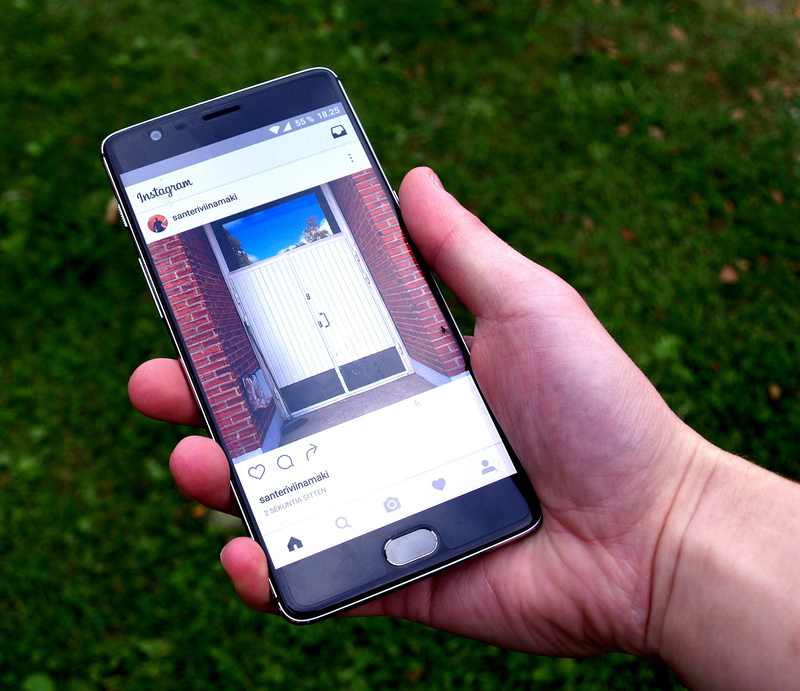
The Instagram Reels views glitch reported by creators can make a successful post appear to lose most of its audience overnight. The clearest documented example is not necessarily a collapse in reach: it is a change in what the public counter displays when a Reel has been crossposted between Instagram and Facebook.
PiunikaWeb reported in November 2025 that some crossposted Reels stopped showing the combined Instagram-and-Facebook total and instead displayed only the Instagram portion. One creator's visible count reportedly moved from about 225,000 to 25,000. That is a 200,000-view difference, or an apparent decline of nearly 89%, without evidence that those views were erased from the underlying audience history.
New complaints circulating among creators in October 2026 resemble that earlier pattern, but Meta has not publicly confirmed a fresh platform-wide Reels-count incident. That distinction is essential. A broken display can understate performance; a distribution system can also stop recommending a Reel after a limited test. The two outcomes look similar on a screen, yet they say very different things about the content.
What is known
- Some creators have reported that crossposted Reels no longer show a combined Instagram-and-Facebook total, sharply reducing the number visible on Instagram.
- PiunikaWeb documented one reported count moving from 225,000 to 25,000 when the Facebook portion disappeared from the displayed total.
- Meta has not publicly confirmed that every current low-view report is caused by the same display problem.
- A Reel can also stall because Instagram's recommendation system tested it with a small audience and did not expand distribution.
- The safest diagnosis compares platform-level analytics, retention, reach sources and the timing of the change rather than relying on one public counter.
Why this matters
View counts are not merely vanity numbers. Creators use them to decide which topics to pursue, which opening seconds hold attention, how often to post and what to show a prospective sponsor. A business may increase production spending after a Reel appears to break out, or abandon a format after the same Reel appears to lose 200,000 views. If the counter is wrong, both decisions can be wrong.
The stakes are higher where reach feeds eligibility and income. Platform programs can use combinations of account standing, follower thresholds, watch time, engagement and eligible plays. Brand agreements may set bonuses or minimum deliverables around views. A reporting fault does not necessarily mean the platform's internal eligibility ledger is wrong, but creators cannot assume the two systems are identical unless Meta says so.
Bad data also changes negotiating power. Advertisers prefer comparable metrics; creators need evidence that an audience actually saw the work. When a combined crosspost number becomes an Instagram-only number without a clear label, neither side can tell whether the audience shrank or the measurement changed. Smaller publishers and independent creators absorb that uncertainty most directly because they have fewer third-party measurement tools.
For newsrooms, a false low can be especially damaging. Breaking stories have a short shelf life. If a team misreads a display problem as weak public interest, it may stop updating a story that is still reaching viewers on Facebook. The inverse is also possible: a combined total can make an Instagram post look stronger than its Instagram-only distribution actually was.
The documented bug: crosspost views can disappear from the total
Crossposting complicates what appears to be a simple number. A Reel can be created on Instagram, shared to Facebook and watched by different audiences on each service. Meta has at times presented those audiences as one combined figure. If the interface later shows only Instagram plays, the total falls even though the historical Facebook plays still occurred.
That is the strongest glitch scenario because it produces a recognizable signature: the visible loss is sudden, the change is concentrated on crossposted Reels, and the missing amount roughly matches Facebook performance. If the creator's professional dashboard or Facebook insights still show the Facebook reach, the evidence favors a presentation or aggregation problem over erased consumption.
The 225,000-to-25,000 report illustrates the scale. The remaining number was about 11% of the earlier total. A content-quality explanation would require an old video to retroactively lose already-recorded plays, which is not how weak recommendation normally appears. Recommendation affects the pace of new views; a reporting defect can alter the number assigned to views that already happened.
Still, an anecdote is not a platform audit. PiunikaWeb's report documents what affected users saw, not a technical disclosure from Meta. The company had not officially explained the crosspost-count behavior in that reporting, and it has not confirmed that the same cause accounts for every complaint now appearing. Creators should preserve screenshots and exports, but avoid presenting an unconfirmed diagnosis as settled fact.
The look-alike: a small test audience that does not expand
Creators also describe Reels that reach a small number of people and then flatten, sometimes with little or no Explore discovery. That can feel like a frozen counter, but it may reflect the recommendation system operating normally. Platforms commonly test a post with a limited audience, examine early signals and widen distribution only when those signals clear an internal threshold.
The important signals are broader than the public view total. Completion rate, rewatches, shares, saves, negative feedback and how quickly people swipe away can all help determine whether distribution expands. A Reel that receives views slowly but continues adding them has a different pattern from one whose already-recorded total suddenly changes. So does a Reel with weak retention and no non-follower reach.
Online creator reports are useful as an early warning, not conclusive proof. Multiple people can experience the same algorithmic test pattern because they publish into similar competitive conditions. Conversely, a genuine platform fault can affect many accounts at once. The evidence becomes stronger when users show before-and-after analytics, identify the same missing surface and reproduce the issue across accounts or devices.
Instagram's recently launched Edits Assistant adds another interpretation layer. The in-app chatbot is designed to explain why some Reels perform better than others by drawing on account signals such as views, likes, shares, comments, follows and retention. That may help with ordinary distribution questions. It cannot, by itself, establish that the counter feeding the analysis is complete when the suspected problem is the measurement layer.
How to tell a reporting glitch from low distribution
Start with the direction of travel. If an established Reel's visible total falls sharply, especially after it was crossposted, a display or aggregation change is more plausible than an algorithm deciding to reduce reach. Recommendation systems can stop adding new viewers; they do not ordinarily make past viewers disappear.
Next, compare surfaces. Look at Instagram's professional dashboard, the individual Reel insights, Facebook's corresponding Reel insights and any downloaded account report available through Meta's tools. A mismatch between a 25,000-view Instagram display and a separate six-figure Facebook count points toward missing aggregation. Matching low figures across every surface point more toward genuinely limited distribution, although delayed reporting remains possible.
Then inspect reach sources and retention. If non-follower and Explore reach are near zero while the counter never rose meaningfully, the post may have failed to move beyond its first test group. If retention and shares are healthy but several dashboards stop updating at the same time, a platform issue becomes more credible. No single signal proves the cause; the combination matters.
Finally, compare posts from the same period rather than one isolated Reel. A simultaneous break across unrelated formats suggests a system event. One weak post surrounded by normally updating posts is less likely to be a broad outage. Creators should wait for the numbers to settle before deleting and reposting, because a repost discards the original engagement and can complicate diagnosis.
Background: Meta has had measurement and service failures before
There is precedent for visible account metrics changing because of a confirmed software problem. On October 31, 2022, Instagram said it had fixed a bug that caused what it described as a temporary follower-number change for some accounts. Reuters reported that the issue appeared during an hours-long disruption and led some users to believe their accounts had been suspended.
There is also precedent for technical failures spreading across Meta's services. During the December 11, 2024 outage, Downdetector received more than 100,000 reports involving Facebook in the United States, along with tens of thousands involving Instagram and disruptions to WhatsApp, Messenger and Threads. Meta publicly acknowledged a technical issue affecting access and later said service was almost fully restored.
Those episodes do not prove the current Reels complaints share a cause. They do establish that account-facing numbers and platform availability can be disrupted independently of a creator's content quality. The responsible conclusion is narrower than “all low views are a glitch”: known faults make a glitch plausible, while the absence of a current technical explanation leaves ordinary distribution as a competing explanation.
The distinction mirrors a broader problem in platform-dependent business. A dashboard presents precise numbers, but creators rarely see the definitions, data pipelines or revision rules behind them. A count can change because of spam filtering, deduplication, delayed processing, cross-service aggregation or an interface update. Without a change log, each revision looks like a verdict on the creator.
What the numbers mean
The 225,000-to-25,000 example is best read as a warning about definitions. If the first figure combines Facebook and Instagram while the second shows Instagram alone, comparing them as if they measure the same thing is invalid. The useful comparison is Instagram-to-Instagram and Facebook-to-Facebook over the same time window.
The outage figure also needs context. Downdetector numbers are user-submitted reports, not a census of every affected account. More than 100,000 Facebook reports demonstrate a large spike in users experiencing trouble; they do not mean exactly 100,000 people were affected. The true affected population can be larger, while duplicate or misclassified reports can also exist.
For a working creator, the best short-term metric is therefore not one public total. It is a small bundle: unique reach by platform, three-second and longer watch measures where available, average watch time, completion rate, shares per reach, follows attributed to the post and the share of reach coming from non-followers. A counter glitch may distort one field while the rest preserve enough evidence to judge the post.
Readers tracking the business consequences can also compare this uncertainty with the broader market pressures examined in our October 7 stock-market analysis. When borrowing costs and advertising budgets tighten, reliable performance data becomes more valuable, not less.
Who wins and who loses
The immediate losers are creators whose work is judged while the measurement is unclear. Independent publishers may underprice sponsorships, abandon topics too quickly or spend time rebuilding a post that was already working. Social-media managers also lose confidence in reports they must explain to clients and editors.
Brands lose clean attribution. A campaign may have reached its audience on Facebook even when Instagram's visible total no longer includes those plays. Paying only against the lower number would shortchange the creator; paying against an unexplained combined number could overstate Instagram-specific performance. Both sides benefit from contracts that name the platform, measurement surface and reporting date.
Meta gains little from ambiguity. Combined counts can make crossposting feel seamless, but an unexplained switch between combined and platform-specific totals undermines trust in both. Clear labels — Instagram views, Facebook views and combined views — would remove much of the confusion even before any underlying bug is fixed.
There can be a limited winner: creators who already maintain separate records and diversified audiences. They are better able to show sponsors what happened and less dependent on one recommendation feed. That resilience matters during unrelated disruptions too, as illustrated by the communication and service risks that accompany major events such as the France school closures and protests.
What creators can do now
Do not delete a Reel solely because its public total fell. Capture the public counter and each available insights screen with timestamps. Record whether the post was crossposted, which account created it and whether Facebook still shows its portion. Export data if the account tools provide that option.
Separate diagnosis from optimization. If historical views vanished, report the suspected display issue through Instagram's help flow and keep the evidence. If the post never moved beyond a small audience, review the opening seconds, retention curve, shares and non-follower reach. Re-editing the hook may help the next post, but it cannot repair missing historical aggregation.
Avoid promising sponsors a number that cannot be reconciled. Provide platform-specific screenshots, disclose that the public combined counter changed and agree on a later reporting checkpoint. Transparency protects both parties without asking either to accept an unsupported claim that the views were lost or that they were all genuine.
What happens next
The clearest resolution would be a Meta status update that identifies which counters are affected, whether Facebook plays remain in internal analytics and whether eligibility or payout calculations use the complete total. Without that disclosure, creators will continue comparing screenshots and trying to infer the measurement rule from inconsistent surfaces.
In the near term, the pattern to watch is whether older crossposted Reels recover their combined totals or receive clearer labels. A restoration would support the display-glitch explanation. If only newly posted Reels remain low while old totals stay intact, recommendation dynamics become the stronger possibility.
The larger lesson is not that every disappointing number should be dismissed as a bug. It is that creators should not let one opaque counter make the entire editorial decision. Document the change, compare platform-specific data, wait for delayed reporting to settle and judge the work on a consistent set of measures.
Until Meta provides a current technical explanation, the fairest reading is conditional: some dramatic drops can be explained by missing Facebook crosspost views, while some flat Reels are simply not being distributed beyond the initial test audience. Treating those as separate cases is more useful than blaming either the creator or the platform before the evidence is in.
Sources
- PiunikaWeb — creator reports about Facebook crosspost views disappearing from Instagram totals, November 20, 2025.
- Reuters — Instagram's October 31, 2022 follower-count bug and outage response.
- Android Central — Downdetector totals and Meta's public statement during the December 11, 2024 outage.
- PetaPixel — Edits Assistant launch and the account signals it analyzes, October 1, 2026.
- Lilach Bullock — overview of reported zero-view and stalled-distribution patterns.