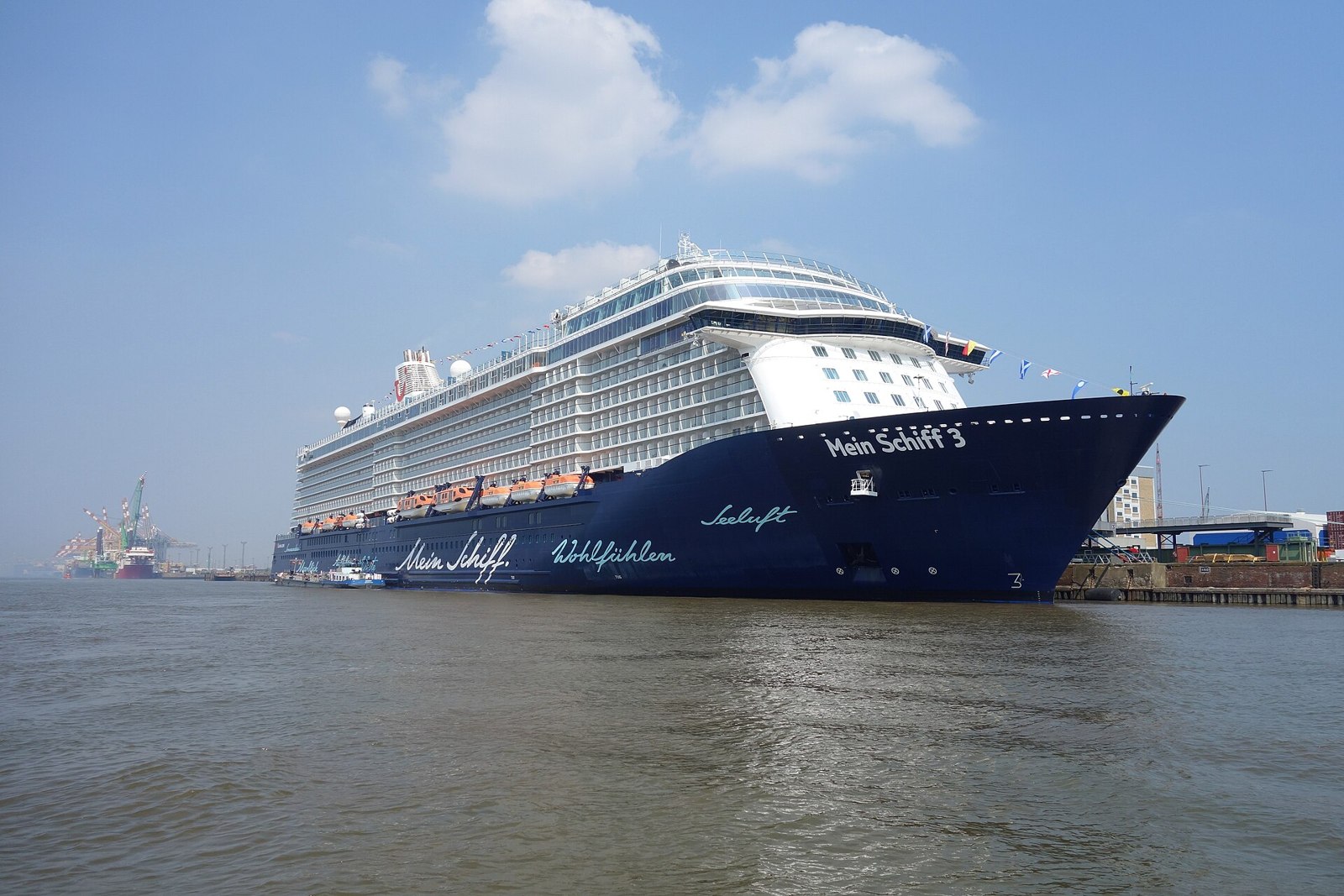
The Mein Schiff 3 collision lasted seconds, and it ended 2,428 holidays before they had properly begun. On Sunday evening, the 293-metre TUI Cruises liner — 2,428 passengers and 922 crew aboard — cast off from Bremerhaven's Columbuskaje at about 5:10 p.m. to start a 20-night round trip to the Canary Islands. Roughly twenty minutes later, passing the container terminal in the gusting winds of storm Manja, the ship was pushed sideways despite the tugs assisting her, and ground along two docked container ships. By Monday morning, TUI Cruises had cancelled the voyage outright: the ship needs a shipyard, not a sea day. Nobody was injured — the single most important fact in the story — but the footage, verified by the German Press Agency (dpa) and shared around the world within hours, shows how little say even a 99,526-ton ship has when the wind decides to move it.
What happened at the Stromkaje
The sequence, as the Maritime Executive, Baird Maritime and Splash 247 assembled it from Bremen police and port statements, is short and brutal. Mein Schiff 3 — Malta-registered, built in 2014 — departed the Columbuskaje passenger terminal on schedule at about 5:10 p.m. on Sunday, October 25, and held off the pier before starting her exit from the harbour, tugs alongside and a heavy swell running in the port. As she passed the container terminal near the Stromkaje quay at around 5:30 p.m., strong gusts from storm Manja caught her. The Nordsee-Zeitung reported that the wind prevented the cruise ship from making headway and that the assisting tugs could no longer push her clear. She made contact with the docked container ship MSC Victorine — and, police said, a second, smaller vessel was involved as well. Video shot from the shore shows the enormous hull moving sideways toward the moored ships at walking pace, which is precisely what makes it so hard to watch: everything is slow, everything is visible, and there is nothing anyone on any of the bridges can do to stop 99,526 tons once the wind owns them.
The damage, ship by ship
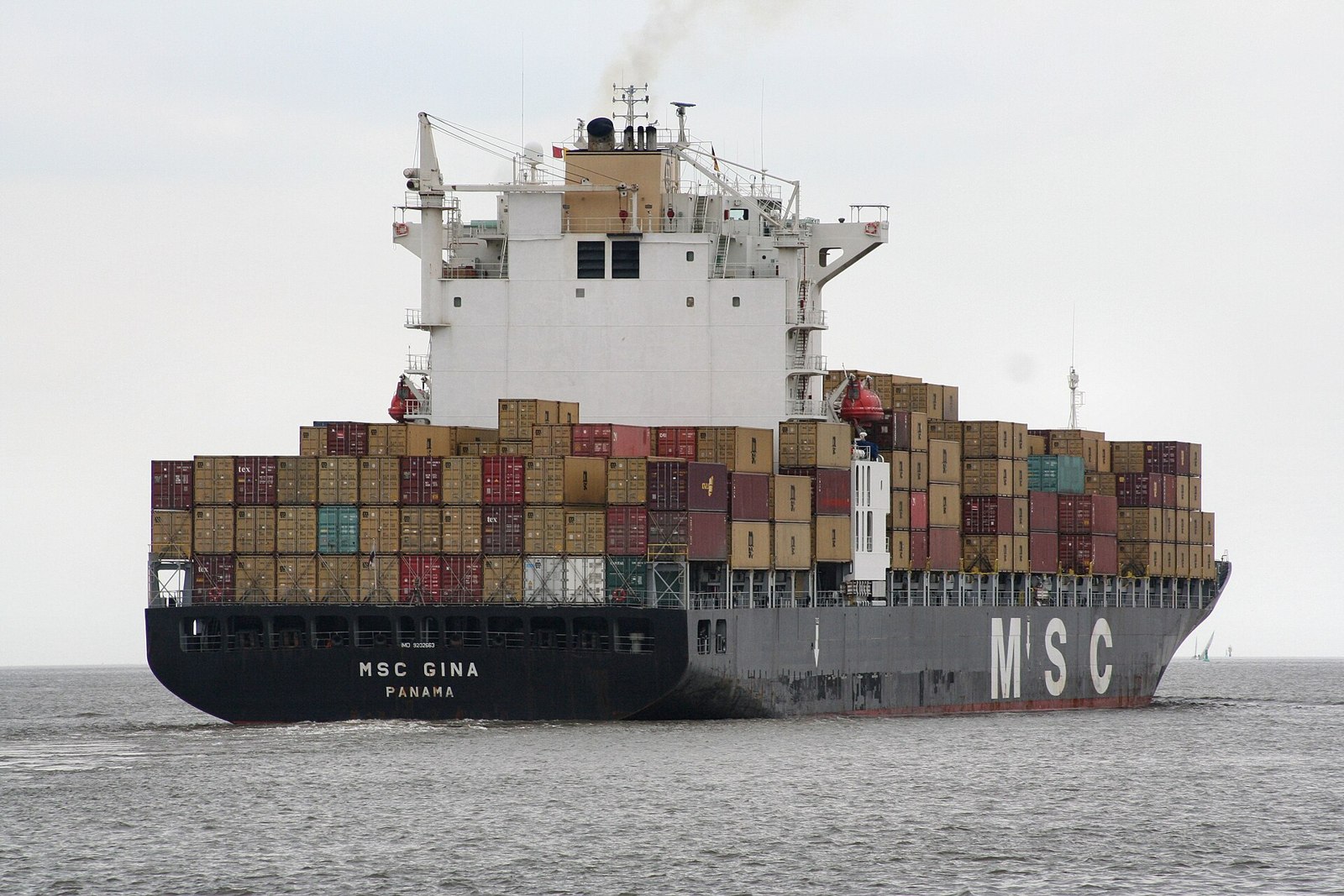
MSC Victorine took the worst of it: a tear approximately 10 metres long in her side, a figure first reported by the Nordsee-Zeitung and later confirmed by Bremen's ports department, which added the reassuring detail that there was no water ingress aboard any of the affected ships. The second vessel, the 964-TEU feeder MSC Anne F — Portuguese-registered, arrived from Tangier on October 24 — sustained minor damage, according to police; it remains unclear whether the cruise ship struck her directly or she was damaged in the knock-on. Mein Schiff 3 herself shredded several of her externally mounted lifeboats along the contact side, and Tagesschau reported that two of the assisting tugs were also damaged. All three vessels were initially prohibited from leaving the harbour while specialists assessed them, and Bremen's water police opened an investigation. Passengers were allowed to remain aboard Mein Schiff 3 overnight while the damage was examined. On Monday, October 26, the verdict arrived: the damage requires shipyard repairs, the 20-night voyage — Lisbon, Funchal, Tenerife and Agadir among the calls, returning November 14 — would not continue, and passengers who had boarded for three weeks in the Canary Islands sun were told to make arrangements to go home instead.
Why this matters
A modern cruise ship is, among other things, a sail. Stack ten-plus decks of balconies and glass on a 293-metre hull and you have built one of the largest wind-catching surfaces that moves — and harbour manoeuvring is exactly where a ship is least able to argue with the weather. At departure a liner is travelling at a few knots, when her own propulsion and rudder give her the least control authority, which is why tugs attend her in the first place. Sunday's collision is a clean demonstration of the limit of that system: the tugs were there, the tugs were pushing, and a gust still won. That is not an accusation — Bremen's water police have established no cause and have not apportioned blame, and strong gusts were reported across the port that evening. It is a physics problem that every port on an exposed coast plans around, usually successfully: thousands of tug-assisted departures happen in bad weather every year without incident, which is why the rare failure becomes global footage within the hour. The consequences radiate quickly. A cancelled 20-night sailing strands 2,428 passengers' plans, forces a shipyard slot to be found for a damaged flagship in mid-season, puts her next scheduled departure — a 14-night cruise on November 14 — under a question TUI had not answered as of Monday, and leaves investigators to reconstruct wind data, tug communications and engine orders minute by minute. One gust, twenty minutes into a voyage, becomes weeks of consequence.
The storm weekend around it
Manja was not the only weather system making news this weekend. The same days brought Storm Boelo's amber-warning landfall in France, with power cuts and transport chaos, and, on the other side of the Atlantic, king tides flooding the California coast under a local emergency in Newport Beach. Autumn storm season on Europe's North Sea coast is the background every Bremerhaven departure is scheduled against; what made Sunday different was not the existence of the storm but the precision of the gust — at the one moment, in the one confined stretch of water, where a sideways drift of a few metres was the difference between a routine departure and a cancelled season. Bremerhaven's Columbuskaje is one of Germany's principal cruise gateways, and Mein Schiff 3 is no marginal vessel: she is a mainstay of TUI Cruises' fleet, a joint venture brand that carries hundreds of thousands of German holidaymakers a year. Incidents like this are the reason ports keep movement logs, weather thresholds and tug requirements under constant review — and why investigators, not highlight reels, will have the last word on whether Sunday's thresholds were the right ones.
Both sides
There is one factual discrepancy in the record, and it is worth stating plainly rather than smoothing over. TUI Cruises confirmed a collision with one container ship. Bremen police reported that three ships were involved — the cruise ship and two container vessels. The two accounts are reconcilable if the second feeder, MSC Anne F, was damaged lightly enough that the operator's statement counted only the significant contact, but as of Monday neither side had published a fuller accounting, and the water police investigation — not the press statements — is where the count will be settled. What no party disputes: the storm conditions, the tug assistance, the absence of injuries, the absence of water ingress, and the cancellation. TUI expressed regret over the cancelled voyage and the disruption to passengers; it had not, in the reporting available at publication, detailed compensation or rebooking terms, nor said when Mein Schiff 3 will return to service.
What happens next
Three clocks are now running. The investigators' clock: Bremen's water police will reconstruct the departure — the wind readings at the Stromkaje around 5:30 p.m., the tug masters' account of when they lost the ability to hold her, and the bridge team's decisions — and their findings will decide whether Sunday was weather alone or weather plus a judgement call. The shipyard's clock: until the lifeboat damage and any hull survey are fully assessed, neither the length of repairs nor the fate of the November 14 sailing can be known, and 2,428 disappointed passengers will be watching TUI's announcements for the rebooking and refund terms that had not been published in the chains reporting the collision. And the industry's clock: every viral harbour collision reopens the quiet argument about wind limits for very large passenger ships in confined ports — whether thresholds should tighten as ships grow taller, and how much schedule pressure a storm-season departure should ever carry. None of those arguments will be settled this week. But the next time a 300-metre liner edges out of a North Sea port into a rising gale, someone on a bridge or a tug will be thinking about Bremerhaven — and about how slowly, and how unstoppably, it all went sideways.
Sources
Reporting based on: The Maritime Executive, "Cruise Ship Damaged as It Hits Containership Departing Bremerhaven," October 26, 2026 (99,526 GT, 2,428 passengers and 922 crew, 5:10 p.m. departure, tugs and swell, police citing strong storm winds, ships detained); Baird Maritime, "Cruise ship collides with two container vessels in Bremerhaven," October 26, 2026 (10-metre tear per Nordsee-Zeitung confirmed by Bremen's ports department; lifeboat damage; two tugs damaged per Tagesschau; MSC Anne F identified; TUI statement and passenger/crew counts); Splash 247, "TUI cruise ship strikes containership in storm-hit Bremerhaven," October 26, 2026 (no injuries, passengers remained aboard overnight, November 14 sailing unchanged as of Monday morning; follow-up October 27: voyage cancelled as damage requires shipyard repairs); Tagesschau, NDR and TUI Cruises statements as aggregated by NJ Radar Online, October 26, 2026 (dpa-verified footage; Monday announcement that the voyage would not continue and passengers were instructed to arrange their return). Police statements are Bremen water police as reported in the chains above; the investigation's cause findings had not been published at the time of writing.