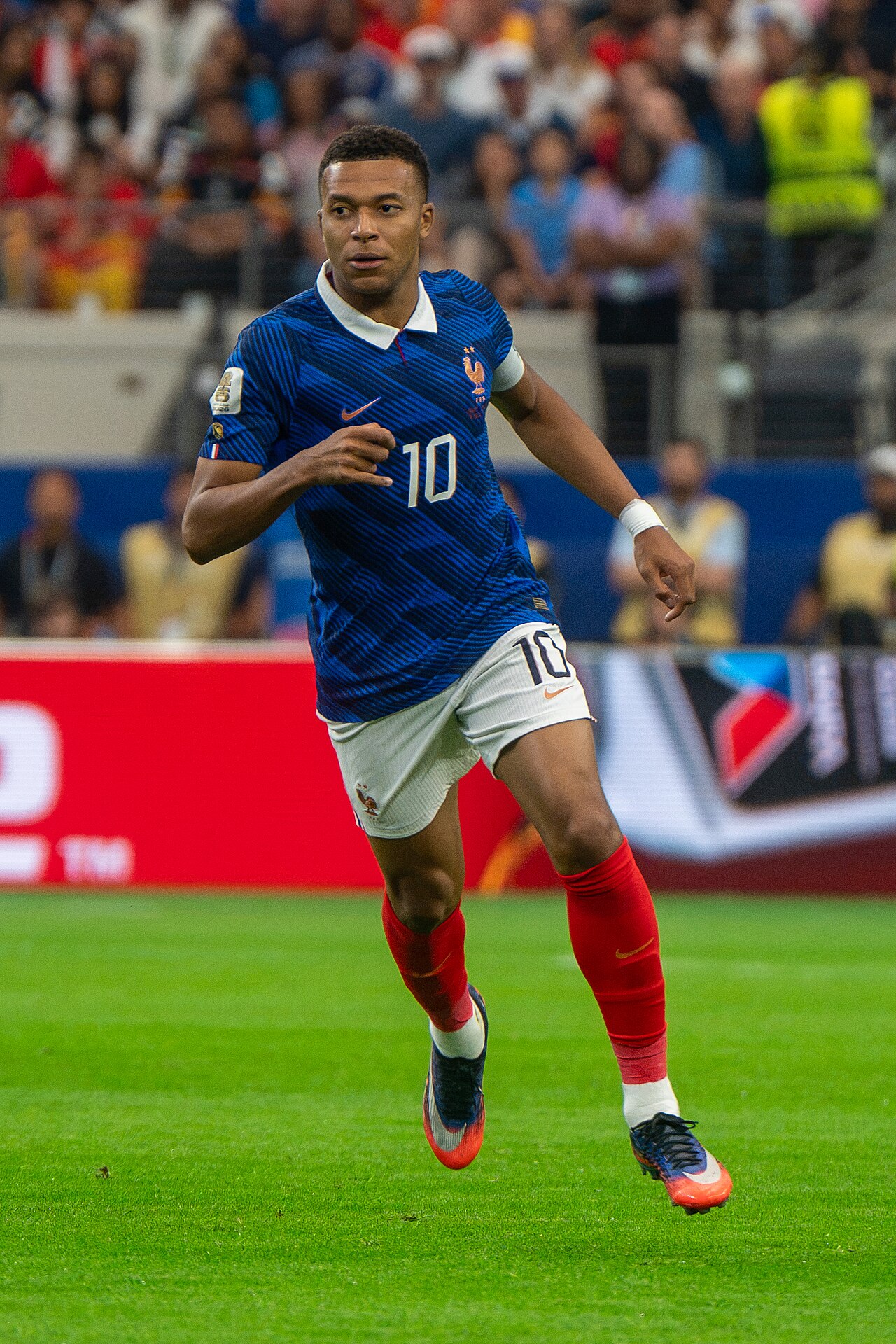
Kylian Mbappé apologized to China on Tuesday after a throwaway joke about a meme cost him three Chinese sponsors in a single day, got Spanish football broadcasts suspended in the world's largest television market, and forced his league to apologize alongside him. The Mbappe apologizes China Mao remark story began with a clip from the French online talk show “The Bridge,” in which the Real Madrid and France forward was asked about his favourite meme of himself. His answer — a video of “a guy … I think he was a Chinese dictator,” shown with an altered image of his own face on the blue-suited body of Mao Zedong — set off a backlash that moved faster than almost any sporting controversy this year.
“My comment was ill-judged, and I now understand that it hurt many people in China and in Chinese communities around the world,” Mbappé said in a statement on Tuesday. “I apologize to everyone my words have upset. This was absolutely not my intention. I have deep respect for the Chinese people and their history, and I am sincerely sorry.” By the time the apology appeared, beverage maker Dongpeng, dairy giant Mengniu and cheese maker Milkground had each announced, in similarly worded statements, that they were ending their agreements with him, saying they oppose “any words and actions that hurt national sentiment.”
What happened, hour by hour
The clip circulated on X after Mbappé appeared ahead of the French online talk show “The Bridge.” In it, he is asked about memes of himself — football fans online jokingly call the star, who is said to overshadow teammates and even his own teams, a “dictator,” and memes placing his face on Mao and other autocratic leaders are widely shared. Mbappé laughed about one of them and described its subject as, he thought, a Chinese dictator. Reuters reported that it had not been able to authenticate the video; the Associated Press reported the clip as appearing to show the interview, and Mbappé's own apology on Tuesday addressed “a recent interview” in which he “reacted to an image of myself.”
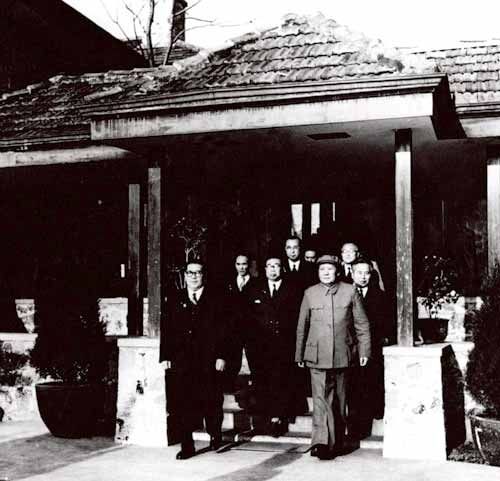
In China, jokes about Mao — the revolutionary who led the Communist Party to victory in the civil war, founded the People's Republic of China in 1949 and ruled until his death in 1976 — are treated as a serious taboo, and the reaction was immediate. Hashtags reading “Dongpeng ends partnership with Mbappé” and “Several brands end partnerships with Mbappé” topped Weibo's trending list, and “Football fans boycott Mbappé” trended alongside them, with users telling him not to come to China. China's Ministry of Foreign Affairs spokesperson Guo Jiakun, asked about the controversy, said that “words and actions that hurt the feelings of the Chinese people will naturally be met with joint opposition from all sectors of Chinese society.”
Then the consequences widened beyond one player's endorsements. China Media Group, the state broadcaster conglomerate, said it had suspended broadcasts of matches in Spain's La Liga and other games featuring Mbappé, and had removed advertisements featuring him; it demanded an apology from Mbappé and from his club, Real Madrid. The social platform RedNote said a content partnership with Mbappé had ended on December 31, 2024, that it would “remove related promotional materials,” and that it opposed “any conduct that hurts national sentiment”; his RedNote account was banned from accepting new followers on Tuesday. His face, until this week, was on advertising across China — from subway stations to inside elevators, in a Dongpeng commercial in which he delivers a slogan in Chinese and a Mengniu advert alongside Lionel Messi.
La Liga apologizes too
La Liga moved quickly to protect its television business in China. The league said it “deeply regrets the offense caused to Chinese fans by Kylian Mbappé's recent comments,” stressed that the remarks “were made in a personal capacity and do not represent La Liga,” and said it would create a “communication protocol” for players and clubs, working with stakeholders in China to prevent a repeat. That is a striking step: a league apologizing for a joke one of its players told on a podcast in another country, in a language other than Spanish, about an internet meme.
Why this matters
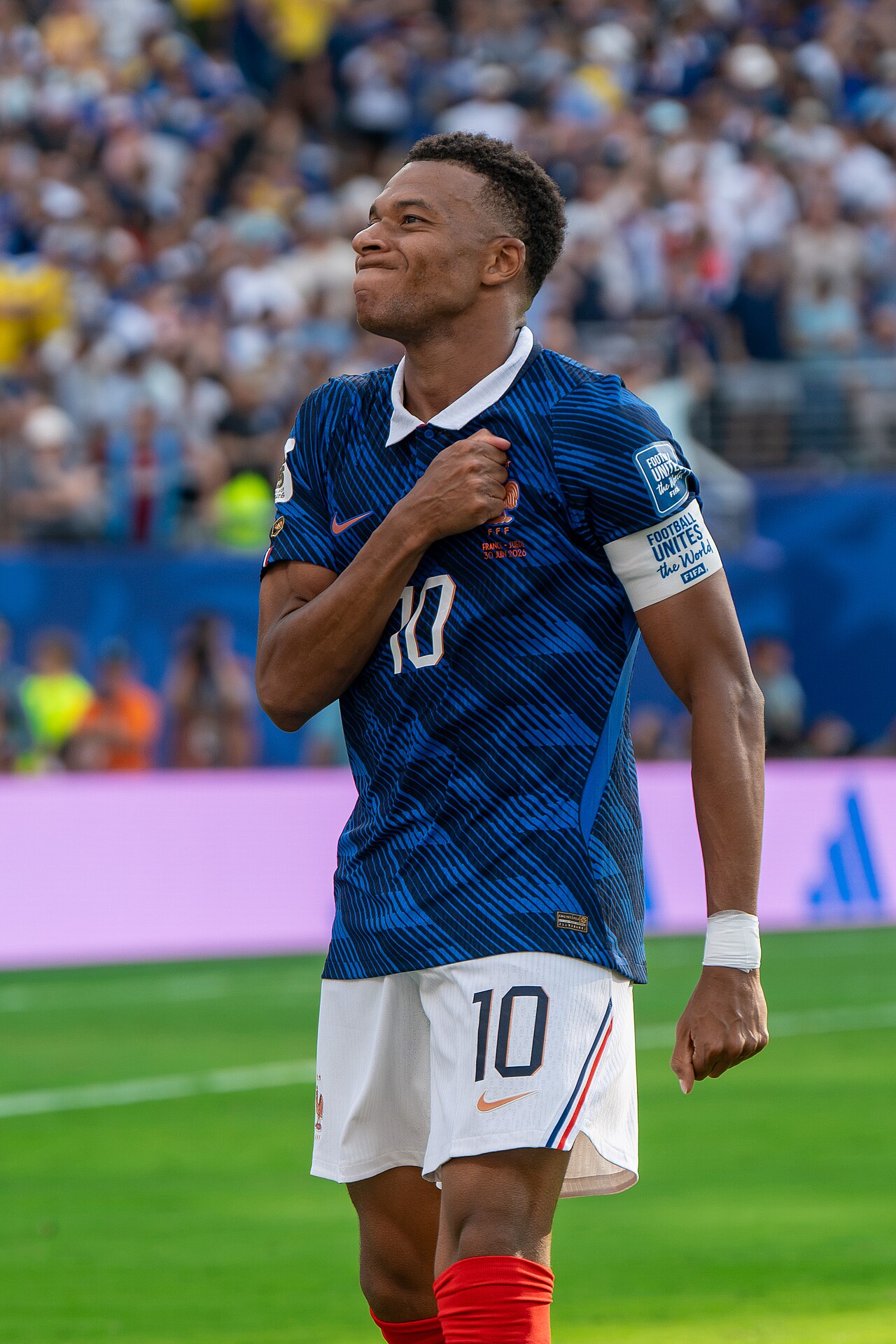
This is not really a story about a meme. It is a story about where the money in modern football comes from, and how quickly it can move. China is not a peripheral market for European football: it is a core broadcast and sponsorship territory that La Liga, Real Madrid and Mbappé himself have spent years and considerable effort cultivating — the player fronting drink, dairy and cheese campaigns, speaking Chinese in commercials, building a following on Chinese platforms. A single sentence, offered as a joke, put all of that at risk in less than a day, and the speed of the exits — three brands, a broadcaster, a social platform, a foreign-ministry response — shows how rehearsed this machinery now is on all sides.
There are precedents, and they are not encouraging for anyone hoping this blows over quietly. The NBA lost Chinese broadcasts and sponsorships for years after a single executive's tweet about Hong Kong in 2019. Dolce & Gabbana's China business was damaged for years by an advertising campaign and leaked messages in 2018. In each case the pattern was the same: a remark made for a home audience, a rapid, coordinated commercial withdrawal, an apology that was necessary but not sufficient, and a long, quiet rebuild. Mbappé's apology came within a day, which is faster than in most earlier cases — but the demand from China Media Group was addressed to Real Madrid as well as to the player, and at publication time the club itself had not been reported to have issued the apology the broadcaster asked for.
The other side of the argument deserves stating plainly, because it is being made across European football. Mbappé did not make a speech about China, its government or its history; he laughed at a meme about himself — a meme format that casts him, not Mao, as the joke's target, playing on his reputation for dominating his own teams. Supporters making that case say a personal, joking remark in a podcast interview is being treated as a political statement, and that the punishment — lost livelihood deals, a league-wide broadcast suspension affecting 20 clubs and millions of fans who had nothing to do with it — is collective in a way that goes well beyond one player's words. La Liga president Javier Tebas made a version of that point while still apologizing: a relationship built over many years, he said, should not be damaged by a single episode. Both readings can be true at once: the remark was careless about a figure revered by many in China, and the response was a demonstration of economic leverage as much as of offence taken.
What the numbers say
Count the cost in the only currency this story trades in. Three endorsement deals ended in one day. One national broadcast suspension now covers an entire league's matches in China, not just Real Madrid's. One social account, built as a bridge to Chinese fans, can no longer accept followers. And the timing could hardly be worse for the player personally: the apology landed the morning after the Ballon d'Or — the game's biggest individual prize — was decided, a race in which Mbappé was a leading contender, and days after his brace decided El Clásico against Barcelona. On the pitch, this is the best week of his season. Off it, it is suddenly the most expensive.
What happens next
Three things will decide how large this becomes. First, whether Real Madrid issues the apology China Media Group demanded — a club statement would likely be the price of the broadcast suspension being lifted, and the club has the most to lose if Chinese coverage of La Liga stays dark. Second, whether more of Mbappé's Chinese commercial partners follow Dongpeng, Mengniu and Milkground; brand exits in these episodes tend to arrive in waves over several days, not all at once. Third, whether the apology is accepted at face value in China: the foreign ministry's formulation — joint opposition from “all sectors of Chinese society” — leaves the door open without closing it, and earlier cases suggest a period of quiet, no China-facing appearances, and visible respect gestures will be expected before the commercial relationship is rebuilt. For now, the lesson for every global sports star is the blunt one this week taught: there is no such thing as a remark made only to your home audience any more.
Sources
Associated Press via TSN and CNN, “Soccer star Kylian Mbappé apologizes for remark about ‘Chinese dictator’,” October 27, 2026 (brand statements, China Media Group broadcast suspension, La Liga statement, foreign ministry response, RedNote action, Weibo trends). Reuters via Business Day, “Mbappe apologises to China for ‘ill-judged’ Mao meme comments,” October 27, 2026 (including Reuters' note that it had not authenticated the video). The Times, “Kylian Mbappé apologises for mocking Chairman Mao,” October 27, 2026. BBC News, “Mbappé sorry for ‘ill-judged’ Mao remark after backlash in China,” October 27, 2026. Related Signal Post News coverage: Mbappé's brace decides El Clásico and the 2026 Ballon d'Or race.