Technology / Selangor — Malaysia homegrown chips AiSEM Selangor became more than a slogan this week, as six locally designed chips were launched at an event reporting US$105 million in potential deal value.
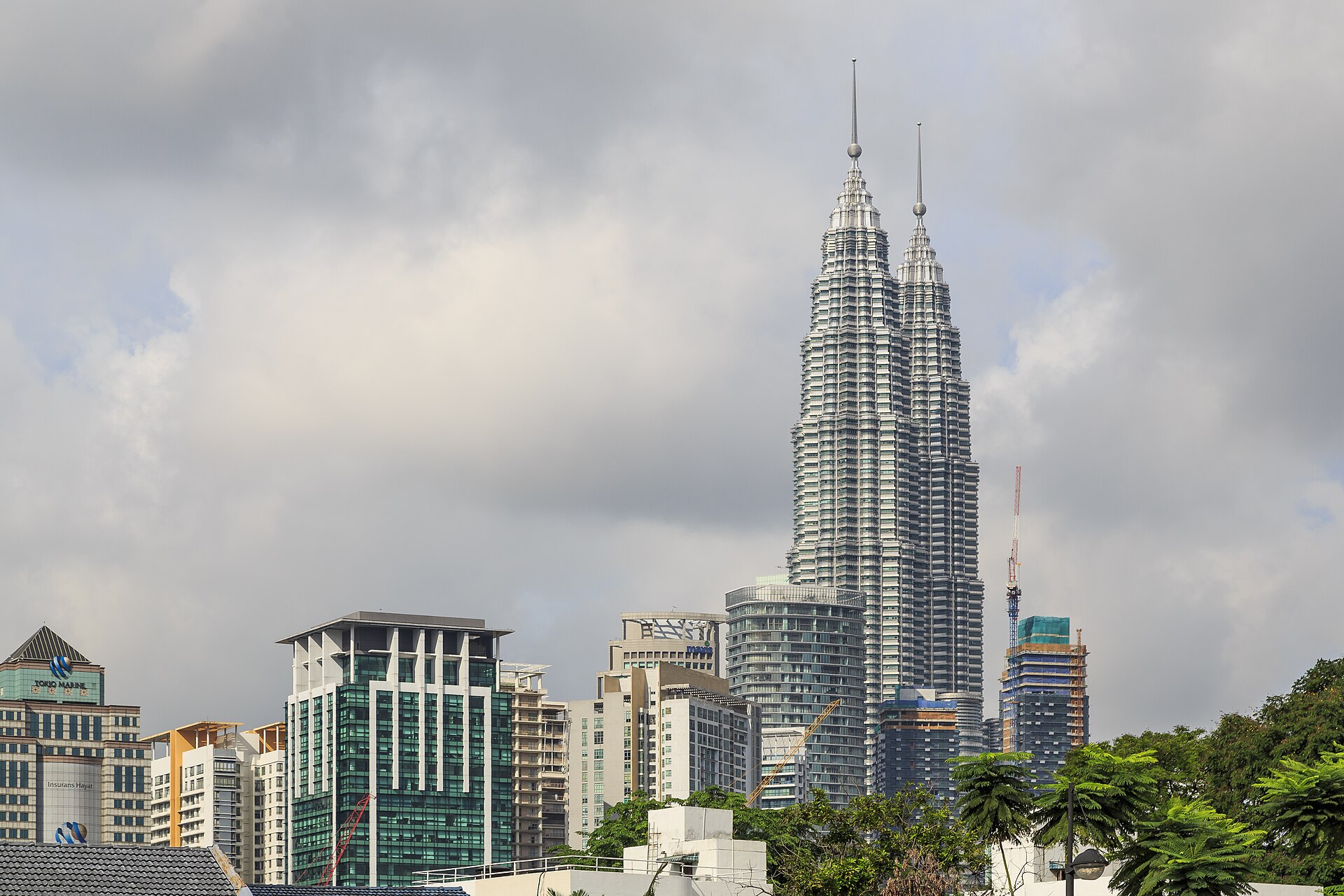
The Malaysia homegrown chips AiSEM Selangor story is, at its simplest, a country trying to change its job description. For decades Malaysia has been trusted to assemble, test and package other companies' semiconductors. At AiSEM@Selangor 2026, officials presented a different ambition: Malaysian companies designing the chips themselves, owning more of the intellectual property and capturing more of the profit that comes with it.
Digital News Asia reported that the event closed with US$105 million in potential gross merchandise value, or GMV. That wording matters. Potential GMV is pipeline value — business organisers believe the contacts and agreements could generate — not revenue earned and not signed sales banked.
Six chips, six different bets
On October 16, Selangor Menteri Besar Amirudin Shari and Economy Minister Akmal Nasrullah Mohd Nasir launched six homegrown chips from companies at the Malaysia Semiconductor IC Design Park, according to Digital News Asia. Together, the six were linked to about RM300 million of that potential GMV. At the rate cited in the reporting, RM1 equals about US$0.24, so RM300 million is roughly US$72 million — a large share of the event's US$105 million total, concentrated in its headline launches.
The six were not copies of one another. SkyeChip unveiled the MARS1000, an edge AI processor intended to run artificial intelligence closer to where data is created, rather than sending everything to a distant data centre. MaiStorage presented aiDAPTIV, an AI acceleration platform. SiliconX showed an FPGA chip — a reconfigurable device that customers can adapt after manufacture. Infinecs introduced Maxwell, an automotive low-dropout regulator, a small but essential power component for vehicles. Weeroc Space launched the WSP-PCG01, a gallium nitride power ASIC, and Alphaswift presented the FC Mini, a flight controller.
Read together, the list is revealing. Malaysia is not betting only on competing head-on with the largest general-purpose AI processors. It is targeting niches — edge computing, automotive power, aerospace, drones and configurable logic — where a smaller design team can win customers without first building the world's most advanced factory. That is a more plausible entry point, though plausibility is not the same as market success.
The deals behind the headline
The event opened on October 15, officiated by Deputy Finance Minister Liew Chin Tong, with Selangor state executive councillor Ng Sze Han also taking part, Digital News Asia reported. Twelve collaborations — memorandums of understanding and memorandums of collaboration — were exchanged, worth an estimated US$16 million, or RM65 million, across talent development, chip fabrication, robotics and AI computing.
Those two figures need context. US$16 million in collaboration value is about 15 percent of the US$105 million potential GMV headline. Neither number is audited revenue. Memorandums can lead to fabrication runs, hiring and paid work, but they can also stall when budgets, technical milestones or customer demand change. The honest test will come later: how many collaborations convert into purchase orders, tape-outs, repeated production and export sales.
The programme tried to build that pipeline beyond the chip launches. The Selangor Triple Accelerator Programme held its Grand Final on October 14 at KLCC, with 24 finalists drawn from 90 startups and 12 winners named. Each track champion — in Deep-X, Retail-X and Token-X — received RM20,000. RM20,000 is about US$4,800 — recognition money, not scale-up capital.
Speakers added international weight. The line-up reported by Digital News Asia included Chiang Shang-yi, a former TSMC executive vice-president and co-chief operating officer, Robert Li of Synopsys, Jeehoon Kang of FuriosaAI and Umar Shah of AWS. Their presence signals that Selangor wants to plug local designers into global tools, cloud infrastructure and manufacturing experience, rather than pretend design can thrive in isolation.
Why this matters
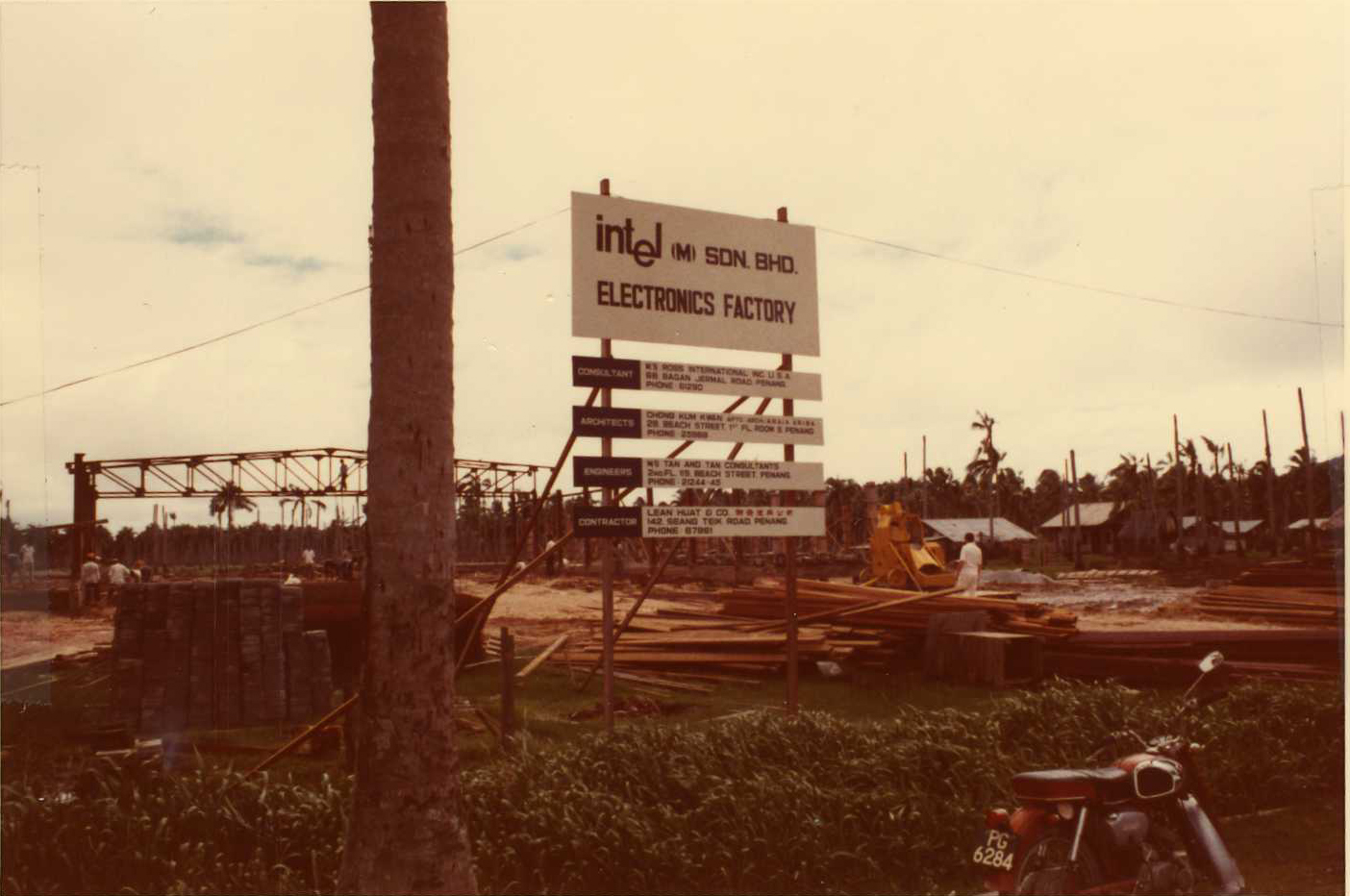
Why this matters is the value chain. Assembly and testing create jobs and export volume, but the highest margins in semiconductors usually sit upstream in design and intellectual property, and downstream in platforms and systems. A country that only handles the middle steps remains vulnerable: customers can move volume to a cheaper location, while the designs — and the decisions — stay elsewhere.
Penang's decades-old role gave Malaysia credibility, skilled technicians and supplier networks. That history is an asset, not a trap. Yet moving into design changes the skills required. A design park needs experienced chip architects, verification engineers, access to expensive electronic design automation tools, intellectual-property libraries, and customers willing to trust a first or second product. A chip can take years to reach reliable production, and one failed revision can consume a start-up's runway.
There is also a geopolitical dimension. As the United States, China and their partners reorganise supply chains, governments across Asia are offering incentives for any credible piece of the semiconductor map. Malaysia already has relationships with American, European and Japanese firms. Homegrown design gives it something additional to offer: not just a safe place to make chips, but local companies that originate products.
For readers following the wider chip race, the contrast with work such as BrainChip's neuromorphic processor efforts and the supply-chain build-out around Nvidia's next-generation platforms in Europe is instructive. Every region wants a place in AI hardware. Malaysia's claim will be judged on whether its niches connect to real demand.
What a design park can — and cannot — do
A design park can lower the cost of starting. Shared workspaces, talent programmes, introductions to fabricators and help licensing design tools can remove obstacles that would crush a small team. It can concentrate mentors and suppliers so a young engineer in Selangor does not have to relocate to learn the trade. It also signals the state will stay involved.
What it cannot do is conjure a leading-edge fab, guarantee customers, or replace the discipline of product-market fit. Most Malaysian design firms will still depend on overseas foundries for manufacturing, particularly for advanced nodes. That dependence is normal — even large American chip companies outsource fabrication — but it means Malaysia's strategy must be about design excellence, reliability and specialised knowledge, not semiconductor self-sufficiency in every step.
Critics of industrial showcases make a fair point here: launches are the easiest part. Supporters answer, also fairly, that ecosystems have to start somewhere, and that six distinct products are more substantive than a memorandum alone. Both views can be true. The launches prove design work exists. They do not yet prove durable businesses.
Regional competition is not waiting
Malaysia is not alone. Vietnam is courting design centres and packaging investment with a large engineering workforce and competitive costs. India is using national incentives to build fabrication, assembly and design capacity at far greater population scale. Singapore, meanwhile, retains deep research, finance and headquarters advantages.
Malaysia's counter-argument is experience. It has handled semiconductors for decades, speaks the industry's operational language, and can offer political and geographic diversification without asking customers to start from zero. If Selangor's designers specialise — automotive power for regional vehicle supply chains, edge AI for factories and cities, flight controllers for drones — they may build defensible positions before larger rivals crowd the same niches.
The risk is fragmentation. Six products across six fields make a good showcase, but ecosystems deepen when suppliers, graduates and repeat customers cluster around a few strengths. Policymakers will need to resist spreading support so thinly that every project receives attention and none receives enough.
What happens next
What happens next should be measured in conversions, not ceremonies. Watch for the 12 collaborations to produce named fabrication work, for the six chips to reach customer evaluation and volume orders, and for design-park companies to raise follow-on funding without relying solely on potential GMV claims. Hiring is another signal: senior designers joining and staying in Selangor would show the ecosystem is becoming a career destination, not just a launchpad.
If even two or three of the six products find steady international customers, AiSEM@Selangor 2026 will look like an inflection point. If the memorandums fade and the chips remain demonstration stories, it will be remembered as a well-staged ambition. Malaysia has made its move up the value chain. The market, as always, will give the verdict.
Sources: Digital News Asia, October 2026 reporting on AiSEM@Selangor 2026 — US$105 million potential GMV (pipeline value, not revenue); 12 collaborations estimated at US$16 million / RM65 million; October 15 opening officiated by Deputy Finance Minister Liew Chin Tong with Selangor executive councillor Ng Sze Han; October 16 launch by Selangor Menteri Besar Amirudin Shari and Economy Minister Akmal Nasrullah Mohd Nasir of six chips — SkyeChip MARS1000, MaiStorage aiDAPTIV, SiliconX FPGA, Infinecs Maxwell automotive LDO, Weeroc Space WSP-PCG01 GaN power ASIC and Alphaswift FC Mini — together about RM300 million of potential GMV; Selangor Triple Accelerator Programme Grand Final, October 14 at KLCC, 24 finalists from 90 startups, 12 winners, RM20,000 per track champion (Deep-X, Retail-X, Token-X); speakers Chiang Shang-yi, Robert Li (Synopsys), Jeehoon Kang (FuriosaAI) and Umar Shah (AWS).