Technology / Edge AI — BrainChip's new AKD1500 SPI chip pairs its event-based Akida processor with a standard microcontroller, opening neuromorphic AI to the high-volume consumer, industrial and healthcare devices that will never carry a GPU.
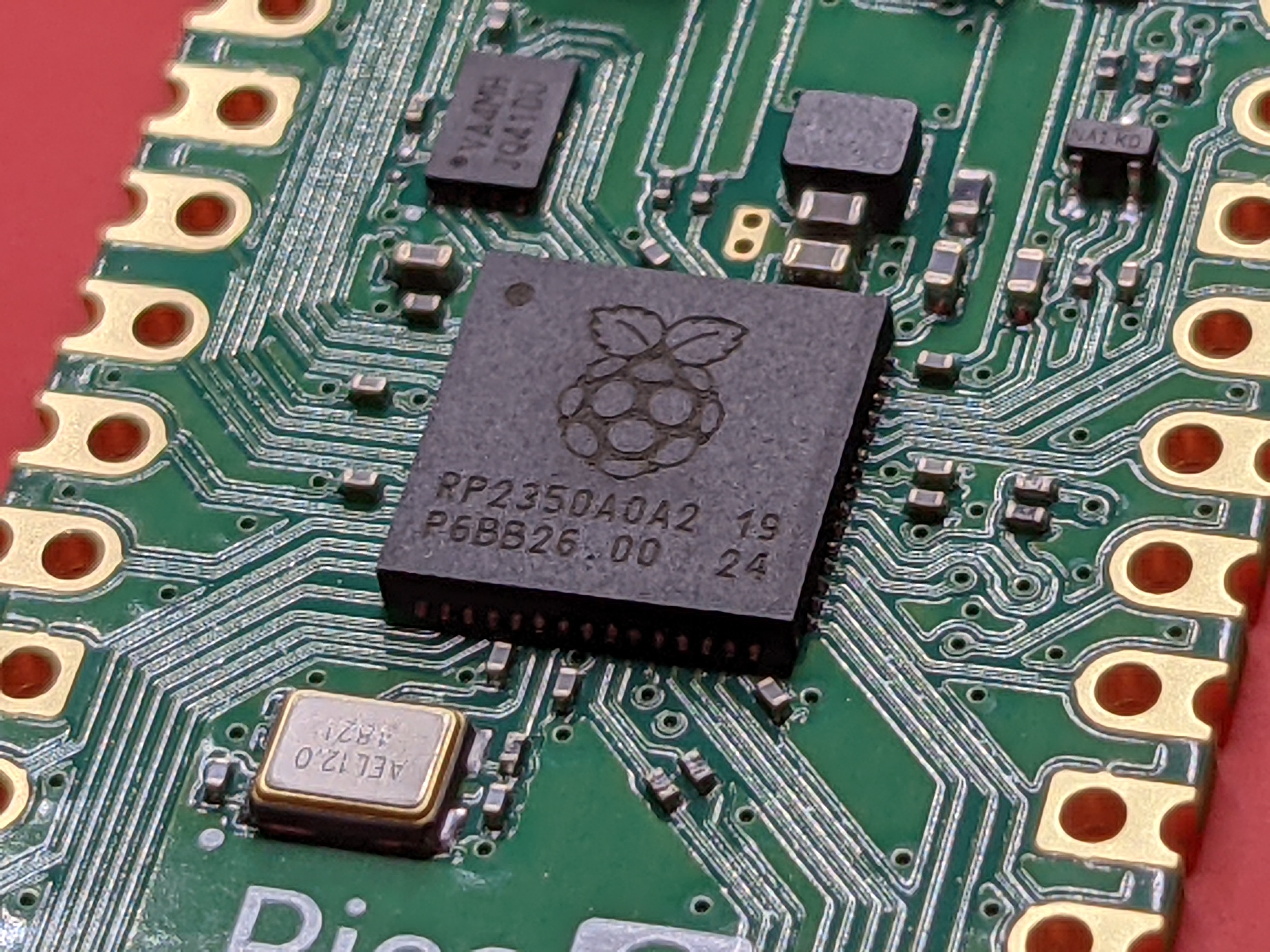
BrainChip Holdings announced on Thursday, October 22, the AKD1500 SPI, a new variant of its Akida neuromorphic processor designed to pair with a standard microcontroller — the inexpensive chips that run everything from appliances and wearables to industrial sensors and medical devices. The AKD1500 PCIe version serves performance-driven, multi-chip systems; the SPI version announced Thursday targets the far larger microcontroller market. Both run the same models with the same tools, the company said, so customers can scale without starting over. The chip is available now from the BrainChip Shop, through channel partner DigiKey, or via direct sales.
A different way to compute
Neuromorphic processors copy a trick from biology: instead of crunching every input continuously, an event-based design like Akida processes only the sensor inputs that matter, at the moment they occur. BrainChip describes the result as analysis "with unmatched efficiency, precision and energy economy" — company language, and the honest context is that the advantage is real but workload-specific: always-on sensing that mostly watches nothing (a keyword listener, a vibration monitor, a presence detector) is where event-based designs win, because a conventional processor burns power checking, thousands of times a second, that nothing has happened. The company's newer Sequora processor applies state-space architectures to generative and larger models, but Thursday's launch is about the opposite end of the market: intelligence measured in milliwatts.
Why this matters
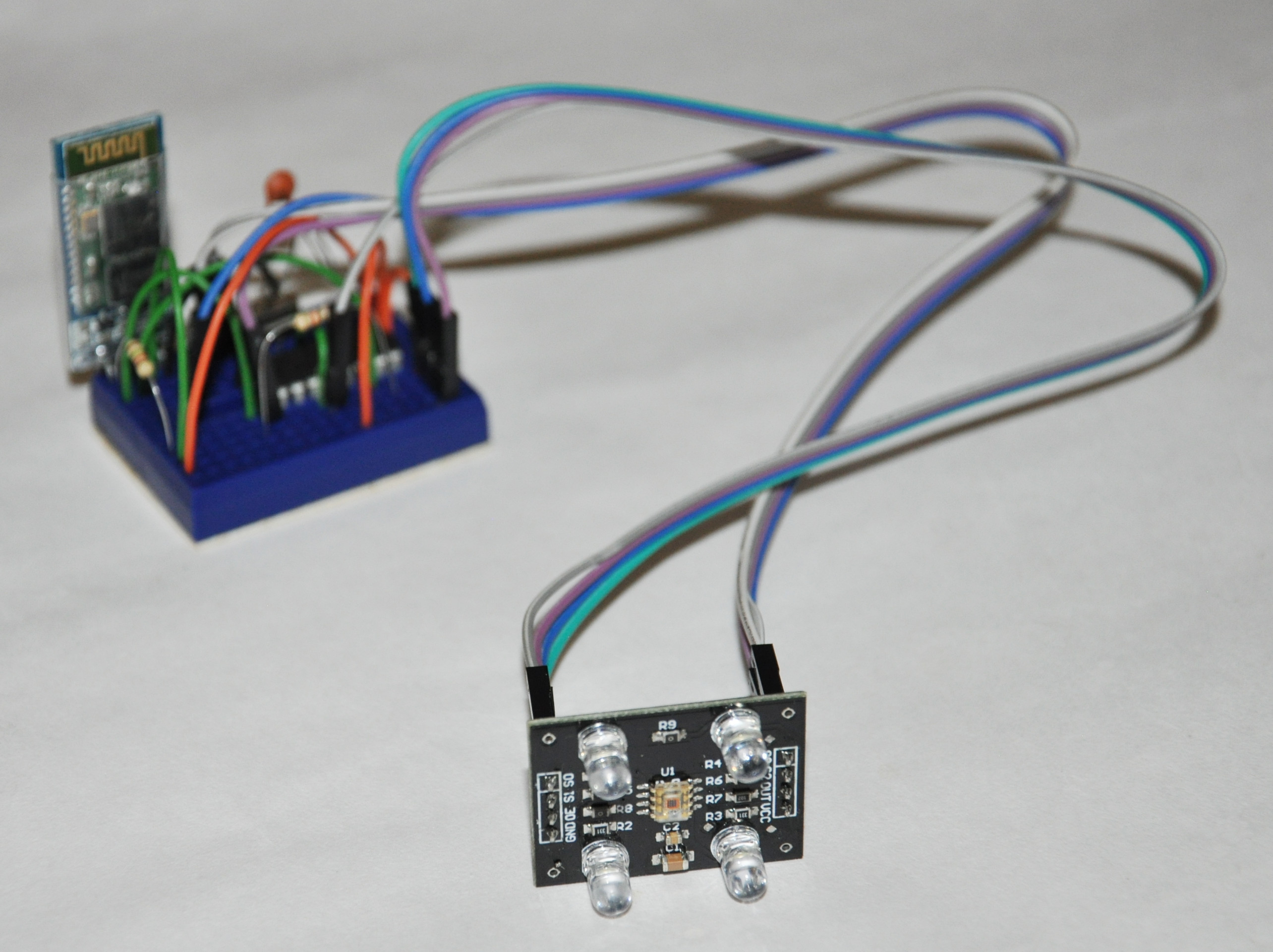
The AI industry's centre of gravity this week is a $135 billion data-centre budget and a $1.1 billion chip-testing plant. The AKD1500 is a reminder that most of the world's computing is none of that: billions of microcontrollers ship every year into products with no cloud connection, no cooling and a coin cell or a small battery for power. Whoever owns on-device intelligence at that tier owns the default sensing layer of homes, factories and hospitals — and avoids the privacy, latency and bandwidth costs that make cloud AI a poor fit for a doorbell or a pacemaker-adjacent monitor. BrainChip's deployment list — aerospace, defence, industrial IoT, healthcare, consumer devices and wearables — is a map of exactly the markets where "send it to the cloud" is not an acceptable answer.
The honest caveats
BrainChip is a small company in a field of giants: Qualcomm, Arm licensees and every major MCU vendor are building neural accelerators into microcontrollers, with vastly larger software ecosystems. Neuromorphic tools remain unfamiliar to most embedded engineers, and "available from DigiKey" is the start of a design-in cycle measured in years, not a revenue event. The SPI launch matters less as a product than as a positioning move — it removes the "your chip doesn't fit our board" objection that has historically kept neuromorphic designs in research projects and defence pilots rather than production appliances.
What happens next
Watch for named design wins — a shipping consumer or medical product with Akida inside is worth more than any datasheet — and for whether the same-models-same-tools promise holds as developers move designs between the PCIe and SPI parts. Edge AI will not be won at a keynote; it will be won one design-in at a time.
Sources
BrainChip Holdings announcement via GlobeNewswire, "BrainChip Unveils AKD1500 SPI Chip, Bringing Neuromorphic AI to Everyday Edge Devices," October 22, 2026 (13:00 UTC). Company descriptions of Akida and Sequora are attributed to BrainChip.