Technology / Sapporo and Leuven — A new programme for 2nm chips medical AI imaging aims to move hospital image processing off power-hungry GPUs and onto purpose-built silicon.
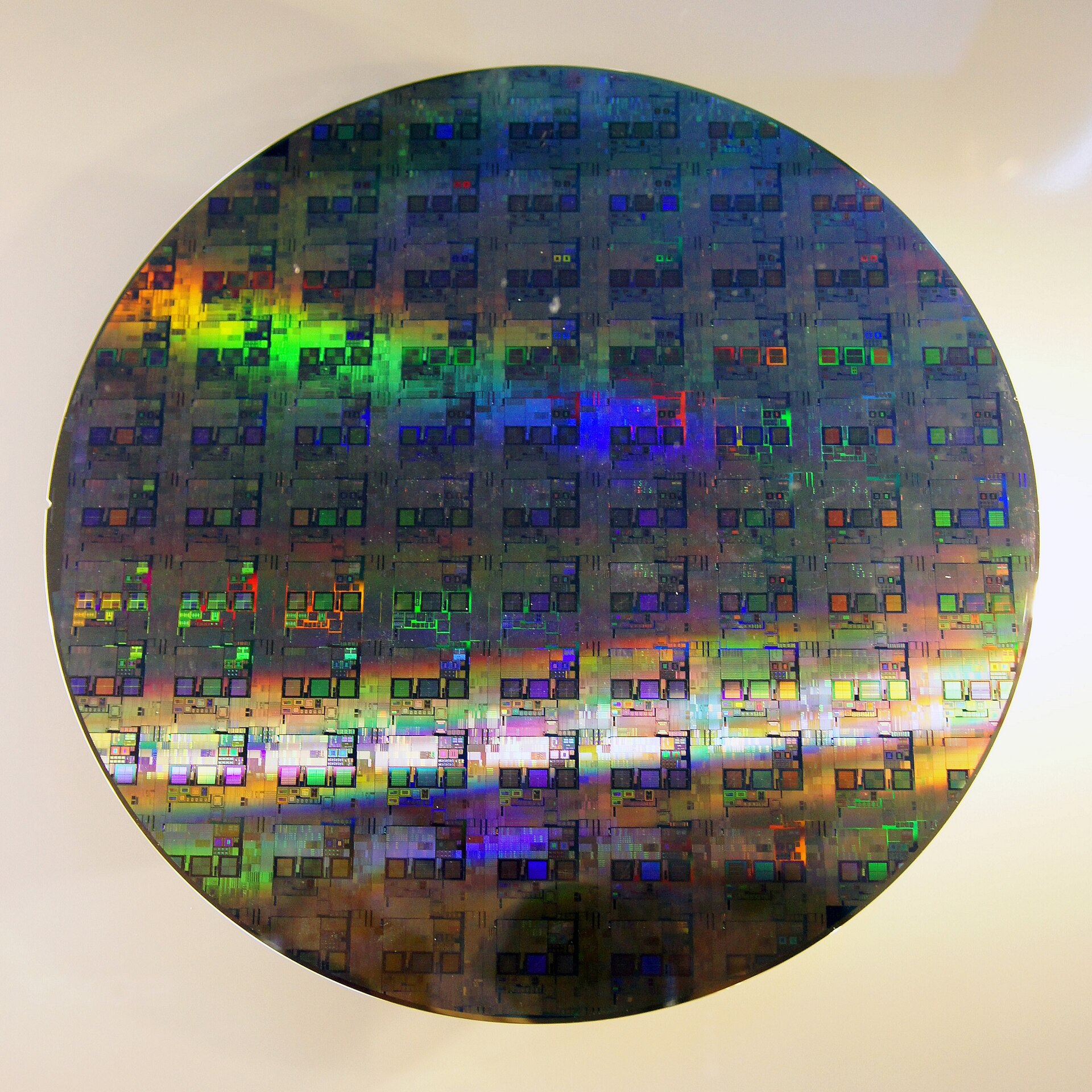
The race to build 2nm chips medical AI imaging systems has a new, unusually clinical entrant. In an announcement on October 20, reported in a semiconductor news roundup on October 21, 2026, Japan's Leading-edge Semiconductor Technology Center (LSTC) said it will jointly develop medical image-processing systems built on 2nm-generation semiconductors with Hokkaido University, Fujifilm, GE HealthCare Japan and Belgium's imec. The project has been selected under the Post-5G Information and Communication Systems Infrastructure Enhancement R&D Program run by NEDO, Japan's New Energy and Industrial Technology Development Organization.
The headline targets are ambitious: image processing at least five times faster, and at least ten times more energy efficient, than today's GPU-based processing. They are research and development targets — not demonstrated results, not benchmarked silicon, and not products with delivery dates. This article examines why the partners think such gains are plausible, and why medicine has become a demanding testing ground for edge AI hardware.
Three clinical systems, one silicon problem
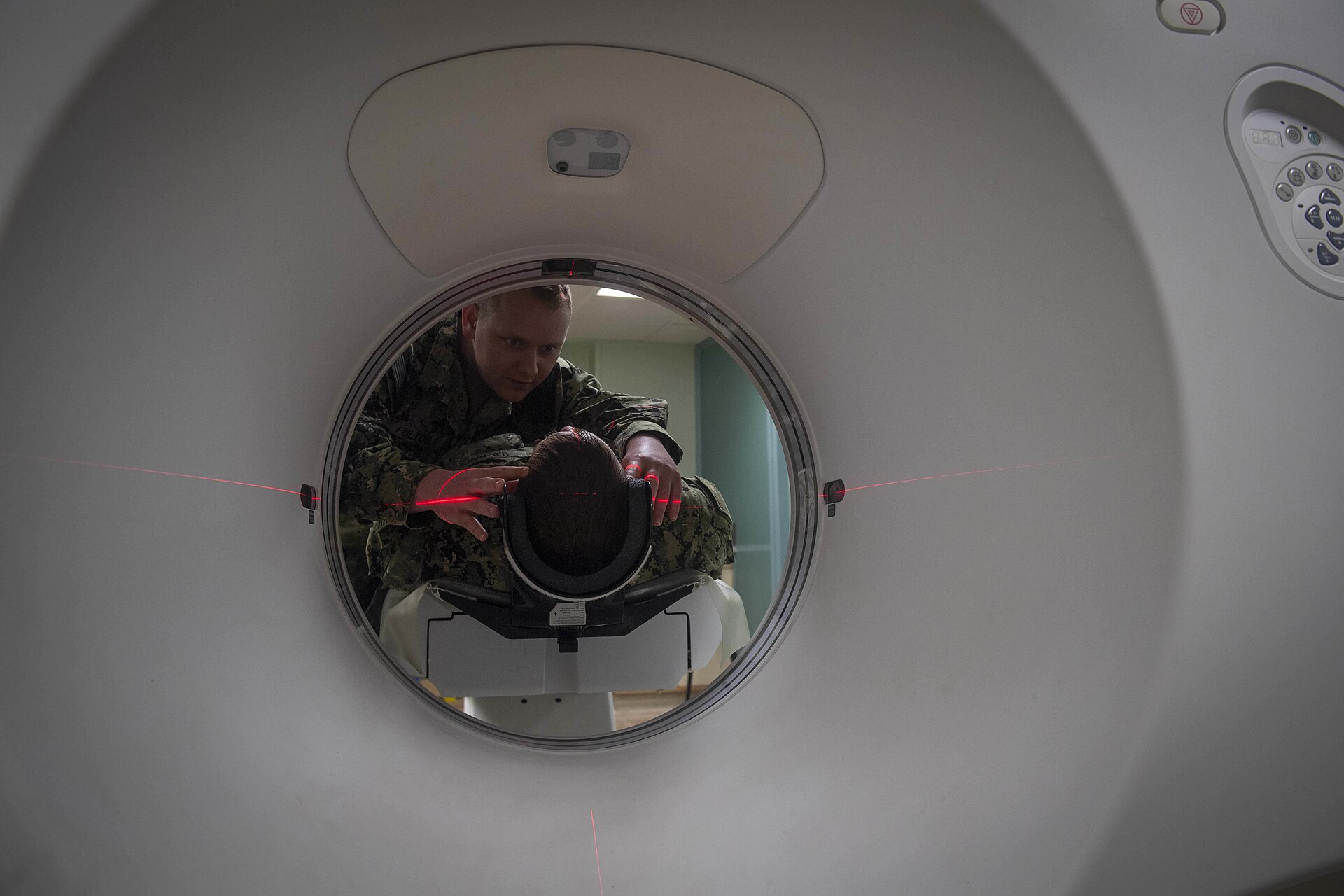
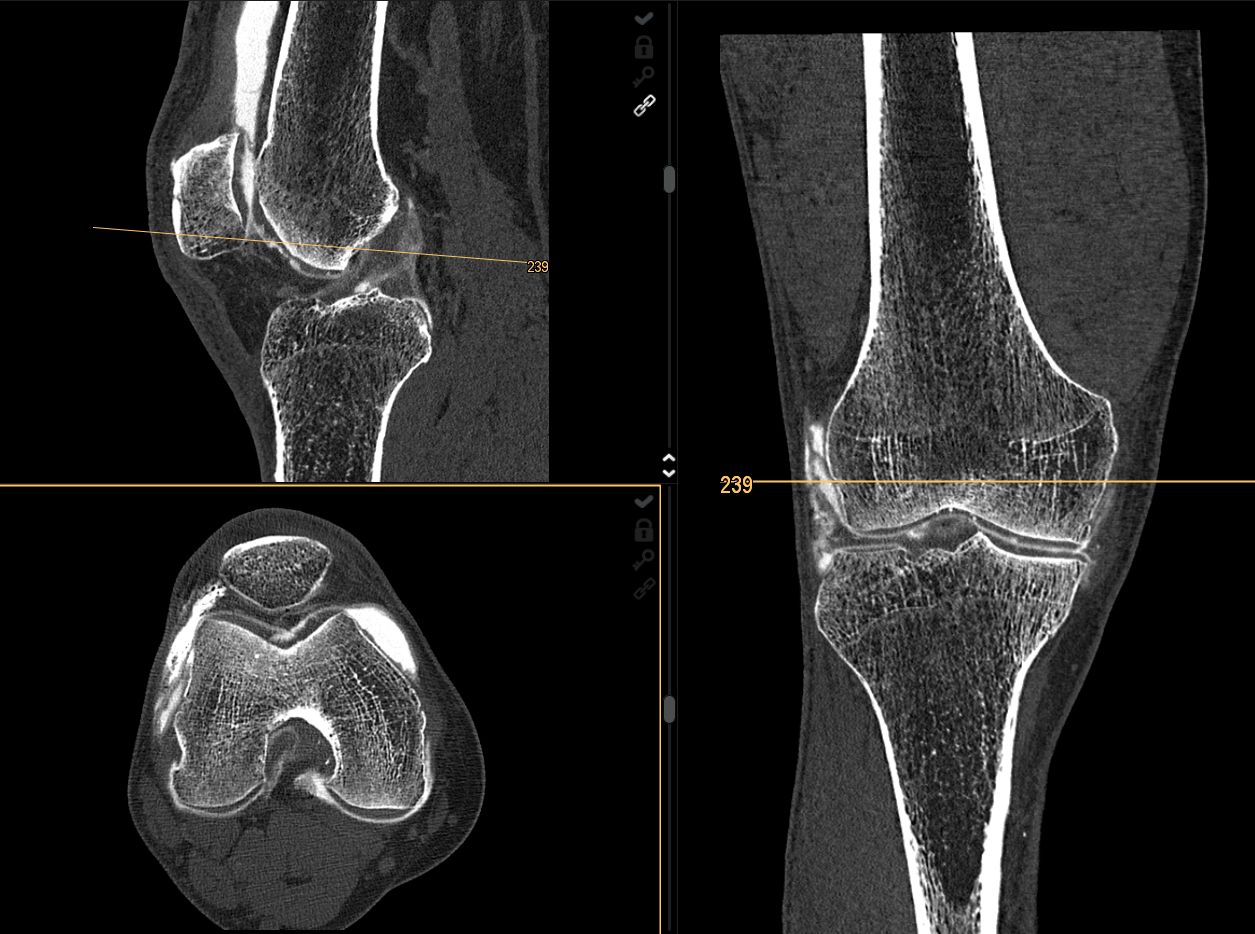
The programme is organised around three systems, each aimed at a point in care where computation is currently the bottleneck. The first is real-time CT diagnostic support. Photon-counting CT — the newest generation of computed tomography — detects individual X-ray photons and their energies, producing far richer data than conventional scanners, and therefore vastly larger data volumes to reconstruct and interpret. Under the programme, Fujifilm leads work on high-speed CT reconstruction AI and on organ segmentation AI, the software that separates liver from vessel from tumour in the image so clinicians and algorithms can work on the structure that matters. Reconstruction that takes minutes instead of seconds changes workflow; reconstruction fast enough to guide a decision while the patient is still on the table changes the procedure itself.
The second system is real-time ultrasound support that overlays CT or MRI images live onto the ultrasound view. Clinicians already fuse prior scans with live ultrasound mentally and, in some suites, with workstation software. Doing it in real time, registered accurately to a moving probe and a breathing patient, is a latency problem as much as an image-quality problem: an overlay that lags is worse than no overlay at all. The third system is real-time surgical support — AI analysing surgical-microscope video to recognise instruments, anatomy and bleeding as an operation unfolds. Here the standard is unforgiving. A system that identifies bleeding seconds late is a recording tool; one that identifies it within the surgeon's own reaction time is an assistant.
All three share the same underlying constraint, and it is the programme's real thesis: GPUs, for all their power, bring power, heat and size problems inside medical equipment. A scanner gantry, an ultrasound cart and a surgical microscope are not data centres. They have thermal budgets, noise limits, sterility requirements and physical footprints, and they must run continuously in rooms where a cooling fan is a design failure. Latency, not just throughput, decides surgical usefulness — a chip that processes a huge batch efficiently but answers late loses to a smaller chip that answers now. Purpose-built 2nm silicon, designed for specific imaging pipelines rather than general computation, is the partners' proposed answer.
Why this matters
Why this matters is that medicine is becoming the edge-AI battleground precisely because it combines every hard constraint at once. It is regulated, so hardware and software must be validated and approved system by system, not shipped and patched. It is latency-critical, for the surgical and interventional reasons above. And it is power-capped, because the equipment lives beside patients rather than in server halls. Consumer edge AI — phones, laptops, cameras — optimises for cost and battery. Automotive optimises for safety cases in a comparatively narrow task set. Medical imaging optimises for diagnostic accuracy under audit, in real time, inside a box that cannot get hot. If dedicated 2nm accelerators can win there, the design lessons transfer almost everywhere else edge AI is struggling with the same triangle of speed, power and trust.
The partnership structure tells its own story about Japan's semiconductor revival strategy. LSTC is the research hub of that strategy, imec brings Europe's leading process and design research, Hokkaido University anchors the domestic academic base, Fujifilm — which has a long second life in medical systems and materials alongside its imaging heritage — leads the CT AI work, and GE HealthCare Japan connects the programme to one of the world's largest installed bases of imaging equipment. NEDO's Post-5G programme funding places the work inside industrial policy, not just corporate R&D. Programmes like this one, alongside the Rapidus effort in Hokkaido, attempt to rebuild frontier design capability around specific, defensible applications — medical imaging, where Japanese equipment firms are already strong, is a rational beachhead. The comparison with the broader chip landscape runs through our coverage of U.S. power semiconductor and fusion awards, where governments are likewise backing targeted capabilities rather than whole-stack self-sufficiency.
What 5x and 10x would actually change — and the sceptical case
Put the targets in clinical terms. Five times faster image processing, if achieved on real photon-counting CT workloads, would compress reconstruction and segmentation from a step clinicians schedule around into one that happens inside the examination itself — enabling same-visit decisions, shorter scanner occupancy and higher patient throughput on machines that cost millions of dollars. Ten times better energy efficiency, if achieved, would let that capability live inside the scanner, the cart or the microscope rather than in a server room down the corridor — cutting installation cost, cooling load and the network dependency that makes cloud-dependent systems fragile in operating theatres. Those are the gains. Each is conditional, and the conditions are the story's second half.
The sceptical case has three parts. First, targets are not silicon: 2nm-generation processes are at the frontier of manufacturing, yields and design costs are punishing, and a research programme can hit its architecture goals while missing its node, its schedule, or both. Second, the baseline matters — "today's GPU-based processing" is a moving target, since GPU vendors ship faster, more efficient parts every year; a 5x advantage measured against 2026 hardware may be a smaller advantage against whatever is installed when this programme delivers. Third, approval timelines govern everything in medicine: even finished, working systems face validation and regulatory review in each market, measured in years, and hospital procurement cycles add more. A comparison: Socionext, in a separate item in the same roundup, is applying Cadence's AI agent to physical design of a 3nm SoC and expects up to 5x design productivity — also an expectation, not a measured result. Neuromorphic approaches, covered in our report on BrainChip's AKD1500 neuromorphic chip, show the same pattern: striking efficiency claims and a long road to deployment.
Who gains and who loses follows from that timeline. If the programme delivers, Japanese and European research institutions gain a defensible position in medical edge silicon, imaging-equipment makers gain differentiation that software alone cannot give them, and hospitals gain capability without data-centre build-outs. GPU incumbents lose a showcase market if dedicated silicon proves itself in regulated, high-value equipment — the segment least sensitive to price and most sensitive to performance per watt. Patients gain only at the end of the chain, and only if the systems clear approval and prove, in studies, that faster and richer imaging changes outcomes rather than merely adding data. Critics of industrial-policy chip programmes add a standing objection that applies here too: public money concentrated on prestige nodes can crowd out less glamorous but nearer-term improvements in the scanners and software hospitals already own.
What happens next
What happens next will be measured in milestones, not launches. Watch for published benchmark methodology (which GPU baseline, which workloads, which accuracy thresholds), tape-out or prototype news from LSTC and imec, and whether Fujifilm and GE HealthCare move the systems into conference presentations and trial planning.
For now, the honest verdict on 2nm chips medical AI imaging is that the problem definition is excellent and the solution is unproven. The partners have correctly identified why GPUs strain inside medical equipment, chosen three applications where latency and power genuinely decide clinical value, and set targets large enough to matter if met. Whether 2nm silicon meets them — and survives regulation, procurement and a moving GPU baseline — is a question the programme has years, not months, to answer. That is not a reason to dismiss it. It is a reason to track it the way this site tracks any frontier claim: by its milestones, in order, against its own numbers.
Sources: Semiconductor news roundup, Oct 21, 2026, reporting the Oct 20 announcement: LSTC, Hokkaido University, Fujifilm, GE HealthCare Japan and imec to develop medical image-processing systems on 2nm-generation semiconductors, selected under NEDO's Post-5G Infrastructure Enhancement R&D Program; targets at least 5x faster and at least 10x more energy efficient vs GPU-based processing (R&D targets, not demonstrated results); systems: photon-counting CT support (Fujifilm: reconstruction AI, organ segmentation AI), ultrasound overlaying CT/MRI, surgical-microscope AI (instruments, anatomy, bleeding). Separate item, same roundup: Socionext using Cadence AI agent for 3nm SoC physical design, expecting up to 5x productivity.