Viral posts on X claim a suicide bomber tried to detonate an explosive vest inside the Kaaba on October 1 — but no Saudi authority or reputable news wire has confirmed it, and the circulating video appears to date to 2017. Here's what we can and can't verify.
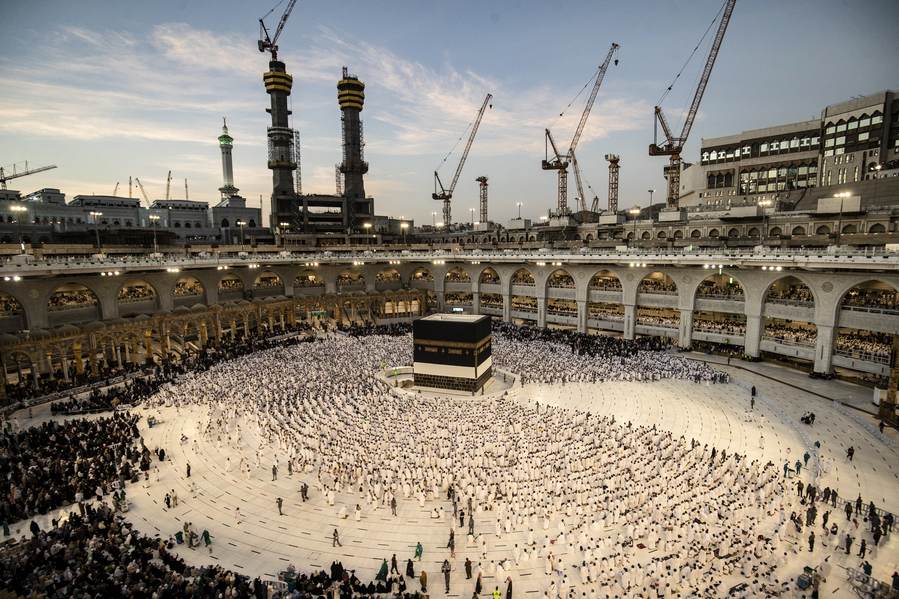
Unverified reports claiming a foiled suicide bombing inside the Kaaba in Mecca spread rapidly across X on October 1, 2026 — but as of this article's publication, no Saudi authority and no reputable international news organization has confirmed that any such incident took place today.
The claims were seeded by an RT International post at 2:09 p.m. PT that has drawn roughly 25,000 views, saying a would-be suicide bomber tried to detonate an explosive vest inside Islam's holiest site and that the device failed to explode. The same short video clip — showing security personnel subduing a man on the Grand Mosque's marble floor and carrying a "Medya3" watermark — was reposted by a string of large accounts within the hour. X's own Explore page trended the story under the label "Unverified Reports Claim Foiled Bombing Near Mecca's Kaaba," with 882 posts.
The state of play: the claim is unverified, the video appears to be old, and Saudi officials have said nothing. This article lays out what the viral posts claim, what we can and cannot confirm, and what we are watching for. We are working to verify this story and will update it the moment credible confirmation — or a denial — lands.
What the viral posts claim
The original RT Intl post reads: "SUICIDE BOMBER REPORTEDLY ATTEMPTS TO DETONATE EXPLOSIVE VEST INSIDE KAABA IN MECCA — DEVICE FAILS TO EXPLODE." It offered no sourcing beyond the word "reportedly" and attached the Medya3-watermarked clip. Within minutes, the verified account @RyanRozbiani amplified it to his followers — "A Suicide Bomber Attempted to BLOW HIMSELF UP inside Mecca near the Kaaba in Saudi Arabia. This is HORRIFIC and should NEVER happen in the holiest city of Islam. Saudi officials have NOT commented." — drawing about 9,200 views on the same recycled video.
Notably, several large verified accounts amplified the claim while hedging it. @InsiderWN ("Insider (World News)") posted "#BREAKING: Apparent suicide bombing attempt reported in Mecca, Saudi Arabia" at 2:12 p.m. — about 4,200 views — with the tell-tale hedge "Apparent." @JMChyno ("Pacific Wire") wrote that "Security reportedly took down the alleged attacker, Saudi officials have not commented on the incident yet" — "reportedly," paired with an explicit acknowledgment that Saudi officials have said nothing. Skeptical replies are appearing under these posts, with users questioning the footage's age. The hedges reinforce rather than resolve the claim's unverified status: none of these accounts claims to have confirmed anything.
What we can verify — and what we can't
What we cannot verify: that any bombing attempt occurred in Mecca today. As of roughly 3:30 p.m. PT, there is no statement from the Saudi Press Agency, the Interior Ministry, or the Grand Mosque's security forces, and no reporting from Reuters, the Associated Press, the BBC, Al Jazeera, or Al Arabiya. For an alleged attack on Islam's holiest site, that silence across every reputable wire is the single most important fact in this story.
What we can verify: the circulating video matches a documented February 2017 incident. Reuters reported at the time that a man in his 40s tried to set himself alight with gasoline beside the Kaaba late on a Monday night and was arrested before he could act; pilgrims and security guards hustled him away, and mosque police said his actions suggested he was mentally ill. Arabic-language commenters on today's viral posts are flagging the same 2017 match in real time, and one large Arabic account (@Vetogate, 6.9 million followers) that shared the footage captioned its own post "without official confirmation." The "Medya3" watermark on the circulating clips marks them as reposted content, not original reporting.
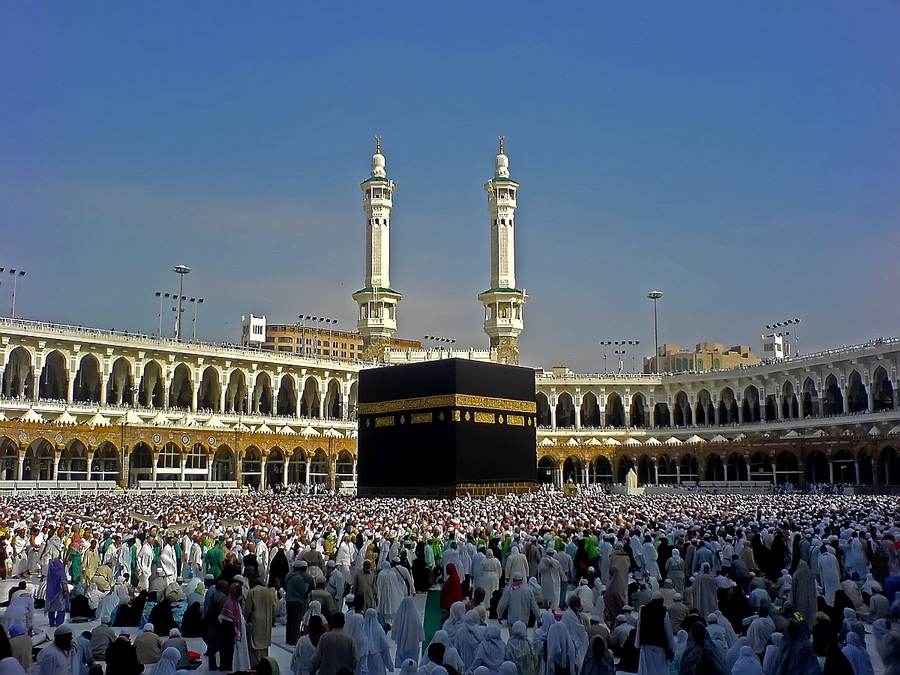
The 2017 incident the video appears to show
The February 2017 episode that the video appears to depict was a self-immolation attempt, not a bombing. There were no explosives, no vest, and no detonation — a disturbed man with gasoline, stopped by pilgrims and guards before he could set himself alight. That distinction matters: the viral captions describe an explosive vest that "fails to explode," a detail with no basis in the footage or in any official record of the 2017 event. Recycling a genuine old clip with an invented new caption is one of the most reliable formulas for viral misinformation, and it is the formula in use here.
A real precedent: the June 2017 foiled Grand Mosque plot
There is a genuine history of foiled attacks on the Grand Mosque, and it is worth separating from today's claims. In June 2017, Saudi security forces broke up an actual suicide plot targeting the mosque: the Interior Ministry announced it on state television the same day, saying three cells had planned the attack, that a trapped bomber blew himself up in a house in the Ajyad al-Masafi neighborhood when surrounded, and that six foreign pilgrims and five security personnel were hurt while five suspects — including a woman — were arrested. That verified precedent is precisely why today's unverified claim feels plausible — and precisely why checking it before repeating it matters.
Why this claim spreads
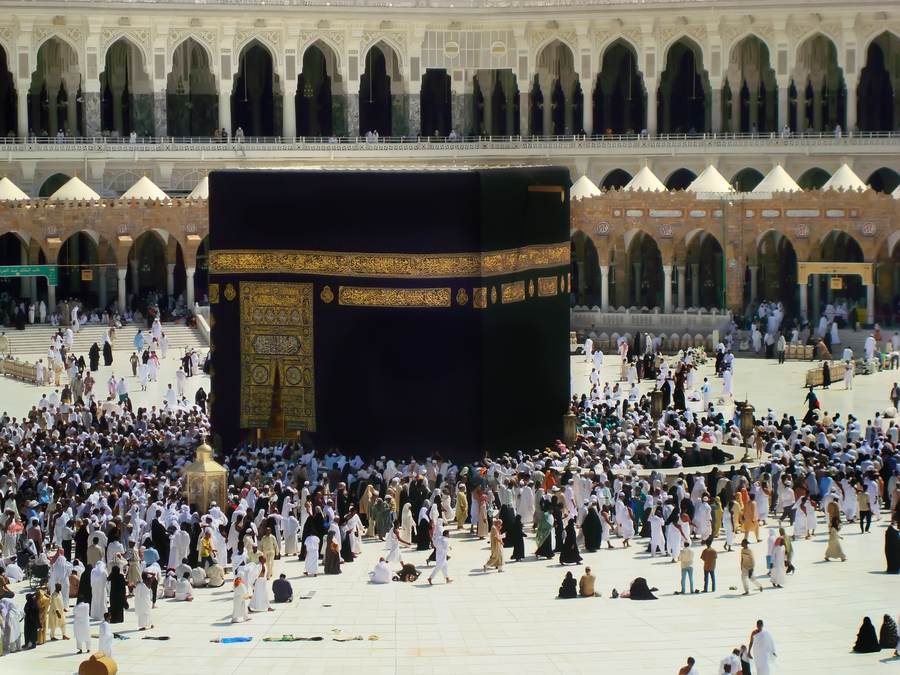
Several dynamics are working in the claim's favor. First, sacred-site sensitivity: the Kaaba is the holiest site in Islam, and any threat against it triggers enormous emotional engagement — the exact fuel recommendation algorithms reward. Second, the accelerant: RT International's post gave the claim its initial 25,000-view push, and state broadcasters carry an authority their sourcing doesn't always earn. Third, hedged amplification: verified accounts using "apparent" and "reportedly" capture the engagement of breaking news while keeping deniability if the claim collapses. Fourth, the counter-signal is already forming — skeptical replies under the viral posts and Arabic-language users debunking the footage's age in real time are doing the verification work the amplifiers skipped.
What Saudi silence means — and doesn't mean
What it means: there is nothing to report as fact. A claim no authority confirms and no wire corroborates remains a claim. What it doesn't mean: a cover-up. Saudi authorities have historically announced foiled plots promptly — the June 2017 plot went out on state television the same day it was broken up. The absence of any Saudi Press Agency statement more than an hour after the claim went viral is itself informative, and it cuts against the story, not for it.
What we're watching for
Signal Post News is monitoring Saudi official channels and the international wires. This article will be updated the moment credible confirmation — or a denial — arrives. The things that would change this story: a Saudi Press Agency or Interior Ministry statement; pickup by Al Arabiya, Al Jazeera, Reuters, or the Associated Press; or frame-by-frame matching of the circulating clip by open-source analysts. Until then, readers should treat watermarked reposts as unconfirmed, look for official statements rather than viral captions, and be wary of the recycled-footage pattern — a genuine old video with an invented new caption.
Sources and reporting notes
Reporting basis: The February 2017 gasoline incident is attributed to Reuters reporting from that month. The June 2017 foiled plot is attributed to the Saudi Interior Ministry statement and Reuters/RNS reporting. The October 1, 2026 viral claims are described as unverified social-media reports; view counts and post counts were observed on X on October 1, 2026. No Saudi official statement or wire confirmation existed as of publication. Analysis distinguishes verified facts from unverified claims throughout.