Johannesburg tavern shooting 17 killed
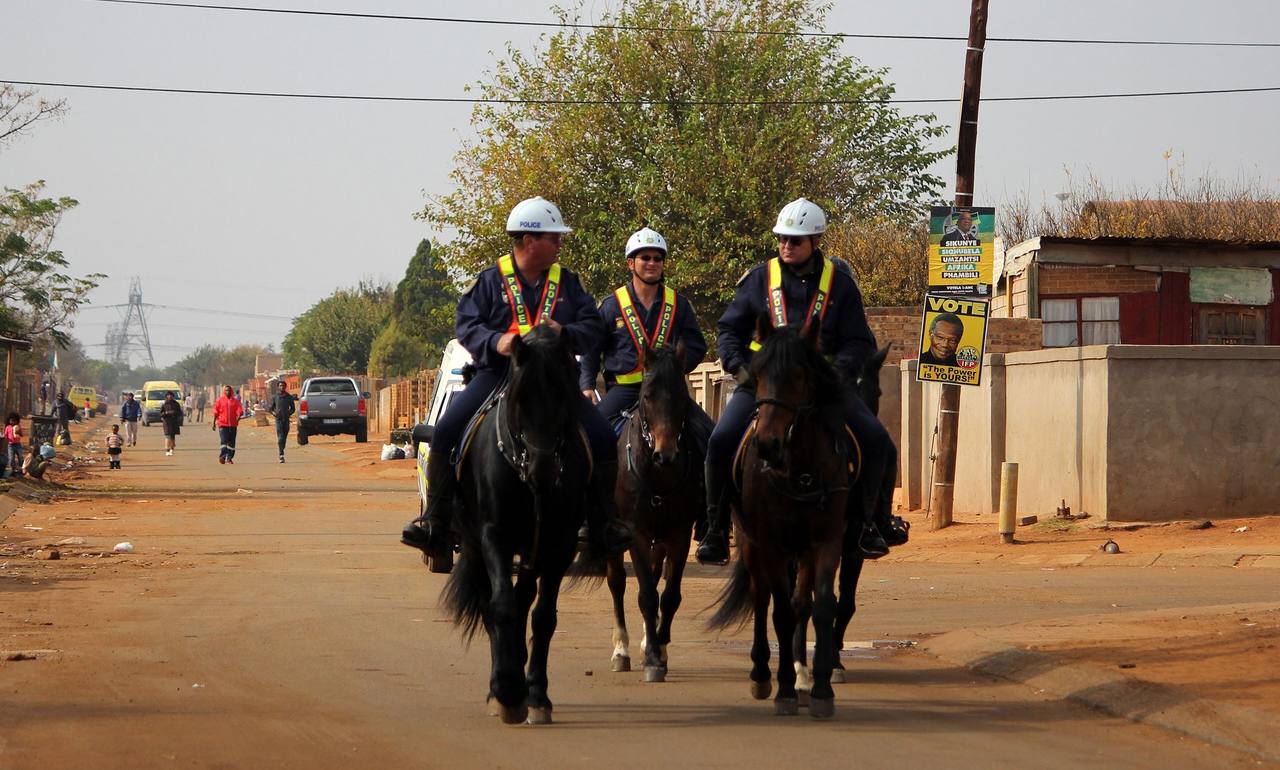
The Johannesburg tavern shooting killed 17 people in Wedela township on Saturday night, according to South African police, who said the assailants carried AK-47 rifles and pistols. Emergency medical workers declared every victim dead at the scene. By Sunday, investigators were searching for the gunmen while the motive remained unknown.
The attack was severe on its own. Its timing made it a national crisis. Hours later, armed men entered a barbecue restaurant in Lwandle township, east of Cape Town, killing 10 people and wounding 11. In the space of one night, two attacks at ordinary social venues left at least 27 people dead in South Africa’s two largest urban regions.
What police and reports say happened in Wedela
Reuters reported that police launched a manhunt after the Wedela attack, which occurred southwest of Johannesburg. The South African Police Service said suspects were reportedly armed with AK-47 rifles and pistols, and that investigators had not established a motive.
The New York Post, in an item carrying wire reporting, placed the start of the attack at about 9:30 p.m. local time. It said gunmen opened fire on people outside the tavern, continued shooting as they entered, and killed 13 men and four women. The report said another 15 people were injured, two vehicles were set alight, and at least eight suspects were being sought.
Those details describe a coordinated assault, but they do not by themselves establish why it happened. Police had announced no arrests in either the Wedela or Lwandle case at the time of publication. Claims about gang rivalry, robbery, retaliation or political motive would therefore be speculation unless investigators supply evidence.
Why this matters
The scale is the immediate reason. Seventeen people killed at one tavern is not a routine crime statistic; it is a mass-casualty event. The second shooting in Lwandle hours later widened the concern from a single local attack to the vulnerability of taverns and restaurants across different provinces. Public venues are valuable targets for attackers because people gather closely, exits can be limited and the perpetrators can inflict large losses before police arrive.
The sequence also tests confidence in deterrence. A manhunt can identify and arrest suspects after an attack, but prevention depends on intelligence, illegal-firearm tracing, witness protection and investigations that reach organizers as well as shooters. When assault rifles appear in civilian attacks, the central question is not only who pulled the trigger. It is how the weapons entered criminal circulation, who supplied them and whether earlier warning signs were missed.
South Africa’s broader violence burden raises the stakes. The New York Post’s wire-based report said roughly 60 people are killed each day in a country of about 62 million. That estimate should not be treated as a precise measure of this case, but it places the killings within a persistent national problem rather than an isolated overnight anomaly.
Two shootings, one investigative challenge
The Wedela and Lwandle attacks should not be treated as connected unless police say evidence links them. Geography, timing and the use of armed groups can create the appearance of a single campaign even when motives and networks differ. Responsible reporting must hold both possibilities in view: investigators may find shared trafficking routes or methods, but they may also find two unrelated crimes occurring during the same violent night.
What is already common to both scenes is the burden on witnesses. Police need descriptions, vehicle information, phone records and ballistic evidence, yet witnesses may fear retaliation or distrust the ability of authorities to protect them. That makes the first days of the inquiry decisive. Evidence can disappear quickly, while rumors can harden into public assumptions before forensic work is complete.
The attacks also followed a September 15 assault at a house party in KwaMakhutha, south of Durban. The New York Post’s wire-based account said gunmen forced partygoers into a room and killed 11 people, including a pregnant woman. Three mass shootings in less than two weeks do not prove one organization is responsible, but they do justify a broader review of weapon supply, repeat offenders and the security of crowded venues.
What investigators need to establish
The first task is identification: matching ballistic evidence, surveillance images, vehicle records and witness accounts to the shooters. The second is command and motive: determining whether the men acted for payment, revenge, robbery, territorial control or another purpose. The third is the firearms chain. Recovering a weapon can connect multiple crime scenes and expose theft, diversion or trafficking routes that extend beyond one township.
Authorities will also face pressure to explain whether tavern safety rules were followed. That question matters, but it must not displace responsibility from the gunmen. Security guards, cameras and emergency exits may reduce harm; they cannot make a public business responsible for defeating a squad armed with military-style rifles.
For communities, the quality of the investigation will be measured in more than arrest totals. A credible case requires evidence that survives court scrutiny. Rushed arrests that collapse later would deepen mistrust. Transparent updates that separate confirmed facts from leads can help prevent both misinformation and retaliatory violence.
What happens next
Police are likely to prioritize vehicle tracing, ballistic comparisons and interviews with survivors from the Wedela tavern. Hospitals treating the injured may also hold essential evidence, including accounts from people who saw the attackers enter or flee. Officials have not announced a motive, and that uncertainty should remain central until charges or verified investigative findings provide one.
The political response will matter only if it moves beyond additional patrols. Short-term deployments can reassure residents and secure crime scenes, but the longer test is whether authorities disrupt firearm pipelines and prosecute the people who organize attacks. The overnight toll will otherwise join a familiar cycle: shock, manhunt, public promises and another crowded venue left exposed.
Sources
- Reuters: South African police launch manhunt after 17 killed in Wedela tavern shooting
- New York Post: overnight attacks in Wedela and Lwandle; item notes it uses wires
- Wikimedia Commons: Wesley Fester’s 2014 Bekkersdal mounted-police photograph
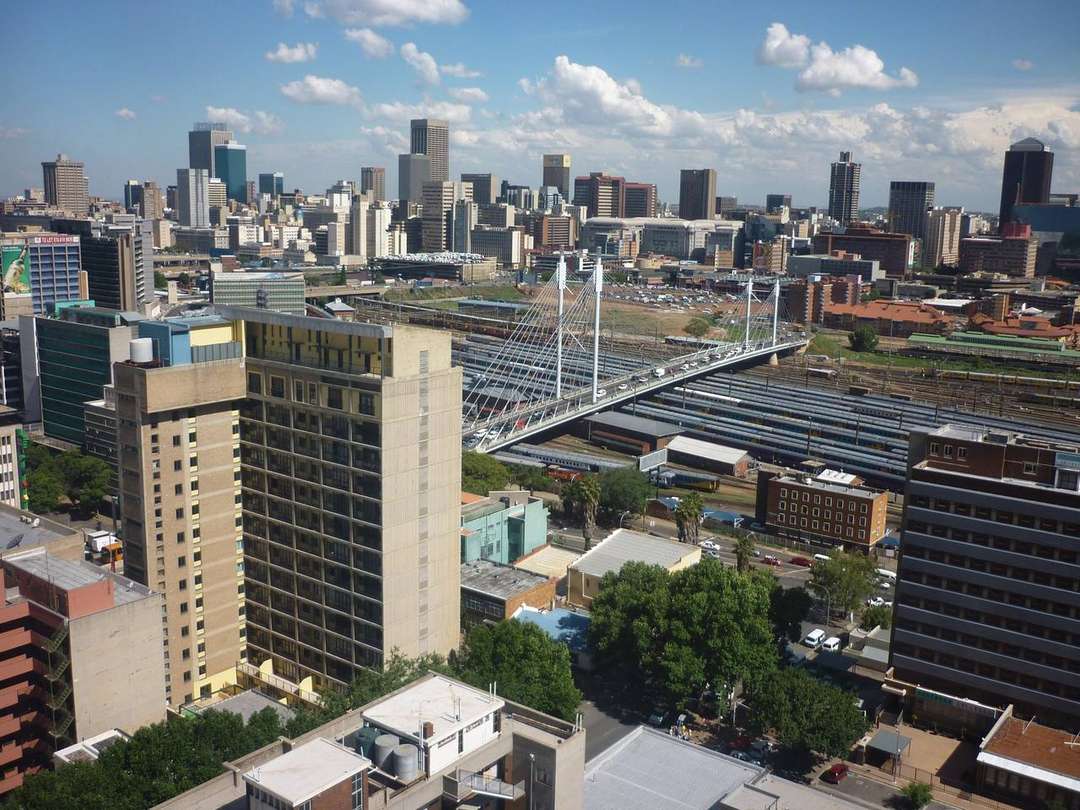
- Wikimedia Commons: Evan Bench’s 2009 Johannesburg CBD photograph
Reporting basis: The confirmed death toll, police manhunt, reported weapons and unknown motive are attributed to the South African Police Service through Reuters. The reported time, victim breakdown, injury totals, vehicle fires, suspect count and details of the Lwandle and KwaMakhutha attacks come from the New York Post item, which explicitly says it uses wires. No link between the Wedela and Lwandle shootings has been established in the cited reporting.