Shadrack Sibiya rape charges
TopicsShadrack Sibiya rape chargesRandburg Magistrates' CourtSouth AfricaMadlanga Commission
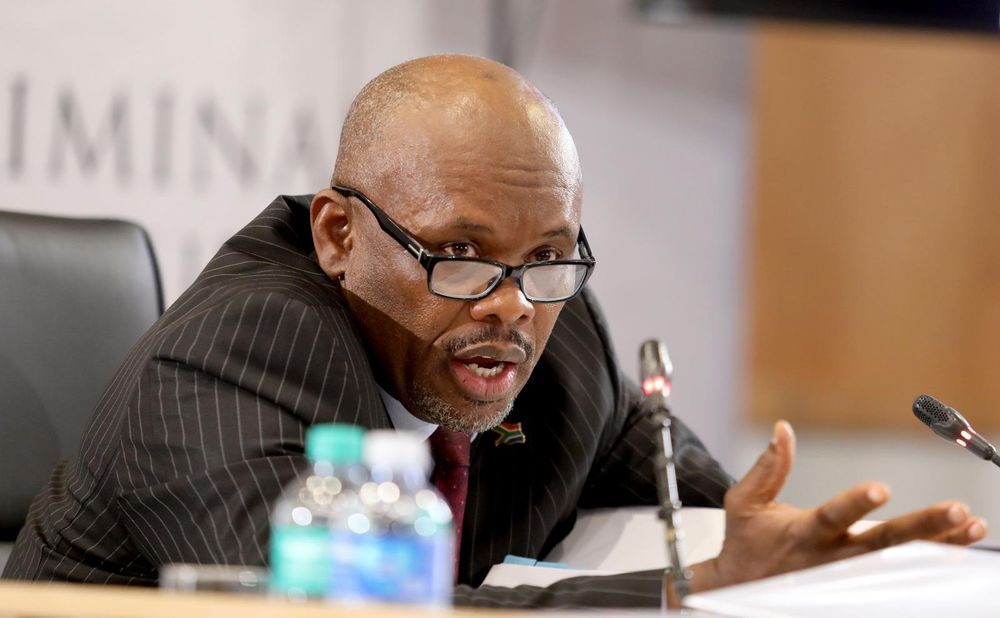
South Africa's policing establishment suffered its most damaging blow in years on Tuesday, when suspended Deputy National Police Commissioner Lieutenant-General Shadrack Sibiya, 59, appeared in the Randburg Magistrates' Court on five criminal charges including rape, trafficking in persons, and the sexual grooming of a child. Arrested the previous night by the Madlanga Commission's Recommendations Task Team, Sibiya did not enter a plea and was remanded to the Kgosi Mampuru II Correctional Centre in Pretoria, with the State announcing it will oppose bail at a formal hearing on September 29.
The charges, in detail
The National Prosecuting Authority says Sibiya faces five counts: rape, trafficking in persons, promoting the sexual grooming of a child, and two counts of sexual grooming of a child — all Schedule 6 offences, the most serious category under South African law. The charges relate to alleged incidents between May 16 and August 3, 2026, involving an 18-year-old woman and a 16-year-old girl. Prosecutors allege Sibiya raped the adult complainant at a hotel in Johannesburg's affluent Sandton district in May, and sexually groomed the child through electronic communication between July and August. The trafficking charge involves allegations concerning three people. NPA spokesperson Kaizer Kganyago told reporters the State will oppose bail, citing the seriousness of the charges and concerns about witness safety. In an unusual move, Sibiya was sent to Kgosi Mampuru II rather than held at a police station — because, Kganyago said, the State had intelligence indicating he could escape police custody. "The NPA reiterates its commitment to prosecuting without fear, favour or prejudice, irrespective of the position or status of an accused person," Kganyago said. Sibiya has not pleaded to any of the charges and remains an accused person, presumed innocent until proven guilty.
Why this matters
This is not merely the arrest of one more official — it is the detention of a man who embodied the South African Police Service itself. Sibiya, as deputy national commissioner for crime detection, was the service's second-most-senior figure and the public face of its fight against organised crime. That the CRTT — a team created out of a judicial inquiry into corruption and criminality inside the police — arrested one of the SAPS's own top brass turns an institutional scandal into something existential: the watchers are now arresting the watched. And the nature of the charges cuts deeper still. South Africa's police are failing, by every measure, to protect women and children — one in three women experiences physical or sexual violence in her lifetime, and the government has declared gender-based violence a national disaster. A senior policeman charged with exploiting the very vulnerability he was sworn to defend against shatters what little public trust remains. The arrest also arrives at the worst possible moment for the SAPS, with nine women found murdered east of Johannesburg between July 15 and mid-September 2026 fuelling national anger over an unchecked epidemic of femicide.
Background: how a top cop became a top target
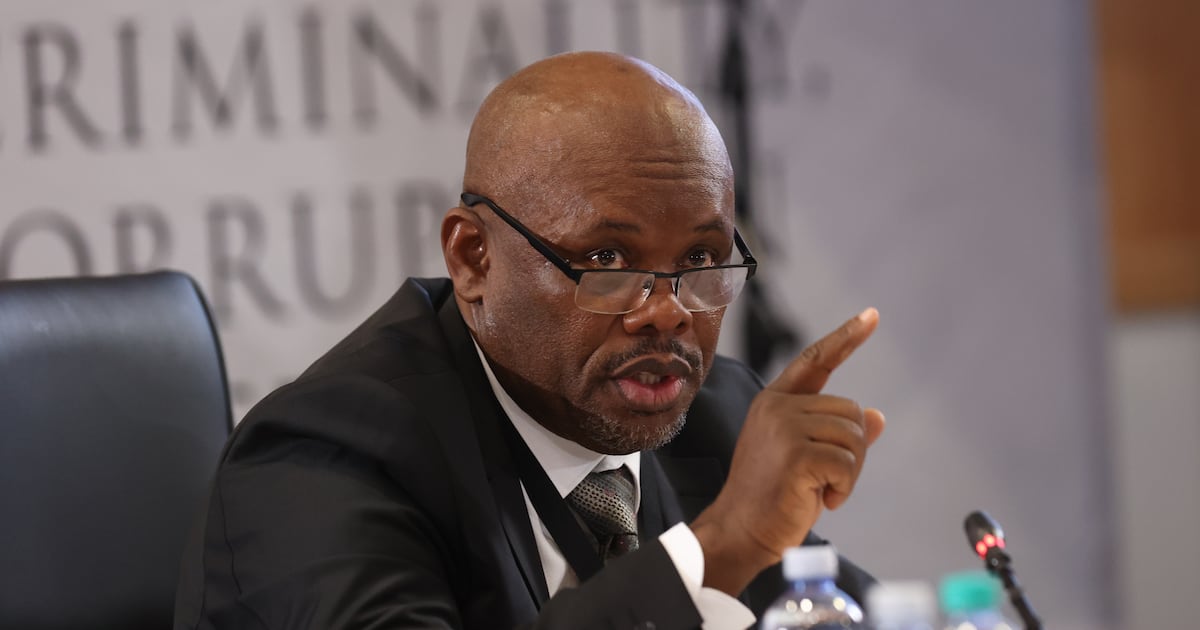
Sibiya's fall did not begin on Monday night. He was already suspended and already a central figure in the Madlanga Commission, the judicial inquiry examining allegations of corruption and criminal infiltration of the SAPS. His name became nationally known through a bitter, public feud with KwaZulu-Natal police commissioner Lieutenant-General Nhlanhla Mkhwanazi, who held an explosive press conference in July 2025 accusing Sibiya of links to criminal networks and of playing a role in dismantling sensitive investigations. The two men have since traded accusations of corruption, interference in organised-crime probes, and a power struggle over the future leadership of the police. Sibiya testified before the Madlanga Commission in February 2026, where he revealed internal conflicts inside the SAPS — but the Commission's Recommendations Task Team kept building cases, and it was that team, not ordinary detectives, that made the arrest. Supporters of the accused have claimed the prosecution is entangled in SAPS succession politics; prosecutors reply that they will pursue the case regardless of rank.
Multiple angles: who wins, who loses, what critics say
Winners are hard to find here — but there are beneficiaries. First, the Madlanga Commission and its task team: arresting a suspended deputy national commissioner is proof of concept for an inquiry often accused of producing paper without consequences. Second, reformers inside the SAPS and the NPA, who can now argue — as acting national police commissioner Lieutenant-General Puleng Dimpane did — that "rank, position or seniority cannot place anyone above the law." The losers are more obvious: public trust in the police, which will be measured not by this arrest but by the conviction rate in a service where criminal cases against the powerful routinely collapse; the government's gender-based-violence agenda, which now faces the corrosive optics of an accused predator inside its own machinery; and Sibiya himself, who went from crime-fighter-in-chief to remand prisoner in a single day. Critics will also note the convenient timing: Sibiya's accusers are his institutional enemies, and the succession battle for the top SAPS job — where he and Mkhwanazi have clashed openly — means no one in this story is a disinterested observer. That does not make the charges false. But it means the courtroom, not the court of public opinion, is where the evidence must be tested.
The numbers behind the crisis
The statistics that frame this case are among the worst in the world. Official data holds that one in three South African women experiences physical or sexual violence in her lifetime — a figure the World Health Organization echoes for intimate-partner violence. The government's declaration of gender-based violence as a national disaster was a response to a femicide rate that would be a state of emergency in any other democracy. The murders of nine women between July 15 and mid-September east of Johannesburg — averaging roughly one a week in a single metropolitan corridor — turned abstract data into daily dread, and it is against that backdrop that Sibiya's arrest is being read: not as an isolated scandal but as a symptom of an enforcement apparatus that cannot protect women, and now stands accused of preying on them. Set against those numbers, the five charges are individually shocking but statistically unsurprising — which is itself the indictment.
What happens next
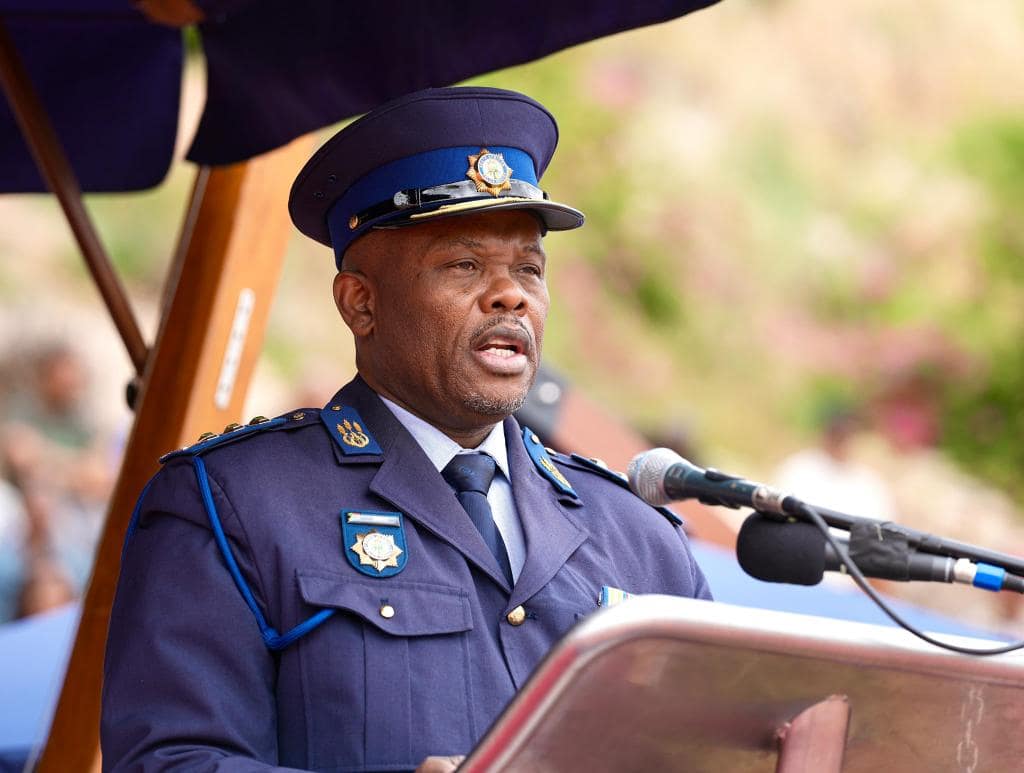
September 29 is the immediate date to watch. The State has seven days to prepare its formal bail opposition, and Sibiya remains in Kgosi Mampuru II — an extraordinary precaution for a former police chief, driven by the State's stated escape-risk intelligence. Expect the bail hearing to become a proxy war over evidence: the prosecution has described its case as substantial, built with discreet and undercover methods, and has invited other potential victims to come forward; the defence will attack the timing and the institutional motives of the CRTT. Beyond bail, two longer arcs run in parallel. The criminal case will take months or years — and South Africa has seen high-profile prosecutions of powerful figures stall or collapse. The other arc is institutional: the Madlanga Commission's findings, combined with this arrest, are likely to force the most consequential SAPS leadership shake-up in a generation, with the national commissioner post itself in play. Acting police minister Firoz Cachalia called the allegations "disturbing"; the question now is whether the police service can be rebuilt around people the public believes. For a country where one in three women lives with violence, that is not a bureaucratic question. It is the only question that matters.
Shadrack Sibiya goes back to court on September 29. The charges are allegations; he has pleaded to nothing. But the damage to the badge he once wore has already been done — and South Africa's reckoning with the men meant to protect it is only beginning.
Related coverage
- Trump's 17,500-person South African refugee plan
- Kiir dissolves South Sudan's transitional government
Sources
- AFP via Montage Africa: South Africa police chief appears in court on rape charges
- African News Agency: Top cop Sibiya faces rape, trafficking and grooming charges as bail hearing looms
- African Times: Top cop Shadrack Sibiya faces rape, trafficking and child grooming charges