Jim Bakker dies at 86
For admirers, Bakker was a gifted religious broadcaster who made faith intimate, conversational and emotionally direct. For critics, the Jim Bakker PTL Club empire became a warning about what can happen when spiritual authority, celebrity and largely unrestrained fundraising occupy the same studio. Both judgments belong in the record because both explain why his death reaches beyond an obituary.
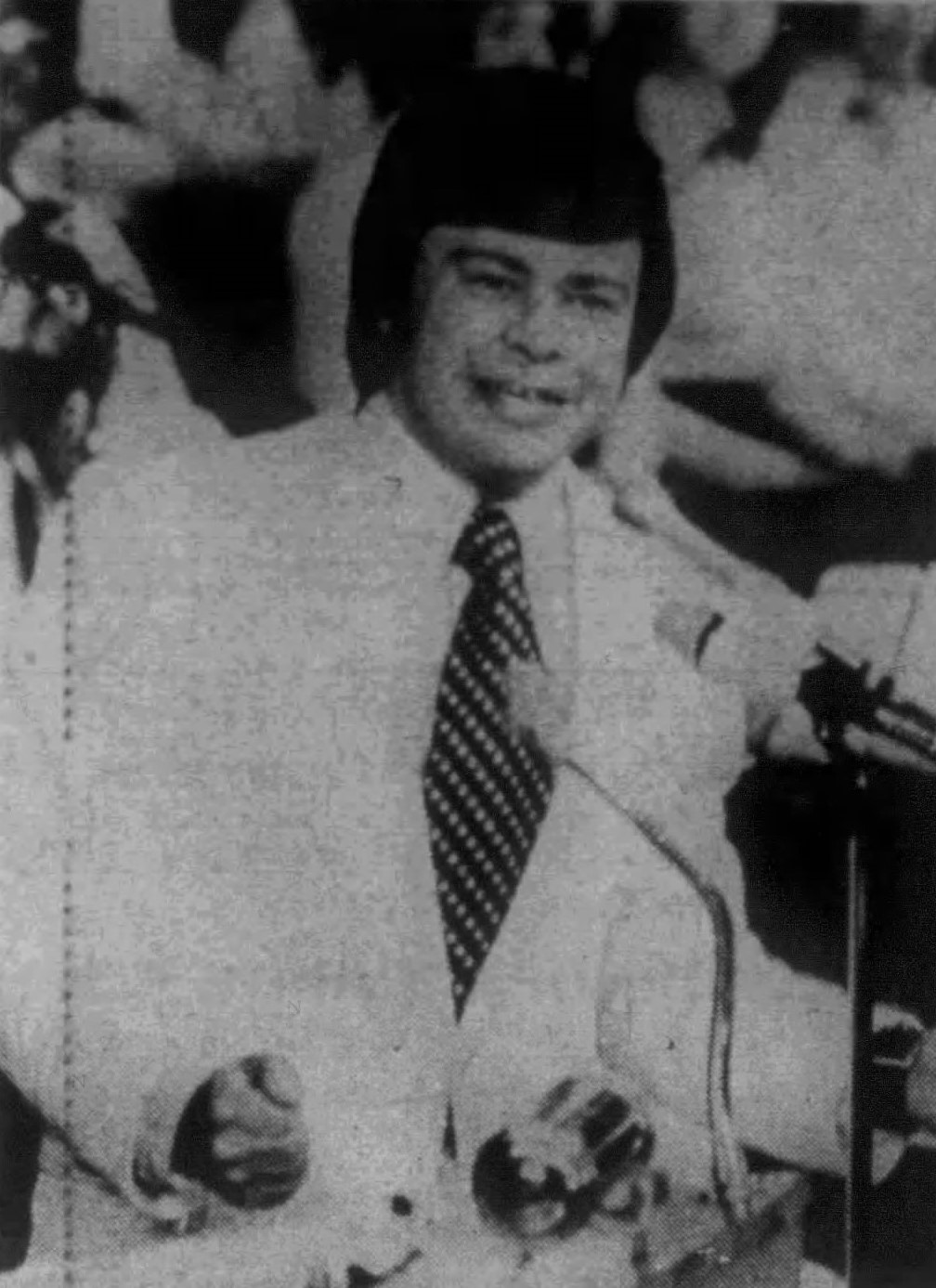
Jim Bakker cause of death not disclosed
Lori Bakker announced the death through the official social-media accounts of The Jim Bakker Show. Her statement said her husband died peacefully Monday evening and thanked viewers for their prayers and support. It did not identify an illness or other cause. Reports from Reuters, USA Today and CNN likewise said the Jim Bakker cause of death had not been made public.
The announcement came from the ministry he rebuilt with Lori after prison. That setting was fitting: television was not merely Bakker's profession. It was the medium through which he understood ministry, community and commerce, and it remained the stage on which he tried to define both his success and his repentance.
Why his death marks the end of a television era
Bakker belonged to the first generation of preachers who saw that television could become more than a camera pointed at a Sunday sermon. He treated it as a daily relationship. The host chatted, cried, interviewed entertainers and clergy, asked viewers to give and invited them to imagine themselves as members of a national congregation. That combination anticipated the influencer economy by decades: personality created trust, trust created recurring attention and attention could be converted into donations and products.
The machinery now looks familiar. Today's mega-ministries use streaming apps, podcasts, social feeds, conference circuits and direct-to-audience stores. Bakker's PTL built the same basic flywheel with satellite dishes, telephone banks and a talk-show set. His legacy is therefore larger than one denomination or scandal. He helped establish the media-ministry complex as a durable American institution, while his downfall supplied its enduring cautionary case.
Jim Bakker PTL Club: how the empire was built
Born James Orsen Bakker in Muskegon, Michigan, in 1940, he met Tammy Faye LaValley at a Bible college in Minneapolis. They married in 1961, left school and began as traveling evangelists. Their early act mixed preaching, songs and puppetry, a style that translated naturally to television.
At Pat Robertson's Christian Broadcasting Network, Bakker became the first host of The 700 Club and helped turn a small religious station into a broader programming operation. After a short association with the founders of Trinity Broadcasting Network, Jim and Tammy Faye created PTL in 1974. The initials were explained as both “Praise the Lord” and “People That Love,” phrases that captured the ministry's mix of revival language and domestic warmth.
The PTL Club did not look like the stern pulpit television that preceded it. It looked like a daytime talk show with a Christian worldview: music, testimony, celebrity guests, emotional confession and direct appeals to viewers. Tammy Faye's openness, theatrical makeup and willingness to discuss subjects many conservative Christians avoided broadened the program's appeal. Jim supplied the entrepreneurial drive and fundraising cadence.
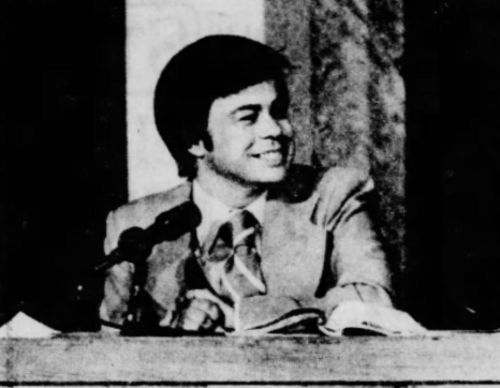
Heritage USA Jim Bakker and the scale of the promise
The television program became the front door to a physical world. Heritage USA, built in Fort Mill, South Carolina, combined hotels, shops, performance venues, prayer spaces and theme-park attractions. At its peak it ranked among the country's most visited attractions. PTL's annual revenue exceeded $129 million, a striking sum for the 1980s and evidence that religious television could support an enterprise on the scale of a major entertainment company.
That comparison needs context. Contemporary mega-churches may reach millions through inexpensive digital distribution, but PTL had to finance studios, satellite transmission, a resort and a large permanent staff. It also concentrated extraordinary financial and editorial authority around one couple. Modern ministries often divide those functions among boards, production companies and networks, though accountability varies widely. PTL's scale was not merely about audience; it was about turning audience loyalty into a capital-intensive destination.
Supporters remember Heritage USA as a place where families worshiped, vacationed and felt part of something optimistic. Former workers and visitors have described an atmosphere of intense community. Critics saw a Christian version of commercial spectacle, financed by relentless appeals. Those two experiences could coexist: the park could be meaningful to guests even as the financial promises underwriting it grew unsustainable.

PTL Club scandal, Jessica Hahn and a public collapse
The empire began to unravel in 1987 after reporting disclosed a payment connected to church secretary Jessica Hahn. Hahn alleged that Bakker and another minister sexually assaulted her in a Florida hotel room in 1980. Bakker acknowledged a sexual encounter but denied rape. He resigned from PTL after the payment became public. The distinction between allegation, admission and denial is essential to a fair account: the sexual-assault claim was contested, while the financial arrangement and Bakker's departure were documented.
The PTL Club scandal Jessica Hahn disclosures opened a wider examination of the ministry's money. Donations plunged, leadership shifted and Heritage USA entered bankruptcy. The crisis coincided with scandals involving other prominent television preachers, intensifying scrutiny of the industry's finances and helping turn “PTL” into a cynical joke — “pass the loot” — among detractors.
For many supporters, that shorthand flattened years of programming, charitable work and personal connection into a punchline. For critics, it captured the imbalance between trusting viewers and leaders who controlled the appeal, the accounting and the story told on air. The public argument over Bakker never fully escaped that divide.
Jim Bakker fraud conviction and prison: what the case proved
The criminal case focused on fundraising promises rather than the sexual scandal. PTL sold $1,000 “lifetime partnerships” that were supposed to guarantee buyers an annual three-night stay at a Heritage USA hotel. Prosecutors said the ministry sold far more partnerships than the available and planned rooms could accommodate, while promised lodging was unfinished and much of the money went to operations and executive benefits.
A federal jury convicted Bakker in 1989 on fraud and conspiracy counts. He received a 45-year prison sentence and a $500,000 fine. An appeals court upheld the convictions but set aside the original punishment, finding that the sentencing judge had improperly brought his own religious views into the proceeding. Bakker was later resentenced to eight years and served about four and a half years before parole.
The Jim Bakker fraud conviction prison record matters because it separates documented criminal conduct from the looser mythology around PTL. The conviction established that fundraising representations were fraudulent. The appellate ruling established that even a notorious defendant was entitled to sentencing free from a judge's religious condemnation. Both are parts of the legal history.
Prison, repentance and the argument over redemption
Bakker later said prison stripped away his prosperity-gospel theology. In his memoir I Was Wrong, he described reading the Bible fully in prison and rejecting the idea that faith guaranteed wealth. That confession gave supporters a coherent redemption narrative: a fallen minister who accepted responsibility, endured punishment and returned with a more chastened message.
Skeptics saw a more complicated sequel. Bakker returned to television in 2003 and increasingly built programs around prophecy, social breakdown and preparation for catastrophe. His show sold freeze-dried food and other survival products. During the COVID-19 pandemic, claims made while marketing a silver product brought action from regulators and state authorities. To critics, the new format exchanged prosperity promises for fear-based commerce. To supporters, it provided practical preparation and biblical warning in uncertain times.
The contradiction cannot be resolved neatly. Bakker publicly repudiated important parts of his earlier theology, yet again combined religious broadcasting with product sales. His comeback was a genuine second act and also a reminder of how durable the original business model remained.
Jim Bakker Show, Lori Bakker and the second act
Tammy Faye divorced Bakker while he was in prison; she died in 2007. The search phrase “Tammy Faye Bakker husband dies” points to the couple's inseparable place in popular memory, but it can obscure the decades after their marriage ended. The 2021 film The Eyes of Tammy Faye, for which Jessica Chastain won the Academy Award for best actress, renewed interest in Tammy Faye's empathy, performance and complicated role inside the PTL system.
Bakker married Lori in 1998. Together they launched the daily Jim Bakker Show in 2003, first from the Branson area and later from the Morningside development in Blue Eye, Missouri. Lori became co-host, ministry partner and the public figure most closely associated with his later life. The announcement “Jim Bakker Show Lori Bakker” viewers saw this week was therefore not simply a family notice; it came from the institution built around their partnership.
His son Jay Bakker followed a different religious path, emphasizing grace and outreach to people alienated from conventional churches. That contrast — an apocalyptic media ministry on one side, a smaller and more countercultural ministry on the other — reflects the generational dispersal of the Bakker legacy.
From PTL to Trump-era evangelical media
In his later years Bakker became a staunch supporter of Donald Trump, presenting political conflict through an evangelical and frequently apocalyptic frame. That alliance placed him within a broader shift: television ministries that once focused primarily on healing, conversion and fundraising increasingly blended religious identity with partisan politics.
Bakker did not create that movement by himself, but his format helped make it possible. He showed how a host could build a parasocial bond strong enough to carry viewers from worship to lifestyle, commerce and politics. The channel changed — from broadcast affiliates and satellites to streaming platforms and social feeds — while the underlying relationship became more valuable.
Related Signal Post News coverage has examined how religion and public power intersect in Pope Leo XIV's Paris visit, Cardinal Zuppi's Moscow mission and Trump's San Antonio midterm rally.
What happens next for Bakker's ministry
Lori Bakker is the clearest figure to carry the existing ministry forward, but succession is not simply a question of who occupies the host's chair. The Jim Bakker Show was built around its namesake's biography, recognition and ability to turn personal testimony into a continuing broadcast relationship. Preserving the operation will require the ministry to decide whether it is conserving that personality-led format or becoming something less centered on one man.
The larger industry is already in generational turnover. Its most powerful voices increasingly emerge through churches with professional digital operations, political podcasts and social-video ecosystems rather than national syndicated talk shows. Yet the central issues exposed by PTL remain: who controls the money, what donors are promised, how boards oversee charismatic founders and where ministry ends and merchandise begins.
Televangelist Jim Bakker dead in 2026: a legacy without a simple verdict
The shorthand “televangelist Jim Bakker dead 2026” cannot contain the contradictions of the life. He was a pioneer who understood television's emotional grammar before much of organized religion did. He and Tammy Faye made Christian broadcasting warmer, more theatrical and more culturally visible. He built institutions that employed thousands and mattered deeply to viewers.
He also presided over a ministry whose financial representations led to felony convictions and prison. His fall damaged donors, workers and public trust. His later return demonstrated resilience and offered believers a story of repentance, while reopening questions about selling products through spiritual urgency.
That tension is the honest obituary. Bakker helped invent a form of American religious media that outlived PTL, Heritage USA and the broadcast era that created them. The methods evolved, the platforms multiplied and the personalities changed. The argument he embodied — whether mass-media ministry expands a community or turns faith into a marketplace — remains unresolved.
Sources and further reading
Signal Post News obituary desk