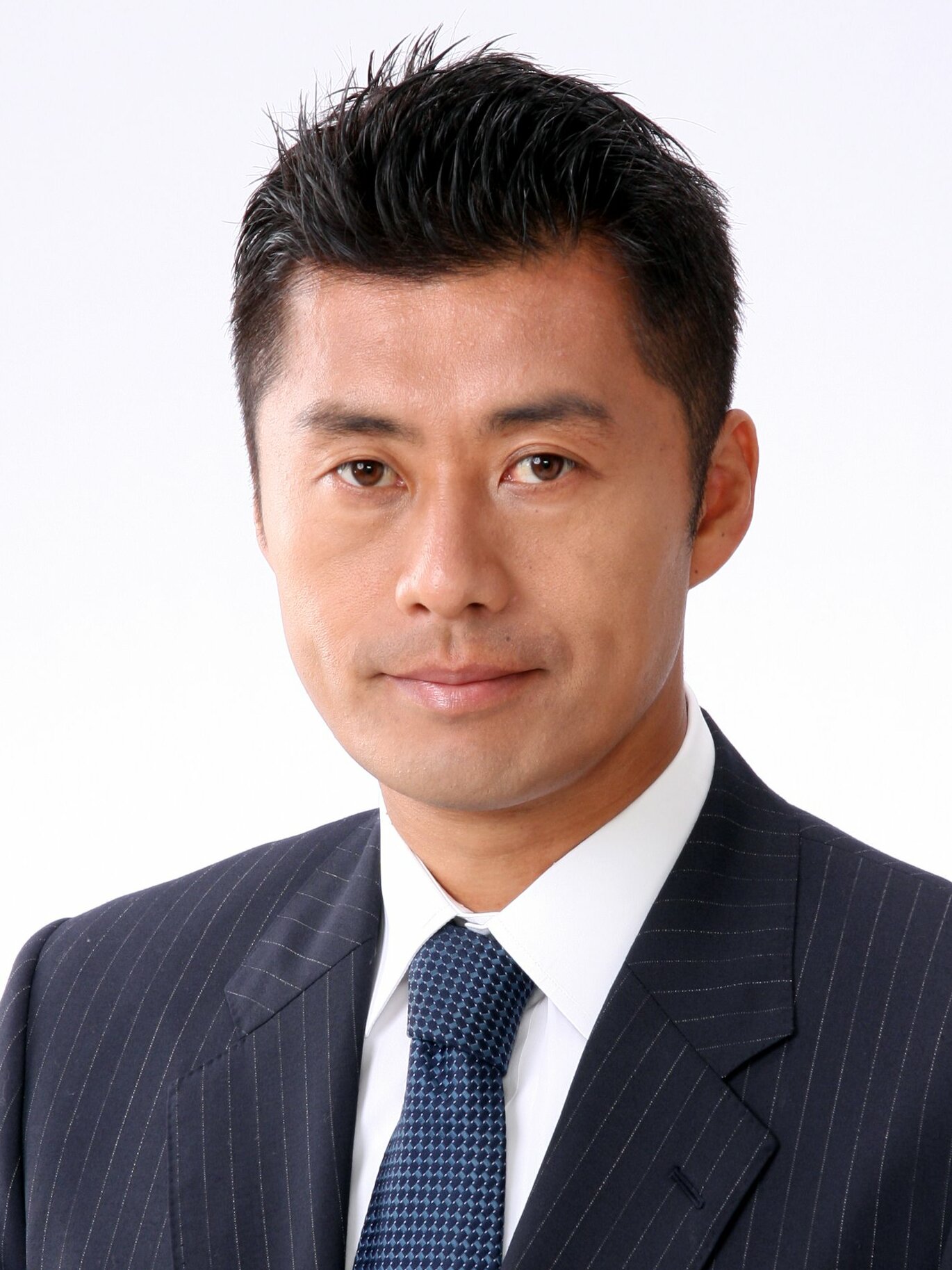
Japan stockpile food and water is about to become an official national request. Goshi Hosono, Japan's Minister in charge of Disaster Prevention, announced on Monday that on November 2 — the day Japan's new Disaster Prevention Agency officially launches — he will issue an "emergency request" to every citizen in the country, to all central government ministries and to all 47 prefectures, urging them to step up disaster preparation. Appearing on Fuji TV's online program "News Enchōsen Hajimemasu," Hosono set out what he will ask of every household: "At minimum 3 days — I would like to say one week — please properly prepare food, toilets and water at home, so you can manage without public assistance." The request has not been issued yet; Monday's announcement is the warning that it is coming, and it is aimed at the disasters Japanese planners fear most: a Nankai Trough megaquake, a massive earthquake directly beneath Tokyo, megaquakes along the Chishima and Japan Trenches, and an eruption of Mt. Fuji.
Track it live: live earthquake data on the Signal Post News earthquakes tracker.
What Hosono actually said
The announcement, reported by FNN on Monday, was unusually specific for a Japanese disaster-preparedness message. Hosono did not speak in generalities about "being prepared." He named the addressees — all citizens, the central ministries and every prefecture — the date, November 2, and the exact household standard he wants: food, water and portable-toilet supplies sufficient for at least three days, and ideally a full week, stored at home so that families can get through the first phase of a catastrophe without waiting for public assistance to reach them.
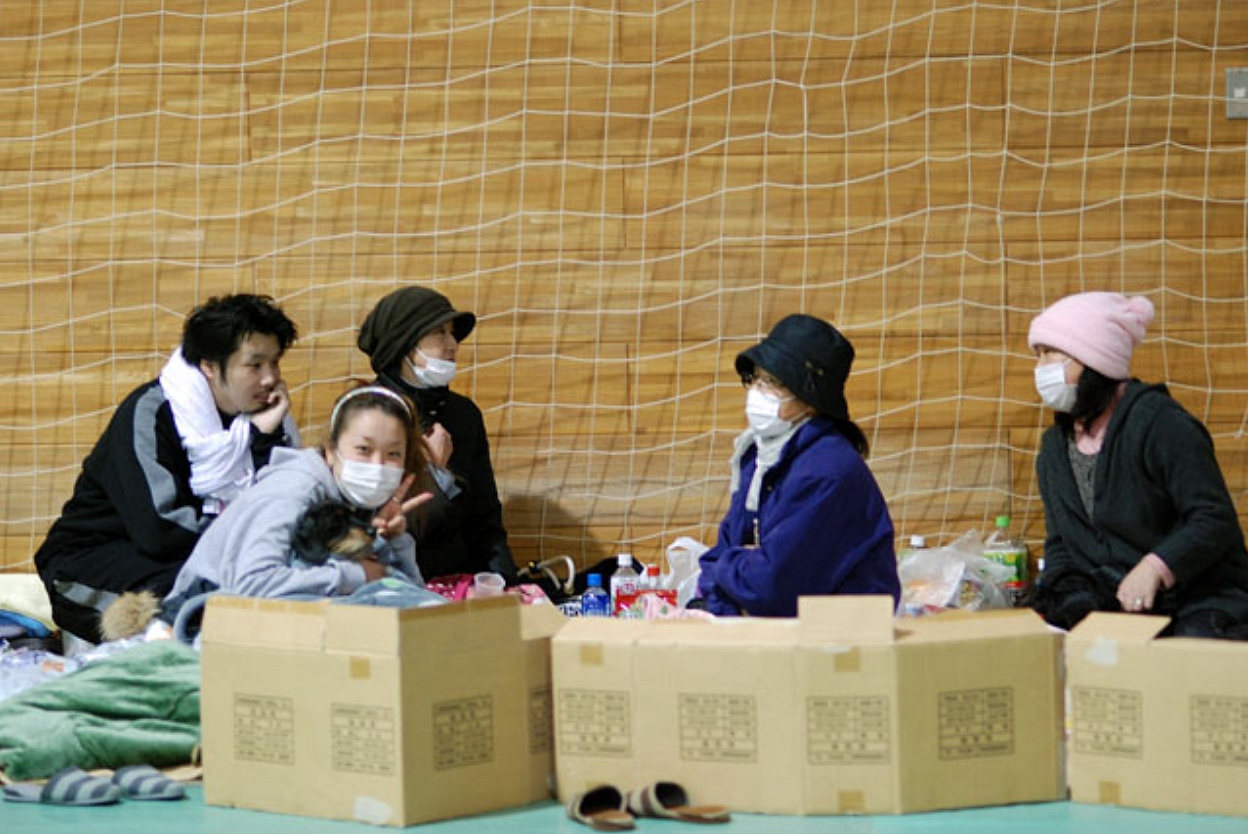
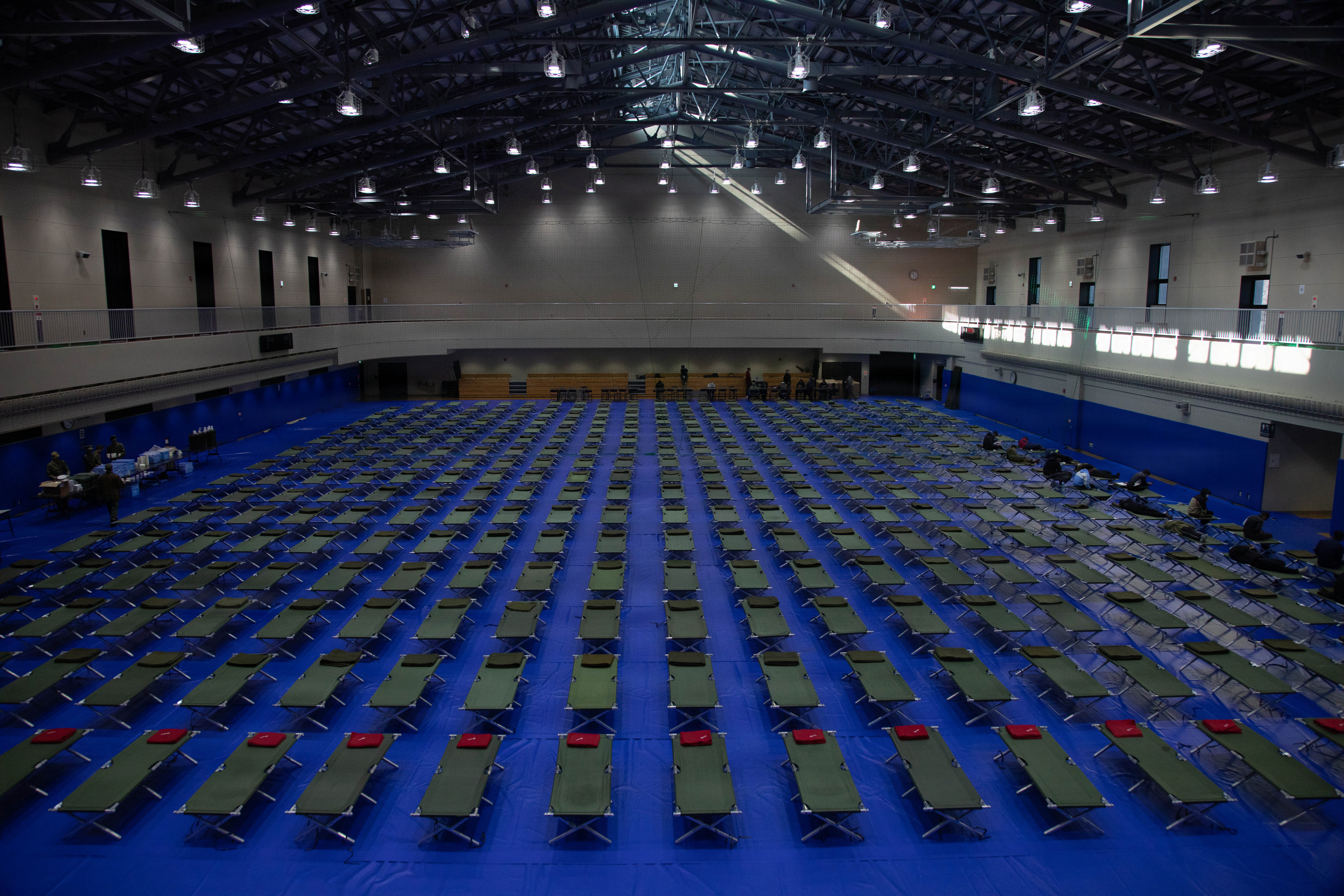
He also put the state of Japan's evacuation shelters at the top of his agenda. Japanese shelter conditions — gymnasiums with thin blankets on hard floors, cold meals, scarce toilets — have been criticised after every major disaster for decades. Hosono said he wants to raise them to a standard he called "TKBB": Toilet, Kitchen (meaning warm meals), Bed, and Bath, delivered through public-private partnership. He described what the new agency makes possible as a different level of preparation from anything Japan has done before: the Disaster Prevention Agency will have the power to issue recommendations across government ministries, and officials have floated a framework of some 100,000 registered volunteers able to support roughly 20,000 shelters nationwide. The logic is blunt. In the first 72 hours after a megaquake, the state cannot feed everyone. Hosono's request is an attempt to make sure it does not have to.
The threats he named
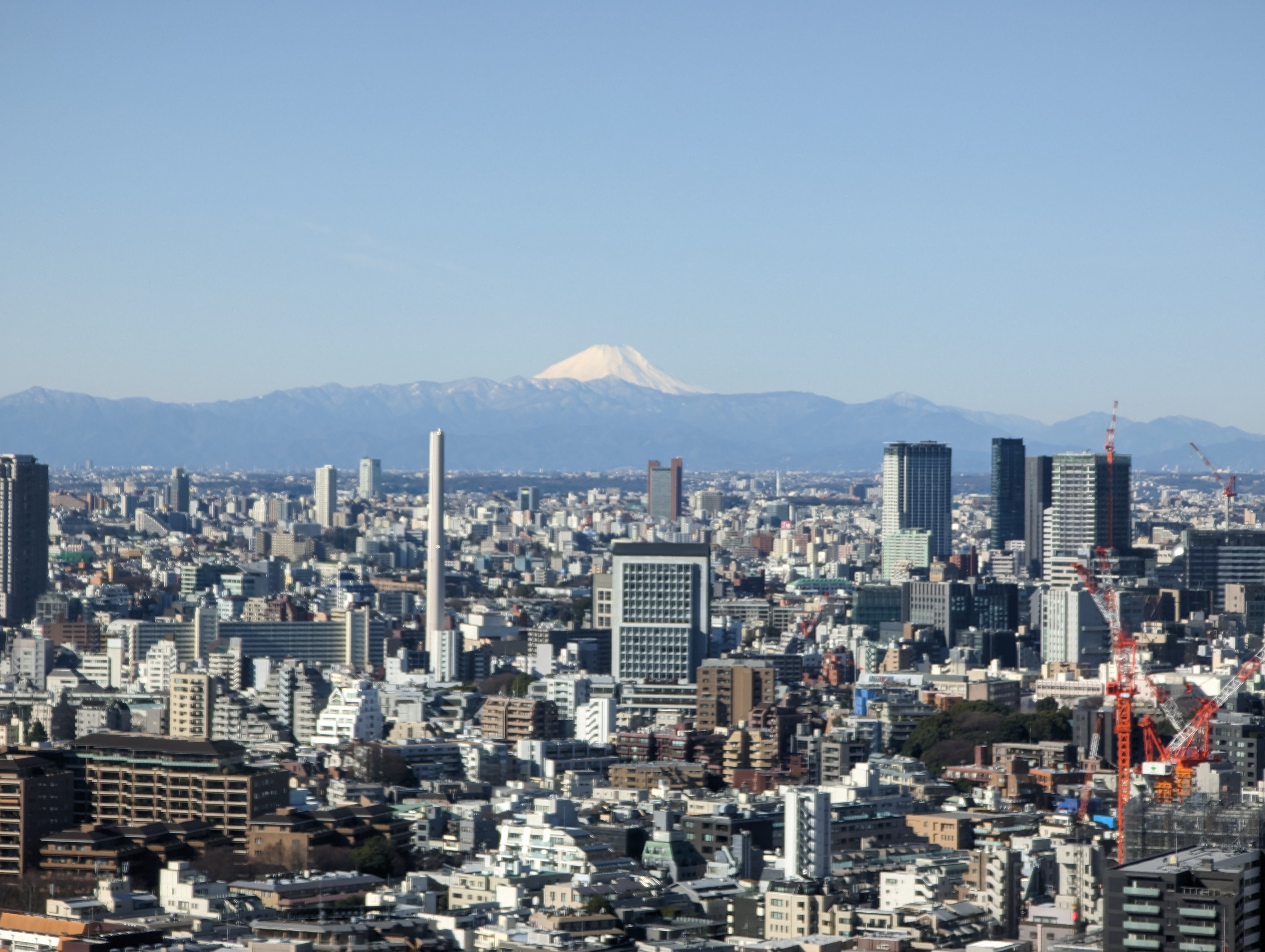
Every item on Hosono's list is a scenario Japanese government panels have already war-gamed in grim detail. The Nankai Trough, the ocean trench running along Japan's Pacific coast from Suruga Bay to Kyushu, has produced magnitude-8-class earthquakes roughly every 100 to 150 years, most recently in 1944 and 1946; government estimates put the probability of a magnitude 8 to 9 event within the next 30 years at around 80 percent, and a government working group has estimated a worst case on the order of 298,000 deaths, with more than two million buildings destroyed or burned. A magnitude-7-class earthquake directly beneath the capital region — a "Tokyo inland" quake — is likewise rated at roughly 70 percent probability within 30 years, with worst-case estimates in the tens of thousands of deaths and economic losses rivalling the national budget. The Chishima Trench off Hokkaido and the Japan Trench off Tohoku are capable of magnitude-9 earthquakes and tsunamis of the type that struck in March 2011. And Mt. Fuji, quiet since 1707, last scattered ash over what is now Tokyo for two weeks; a modern eruption on that scale would paralyse the capital's transport, power and water systems without a single building collapsing.
Why this matters: the state is moving the first 72 hours onto households
Preparedness advice is not new in Japan; what is new is the megaphone. Stockpiling guidance has traditionally lived in municipal pamphlets and annual Disaster Prevention Day drills, and official surveys have repeatedly found that only a minority of households actually keep even three days of supplies. By attaching the request to the launch of a brand-new national agency — and by having the responsible minister deliver it personally, to "all citizens," in the language of an emergency — the government is trying to convert background advice into a national instruction. The agency itself is the institutional half of the same shift: a dedicated Disaster Prevention Agency, replacing disaster functions previously scattered through the Cabinet Office, with cross-ministry recommendation power and a standing logistics system behind it.
The timing is not accidental either. Japan's risk picture has been tightening for two years: the first-ever Nankai Trough "megaquake attention" advisory in August 2024, the January 2024 Noto Peninsula earthquake's exposure of how slowly help reaches an isolated region, and the March 2025 publication of updated worst-case estimates all pushed preparedness up the political agenda. Hosono's November 2 request is the moment that trend becomes a direct ask of every kitchen cupboard in the country. Whether households comply is another matter — requests in Japan carry social weight but no legal compulsion, and the gap between the government's one-week ideal and actual pantry shelves is precisely what the agency will now be measured against.
The lessons of 2011 — and the man delivering the message
There is a reason this announcement is being made by Goshi Hosono. In March 2011, when the Tōhoku earthquake and tsunami triggered the Fukushima Daiichi nuclear meltdowns, Hosono was the young cabinet minister Prime Minister Naoto Kan put in charge of the nuclear accident response — the official who spent months as the government's face on the worst disaster in modern Japanese history. More than 18,000 people died or went missing in 2011, hundreds of thousands were displaced, and the evacuation centres of Tohoku became a national byword for official unpreparedness: not enough food, not enough toilets, elderly evacuees sleeping on cardboard on gymnasium floors for weeks. In disaster after disaster since — Kumamoto in 2016, Noto in 2024 — the pattern repeated, and in Noto the number of people who died later from disaster-related causes, many of them after enduring shelter conditions, eventually exceeded the number killed by the quake itself. When Hosono talks about toilets, warm meals, beds and baths, he is naming, one by one, the failures of 2011.
The state is stocking up too: all 10 regional bases signed
The household request is only half of Monday's news. The same day, in a separate ceremony at the Cabinet Office, the government signed its disaster-stockpile cooperation agreement with Toyama Prefecture — the tenth and final region to join the national network, Daily Sports reported. Under the agreements, prefectures provide storage facilities free of charge, and the national government pre-positions supplies such as cardboard beds and portable toilets, ready to be pushed forward to stricken municipalities after a disaster rather than waiting for each town to ask. Toyama's base, in Toyama City, will hold stockpiles for Niigata and the three Hokuriku prefectures; its governor, Hachiro Nitta, pointed to the region's experience supporting victims of the 2024 Noto Peninsula earthquake as the knowledge base it brings. At the ceremony, Hosono stressed that "the period right after a disaster strikes" is where the new agency's most important role lies. The architecture is deliberate: households hold the first three to seven days at home, regional bases push supplies to municipalities, and shelters — finally — are supposed to meet a TKBB standard when people do have to leave their homes.
Part of a worldwide preparedness wave — with a Japanese difference
Japan is not the only country whose government started telling citizens to keep supplies at home. As Signal Post News reported in our coverage of Europe's preparedness wave, the European Union now advises every household to hold 72 hours of supplies, Sweden and Poland have mailed or distributed crisis guides to millions of homes, Finland maintains a national shelter network, and Britain's "Be Ready" campaign pushes the same message. The pattern rhymes: in capital after capital, governments have concluded that the first days of a crisis belong to households, not to the state, and are saying so out loud.
The difference matters, and it is worth stating plainly: Europe's wave is driven by war — by Russia's invasion of Ukraine and the fear of a wider conflict. Japan's is driven by geology. Hosono's request names earthquakes and a volcano, not an enemy; the agency launching on November 2 is a disaster agency, not a civil-defence mobilisation. Reading Tokyo's move as a war warning would be a misreading — but reading it as part of a global shift in how states talk to citizens about self-reliance is not. From Stockholm to Tokyo, the era in which preparedness was a private hobby is ending; governments are making it a civic expectation.
What happens next
November 2 is now the date to watch. The Disaster Prevention Agency formally launches, and Hosono's emergency request — to citizens, ministries and prefectures alike — will be issued in its final wording. Three things will decide whether it changes anything. First, the wording itself: a request carries no legal force, so its power is social and symbolic, and the government will be signalling how hard it intends to push by how specific the final text is. Second, the prefectures: the stockpile-base network is complete on paper, but its real test is logistics — whether cardboard beds, toilets and food actually move at the speed the "push-type" model promises when a region is cut off, as Noto was. Third, the households: if the surveys that follow the request still find most cupboards bare, the agency's founding message will have failed on its own terms, and the next escalation — school and workplace stockpiling, local ordinances — will follow. Hosono has spent fifteen years carrying the lessons of Fukushima. On November 2 he gets to find out whether the country has been listening.
Sources
FNN (Fuji News Network), "Minister Hosono to issue 'emergency request' to all citizens: prepare food, water and toilets," October 26, 2026 — news.jp (Hosono's remarks on Fuji TV's online program "News Enchōsen Hajimemasu": the November 2 emergency request to all citizens, central ministries and prefectures; minimum 3 days, ideally 1 week of food, toilets and water at home; the named threats — Nankai Trough, Tokyo inland, Chishima and Japan Trench megaquakes, Mt. Fuji eruption; the TKBB shelter standard). FNN news clip and full interview, YouTube (Fuji TV/FNN), October 26, 2026. Daily Sports, "Disaster stockpile agreements signed nationwide; government push-type support," October 26, 2026 — daily.co.jp (Toyama signing completing all 10 regional stockpile-base agreements; pre-positioned cardboard beds and portable toilets; Toyama base covering Niigata and the three Hokuriku prefectures; Hosono at the ceremony). Government of Japan disaster-management estimates (Nankai Trough and capital-region earthquake probabilities and worst-case assessments) as published by the Cabinet Office. File photographs: Cabinet Public Affairs Office, Syced, Steven L. Herman (Voice of America) and the U.S. Marine Corps, via Wikimedia Commons.