Sports / Cricket — The James Anderson Lancashire contract story has reached the point nobody at Old Trafford wanted to say out loud: the club will not offer England's greatest fast bowler a new deal for 2027, and at 44, after taking 50 wickets this summer, he must now decide whether a quarter-century career is over.
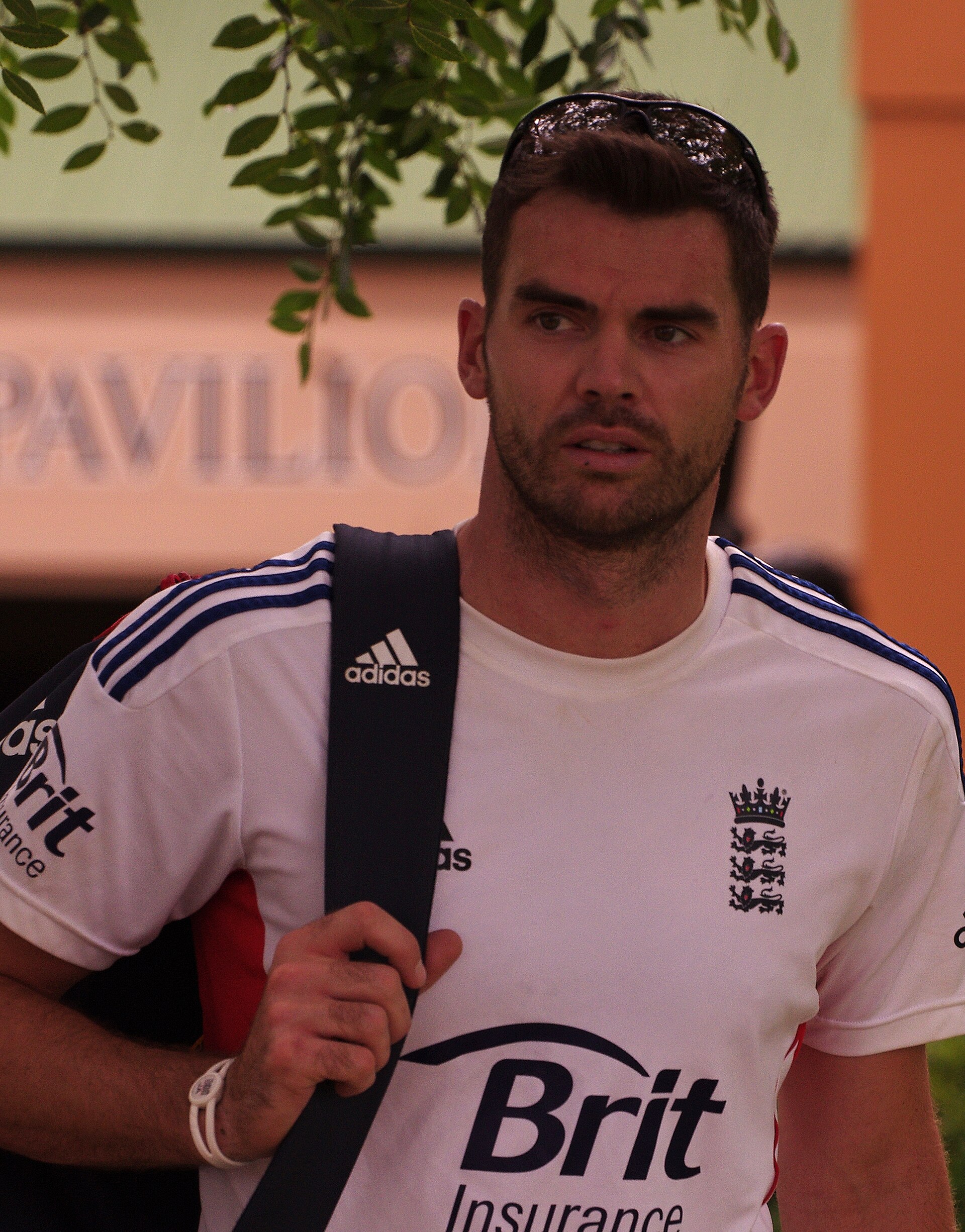
Sir James Anderson has been told by Lancashire, his boyhood club, that he will not be offered a new contract for the 2027 season, in a decision first reported by The Times on Wednesday and since learned independently by ESPNcricinfo and understood by the Press Association. Anderson, 44, captained Lancashire in the County Championship this summer and took 50 wickets at an average of 17.68 in 11 matches — one of only seven bowlers in Division Two to pass 50, and enough to make him the county's Championship player of the year in some accounts of the season. None of it was enough. Lancashire declined to comment when approached, Anderson has made no public statement, and — this point matters, and this article will keep returning to it — retirement has not been announced. What has happened is narrower and, in its way, colder: the club that has an end of its ground named after him has decided its rebuild will happen without him.
The Times reported that Anderson was informed on Monday in a meeting with Richard Kenyon, Lancashire's new chief executive, and Paul Farbrace, the incoming director of cricket, who does not officially begin the role until November 1 but joined the meeting to outline plans for the future — plans that do not include a new deal for the bowler. ESPNcricinfo reported that Anderson was informed this week by senior Lancashire officials, that he had every intention of continuing his Lancashire career into 2027 before the decision, and that it is unclear whether he will try to continue with another county or decide he has reached the end of the road. The Press Association, via reports carried by the Glasgow Times and DAZN, understood the same position: Anderson is not part of the new leadership's plan, and a long association with Lancashire that began around 25 years ago is set to end. Three separate reporting lines, one consistent core fact. Everything beyond that core — retirement, another county, coaching, media — is expectation and inference, and it is labelled as such below.
What actually happened, in order
Start with the season, because the decision only makes sense — or fails to make sense — against it. Lancashire endured what ESPNcricinfo called their worst-ever County Championship finish, avoiding the wooden spoon by a single spot. The Times put the same season in harder numbers: second from bottom in Division Two, only two matches won, the fewest of any county. The Press Association noted Lancashire had been strong favourites for promotion and finished second bottom instead. A club that expected to go up nearly finished last. That kind of season ends regimes. Daniel Gidney, the long-serving chief executive, left at the end of the season. Mark Chilton was relieved of his duties as director of cricket. Kenyon took over as chief executive this month and launched what ESPNcricinfo described as a wide-ranging review of the club's cricketing operations. Farbrace was appointed director of cricket. Further change within the coaching set-up could follow, ESPNcricinfo added. Anderson's contract decision arrived inside that clear-out, not outside it.
Anderson's own numbers moved in the opposite direction to his team's. Fifty Championship wickets at 17.68, in 11 of Lancashire's 14 fixtures, while managing a calf injury — the same calf problem that limited him to six Championship appearances in 2025. Seventh-highest wicket-taker in Division Two. Captain since midway through the 2025 season, after twice deputising that summer, and named captain for 2026 when he signed a contract extension last November. In 2025 he had also done things nobody expected of a 42- and 43-year-old seamer: 17 wickets in six Championship outings, a return to T20 cricket in the Vitality Blast for the first time in a decade, and a place in The Hundred with Manchester Originals. The arc was not of a player fading quietly. It was of a player whose body kept negotiating one more season, and whose craft — swing, seam, accuracy, the wobble-seam ball that defined his later years — kept winning the negotiation.
Then came Monday's meeting, as The Times reported it. Kenyon and Farbrace outlined the future. Anderson, who The Times said is widely expected to retire as a result, has not said so himself. The Times added that, should he retire as expected, he is likely to focus on media work including the Tailenders podcast and other business interests, and that he has not ruled out coaching although he has no immediate plans. ESPNcricinfo was more open-ended: another county, or the end of the road — unclear. That gap between "widely expected" and "unclear" is the honest state of this story on Thursday, October 22. Anyone writing that Anderson has retired is ahead of the evidence. Anyone writing that Lancashire have decided against a new contract is on solid ground, confirmed three ways.
The numbers that will outlive the decision
Anderson's career figures are so familiar in English cricket that they risk sounding like background noise. Put them in one place, with their context, and they recover their weight. He played 188 Test matches for England and took 704 Test wickets at an average of 26.45 — more than any fast bowler in history, and more than any England bowler of any kind. Only two men, both spinners, stand above him on the all-time Test list: Sri Lanka's Muttiah Muralitharan, with 800, and Australia's Shane Warne, with 708. Anderson is four wickets behind Warne. That proximity is worth pausing on: a seam bowler, operating mostly in English conditions but for more than two decades on every kind of surface, finished within four wickets of the greatest leg-spinner the game has produced. The next fast bowler behind him, his long-time new-ball partner Stuart Broad, retired on 604 — exactly 100 wickets back. There is no active fast bowler anywhere near Anderson's total, and the modern calendar, with its franchise leagues and managed workloads, makes it genuinely unlikely that any fast bowler will reach 700 again. Records are often described as there to be broken. This one may simply be there.
Beyond Tests, the totals compiled across the reporting and his career record are just as striking: 991 international wickets across formats in some summaries of his England career; 269 wickets in one-day internationals, from 194 ODI appearances on his career record; 1,193 first-class wickets in 315 matches, including 56 five-wicket hauls; 358 wickets in 261 List A matches. He was knighted in 2025 — Sir James Anderson — an honour that usually arrives safely after a career has ended, except that his career refused to end on schedule. He made his final Test appearance against West Indies at Lord's in July 2024, a valedictory match arranged after England's management — Rob Key, Brendon McCullum and Ben Stokes, following the tour of India earlier that year — encouraged him to call time on his international career. He spent the following winter working with England as a bowling coach and consultant, then stood down from that role to go back to playing. Even his ending, the first time it was attempted, turned into a continuation.
Why this matters
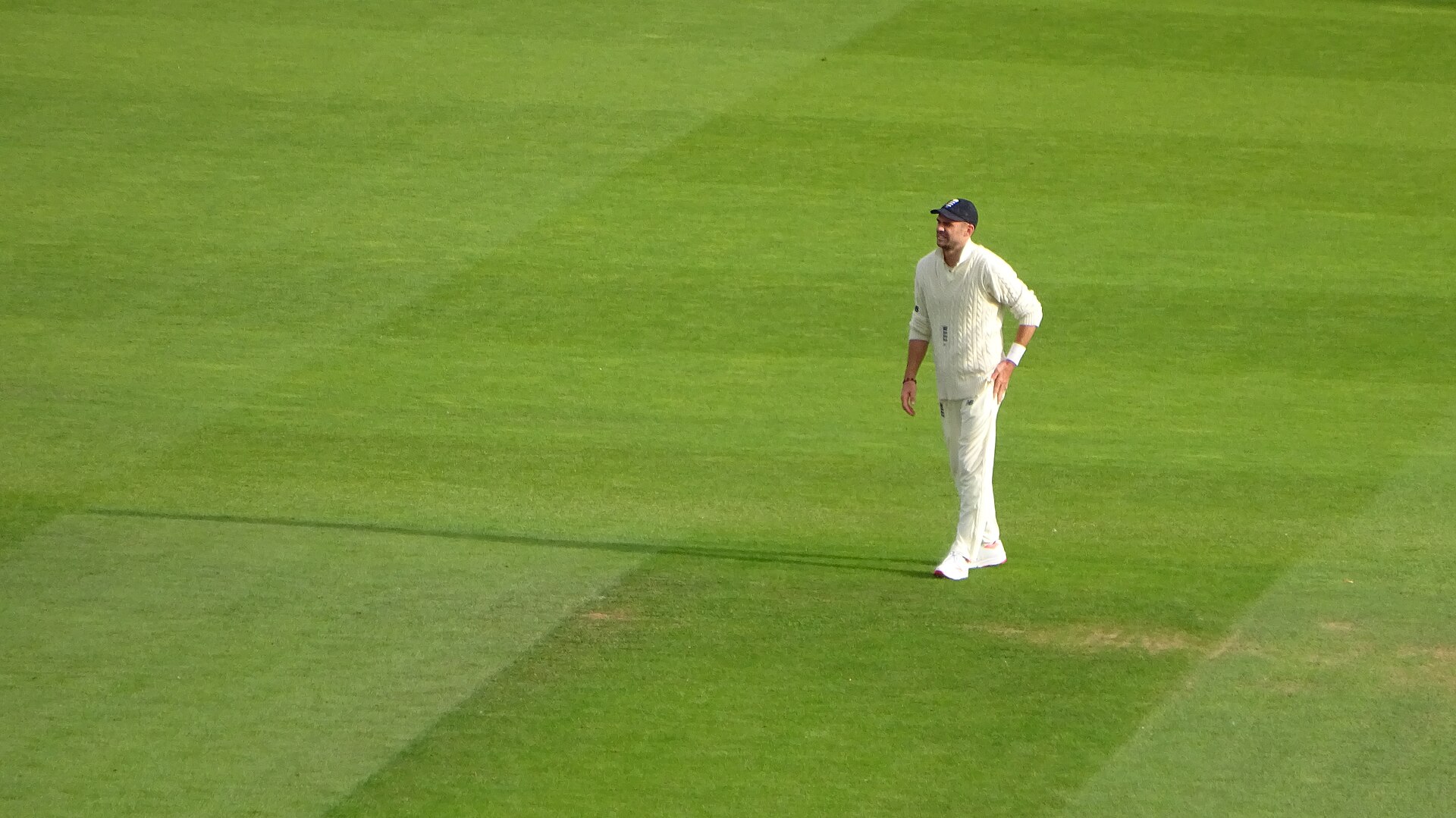
This matters for three reasons that go beyond one county's contract list. The first is about how sport ends its greatest careers. Anderson has now been ended twice, in effect, by other people's planning: first by England in 2024, when Key, McCullum and Stokes decided the attack needed to refresh before the next Ashes cycle, and now by Lancashire, when Kenyon and Farbrace decided a Division Two rebuild needed to start without its 44-year-old captain. On both occasions the individual numbers argued the other way. In 2024 he was still, by most measures, among England's best seamers. In 2026 he took 50 wickets at under 18 apiece for a failing team. Institutions, though, do not plan around individuals — not even this individual. They plan around cycles, budgets, dressing-room succession and the story they want the next three years to tell. Supporters are entitled to ask whether that logic, applied this ruthlessly to this player, is wisdom or ingratitude, and this article will not pretend the question answers itself. The counter-case is real: Lancashire finished second from bottom with Anderson. His presence did not prevent the worst season in the club's modern history, his calf injury is chronic, he will turn 45 during next season, and every over bowled by a 44-year-old captain is an over not bowled by the seamer who has to lead the attack in 2028. A rebuild that keeps its most famous player is not really a rebuild; it is a tribute act with fixtures. Both of those arguments are honestly held. What is harder to defend, if the reporting is right, is the manner: a player of this stature learning his fate in an October meeting, with the club declining to comment publicly and no farewell fixture, no lap of Old Trafford, no chance for the crowd that watched him for a quarter of a century to say goodbye properly — at least not yet, and not on any schedule the club has announced.
The second reason is what Anderson represents about longevity itself. Fast bowling is the most physically destructive job in cricket. Careers at the top level typically burn for eight to twelve years. Anderson bowled more than 40,000 balls in Test cricket alone, across 188 matches and 21 years of international cricket, and was still taking wickets at 17.68 in county cricket at 44, on a managed calf, in a team losing almost every week. Sports science, workload management and his famously economical action explain part of it. The rest is harder to systematise: a refusal, documented across two forced endings, to accept that other people's timelines were his. When he was pushed out of the England side, he coached for a winter and then un-retired himself back into county cricket and The Hundred. It would be very much in character — though it is not reported, and must not be presented as expected fact — for him to at least ask whether another county wants a season of the most experienced seamer alive. ESPNcricinfo's careful "unclear" leaves that door open. The Times' "widely expected to retire" pushes it nearly shut. His own silence, so far, is the only primary source, and it says nothing.
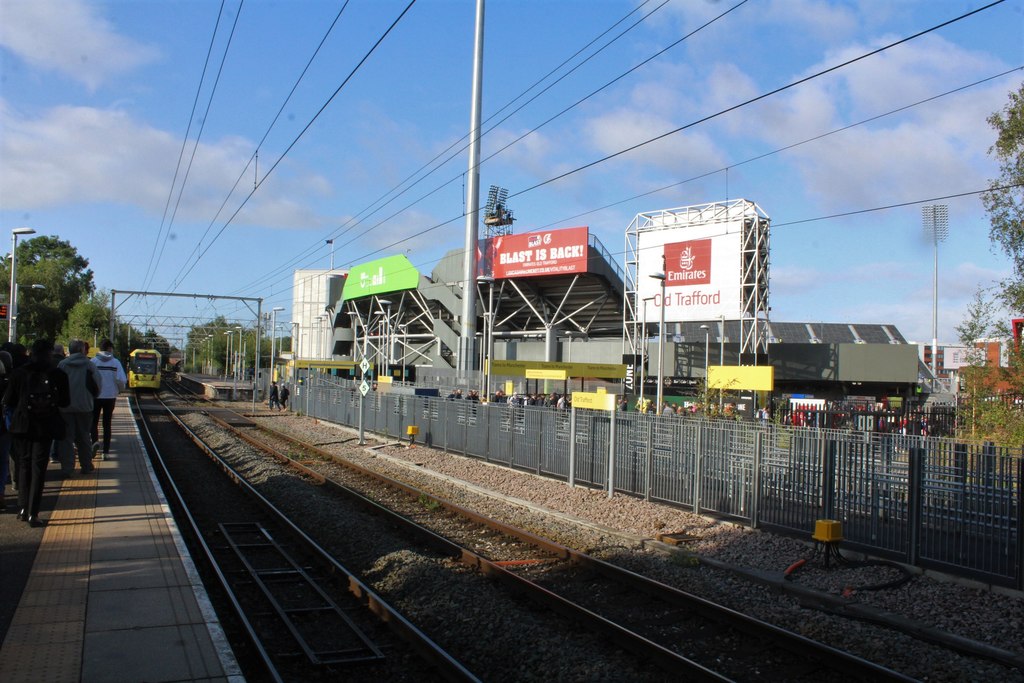
The third reason is Lancashire-specific, and it is uncomfortable. Anderson is not merely a former player attached to this club. He is, by any measure, the greatest cricketer Lancashire have ever produced: Burnley-born, boyhood club, an end at Emirates Old Trafford named the James Anderson End while he was still playing — an honour grounds usually reserve for the retired and the dead. The Press Association's report lingered on that detail, and it deserves lingering on. A club does not name an end after a man and then, two seasons later, decline to offer him a contract without understanding exactly how that will read. Kenyon and Farbrace plainly decided the rebuild mattered more than the reading. That may prove correct on the field. Off it, they have spent a large amount of the goodwill a new regime starts with, before Farbrace has officially spent a single day in the job.
The case for Lancashire's decision
Balance requires stating the club's logic as strongly as it can be stated, even though the club itself declined to comment. Lancashire's 2026 season was, by the standards of one of England's biggest counties, a failure with few precedents: strong favourites for promotion, two wins all season, second from bottom, the chief executive and director of cricket gone. A review followed, and reviews that change nothing are worse than useless. Anderson was captain of that season. Captains of disastrous seasons rarely survive regime change in any sport, and there is a version of events in which keeping him — as captain, as opening bowler, as the gravitational centre of the dressing room — would have made genuine renewal impossible for Farbrace before he started. There is also the succession question. ESPNcricinfo listed the captaincy options the club must now choose between: Josh Bohannon, this season's official vice-captain, who struggled with the bat; George Balderson, who led the side in the Metro Bank Cup and in the final Championship game of the season; and Keaton Jennings, a former club captain and the current T20 captain. None of those conversations can happen honestly while Anderson is still in the room. And there is the calendar: Anderson turns 45 next July. A contract for 2027 is a contract for a 45-year-old fast bowler with a recurring calf injury, however extraordinary his 2026 numbers were. Every county medical department in the country would price that risk the same way. Sentiment is not a selection policy, and Lancashire's new leadership was hired, in large part, to stop acting as if it were.
The case against, as supporters will make it
The supporters' case is equally simple, and it starts with the scorebook. Fifty wickets at 17.68. County Championship player of the year in a team that won twice. Seventh in the division's wicket table while missing three matches injured. If a 24-year-old had produced that season, Lancashire would have offered him a three-year deal by August and fought off interest from wealthier counties. The decision, critics will say, was not really about performance at all — it was about narrative. A new chief executive and a new director of cricket needed a visible break with the past, and the most visible break available was the most famous player. There is also the manner-and-timing argument: The Times reported Anderson intended to play on in 2027. He learned otherwise in a meeting days before Farbrace formally starts. The club then declined to comment, leaving its greatest player to be farewelled, if that is what this is, by unattributed reporting. Compare the care England eventually took in 2024 — a Lord's farewell Test, a guard of honour, a crowd allowed its moment — with this October silence, and the contrast does Lancashire no credit. Finally, there is the commercial point nobody at Old Trafford will make in public: Anderson sells tickets, memberships and attention for a Division Two county in a sport fighting for all three. A farewell season, marketed honestly as a farewell season, might have been worth more to Lancashire — in every sense — than the clean break they have chosen. That option existed. The reporting says they did not take it.
What is not known yet
Precision matters more than speed on a story like this, so the unknowns deserve their own section. Anderson has not announced his retirement, and no report cited here says he has. He has not said whether he will seek another county, a franchise opportunity, or neither. Lancashire have declined to comment, so there is no club statement, no tribute, and no confirmed farewell arrangement to report. The exact date and full attendance of the meeting rests on The Times' account — Monday, with Kenyon and Farbrace — which ESPNcricinfo and the Press Association corroborate in substance (informed this week, by senior officials, not part of the new plan) without repeating every detail. Whether Anderson plays any further part at Lancashire in a coaching or ambassadorial capacity is unknown; his previous England coaching consultancy, and The Times' note that he has not ruled out coaching in general, are context, not a Lancashire plan. And the captaincy succession — Bohannon, Balderson or Jennings — is ESPNcricinfo's informed list of options, not an appointment. Any update to this story should start from those boundaries, not blur them.
What happens next
The next move belongs, unusually, to Anderson himself. If he retires, expect the announcement to come in his own words and his own time — and expect the tributes, from Broad, from Stokes, from opponents across two decades, to fill the space Lancashire's silence currently occupies. His media work gives him a platform few retiring players have: the Tailenders podcast audience will hear his version early, and The Times' reporting suggests media and business interests, with coaching a possibility rather than a plan, are the likeliest shape of his next chapter. If he plays on elsewhere, the market will be fascinating: a 44-year-old who took 50 wickets at 17.68 will not lack offers, but he has only ever played county cricket for one club, and the emotional logic of a single-club career may weigh as heavily as the bowling figures. For Lancashire, Farbrace starts on November 1 with a captain to appoint, a coaching set-up possibly still to change, and a Division Two promotion campaign that must now succeed without the man who carried its bowling through its worst season. Their judgement will be measured, fairly or not, against a simple counterfactual every time a young Lancashire seamer is hit out of the attack next April: Anderson took 50 wickets last year. On the site this week, the contrast in English sporting fortunes has been sharp — from Harry Brook's record-breaking 202 for England against Sri Lanka in Rawalpindi to the drama of India's Asian Games cricket final win over Pakistan and the rain-hit India–Pakistan semi-final — a reminder that cricket's generations turn over whether its institutions plan the handover gracefully or not. Brook, 27, is the future Anderson is making way for, in the broadest sense. The least the game owes the man making way is to let him choose the manner of his going. On the evidence of this week, Lancashire have taken half of that choice from him. The other half — retire, or bowl on somewhere else, on his terms — is still his.
Sources
The Times, "James Anderson expected to retire after not getting new Lancashire deal" (Oct 21, 2026) — thetimes.com; ESPNcricinfo, "James Anderson — Lancashire decide not to offer new contract" (Oct 21, 2026) — cricinfo.com; Press Association report via Glasgow Times, "James Anderson faces career decision as Lancashire will not offer him new deal" (Oct 21-22, 2026) — glasgowtimes.co.uk; Press Association report via DAZN, "James Anderson faces career decision as Lancashire will not offer him new deal" (Oct 21, 2026) — dazn.com.