The dispute over the reported Jalen Hurts blood clots became an open fight between the NFL and its players' union on Tuesday night. The NFL Players Association demanded a "full investigation" into the medical care provided to Philadelphia Eagles quarterback Jalen Hurts after the league concluded the Eagles had handled his case appropriately and would not be disciplined. Hurts, 28, played a full game in London on October 11 after a scan found a blood clot in his calf, according to Field Level Media's reporting, carried by Reuters and also reported by CNN Sports and NBC Sports Philadelphia; just over a week later, further testing reportedly found deep vein thrombosis and blood clots in both of his lungs, and he is expected to miss the rest of the season.
The league says Philadelphia handled it appropriately and will not discipline the Eagles — the players' union says there was no investigation to conclude from
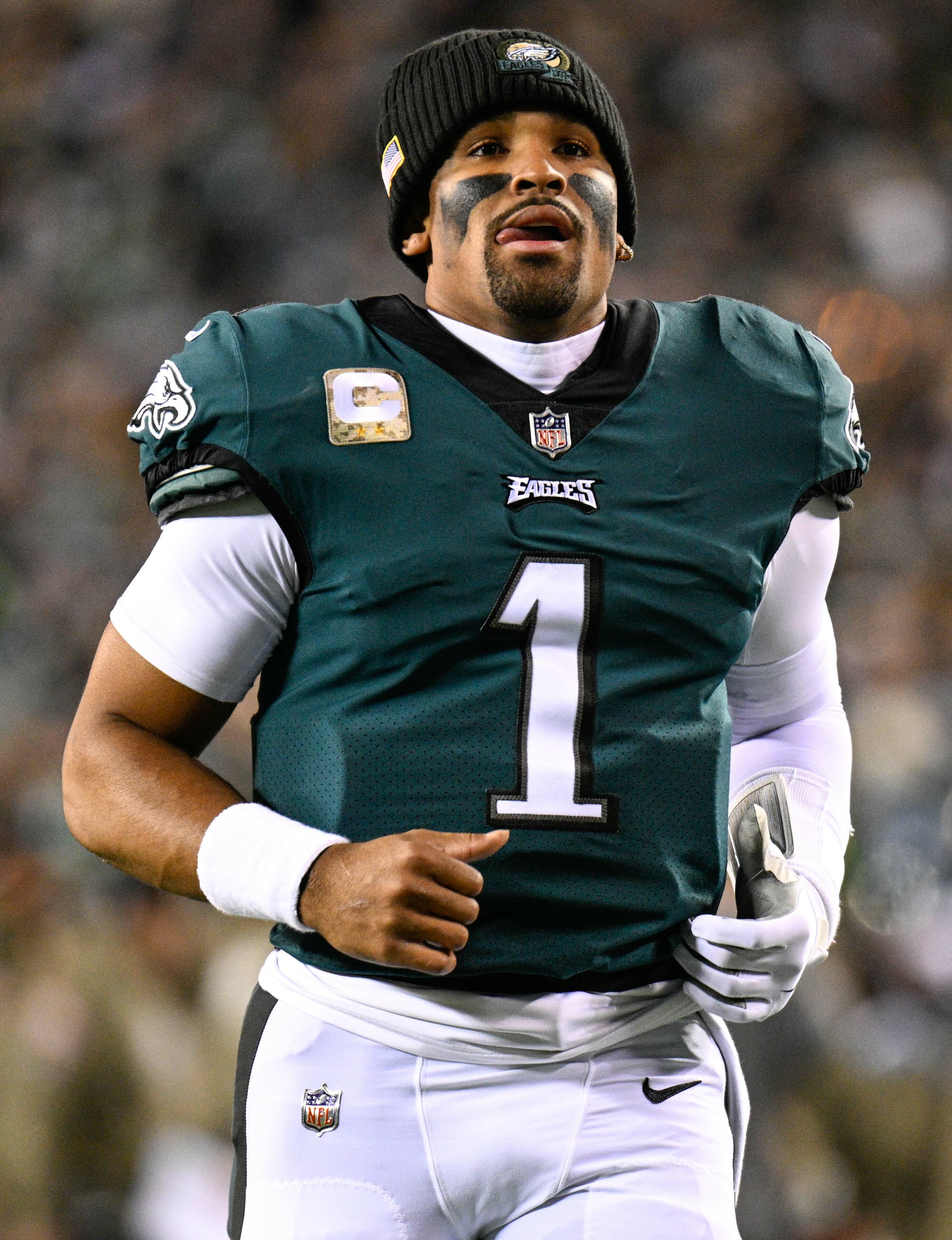
PHILADELPHIA — The statement landed on Tuesday night, October 20, and it did not read like a routine union press release. The NFL Players Association said it was calling for a "full investigation" into the medical care provided to Philadelphia Eagles quarterback Jalen Hurts — and, in doing so, it directly contradicted the league's account of its own process, hours after the NFL had declared the matter closed.
"The NFLPA is not aware of any NFL investigation into the medical care provided to Jalen Hurts," the union said. "In fact, the league previously informed the union that it did not plan to review the care he received. Before conclusions are drawn about how this situation was handled, there must be a full investigation into what occurred. Determining the facts is essential to ensuring players receive the highest level of care and protection going forward."
Earlier on Tuesday, the league had said the opposite in substance if not in so many words: it had reviewed the situation, concluded it was handled appropriately, and would not discipline the Eagles. That left the two sides of professional football describing the same ten days in incompatible terms — one insisting a review happened and vindicated everyone involved, the other insisting no review happened at all. Between those two accounts sits a 28-year-old franchise quarterback who is expected to miss the rest of the season, according to the reporting, and whose case now tests how the league polices the one thing it says matters most: the medical care of its players.
From a kicked calf to reported clots in both lungs: the timeline
Week 4: a cleat to the calf against the Rams
The sequence began, by the available accounts, with an unremarkable play. In the Eagles' Week 4 loss to the Los Angeles Rams on October 4, Hurts took a cleat to the calf, according to the timeline in Field Level Media's reporting. Calf knocks are among the most common minor injuries in football, and nothing about the week that followed suggested what was coming. The Eagles travelled to London for their international game against the Jacksonville Jaguars, and it was there, on the Saturday before the game, that the injury stopped being routine.
October 10 in London: an ultrasound, and a superficial clot
On Saturday, October 10, Hurts underwent an ultrasound at Cleveland Clinic London. The scan had been arranged, according to the reporting, with the involvement of the NFL's chief medical officer, Dr Allen Sills, and the Premier League's chief medical officer, Dr Mark Gillett — a detail that matters to both sides of the argument, because it places the league's own medical leadership inside the decision chain from the start. The ultrasound reportedly found a superficial blood clot in Hurts' calf. Doctors reportedly advised precautions around sleep before the game. What happened next is the decision at the centre of the NFLPA investigation demand: Hurts was cleared to play.
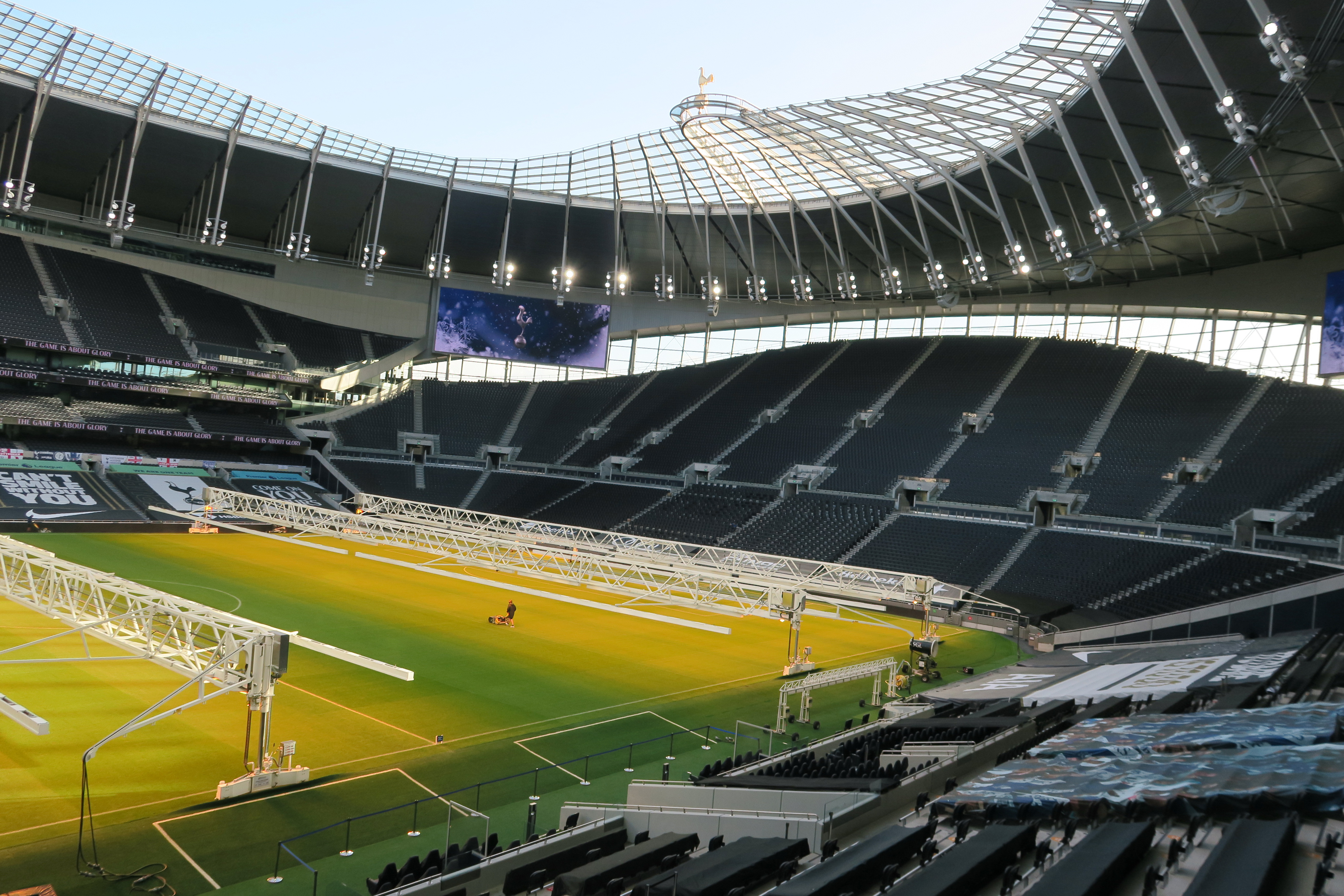
October 11: cleared, and a full game at Tottenham
The clearance, the league has emphasised, came through shared decision-making — the framework under which team physicians, outside specialists and the player himself weigh the evidence together. Hurts played the full game against Jacksonville at Tottenham Hotspur Stadium on October 11. He then flew home across the Atlantic with the team. A follow-up ultrasound the following Wednesday reportedly showed the clot had progressed.
The follow-up scan, and Monday's joint statement
On Monday, the Eagles and Hurts' agent, Nicole Lynn, issued a joint statement that reframed the entire episode. Additional testing, it said, had shown deep vein thrombosis — a clot in a deep vein — and blood clots in his lungs, bilateral pulmonary emboli. Hurts was clinically stable, according to the statement. He was likely out for the rest of the season, and he was expected to make a full recovery once he came off the blood thinners that treatment requires. On Sunday, with Tanner McKee starting in his place, Philadelphia lost 25-14 to Carolina — a defeat that dropped the Eagles to 2-4 and turned an injury story into a season story as well.
The NFL's position: handled appropriately, and no discipline for the Eagles
The league's defence, delivered on Tuesday before the union's statement, was comprehensive. The NFL said it had concluded the situation was handled appropriately and that the Eagles would face no discipline. Jeff Miller, the league's executive vice president, dismissed the reporting around the case as "considerable and uninformed speculation," called criticism of the team physicians involved "unfounded," and said conservative steps were taken at every stage with Hurts' health as the first priority.
Sills, speaking at a press conference, went further. He called suggestions that team physicians were influenced by coaches, owners or general managers "nonsense." He acknowledged — a concession the union is likely to build on — that there is no league protocol for blood clots, unlike the detailed, step-by-step protocol that governs concussions. He pointed to shared decision-making and to the privacy that surrounds any player's medical file. And he offered the league's most quoted line of the day: sometimes diseases progress despite doing the right things. On the NFL's telling, this is a story about a medical condition that worsened even though everyone involved followed the correct process — unfortunate, but nobody's fault, and certainly not a disciplinary matter.
The NFLPA investigation demand, and the questions nobody has answered
Why was Jalen Hurts cleared to play?
The union's statement does not, on its face, accuse any doctor of malpractice. It makes a narrower and, in some ways, more damaging claim: that the conclusion the league announced on Tuesday was reached without the investigation that should have produced it. The NFLPA says the league previously told the union it did not plan to review the care Hurts received. If that is accurate, then Tuesday's "handled appropriately" verdict was not the product of a review of records and decisions — it was a position. The league has not, in its public statements, explained how it reached its conclusion, what it examined, or who examined it.
The substantive questions are not difficult to list. On the reported timeline, a player was found to have a blood clot — superficial, but a clot — the day before a game. He was cleared to play a full game of professional football, a sport of violent collisions, and then put on a transatlantic flight, when long-distance air travel is itself a recognised clot risk factor. Within days, the clot had reportedly progressed to deep vein thrombosis and clots in both lungs. None of that proves the clearance was wrong; medicine is full of defensible decisions with bad outcomes, which is precisely Sills' argument. But it does describe a sequence that an investigation exists to examine, and the union's point is that nobody has examined it.
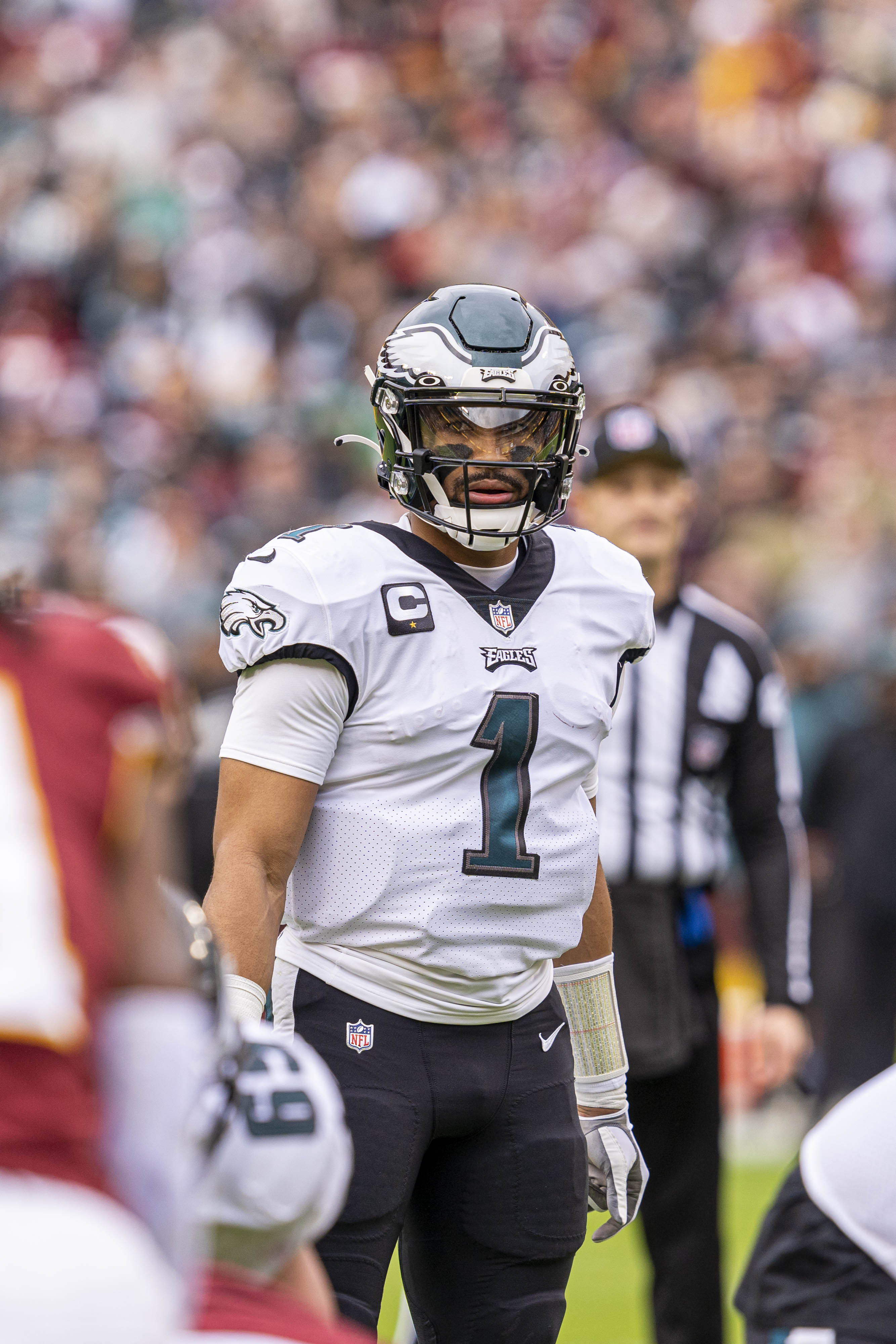
Head coach Nick Sirianni, asked on Monday to explain the clearance, declined. "I'm not a medical expert," Sirianni said. "I lean on our medical experts. I have full faith and trust in them." That is a defensible position for a coach — and it is also the whole problem in miniature. Everyone in the chain can point to someone else: the coach to the doctors, the doctors to shared decision-making, the league to the process, and the process to nobody in particular. The union's demand is, at bottom, a demand that someone own the file.
The medical context: DVT, pulmonary embolism and the three-month problem
Clot specialists who have no involvement in the case describe a standard pathway that explains why the Eagles' season planning changed so abruptly on Monday. Dr Jordan K. Schaefer, a blood-clot specialist at the University of Michigan who has not treated Hurts, told ESPN that standard treatment for deep vein thrombosis and pulmonary embolism is at least three months of blood thinners. Contact sport is generally avoided while a patient is on blood thinners, because the same medication that prevents a clot from growing also raises the risk of serious bleeding from a hard hit — a risk that is not theoretical for an NFL quarterback. Schaefer also noted that long-distance travel is a known risk factor for clots.
Put the numbers against the calendar and the phrase "likely out for the season" stops sounding pessimistic and starts sounding arithmetic. A three-month course of blood thinners beginning in mid-October runs into mid-January — the heart of the playoffs — before any question of conditioning, clearance or contact is even reached. That is why the joint statement paired its two messages the way it did: the season is probably gone, and the man is expected to recover fully. Both things follow from the same treatment.
A mother's message, a furious fanbase, and a Super Bowl MVP in the middle
The human reaction arrived before the institutional one. Hurts' mother, Pamela, posted a public message urging perspective and gratitude — noting, in the line that travelled furthest, that "your life can change in the blink of an eye." It was a reminder, in the middle of an argument about protocols, that pulmonary emboli kill people, and that the family's version of this story is not about football at all.
Fan reaction ran in a different direction. The Eagles no discipline decision was met with anger across sports media and social platforms, where the sequence — known clot, full game, long flight, clots in the lungs, no consequences — was widely read as a system protecting itself. That reading is not evidence, and the league is entitled to say so. But it explains the politics the NFL now faces: it is defending a decision its public does not believe was ever really examined.
The player at the centre of it is not a fringe roster case whose treatment might be waved away as an edge case. Hurts is the face of the franchise: a Super Bowl LIX champion and the game's MVP, having led Philadelphia past Kansas City 40-22 on February 9, 2025; the wearer of the No. 1; a second-round draft pick in 2020 who became one of the league's defining quarterbacks. If the system cannot show its work for him, the union's argument goes, it cannot show its work for anyone.
Why this matters
Strip away the statements and this dispute is about a single question: who investigates the investigators? The NFL's player-safety credibility rests on a claim it has made for a decade — that medical decisions sit outside competitive pressure, protected by protocols, independent specialists and shared decision-making. The concussion protocol, whatever its flaws, is at least a written standard against which a decision can be judged, with spotters, unaffiliated consultants and a paper trail. Sills said it plainly on Tuesday: for blood clots, no such protocol exists. Which means that when the league announced the care was appropriate, it was measuring Philadelphia's decisions against a standard it has never written down.
That gap is the precedent at stake. Shared decision-making is a genuine medical principle, and players rightly resist a system in which they have no voice in their own care. But it can also become a solvent that dissolves responsibility: the player wanted to play, the doctors presented the options, the team deferred to the doctors, and no single decision is ever quite wrong. If this case closes with the league's Tuesday verdict and nothing more, the lesson every team medical staff will draw is that the process defends itself. If the NFLPA's demand produces a real review, the lesson is the opposite — and other players, in other training rooms, with other diagnoses that have no protocol either, will be treated inside whatever standard that review sets.
A genuine independent review is not mysterious. It would need the London records and the reasoning Cleveland Clinic London documented on October 10; the imaging from before and after the game; who was in the shared decision-making conversation and what risks were put to the player; what the league office and Sills knew, and when; and access for the union's own medical experts to the same file. The league's account benefits the Eagles, who avoid discipline and precedent, and benefits the league, which avoids admitting a protocol gap on a star player. The union's account benefits every player who might one day sit in a London clinic the day before a game — and it costs the union nothing to demand, which is worth remembering too: this is also a labour fight, in which medical credibility is leverage. Both things can be true at once, and a serious review would serve the truth of the first regardless of the politics of the second.
And then there is the football, which does not wait for any of this. The Eagles are 2-4. Their margin for a playoff run was already thin with Hurts; without him, every week is close to elimination arithmetic. The investigation fight will unfold on a calendar the season does not care about.
What happens next
The immediate question is whether the NFL, having declared the matter closed on Tuesday, reopens it as a joint review with the NFLPA now that the union has publicly disputed whether a review existed. The league has conducted joint reviews with the union on player-safety matters before, and the union's statement is written to make refusal expensive: it does not allege misconduct, it alleges an absence — and absences are hard to defend on camera. A second possibility follows from Sills' own concession: if there is no protocol for blood clots, the most likely lasting outcome of this case is that one gets written, the way protocols usually get written in this league — after the case that exposed the gap.
For Hurts, the timeline is medical, not football: at least three months of blood thinners, no contact while on them, and a full recovery expected at the end of it, according to the reporting and the joint statement. For the Eagles, the season now runs through the quarterback room as it stands: Tanner McKee, who started against Carolina and will carry the job for now; Joe Milton, added to the room; and rookie Cole Payton behind them. Philadelphia's season, and the argument about how it got here, will run in parallel — the games on Sundays, the questions everywhere else.
Related coverage: Panthers beat the Eagles 25-14 in Philadelphia as McKee started in Hurts' place and Lane Johnson retires: mental health ends Eagles run.
Sources
Reuters / Field Level Media, "NFLPA calls for investigation into Jalen Hurts' medical situation" (Oct 20-21, 2026); CNN Sports, "NFL defends Eagles medical staff after Jalen Hurts played in London game with blood clot" (Oct 20, 2026); NBC Sports Philadelphia, "NFLPA calls for 'full investigation' into Jalen Hurts situation" (Oct 20, 2026); Bleacher Report / The Athletic (Jonathan Jones) on the NFL's no-discipline decision (Oct 20, 2026); New York Post on the NFLPA statement (Oct 20, 2026); Philadelphia Eagles / Nicole Lynn joint statement (Oct 19, 2026).