Track it live: Israel war map and verified conflict updates
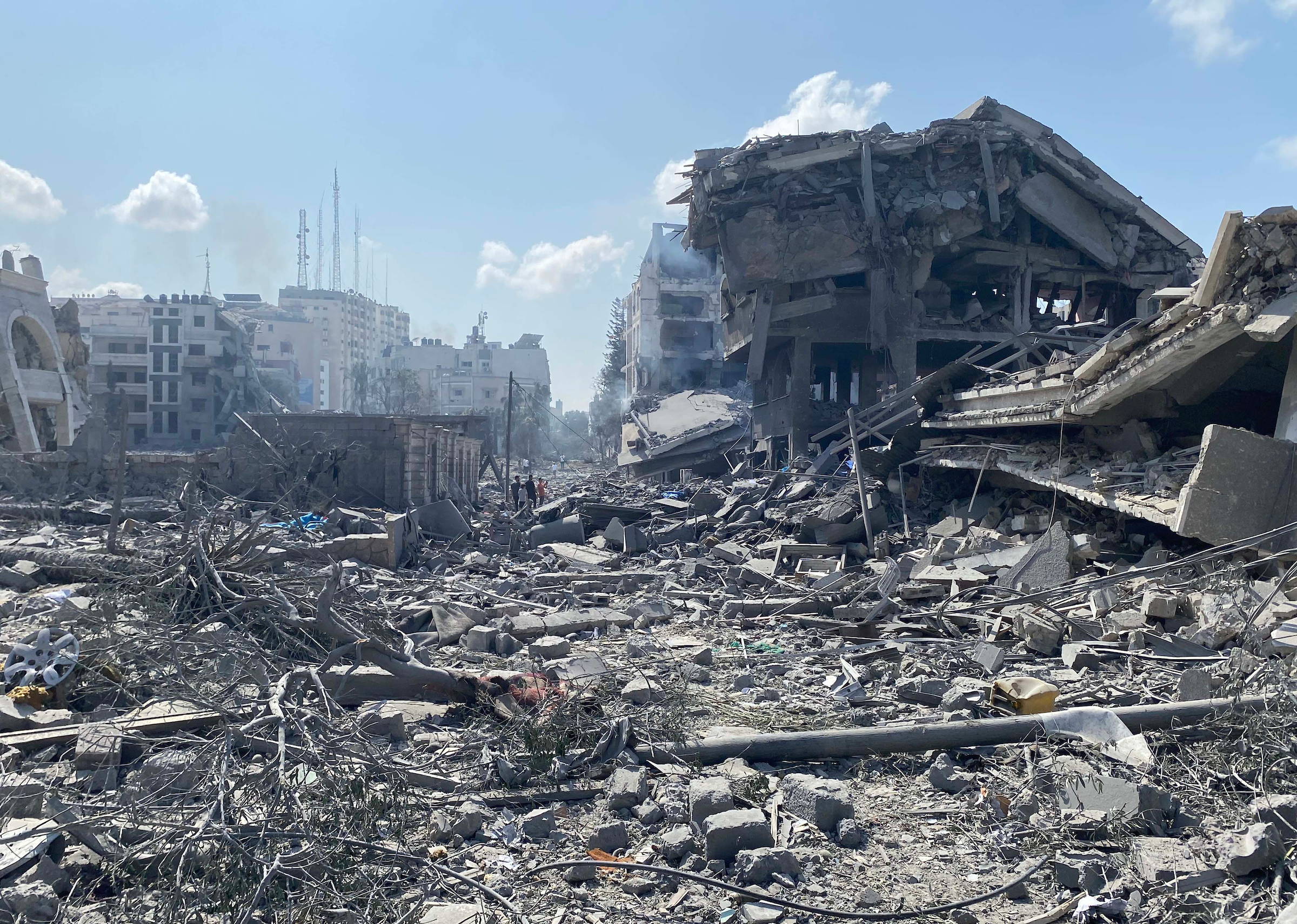
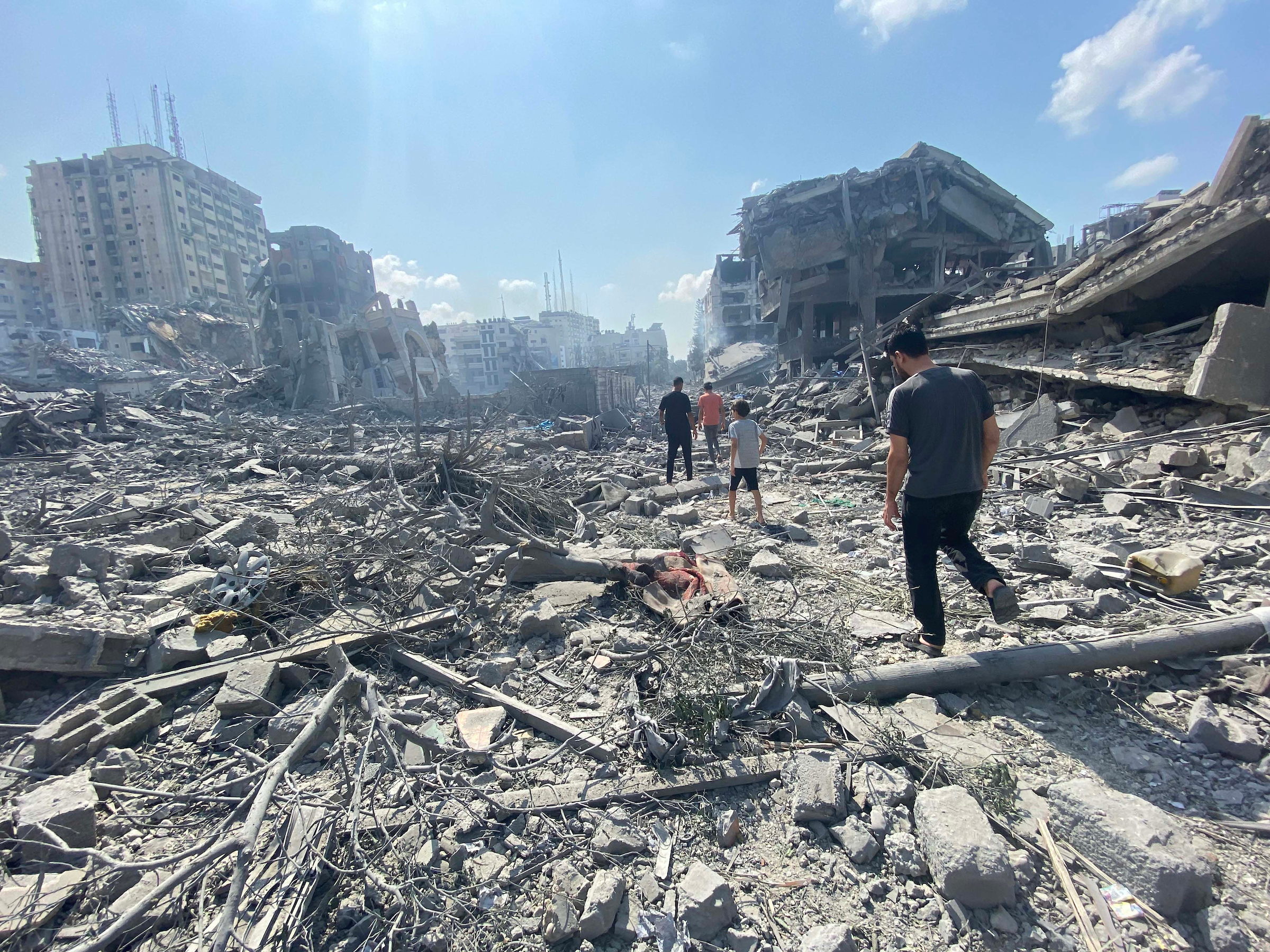
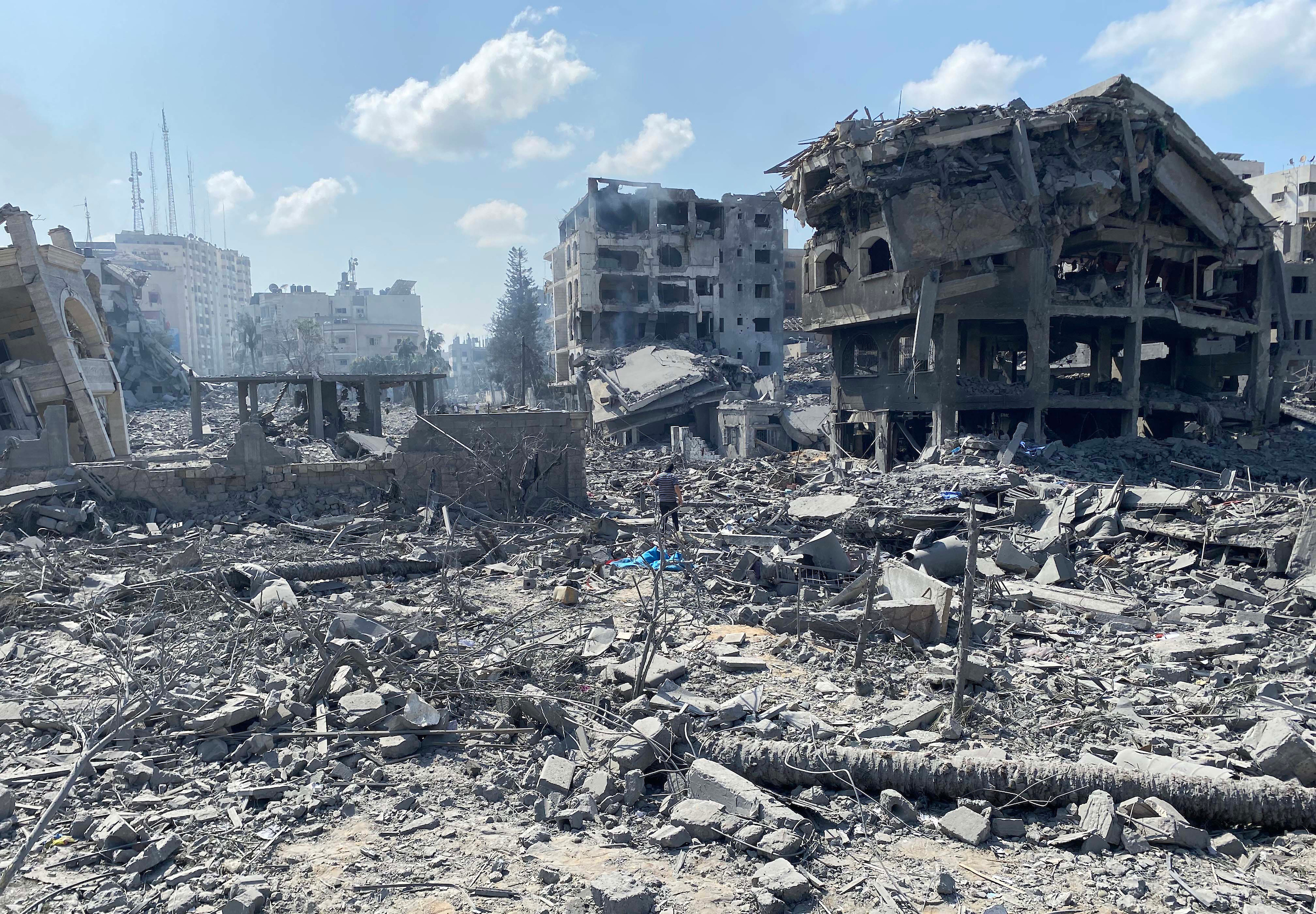
Israeli strikes Gaza City today killed at least five Palestinians in two separate attacks Saturday morning, according to local medics. Four people were reported killed near Panda Mall in Gaza City, while a fifth was reported killed in the Tuffah neighbourhood farther south. The Israel Defense Forces confirmed that both strikes occurred and said they targeted militants, but did not give further detail.
The casualty figures were supplied by Gaza health officials and medics and could not be independently verified by Signal Post News. The IDF's confirmation establishes that the two attacks took place, but the parties have not provided a shared account of the identities of those killed or the immediate circumstances at either location.
What happened in the Gaza City bombing today
Panda Mall Gaza strike
Medics said four people were killed near Panda Mall. Their account did not establish whether the dead were civilians or combatants. Israel said the strike was directed at militants. That leaves a basic evidentiary gap: the location and toll are reported, but the status of those killed remains disputed or unconfirmed.
Tuffah Gaza strike
Medics separately reported one death in Tuffah, south of the first scene. The IDF again described the target as militant activity without releasing names, imagery or other supporting information. For readers following Gaza news today, the responsible conclusion is narrow: two attacks were confirmed; five deaths were reported by local medical sources; the identities and targeting basis have not been independently established.
Why the strikes matter to the Israel-Hamas truce
A ceasefire can fail gradually before it fails formally. Individual strikes are described as limited responses; each side accuses the other of changing the facts on the ground; and the definition of an acceptable exception expands. The danger is not only that one attack causes immediate retaliation. It is that recurring exceptions become the operating rule and the truce survives only as diplomatic language.
Israel says its stepped-up operations answer Hamas efforts to rearm and repeated violations of the U.S.-brokered agreement reached in October 2025. Hamas denies violating the truce. Without transparent evidence for each allegation, outside governments face a familiar problem: they may support the principle of preventing renewed attacks while questioning whether the scale and frequency of military action still fit a ceasefire framework.
The history of broken truces gives both sides incentives to act early. Israel argues that waiting can allow armed groups to rebuild. Hamas can use continuing Israeli fire to portray the ceasefire as one-sided and to resist demands for additional concessions. Civilians pay for that strategic logic because every strike increases the chance of local escalation, displacement and another round of broader combat.
What the Gaza death toll since ceasefire means
Gaza health officials say at least 1,400 Palestinians have been killed by Israeli fire since the October 2025 truce. Israel says militants killed four of its soldiers during the same period. Those figures come from different institutions, count different populations and have not been independently reconciled. They should not be treated as a complete ledger of every alleged violation.
Even with those limits, the reported 1,400-to-four gap is politically consequential. It shapes how Palestinians and many international observers judge proportionality and whether the agreement is providing meaningful physical protection. Israel points instead to the threats it says its forces are disrupting, a category that cannot be measured from casualty totals alone. The asymmetry therefore does not by itself prove intent or legality, but it does show why the two sides describe the same ceasefire in irreconcilable terms.
Numbers also accumulate into precedent. If a truce permits recurring lethal strikes whenever one party invokes an imminent or rebuilding threat, the burden shifts from preventing war to proving why the latest use of force should not count as resumed war. That ambiguity can become impossible to manage after a high-casualty incident.
Who benefits, who loses and what critics say
Israel's immediate calculation
For Israeli commanders, selective strikes may offer a way to disrupt alleged drone, rocket or ground-attack preparations without returning to a full campaign. The political benefit is a demonstration that the ceasefire does not prevent action against what Israel defines as an immediate threat. The risk is strategic: repeated operations can erode international confidence in the agreement and create more armed recruitment than they prevent.
Hamas's political opening
Hamas can point to the death toll and the recurrence of strikes to argue that Israel is not honoring the truce. That message may strengthen its claim to resistance, even as Israel says Hamas activity is the reason the strikes continue. Hamas also faces a cost: any confirmed rearmament or attack planning would give Israel and its allies a stronger case that enforcement action is necessary.
Civilians and ceasefire monitors lose room to maneuver
Gaza residents face the immediate risk, while mediators lose leverage each time an incident passes without a mutually accepted investigation. Critics of Israel argue that the scale of Palestinian deaths is incompatible with a durable ceasefire. Israeli critics of Hamas argue that a truce cannot mean immunity for covert military rebuilding. Both criticisms can coexist; neither resolves how evidence is tested before force is used.
What happens next
Scenario one: contained strikes, continuing erosion
The most likely short-term path is more limited Israeli strikes alongside formal insistence that the truce remains in force. This avoids the political cost of openly abandoning the agreement but steadily lowers its protective value.
Scenario two: reciprocal escalation
A strike with a larger civilian toll, or an attack that kills Israeli soldiers, could trigger a rapid exchange. The previous pattern of ceasefire breakdowns shows how quickly claims of a narrow response can become a wider campaign when each side treats the last incident as proof of bad faith.
Scenario three: tighter verification
Mediators could press for faster notification, evidence-sharing and independent review of alleged violations. That would not settle the conflict, but it could raise the political cost of unsupported claims and create a pause between accusation and attack. Without such a mechanism, Gaza ceasefire violations 2026 will remain competing narratives backed by force.
Related coverage
Sources
Verification note: Casualty figures are attributed to Gaza health officials and medics and were not independently verified. The IDF confirms the strikes occurred and says militants were targeted.
Reporting distinguishes confirmed events from claims by combatants and local authorities.