Iran nuclear inspectors return
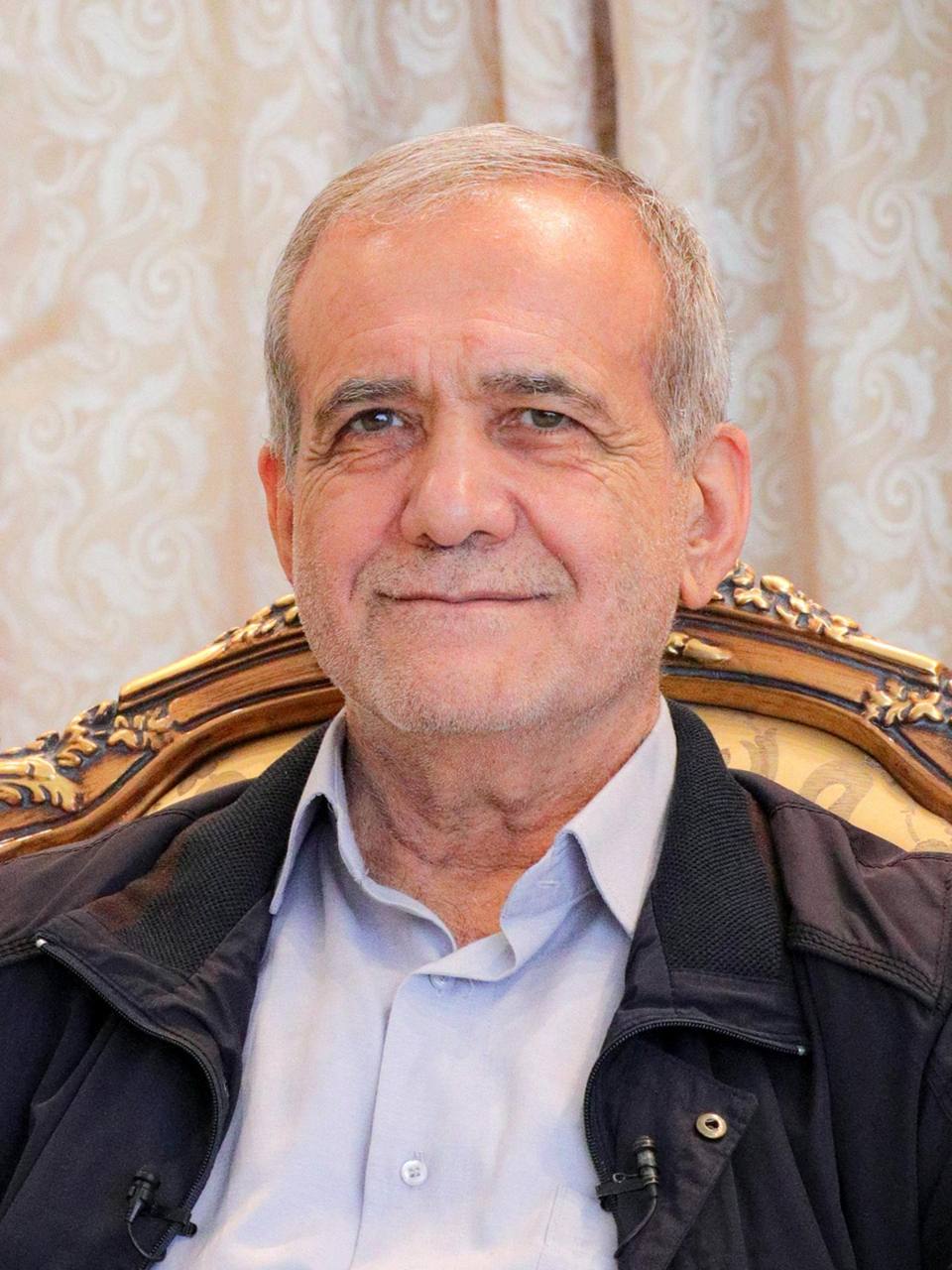
NEW YORK — The Iran nuclear inspectors return question moved back into ceasefire diplomacy during U.N. General Assembly week, when President Masoud Pezeshkian said Tehran would permit International Atomic Energy Agency inspections under terms reached in negotiations. Current IAEA reporting, however, does not show that inspectors have returned to Iran's bombed enrichment facilities or verified its enriched-uranium stockpile. The distinction is central: Pezeshkian offered a route to access; he did not announce that access had resumed.
What Pezeshkian offered—and what he did not
In an interview with CBS's Face the Nation, Pezeshkian twice answered “absolutely correct” when asked whether Iran would now allow U.N. nuclear inspectors. His qualification came immediately afterward: if inspectors wished to enter and conduct inspections, he said, the parties could reach “accords and agreements” on that subject “within the negotiations.” That phrasing makes access conditional on bargaining over scope, timing, safety and reciprocal commitments.
The proposal sits inside a wider Iranian package announced in New York. Foreign Minister Abbas Araqchi described a seven-day countdown that would pair a pause in regional fighting with reopening the Strait of Hormuz, followed by broader talks on mutually agreed subjects. President Donald Trump publicly rejected the package, although Araqchi said mediators had not yet conveyed a definitive U.S. response to Tehran. Pezeshkian said Iran was ready for negotiations but would not accept “bullying or coercion.”
The hard line behind the public opening
Pezeshkian's language creates negotiating space, but it does not erase Iran's stated red lines. An anonymous senior Iranian official told Reuters that Tehran would make no concessions on what it calls its rights, including domestic uranium enrichment, and would not ship its highly enriched uranium abroad. Because that position came from an unnamed official rather than a public negotiating document, it should be read as a reported signal—not a final treaty text.
The tension is not necessarily a contradiction. Tehran can offer inspection access while insisting that enrichment continue. Washington and its allies can demand verification while pursuing a stricter settlement. The unresolved issue is whether either side would accept inspections robust enough to establish the location and condition of nuclear material after the military strikes, rather than access limited to less sensitive sites.
Why the IAEA verification gap matters
The IAEA's board referred Iran's non-compliance to the U.N. Security Council on September 9. Reuters reported that Iran had not allowed inspectors back into facilities bombed in June 2025, including three enrichment plants, and had not accounted for the enriched-uranium stockpile. IAEA Director General Rafael Grossi called the agency's lack of information and inability to verify nuclear material a “serious proliferation concern” that required urgent correction.
Before the 2025 attacks, the agency estimated Iran held 440.9 kilograms of uranium enriched to as much as 60% purity. Sixty percent is below roughly 90% weapons grade, and possession of that material is not the same as possessing a nuclear weapon. The number matters because further enrichment from 60% requires substantially less work than starting from natural uranium. It does not establish how much material survived, where all of it is now, whether it has been moved, or what Iran intends to do with it. Those are precisely the questions inspections are meant to answer.
How a credible inspection return would work
A politically useful visit is not the same as restored safeguards. A meaningful return would require agreed site access, advance notification rules, safe transport into damaged facilities, the ability to service or replace monitoring equipment, access to records and personnel, and a process for taking and analyzing environmental samples. Inspectors would also need declarations that can be checked against earlier inventories and other evidence.
Bomb damage complicates the job. Some locations may be physically unsafe; equipment may be destroyed; seals may have been broken by explosions or emergency work; and nuclear material may have been relocated. A negotiated sequence could begin with safety surveys and declarations, then proceed to inventory verification and longer-term monitoring. The key measure is not whether an IAEA team crosses the border, but whether the agency can independently reconstruct continuity of knowledge.
Who gains from the opening
Iran gains diplomatic leverage by showing willingness to discuss the one mechanism capable of reducing uncertainty about its program. The offer can also help Tehran argue that pressure and attacks, rather than an absolute refusal of oversight, are blocking a deal.
The IAEA gains a possible path back to its core mission. Access would let the agency replace inference with observation and separate recoverable verification gaps from permanent losses of monitoring data.
Washington and regional governments gain only if access is enforceable. A negotiated inspection regime could reduce the risk of decisions being made from worst-case assumptions. But a vague promise without timetables, sites or verification rights may simply buy time for every side.
The most exposed actors are hard-liners in both capitals. Iranian officials who view intrusive inspection as coercion could constrain Pezeshkian. U.S. officials who see military pressure as more reliable than phased diplomacy could dismiss the offer before its terms are tested. Israel and Gulf states would judge any arrangement by the quality of verification, not the optics of a renewed dialogue.
The risks of reading too much into one interview
The first risk is semantic: “allow inspectors” can mean a narrow, negotiated visit or the sustained access needed for safeguards. The second is sequencing. Iran appears to connect inspections to a broader bargain involving hostilities, sanctions and Hormuz, while Washington can insist that nuclear access come first. The third is institutional authority: Iran's president can advocate diplomacy, but major security and nuclear decisions involve the supreme leader and other state bodies.
There is also a danger in compressing different wars and dates. The strikes that damaged Iran's nuclear sites began in June 2025. Reuters dates the current U.S.–Iran war from February 28, 2026. Treating those as one event obscures what inspectors would be trying to reconstruct and when the verification chain was broken.
What happens next
A real diplomatic opening would produce operational details: which sites are included, when an advance team can enter, what equipment it can install, how Iran will declare the location of enriched material, and what reciprocal steps the United States or other parties will take. Negotiators would also need a mechanism for disputes and for re-establishing monitoring if military operations resume.
Until those terms exist and the IAEA confirms access, the most accurate description is narrow but important: Iran's president has put inspections on the negotiating table. That may lower the barrier to talks, but it does not close the verification gap, settle the enrichment dispute or demonstrate that the Iran nuclear inspectors return has begun.
Sources
- CBS reporting via WSGW: Pezeshkian says inspection agreements could be reached in negotiations
- Reuters: Iran keeps its diplomatic offer open after Trump rejects the Hormuz plan
- Reuters via KTWB: senior Iranian official rejects concessions on enrichment and uranium exports
- Reuters: IAEA access and stockpile verification remained unresolved
- Reuters via Northland News Radio: IAEA board referral and the 440.9 kg estimate
Reporting basis: Published September 27, 2026. The inspection language is a conditional offer by Iran's president. No cited IAEA report establishes that inspectors have returned to the bombed facilities. Anonymous and governmental claims are identified as such. Analysis is Signal Post News's.