Indonesia ferry disaster 2026
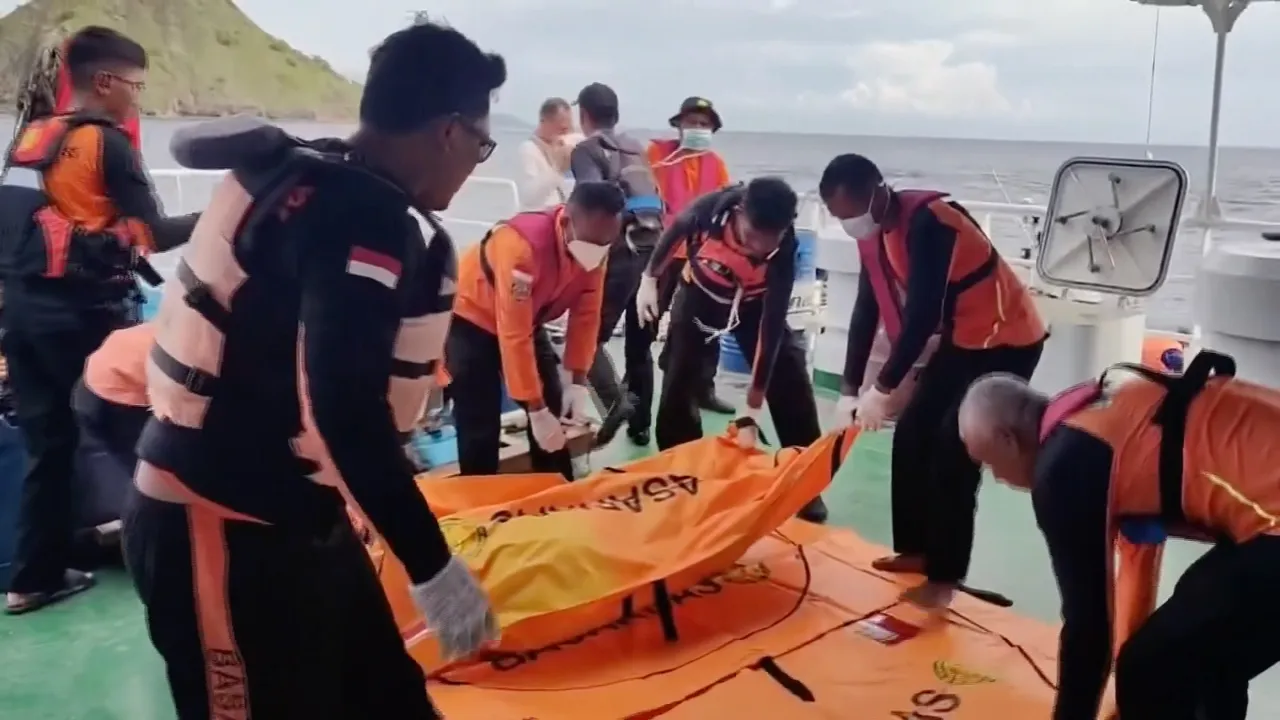
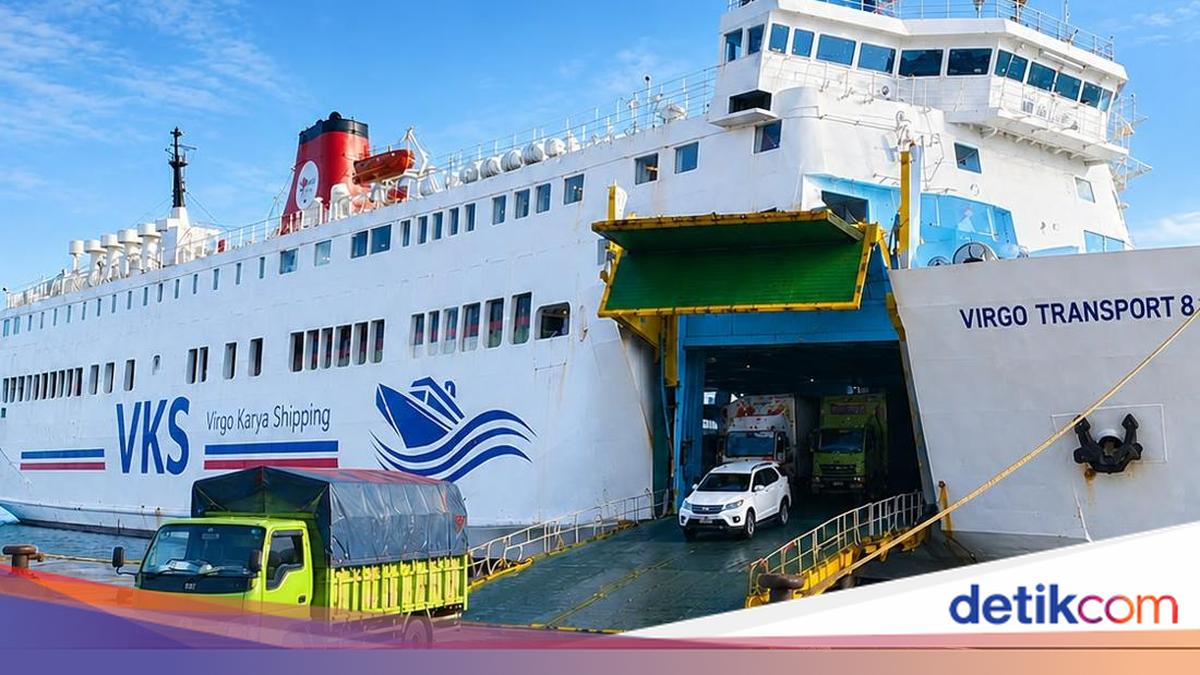
The death toll from the Virgo Transport 8 ferry disaster rose to 28 on September 23, with 107 people still missing and 108 known survivors, according to Indonesia's National Rescue Agency, Basarnas. The roll-on/roll-off ferry had 243 people aboard, including 30 crew members, as well as 54 vehicles when it capsized in bad weather in the Java Sea early on Sunday, September 13.
The vessel was sailing from Surabaya in East Java to Banjarmasin in South Kalimantan, a busy inter-island route where ferries carry people, cars and freight across a country held together by the sea. The first distress report reached authorities at 04:10 WITA. The ship remained partly afloat for days before sinking completely to the seabed, turning a rescue operation into a technically difficult search inside a submerged steel hull.
Basarnas chief Mohammad Syafii said more bodies were expected. That assessment matters because the official toll is not a final accounting: it records only those recovered and identified while scores of families still wait for news.
What happened on September 13
The Virgo Transport 8 departed Surabaya bound for Banjarmasin with passengers, crew and vehicles distributed across a vessel designed to load wheeled cargo through roll-on/roll-off decks. Bad weather struck during the crossing. Authorities received the first distress report at 04:10 WITA, but the published accounts available at this reporting cutoff do not settle the precise chain of mechanical, loading and weather-related events that caused the capsize.
That distinction is essential. Bad weather describes the conditions in which the ship was lost; it does not by itself establish whether weather was the sole cause. Investigators will need the vessel's records, loading information, crew testimony, communications and forecasts to determine whether stability, cargo movement, maintenance, decisions on the bridge or regulatory enforcement contributed.
The ferry did not disappear immediately. It stayed partially above water for days, creating a narrow possibility that rescuers could reach accessible spaces. When it sank to the seabed, the work became slower and more dangerous. Divers had to operate with poor visibility, strong currents and limited access points while the structure itself could shift.
The Basarnas search: divers breaking into the cabins
The search has concentrated on the wreck because rescuers reported seeing many passengers trapped inside cabins. Banjarmasin rescue chief I Putu Sudayana said divers broke cabin windows on Tuesday but could not enter because murky water and strong currents made penetration unsafe. Navy diver Rajab Suwarno told Kompas TV that divers had seen a floating body through a ship window on Friday and broke the glass to reach it.
Eight ships and two helicopters were deployed. Coast Guard and Navy teams recovered bodies from inside the hull over successive days, while two others washed ashore in Central Kalimantan roughly 253 kilometers from the wreck site. Public accounts described a sequence of five recovered Monday, four Tuesday and nine Wednesday. Those daily figures total 18, while some reports separately referred to 16 bodies recovered from the hull over the period. Because those descriptions do not reconcile cleanly, this article does not treat the location breakdown as final; the confirmed overall toll reported by Basarnas is 28.
Authorities decided on Friday to right the ship through an owner-led salvage operation supported by Basarnas, the Navy and maritime police. The plan calls for pulling the wreck onto a shallower section of seabed before attempting to rotate it. Righting could expose cabins and improve access, but moving a large damaged vessel also risks shifting debris, disturbing remains and endangering divers. The operational sequence will depend on currents, rigging and the wreck's structural condition.
Why this Indonesia ferry death toll is still a minimum
The grim arithmetic begins with the manifest reported by authorities: 243 people aboard and 108 survivors. That leaves 135 people who did not emerge as known survivors. With 28 bodies recovered, 107 remain missing. If the onboard count is accurate and no additional survivors are found, the final death toll could reach 135. That is a maximum implied by the current accounting, not a confirmed forecast.
For families, a disaster discovered one body at a time produces a different kind of trauma from a single official announcement. Hope narrows slowly. Identification, notification and burial occur on different schedules. Relatives must absorb repeated updates while deciding whether to remain near the command post, return home or begin legal and compensation claims without a final certificate.
For national politics, each day of recovery creates new questions about why passengers were not reached sooner, whether the ship should have sailed and whether the manifest can be trusted. The pressure is not proof that rescue agencies failed; deep-water recovery in strong currents is inherently dangerous. It does mean the government will be judged not only on the final number, but on the transparency of the search and the investigation that follows.
Indonesia is confronting simultaneous tests of disaster response across a wide geography. Our reporting on Hurricane Polo's rapid intensification off Mexico and Typhoon Dujuan's mass evacuations around Tokyo shows the same broader lesson: a warning becomes protective only when transport systems, operators and emergency agencies can translate it into action before conditions close in.
Background: Indonesia's ferry safety crisis
Indonesia has more than 17,000 islands, making sea transport an everyday necessity rather than a discretionary mode. Ferries connect families, labor markets and supply chains that roads and railways cannot. That dependence magnifies the consequences of weak inspection, inaccurate manifests or weather decisions: there is no simple land-based substitute for many routes.
Marine accidents are a regular occurrence in Indonesia, AFP noted, with recurring cases linked in public reporting to lax safety standards, overloading and bad weather. Those factors should be investigated rather than automatically assigned to this ferry. The systemic pattern is relevant because it identifies the questions officials must answer: Was the vessel loaded within certified limits? Were vehicles secured? Were passenger and vehicle lists exact? What weather warnings were available, and who had authority to delay departure?
The 2018 sinking of the Sinar Bangun on Lake Toba killed more than 160 people and became a national symbol of the cost of overcrowding and poor manifest control. The Virgo Transport 8 is a different vessel on a different route, and an inquiry has not yet established the cause. The comparison is useful not as a verdict, but as a measure of whether reforms promised after earlier disasters changed day-to-day enforcement.
Who loses, who answers after the Banjarmasin ferry sinking
Passengers' families carry the deepest loss. They need reliable identification, a transparent list of survivors and missing people, timely return of remains and clear access to compensation. Conflicting counts or changing categories can deepen the harm even when they result from the genuine difficulty of an unfolding recovery.
The ship owner must lead the salvage. Authorities have described the righting effort as owner-led, with state rescue and security agencies providing support. Legal responsibility for the capsize, however, cannot be inferred from responsibility for salvage. Investigators must establish causation before liability is assigned.
Basarnas, the Navy, Coast Guard and maritime police answer for the public operation. Their immediate duty is to recover people and remains without adding diver casualties. Their later obligation is to preserve records and explain the timeline, resource choices and limits they encountered.
Regulators face the structural questions. Critics will ask whether 243 was the exact number aboard, whether all 54 vehicles were accurately recorded, whether any additional vehicles or passengers traveled outside the manifest, what warnings were issued and whether enforcement was strong enough to stop an unsafe departure. None of those questions has yet been conclusively answered in the sources reviewed.
What the Java Sea shipwreck numbers actually say
The confirmed survival rate is about 44 percent: 108 known survivors divided by 243 people reported aboard. The corresponding 56 percent were dead or missing at the September 23 cutoff. Percentages can communicate scale, but they must not erase the difference between a confirmed death and a missing person whose fate remains officially unresolved.
The reported body-recovery sequence—five, then four, then nine—shows how access to the hull can change the pace sharply. Wednesday's figure was more than double Tuesday's, but three days do not establish a trend. A newly opened compartment can produce a sudden increase, while worsening current, visibility or structural stability can stop work again.
The recovery of two bodies about 253 kilometers from the wreck indicates that currents can carry remains far beyond the immediate site. It does not show the path of every missing passenger. It does show why the search perimeter cannot be understood as a simple circle around the hull and why coastal reports far from the sinking must be checked and coordinated.
By day 10, official language may still call the mission a search, but the operational reality is predominantly recovery. Survival inside a submerged vessel becomes increasingly unlikely with time, especially after the hull sinks and accessible air pockets disappear. That conclusion should be stated with humanity and without pretending that rescuers know the fate of each missing person before recovery and identification.
What happens next in the Virgo Transport 8 recovery
The search operation has been extended through September 27. The immediate priorities are to keep divers safe, recover and identify remains, follow shoreline reports and reconcile the passenger and vehicle records. Any extension beyond that date will depend on conditions, results and decisions by the national and local rescue leadership.
The righting operation is the central technical gamble. Moving the ferry toward shallower water may create safer access and reveal compartments divers cannot currently enter. It may also destabilize the wreck or displace evidence. Salvage engineers, rescue commanders and investigators will need a shared sequence that does not sacrifice the inquiry to speed or delay recovery in the name of preserving an untouched scene.
An official investigation should examine seaworthiness, loading and securing of vehicles, crew actions, weather information, communications, evacuation equipment and regulatory oversight. Compensation and liability will proceed under applicable Indonesian maritime, insurance and civil rules, but the sources reviewed here do not establish payment amounts, eligibility or fault. Families should rely on formal notices from authorities and verified legal assistance rather than unofficial promises.
For travelers, the lesson is practical rather than alarmist. Sea travel is indispensable across Indonesia, and one disaster does not make every ferry unsafe. Passengers can still verify that a ticket and name appear on the manifest, note exits and lifejackets after boarding, follow crew instructions, avoid unofficial transport, and check weather and operator notices before departure. If loading appears dangerously crowded or a sailing proceeds despite an official warning, leaving the vessel is a reasonable safety decision.
The broader test comes after September 27. Recovering the missing is the urgent task. Publishing a credible cause, enforcing the findings and fixing any failure found in manifests, loading, weather decisions or oversight will determine whether the Virgo Transport 8 becomes another entry in Indonesia's ferry safety record or the point at which recurring warnings finally produce durable change.
The wreck also belongs to a wider story about civilian transport exposed to dangerous seas. Our report on the Black Sea cargo ship strike that killed a captain examines a different cause—war rather than a reported capsize—but the same consequence: civilian crews and passengers bear the first cost when maritime risk outruns protection.
Sources
- Reuters: death toll rises as the search continues in the Java Sea
- Reuters via LA Post: search continues for missing passengers
- AFP coverage: Indonesia ferry search and the country's recurring marine-safety problem
- Baird Maritime: more bodies feared in the Virgo Transport 8 disaster
Reporting basis: Fixed September 24, 2026 snapshot. The overall toll, missing and survivor counts are attributed to Basarnas. Where published accounts give inconsistent subtotals for bodies recovered from the hull, this report identifies the discrepancy rather than choosing an unsupported figure.