War · Energy · Oil
The International Energy Agency’s World Energy Outlook 2026 puts a number on the Iran war’s place in energy history — 2.8 billion barrels of oil and 60 billion cubic metres of gas lost from the Gulf — and then asks what happens if governments decide never to be that exposed again.
Track it live: Oil prices — live oil price tracker · War tracker — live war tracker
PARIS, November 19, 2026 — Presenting the agency’s World Energy Outlook 2026, IEA Executive Director Fatih Birol said “the energy world will never be the same again as it was before the Iran war,” according to Reuters reporting of the outlook’s release on Thursday. The conflict, the agency concluded, was the biggest disruption ever to global oil and gas trade — larger, in its cumulative toll on traded volumes, than the shocks that defined earlier eras of energy insecurity. The IEA put the cumulative losses at 2.8 billion barrels of oil and 60 billion cubic metres (bcm) of natural gas from the Gulf, the region whose exports were throttled as the war closed, mined and menaced the sea lanes out of the Persian Gulf.
A chokepoint the world cannot route around
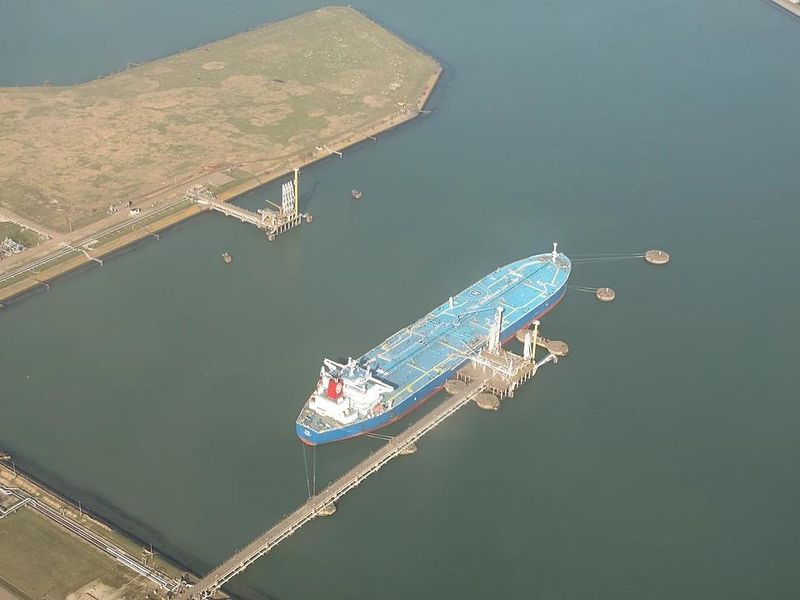
The geography behind the IEA’s verdict has been familiar to energy planners for half a century; the war turned it from a planning assumption into a lived experience. The Strait of Hormuz, the narrow waterway between Iran and Oman at the mouth of the Gulf, normally carries about one-fifth of global oil and liquefied natural gas — a share no pipeline network, reserve release or rerouting scheme can replace at short notice. When flows through the strait faltered, the shortfall was not regional. It was, by construction, a fifth of the world’s traded supply of its two most important fuels, interrupted at a single point on the map.
That is the context in which the IEA’s cumulative figures should be read. Two point eight billion barrels is not a daily rate or a price spike; it is the running total of oil that did not move from the Gulf while the disruption lasted, and 60 bcm is the equivalent ledger for gas. Set against the market’s recent history — including the supply crises that followed Russia’s invasion of Ukraine and the processing outage after the 2019 attack on Saudi Arabia’s Abqaiq complex — the agency’s judgment is that this war’s interruption of trade stands alone in scale. Readers can follow the shipping side of that story in our coverage of ship attacks in the Strait of Hormuz hitting a record high in October and of Gulf oil exports recovering toward pre-war levels.

Why this matters
An energy shock changes the future through two channels, and the outlook is built around the tension between them. The first is memory: governments that have watched a fifth of world oil and LNG trade pass through a war zone tend to buy insurance afterwards — stockpiles, diversified suppliers, alternative routes. The second is substitution: the durable way to need less Gulf oil is to need less oil, full stop, and every previous great shock, from the 1970s onward, accelerated exactly that — efficiency standards, nuclear build-outs and fuel-switching that outlasted the crisis that provoked them. The IEA’s 2026 outlook is the first of its flagship reports to model the Iran war’s aftermath explicitly, and its most consequential move is to ask, in a formal scenario, what the substitution channel could deliver if governments lean into it deliberately rather than drifting into it.
The Additional Response Case: a scenario, not a forecast
That question is the outlook’s new Additional Response Case (ARC). Its status needs stating precisely, because the numbers it produces are exactly the kind that harden into headlines: the ARC is a scenario, not a forecast. It does not predict what will happen. It models what would happen if governments respond to the war by accelerating electrification, energy efficiency and fuel-switching beyond the policies they have already stated — the benchmark the IEA calls its Stated Policies Scenario.
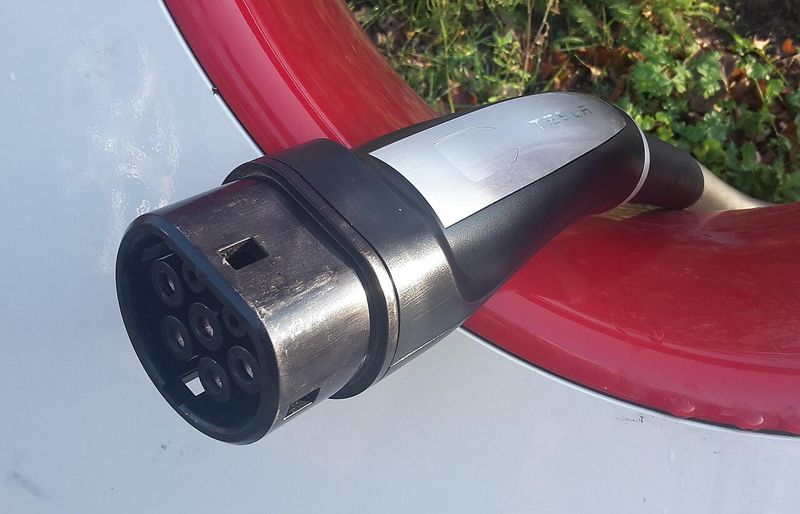
On that conditional basis, the gap is large. Under the ARC, the IEA found, global oil demand in 2035 would be 4.4 million barrels per day (bpd) lower than under Stated Policies — about 97 million bpd instead of about 101 million bpd — and would fall further, to 85 million bpd by 2050. The single largest lever is the vehicle fleet: electric vehicles alone displace more than 11 million bpd of oil demand in the scenario. Gas demand, too, comes out more than 300 bcm lower under the ARC than on the stated-policies path. None of those figures is a prediction; each is the arithmetic of a stated “if.” But scenarios of this kind matter because they define the menu finance ministries and energy companies plan against — and because the IEA chose this year, of all years, to put a post-war response case on the menu at all.
The numbers, in context
Even without any additional response, the outlook describes an energy system mid-metamorphosis. Under Stated Policies — governments simply doing what they have already announced — electricity’s share of final energy consumption rises to about 30%, the IEA projects, from about 23% today: a structural shift in which the marginal unit of energy the world consumes is increasingly a kilowatt-hour rather than a barrel or a cubic metre. And in a milestone that captures the changing shape of demand, the outlook records that global demand for cooling has now passed demand for heating for the first time — a crossover driven by rising incomes and temperatures across the hotter half of the world, and one that ties future electricity demand ever more tightly to the weather.
Read together, the outlook’s two paths frame the argument the war has started in every energy ministry. On the stated-policies path, oil demand in 2035 is about 101 million bpd — a world still deeply dependent on the trade routes the war just interrupted. On the response path, it is about 97 million bpd and falling toward 85 million by 2050 — a world that has used the shock the way earlier generations used theirs. The 4.4 million bpd between those two 2035 figures is, roughly, the difference between insuring against the last war and engineering away the exposure to the next one. It is also, for scale, more oil than most individual producing countries pump.
Where the market stands now
The outlook lands at a moment when the physical emergency has eased faster than the strategic one. In corroborating reporting on Thursday, Reuters noted that crude flows through Hormuz are back to roughly pre-war levels, and Brent crude was trading around $92.12 a barrel — elevated by any pre-war standard, but far below the panic levels the disruption threatened at its height. That juxtaposition is the outlook’s point in miniature: the barrels are moving again, and the price has calmed, but the system that produced a 2.8-billion-barrel cumulative loss has not changed — the same strait, the same share of world trade, the same exposure. What the IEA is pricing is not this month’s cargo but the next decade’s vulnerability.
One element of the week’s news underlines how contested the strait’s status remains. Iranian media reported an Iranian navy claim, made on Wednesday, that three tankers east of Hormuz were disabled by mines. That is a claim only, unconfirmed by any independent source, and it is recorded here as exactly that — an unconfirmed claim, not an established event. Its significance, whatever its truth, is that claims of this kind are now part of the strait’s operating environment: insurers, shipowners and navies must price assertions they cannot verify alongside incidents they can. Signal Post News has applied the same standard throughout its coverage of the energy shock’s wider economic warnings and of the strait’s unverified tanker claims.
Three ways the next decade could go
The outlook’s architecture invites three forward readings, and the honest conclusion is that the evidence supports watching all three. In the first, governments treat the war as a security emergency and a demand story second: stockpiles grow, naval protection of Gulf shipping becomes semi-permanent, supply routes diversify — but oil demand follows the stated-policies path toward about 101 million bpd in 2035, leaving the exposure Birol described substantially intact. In the second, the ARC’s logic takes hold in the big consuming economies: electrification, efficiency and fuel-switching accelerate under the banner of security rather than climate, and demand bends toward the scenario’s 97 million bpd in 2035 and 85 million by 2050. In the third, the strait’s calm proves temporary — flows are back to roughly pre-war levels today, but a renewed closure or a verified mining campaign would reprice everything overnight, and would likely push governments toward the response case faster than any outlook can model. The IEA does not choose between these futures, and neither does this report; what the agency has done is attach authoritative numbers to each of them.
What happens next
The markers to watch follow from the outlook’s own structure. First, policy: whether any major consuming government adopts measures that belong to the ARC rather than to stated policies — faster EV mandates, efficiency standards or fuel-switching programmes justified explicitly on security grounds. Second, investment: whether oil companies plan against 101 million bpd or 97 million for 2035, a choice that will show up in project sanctions long before it shows up in demand data. Third, the strait itself: whether Hormuz flows hold at roughly pre-war levels, whether Brent stays near Thursday’s $92.12 or moves on the next claim out of the Gulf, and whether the unconfirmed claims of this week are followed by verified incidents. And fourth, the demand data itself — cooling’s crossover past heating, and electricity’s climb from about 23% toward about 30% of final energy, are the slow variables that decide which scenario the world is actually living in.
On Thursday, the IEA closed the books on the Iran war’s place in energy history and opened an argument about its place in energy’s future. The disruption, on the agency’s accounting, was the biggest ever. Whether it also becomes the most consequential — the shock that bent the demand curve — is the question the Additional Response Case was written to ask, and the one the next decade will answer.
Related coverage: Ship attacks in the Strait of Hormuz hit a record high in October · Gulf oil exports recover toward pre-war levels · IMF warns on the energy shock, debt and AI
Sources
Sources: Reuters, November 19, 2026 — reporting on the International Energy Agency’s World Energy Outlook 2026: Fatih Birol’s statement that “the energy world will never be the same again as it was before the Iran war”; the finding that the conflict was the biggest disruption ever to global oil and gas trade, with cumulative losses of 2.8 billion barrels of oil and 60 bcm of gas from the Gulf; the Strait of Hormuz’s normal share of about one-fifth of global oil and LNG; the new Additional Response Case (a scenario, not a forecast), under which 2035 oil demand would be 4.4 million bpd lower than under the Stated Policies Scenario (97 million bpd vs about 101 million bpd), falling to 85 million bpd by 2050, with EVs alone displacing more than 11 million bpd and gas demand more than 300 bcm lower; electricity’s share of final energy at about 30% under Stated Policies vs about 23% today; and cooling demand passing heating demand for the first time — reuters.com. Reuters, November 19, 2026 (same-day corroborating reporting) — Hormuz crude flows back to roughly pre-war levels; Brent crude around $92.12. Iranian media, November 2026 — an Iranian navy claim (Wednesday) that three tankers east of Hormuz were disabled by mines: a claim only, unconfirmed, and reported here as such.