IDF Gaza Friday strikes
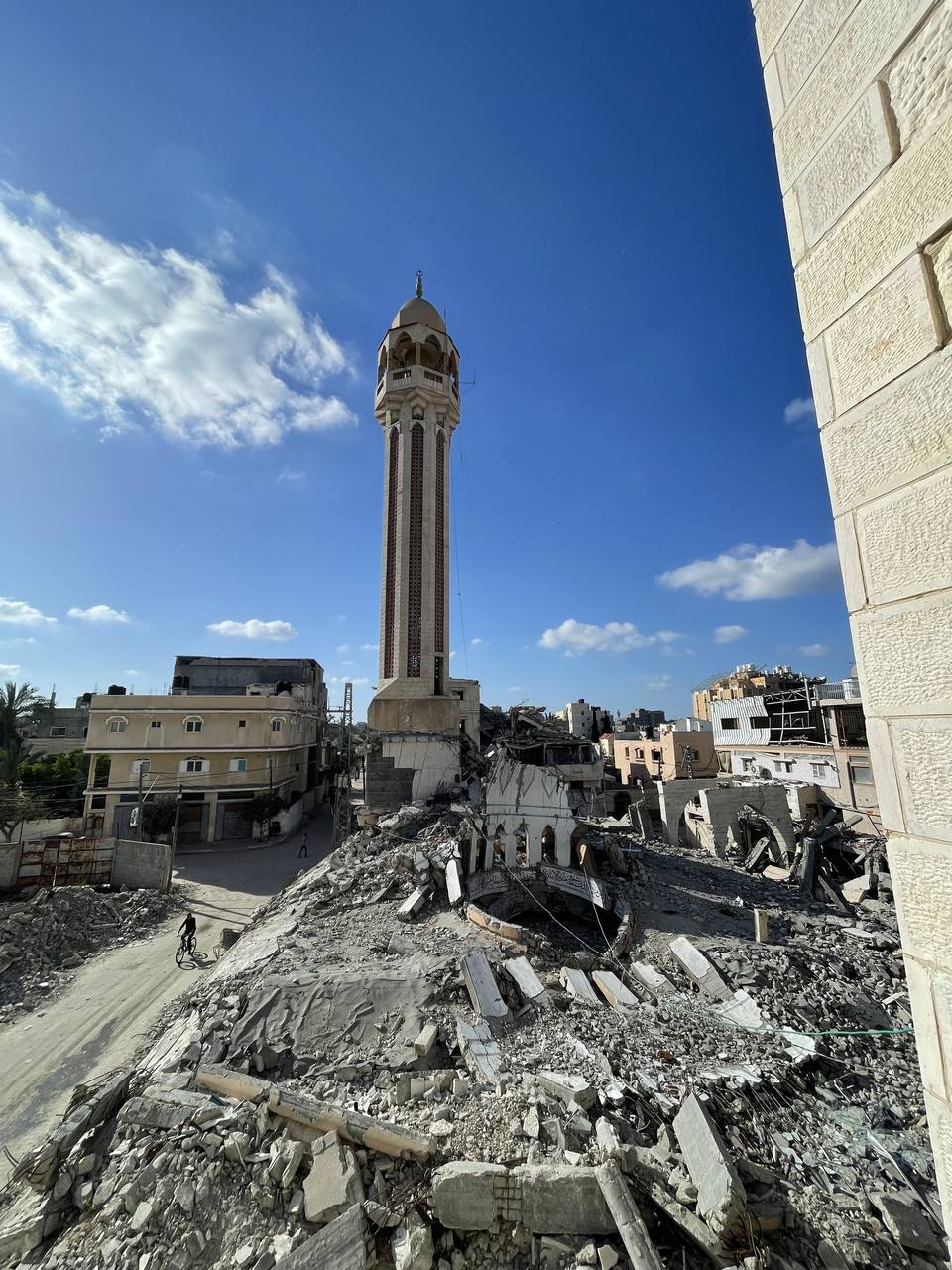
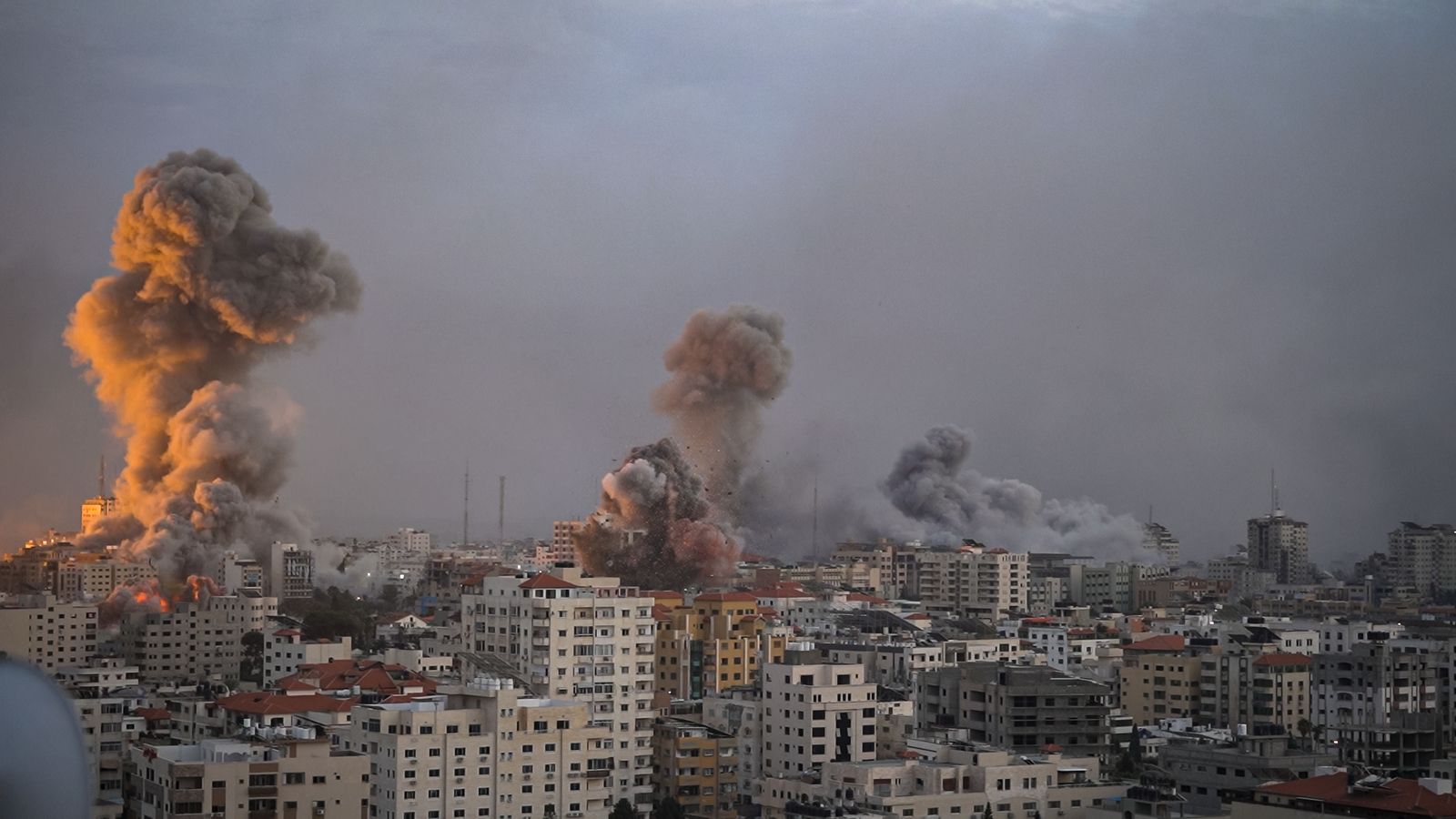
IDF Gaza Friday strikes killed four members of Hamas's military wing, the Israeli military said on Friday, September 25, while Israeli forces separately destroyed an approximately two-kilometre underground route in southern Gaza. The military said the four had been preparing attacks against Israeli soldiers and civilians and helping rebuild Hamas's capabilities in violation of the ceasefire.
Those descriptions are claims by the Israel Defense Forces, not independently established findings. DPA, in reports carried by The Times of Earth and Australian Associated Press, said one of those killed was described by the IDF as having participated in the Hamas-led October 7, 2023 attack and later held Israeli hostages. Another was accused of moving money for Hamas. The IDF said: “The terrorists were eliminated to remove the threat they posed.”
The Palestinian news agency WAFA, cited in the DPA report, had reported several fatalities in Israeli strikes on Thursday, including in northern Gaza. Signal Post News could not independently reconcile those reports with the four people identified by Israel, establish whether the casualty groups overlapped, or confirm the identities and roles alleged by the IDF.
What happened in Friday's strikes and tunnel operation
The Israeli announcement grouped four targeted killings into a single Friday account. It did not, in the reports reviewed for this article, provide a complete public chronology for every strike or enough independently testable evidence to verify each alleged role. The common thread in the military's description was that the four belonged to Hamas's military wing and were engaged in attack planning, financing or organizational recovery.
The tunnel operation was described separately. JFeed, citing the IDF spokesperson, reported that the Givati Brigade Combat Team and the Yahalom combat-engineering unit, operating under Gaza Division 143's engineering unit, destroyed an underground route about two kilometres long while clearing infrastructure in the Yellow Line area of southern Gaza. The military has used “Yellow Line” for the area in which its forces remain deployed under the ceasefire framework.
“IDF forces under Southern Command are deployed in the area in accordance with the ceasefire agreement outline and will continue to operate to remove any immediate threat.”
Daily Guardian Europe reported that the IDF released video it said showed the tunnel's destruction, with explosions along the route. The footage was supplied by the Israeli military and could not be independently verified. It therefore supports what the IDF chose to show, but it does not on its own establish the tunnel's full length, ownership, prior use or the precise date of every recorded blast.
Why this matters
The announcements show how Israel is interpreting the October 2025 ceasefire: not as an end to all military action, but as a framework under which it says it may strike people or infrastructure it regards as an immediate threat. Hamas and Palestinian officials have disputed Israeli accounts of repeated operations, while continued fatalities have made the ceasefire increasingly difficult to distinguish from a lower-intensity phase of war for civilians in Gaza.
Targeting both personnel and tunnels also illustrates the two tracks of Israel's campaign. Airstrikes seek to remove commanders, planners and financial operatives; ground engineering units seek to reduce Hamas's ability to move, store weapons and operate underground. If the IDF's assessments are correct, the approach can impose costs on Hamas's recovery. It can also generate new civilian risk, disputed casualty claims and further erosion of a truce that remains formally in place.
Background: a ceasefire still marked by deadly strikes
A ceasefire has technically been in place since October 2025, but deadly Israeli strikes and other violent incidents have continued. Israel has recently stepped up airstrikes that it describes as targeted operations against senior Hamas figures. Gaza authorities and Palestinian media have continued to report civilian deaths and damage, underscoring that a formal truce has not produced physical safety across the enclave.
The New York Post reported on September 24 that the IDF said Mahmoud Abd al-Fattah Awad, described by Israel as a Hamas commander, had been killed in an airstrike in the Gaza City area over the preceding weekend. The IDF alleged that Awad had helped hold seven Israeli hostages in an underground tunnel and had more recently planned attacks and worked to rebuild Hamas's capabilities. Those allegations and his identity were not independently verified by Signal Post News.
The same report followed an Israeli announcement about Muhammad Abu Alwan. Prime Minister Benjamin Netanyahu and Defense Minister Israel Katz said Abu Alwan, whom they described as the head of Hamas's financial operations, was killed Wednesday in Khan Yunis. Palestinian medical officials separately reported fatalities after a vehicle was struck there, but those reports did not independently establish Abu Alwan's role. Netanyahu said Israel would “not stop until Hamas no longer exists in the Gaza Strip.”
Who gains, who loses, and what critics will examine
Israel's government gains a tactical narrative from the operation: it can point to claimed removals of attack planners, a finance figure and underground infrastructure while arguing that its forces are enforcing, rather than abandoning, the ceasefire. The military also demonstrates that ground units remain capable of conducting coordinated engineering work inside areas it controls.
Hamas loses experienced personnel and infrastructure if the Israeli identifications and tunnel assessment are accurate. But the information released so far does not show whether those losses materially reduce Hamas's ability to recruit, finance operations or replace commanders. Tactical removals can disrupt a network without proving strategic defeat.
Palestinian civilians bear the most immediate downside from continued strikes. Even operations aimed at named combatants can kill or injure others, damage homes and deepen displacement. Critics of Israel's approach will ask what evidence supported each strike, what precautions were taken and how an open-ended doctrine of “immediate threat” can be reconciled with a durable ceasefire. Israel's answer is that leaving armed networks and tunnels intact would expose its troops and civilians to renewed attacks. Neither argument resolves the central verification problem: public reporting remains heavily dependent on statements from parties to the conflict.
Data comparison: different totals measure different events
Daily Guardian Europe reported that at least 73,922 Palestinians have been killed since October 7, 2023, according to Gaza's Health Ministry, which operates under the Hamas-run government. The ministry's cumulative total does not by itself distinguish civilians from combatants in every case, and Signal Post News could not independently verify the full count.
Israeli authorities say about 1,200 people were killed and 251 taken hostage in the Hamas-led October 7 attack. Those figures describe the event that triggered the war, while the Gaza ministry's number describes deaths recorded across nearly three years of Israeli military operations. They are not like-for-like measures, but together they show the conflict's scale and the human stakes behind arguments over ceasefire violations.
The same Friday also brought another reminder that the truce remains dangerous for deployed forces: two IDF reservists were killed when an explosive drone crashed inside their outpost, according to the Israeli military. That separate incident is covered in Signal Post News's report on the Gaza outpost drone explosion.
What happens next
Three paths are plausible. Israel could continue periodic targeted strikes and tunnel demolitions while insisting they fit the ceasefire's security provisions. A second path would be renewed large-scale fighting if either side concludes that the present arrangement no longer contains the conflict. A third would require a stronger monitoring and enforcement mechanism capable of investigating alleged violations and reducing reliance on unilateral claims.
The near-term signals will be operational rather than rhetorical: whether strikes continue at the current tempo, whether Israel publishes more evidence for the four identities, whether Hamas acknowledges the deaths, and whether mediators can clarify what activity is permitted around the Yellow Line. Until then, Friday's announcement should be read as an Israeli military claim with significant implications—not as independently proven resolution of who was killed, what they were doing or whether the strikes complied with the ceasefire.
Sources
- DPA via The Times of Earth: four reported targeted killings, WAFA casualty reporting and ceasefire context
- DPA via Australian Associated Press: four Hamas military-wing members reportedly killed
- JFeed, citing the IDF spokesperson: Givati and Yahalom destroy a two-kilometre tunnel
- Daily Guardian Europe: IDF-released tunnel footage and casualty context
- New York Post: IDF account of Mahmoud Abd al-Fattah Awad and Muhammad Abu Alwan
- New York Post: Netanyahu–Katz statement on Muhammad Abu Alwan
Reporting basis: Identity, affiliation, operational-role and tunnel claims remain attributed to the IDF or Israeli officials. Palestinian fatality reporting is attributed to WAFA or Gaza's Health Ministry. Signal Post News independently reviewed the cited reporting but did not verify the military-supplied footage, the four identities or the circumstances of each strike.