War / Sudan — Sudan drone strikes on civilians have spread from front lines into markets, residential streets and displacement shelters, and on Thursday the International Committee of the Red Cross said the pattern is endangering civilian lives across a country already in the world's largest humanitarian crisis.
Aerial attacks across Sudan — most of them likely carried out by armed drones — have caused a worrying increase in civilian harm in recent weeks, the International Committee of the Red Cross (ICRC) said in a statement published on Thursday, October 22. Residential areas, markets and places sheltering displaced people have been particularly affected, the ICRC said, with hundreds of people reportedly killed. The warning on Sudan drone strikes on civilians came three days after a drone hit a market in the disputed Abyei region in what local officials described as one of the deadliest single incidents of the war, and in the same week that mediators meeting in Geneva acknowledged that neither of Sudan's warring parties had come to the table.
Track it live: Africa wars — live conflict tracker
What the ICRC actually said
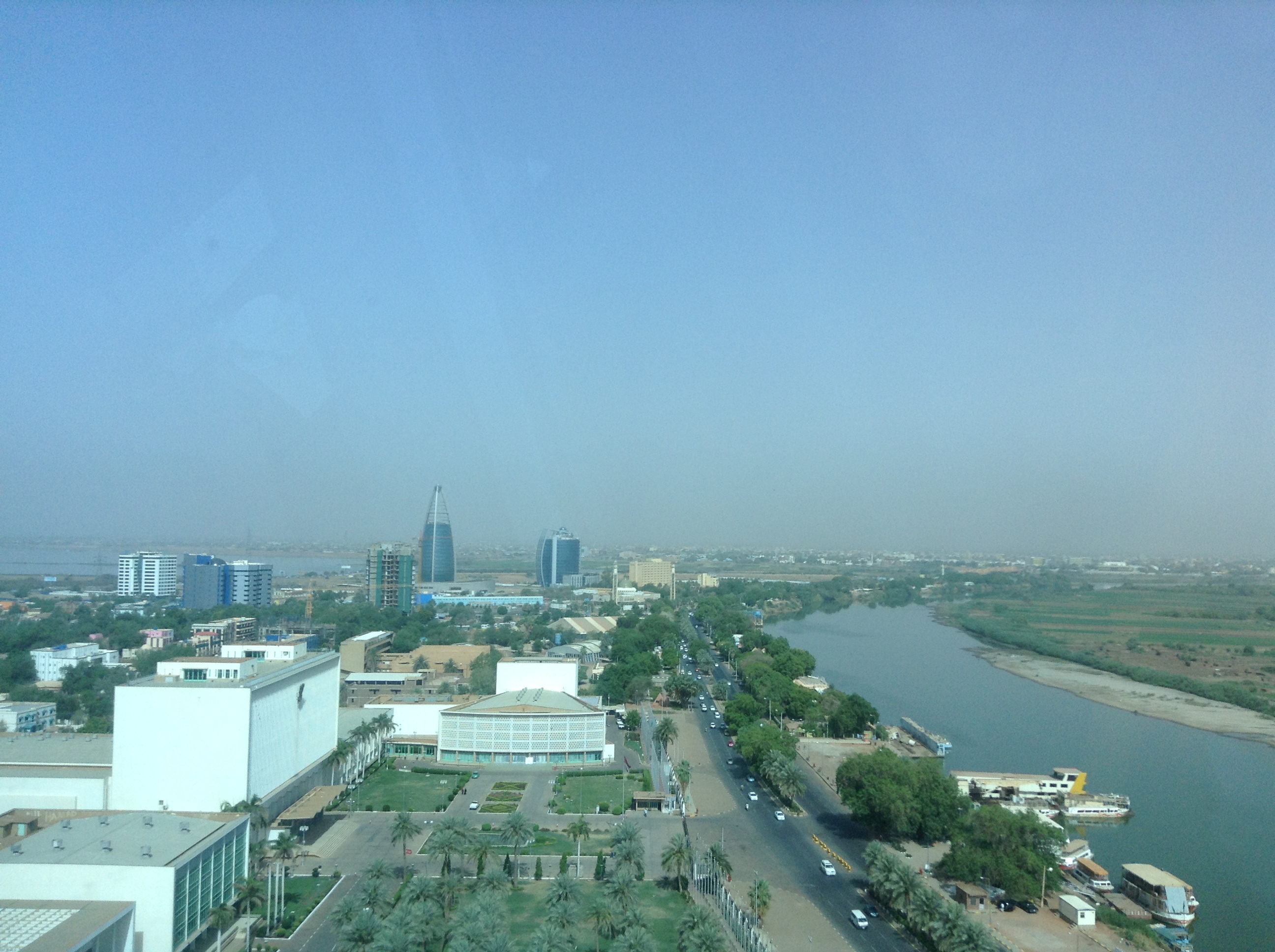
The statement, issued from Port Sudan, was deliberately general — and that generality is the point. The ICRC did not attach its warning to one strike or one side. It said aerial attacks in recent weeks had hit the places civilians live, trade and shelter: homes, markets and areas hosting people displaced by the fighting. Most of the attacks, it said, were likely carried out by armed drones. "The use of drones does not change the rules of war. Technology does not absolve those who use it of their obligations under international humanitarian law," said Lorenzo Caraffi, the ICRC's head of delegation in Sudan.
The organisation restated the legal baseline: those who plan, authorise or carry out attacks must distinguish between civilians and military targets at all times; indiscriminate and disproportionate attacks are prohibited; and all feasible precautions must be taken to avoid or minimise civilian harm. It urged all sides to weigh the foreseeable humanitarian consequences of using armed drones in populated areas. Behind the legal language sits a medical caseload: in the first half of 2026, hospitals supported by the ICRC across Sudan recorded more than 2,700 weapon-wounded patients, and the ICRC says it is supplying hospitals with essential medical supplies and specialist surgical teams to absorb the influx of war-wounded.
The week that produced the warning
The ICRC statement landed at the end of a sequence of reported strikes that illustrates its argument. On Monday, October 19, a drone strike hit Amiet Market, north of Abyei town in the oil-rich region disputed between Sudan and South Sudan. Yohana Akol Ngor, Abyei's caretaker information minister, told Reuters the toll had risen to 153 and was likely to rise further, with the fire still burning and some bodies burned to ashes; Reuters verified video from the scene showing charred vehicles and buildings. Three diplomatic sources told Reuters the strike hit a fuel depot in the market that they said the Rapid Support Forces (RSF) had used in the past to supply its forces. Ngor blamed Sudan's armed forces, without providing evidence; a Sudanese military spokesperson did not immediately respond to a request for comment, and the RSF did not immediately respond either. Doctors Without Borders (MSF) said more than 20 wounded people were brought to Ameth Bek Hospital. South Sudan's foreign ministry blamed Sudan's military and summoned Sudan's ambassador in protest. The full Abyei sequence is tracked in our earlier reporting on the Sudan Geneva talks and the Abyei toll.
A day earlier, on Sunday evening, a drone struck a gathering point near a market in Al-Dibab, in West Kordofan, where residents and medical staff said villagers had gathered after market day to find transport home. Reporting based on AFP and the Emergency Lawyers monitoring group put the initial toll at 80 killed, with 47 wounded taken to Al-Mujlad, where a medical source said 30 later died. The RSF-aligned Tasis administration and Emergency Lawyers blamed the army; the claim and the toll have not been independently verified in full. Our standalone coverage of that strike is at the Nyala and market-strike reporting and the wider Kordofan pattern is followed in the Blue Nile drone strike coverage. In Khartoum, Emergency Lawyers reported three children killed by a drone strike on Monday. On October 19, UN spokesperson Stéphane Dujarric said the United Nations was "alarmed by the continued deadly drone strikes across the country that are killing civilians, including children, and that are disrupting essential services."
Why this matters
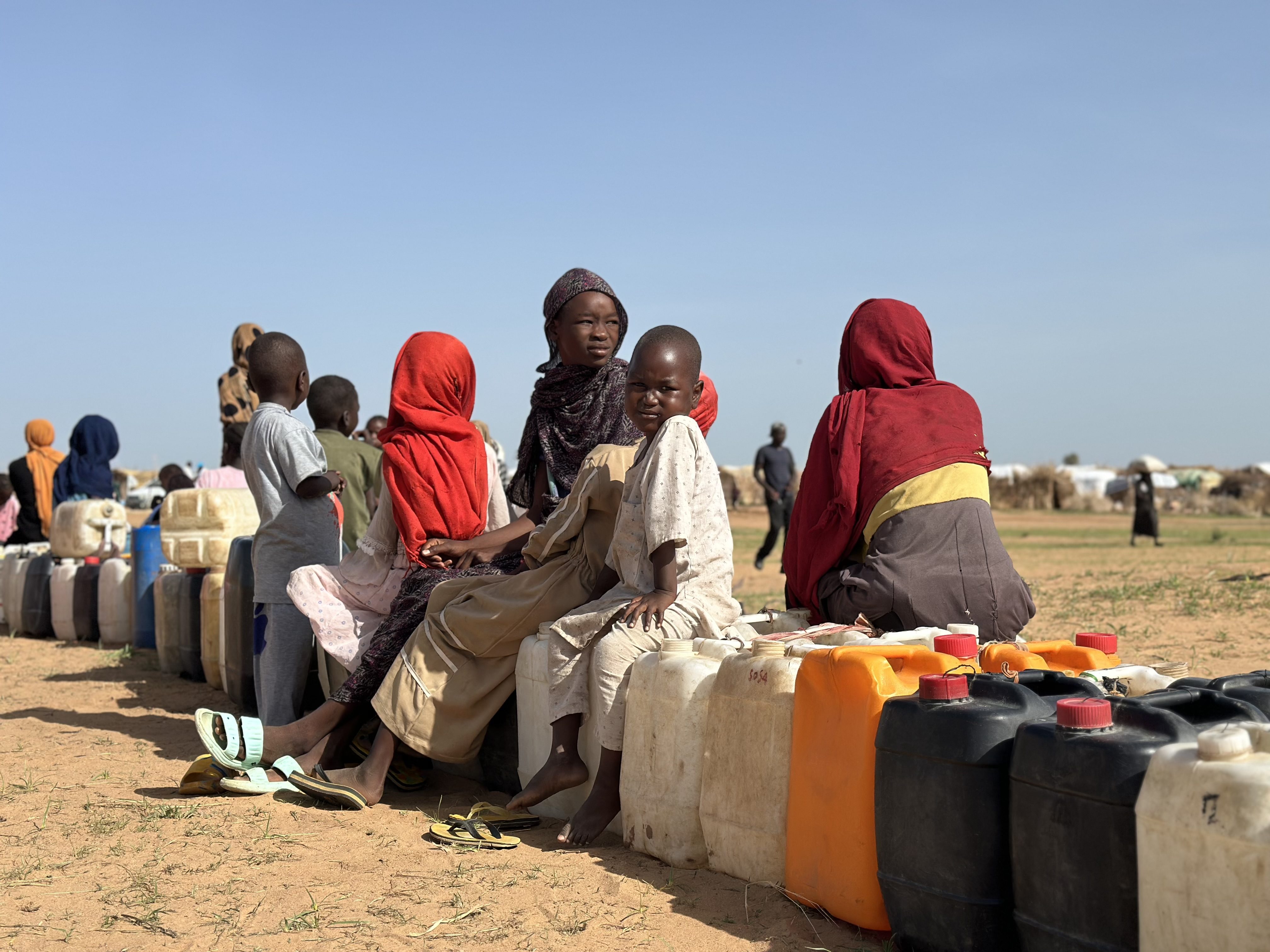
The ICRC almost never comments on a conflict's conduct in general terms unless its own medical and protection work shows a pattern rather than an episode. That is what makes Thursday's statement significant: the guardian of the Geneva Conventions is saying, in public, that the way air power — mostly drones — is now being used in Sudan is predictably killing civilians in the places the law protects most explicitly. Drones have changed Sudan's war economics. Both the Sudanese Armed Forces and the RSF have acquired armed drones in quantity during a war that began in April 2023, and a weapon that is cheap, expendable and flown at a distance lowers the threshold for striking targets embedded in towns — a fuel depot inside a market, a gathering at a transport stop. The ICRC's intervention is aimed precisely at that lowering threshold: it argues the legal test does not move with the technology, and that "foreseeable humanitarian consequences" must be counted before a strike in a populated area, not after.
The warning also lands where diplomacy is thinnest. On Wednesday, October 21, UN and Swiss officials convened nearly two dozen countries in Geneva to discuss ending the war — and both warring parties stayed away. UN envoy Pekka Haavisto said ending the war and alleviating suffering must be the purpose of the effort, in a conflict the UN estimates has left more than 34 million people in need of assistance and nearly 11 million displaced. A warning about civilian harm issued the next day, by an organisation that works on both sides of the lines, is in part a message to those absent parties' external backers: the conduct of the war, not only its existence, is now the documented problem.
Who is blamed, and what is not proven
Balance matters here because attribution in Sudan's drone war is genuinely contested. For Abyei, local and South Sudanese officials blame the Sudanese army; a senior Sudanese military officer was reported by AP as saying the army struck fuel tankers he claimed were intended for the RSF — a claim about who the dead were that has not been verified. For Al-Dibab, RSF-aligned bodies blame the army. In other incidents this month, each side has accused the other. The ICRC, notably, blamed no one by name: its statement addresses conduct — distinction, proportionality, precautions — rather than authorship of any single strike. Readers should hold the same distinction. That hundreds have been killed in aerial attacks in recent weeks is supported by the ICRC, the UN, MSF's hospital intake and Reuters-verified imagery. Who fired each individual weapon, and whether each target had a military use that could even begin a proportionality argument, remains in most cases unproven on the public record.
What happens next
Three things will test whether the warning changes anything. First, the hospital numbers: the ICRC's weapon-wounded caseload is a running, independently collected measure — if it keeps climbing through the end of 2026, the pattern the statement describes is continuing regardless of public commitments. Second, the Geneva track: mediators say a further round of consultations is expected, and whether either the army or the RSF sends representatives — and whether civilian protection, not only ceasefire mechanics, is on the agenda — will show how much weight statements like Thursday's carry. Third, accountability: the UN secretary-general has already said attacks on civilians must be investigated after Abyei, and the ICRC's framing — foreseeable consequences, precautions, proportionality — is the vocabulary any future investigation will use. For the more than 34 million Sudanese the UN says need help, none of that changes tonight's reality: the war's cheapest weapon is now its most present one, and it is being used, in the Red Cross's words, in the places where civilians live.
Sources
International Committee of the Red Cross, "Sudan: Aerial attacks on populated areas are endangering civilian lives," October 22, 2026 (icrc.org). Anadolu Agency, "Red Cross warns aerial attacks in Sudan cause rise in civilian harm," October 22, 2026. Reuters, "Sudanese drone attack killed more than 150 people in Abyei market, official says," October 21, 2026. Associated Press via Capital FM / Sky News, "At least 153 people killed in drone strike on disputed Sudan-South Sudan region," October 21, 2026. AFP reporting on the Al-Dibab, West Kordofan strike, October 2026. United Nations, statements of spokesperson Stéphane Dujarric, October 19, 2026, and UN–Swiss Geneva consultations on Sudan, October 21, 2026.