Three or four in 10,000 / The vision risk on Ozempic is real, rare — and easy to misread
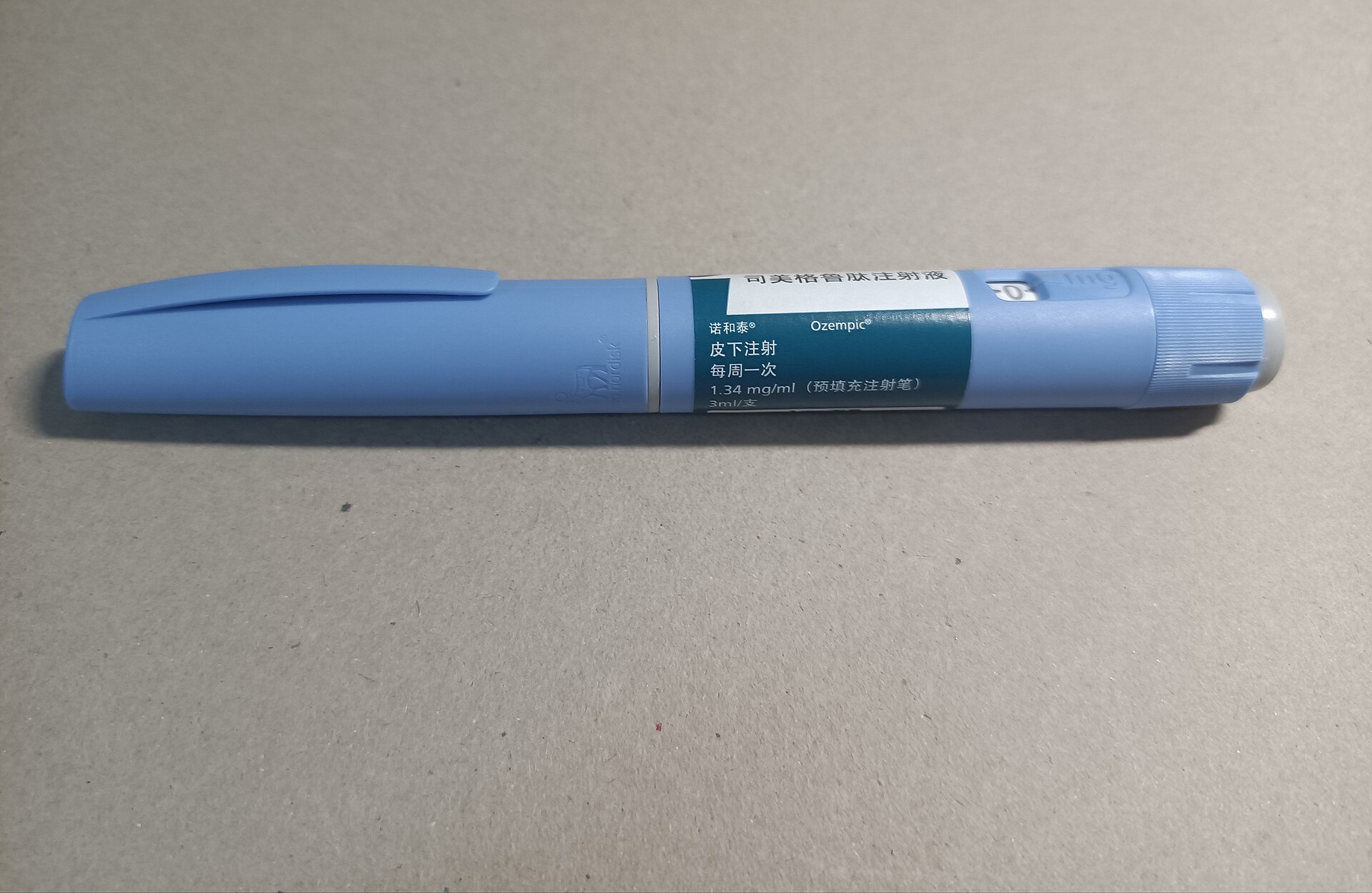
The study examined a large database of United States adults aged 18 to 65 with type 2 diabetes who had recently started treatment, comparing patients beginning GLP-1 receptor agonists — semaglutide (Ozempic for diabetes, Wegovy for weight management) and tirzepatide (Mounjaro and Zepbound) — with patients starting other medicines. Lead author Chintan Dave of Rutgers and his colleagues found a modestly higher likelihood of ischemic optic neuropathy among the GLP-1 group, concentrated where this condition usually appears: in men, and in patients aged 50 to 65.
What is NAION, the optic nerve condition behind the headlines?
Ischemic optic neuropathy happens when the optic nerve — the cable carrying visual signals from eye to brain — receives too little blood. Its most common form is NAION, short for non-arteritic anterior ischemic optic neuropathy. It typically arrives without warning and without pain: a person wakes, or looks up, and finds vision in one eye blurred, dimmed or missing a section of the visual field. Because the damage is to nerve tissue, it is often permanent; reporting on the study notes roughly a third of patients regain some vision, generally within six months, while many keep lasting deficits. Diabetes itself, high blood pressure, sleep apnoea and a naturally crowded optic disc are all established NAION risk factors — one reason untangling a drug effect from the underlying disease is so difficult.
Three to four per 10,000: the numbers in context
The figure that matters most is an absolute one, because relative-risk headlines can mislead. Three to four extra cases per 10,000 patients over 18 months means about 9,996 to 9,997 of every 10,000 treated would not experience this outcome in connection with the excess risk at all. A related Rutgers-reported analysis of some 1.5 million GLP-1 users between 2018 and 2023 put rates at roughly 0.03 versus 0.01 cases per 10,000 person-years — about three times higher in relative terms, and still tiny in absolute terms. Both framings are true: the relative figure tells researchers there may be a signal worth investigating, while the absolute figure tells a patient how likely the event actually is. Confusing the two turns a rare complication into either a scare story or a dismissal — and it is neither.
Second-eye NAION: the AAO analysis, and its large caveat
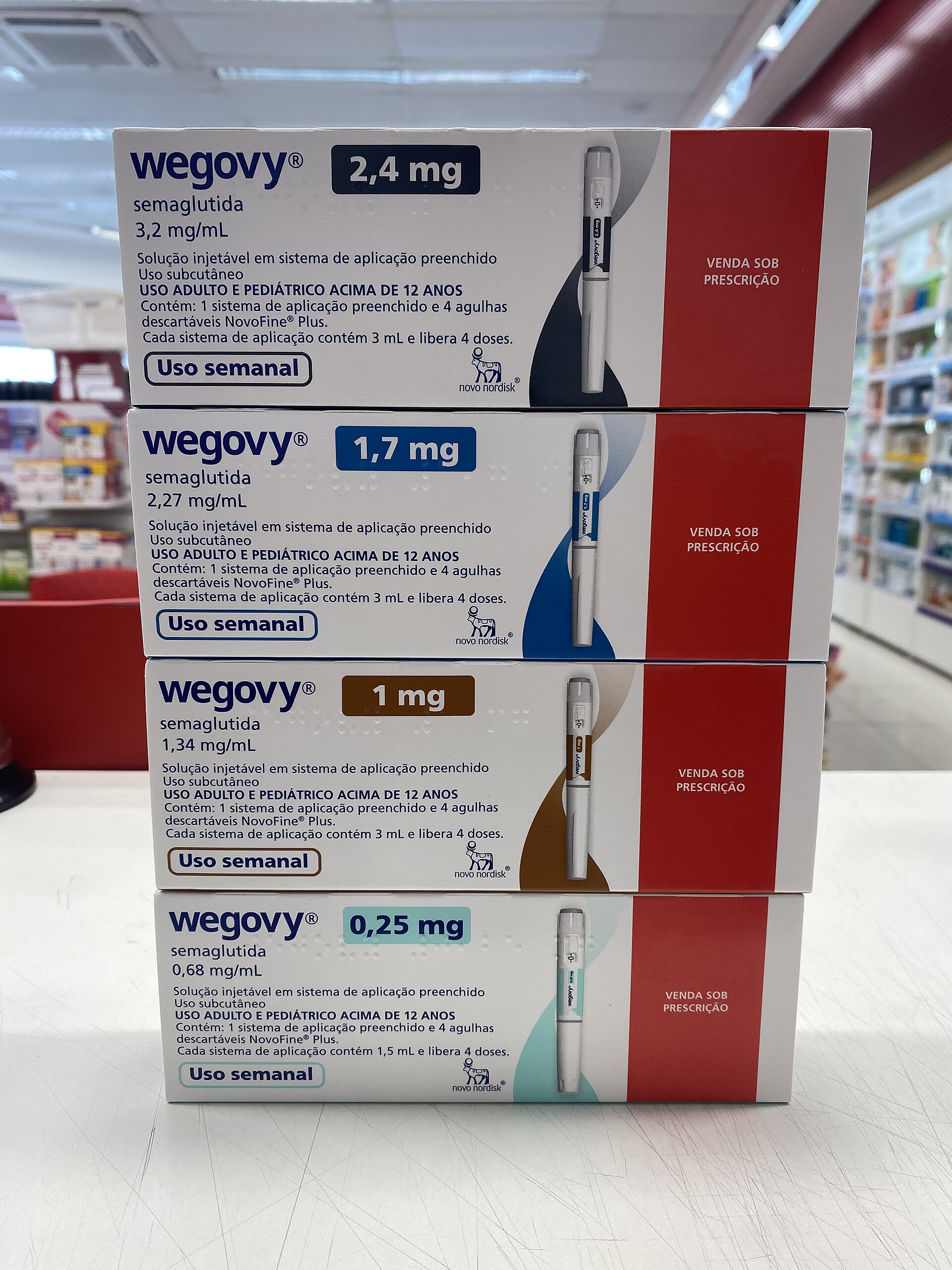
A second analysis, released by the American Academy of Ophthalmology on October 6 and presented at the Academy's 2026 meeting, asked a narrower question: among people who had already lost vision to NAION in both eyes, did GLP-1 users lose the second eye sooner? Using Epic Cosmos health-record data from 2015 to 2025 — about 1,440 GLP-1 users against roughly 20,700 non-users — it found that 56.8 percent of second-eye events in GLP-1 users occurred within six months, compared with 40.6 percent among non-users. About 15 percent of NAION patients develop it in the fellow eye within five years. But the caveat is large: GLP-1 users had average haemoglobin A1C levels 1.0 to 1.4 percentage points higher than non-users, indicating more severe diabetes — itself a NAION risk factor — so drug and disease cannot be cleanly separated, and the researchers describe an association, not proof of cause. The data were also aggregated, and conference findings are preliminary until peer-reviewed.
How the evidence built: from nine patients to population data
The signal built gradually. An earlier case series described nine patients on semaglutide or tirzepatide with serious eye problems, seven diagnosed with NAION — striking, but too small to measure frequency. Single-centre work reported a larger relative increase, fourfold to sevenfold in one much-discussed analysis, while a population analysis across 14 databases and 37 million patients found only a modest increase. The better studies control for who takes these drugs and why, the smaller the apparent effect — a classic pattern when sicker patients are likelier to receive a newer medicine.
What specialists say: vigilance, not a knee-jerk response
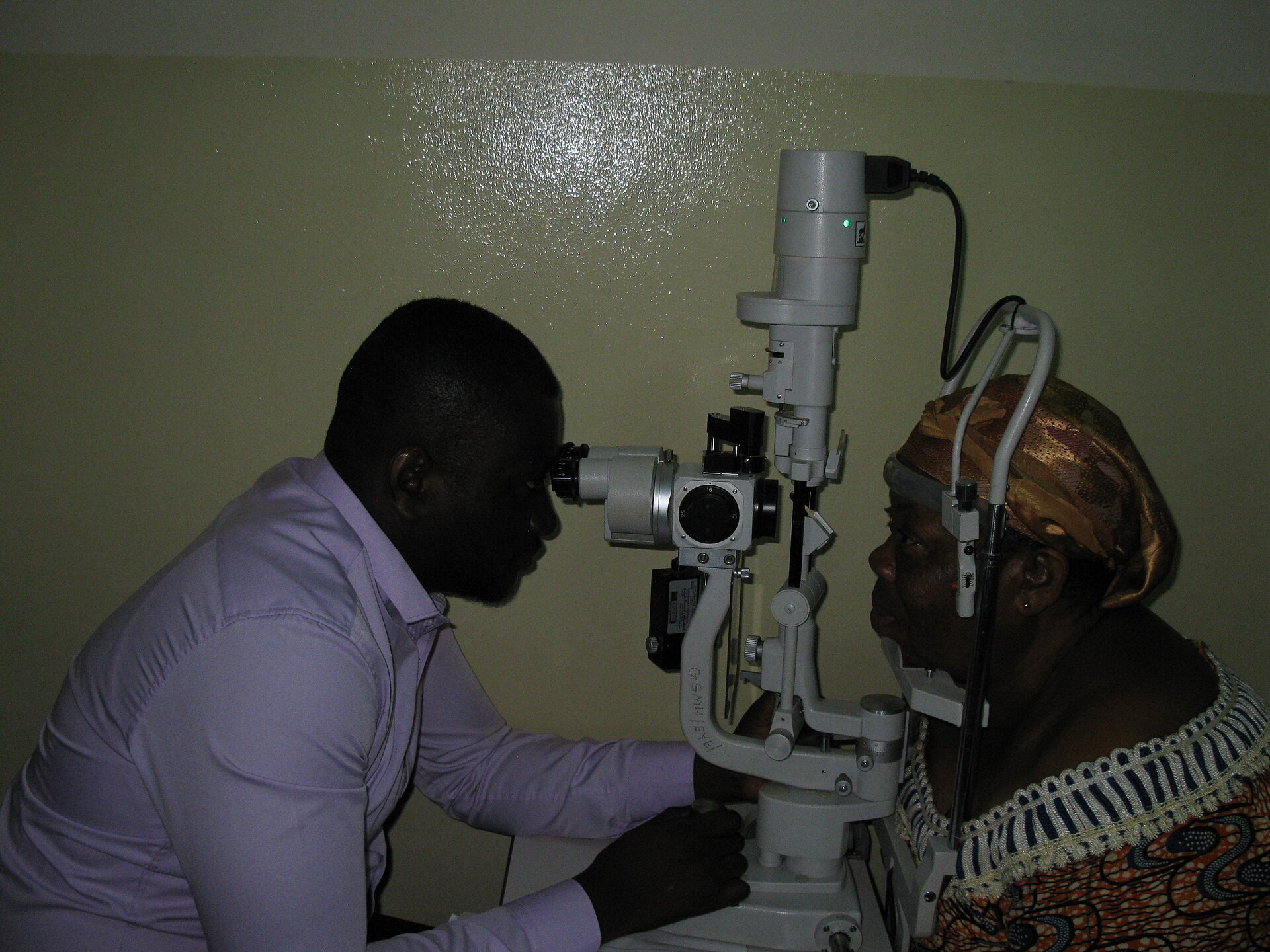
The professional response has been consistent. Speaking at Academy 2026, Leonard Messner of the Illinois College of Optometry called the best approach "vigilance, not a knee-jerk response," emphasised that "the overall absolute risk remains very, very low," and said there is no indication to recommend discontinuing GLP-1 medicines because of NAION risk — including for patients with anatomically crowded optic nerves. For patients who have already had NAION in one eye, he advised individualised risk-benefit discussions. The American Academy of Ophthalmology and the North American Neuro-Ophthalmology Society take a similar line: the studies are observational, they show association rather than causation, and the proven benefits of these drugs — blood-sugar control, weight loss, and reduced cardiovascular and kidney complications — belong on the other side of the scale.
Lawsuits, labels and the manufacturer's position
The science is unfolding alongside litigation. Consolidated United States lawsuits include, per NPR reporting cited in coverage of the study, about 247 people who say they developed NAION on GLP-1 medicines, within a larger body of claims against Novo Nordisk and Eli Lilly. Novo Nordisk says the claims lack merit, pointing to trial experience in which these conditions were exceedingly rare; Lilly likewise maintains the evidence does not prove causation. In Europe, the European Medicines Agency has already required label updates for semaglutide products reflecting NAION as a very rare side effect, while the United States Food and Drug Administration flagged NAION as a possible safety signal in 2025 but has not added a warning to United States labels. Courts, regulators and journals answer different questions on different evidence standards — which is why a lawsuit count, a European label and a new cohort study can all be real without any one settling causation.
Why this matters
This matters because GLP-1 medicines are no longer niche. Tens of millions of people now take them, for diabetes, for weight, and increasingly for heart and kidney protection — which changes the arithmetic of rare harms. An excess of three to four cases per 10,000 is negligible for almost every individual user, yet applied across tens of millions it corresponds to thousands of additional cases of a devastating, often irreversible injury if the association proves causal. That is exactly the risk profile pharmacovigilance exists to catch, and the profile most easily distorted at both extremes: minimised by anyone who hears "rare" and stops listening, or inflated by anyone who hears "three times the risk" without the base rate. The balanced position is the specialists' one. These medicines deliver large, demonstrated benefits; untreated diabetes is itself a cause of blindness; and a small possible increase in one rare condition is a reason for informed prescribing, symptom awareness and better studies — not, on current evidence, for abandoning treatment. The systems that pay for these drugs make population-level judgements of this kind, as our reports on UnitedHealth's earnings and the US–Zambia health deal show.
What to do if you take Ozempic, Wegovy or a related medicine
The practical guidance is short and clear. Do not stop or change your medication on the basis of this study — stopping a GLP-1 without guidance can destabilise blood sugar, weight and heart health, and any change should be made with your prescriber. Do treat sudden vision symptoms as an emergency: sudden painless vision loss, new blurring or dimming, or a missing area in your visual field means urgent, same-day eye care, and you should tell the eye clinician — and afterwards your prescriber — exactly which medicines you take. If you have already had NAION in one eye, raise the second-eye question explicitly at your next appointment, and keep routine diabetes eye screening on schedule.
What happens next
Three developments will decide how this resolves. First, better studies: large analyses using individual patient records, matched for diabetes severity and A1C, could shrink the apparent effect or confirm it — the key unknown is how much of the signal is the drugs and how much the disease they treat. Second, regulators: the FDA's review remains open, and a United States label decision would standardise what patients are told. Third, the courts, whose individual causation tests differ from epidemiology and whose outcomes should not be read as scientific verdicts. Until then, the evidence supports a narrow conclusion — a real but very small risk, a clear instruction for symptoms, and no instruction to stop a medicine that, for most patients, is doing measurable good.
Sources: Geek Slop / ScienceDaily reporting, Oct. 15, 2026 (Rutgers-led Annals of Internal Medicine study; 3–4 additional cases per 10,000 over 18 months; nine-patient case series); JFeed, Oct. 16, 2026 (association, not causation); Medical Daily, Oct. 7, 2026 (AAO Epic Cosmos second-eye analysis: 56.8% vs 40.6%; A1C caveat); Healio, Oct. 2, 2026 (Academy 2026; Messner comments; European labels; lawsuits). Related on Signal Post News: UnitedHealth earnings · US–Zambia health deal.