World · Europe · Germany
World — An eight-year-old girl was seriously injured inside an Arctic wolf enclosure during a children’s zookeeper experience at Wildpark Johannismühle in Brandenburg. Police are investigating the employee who was inside the enclosure with her, the park is closed, and regulators will decide when it reopens.
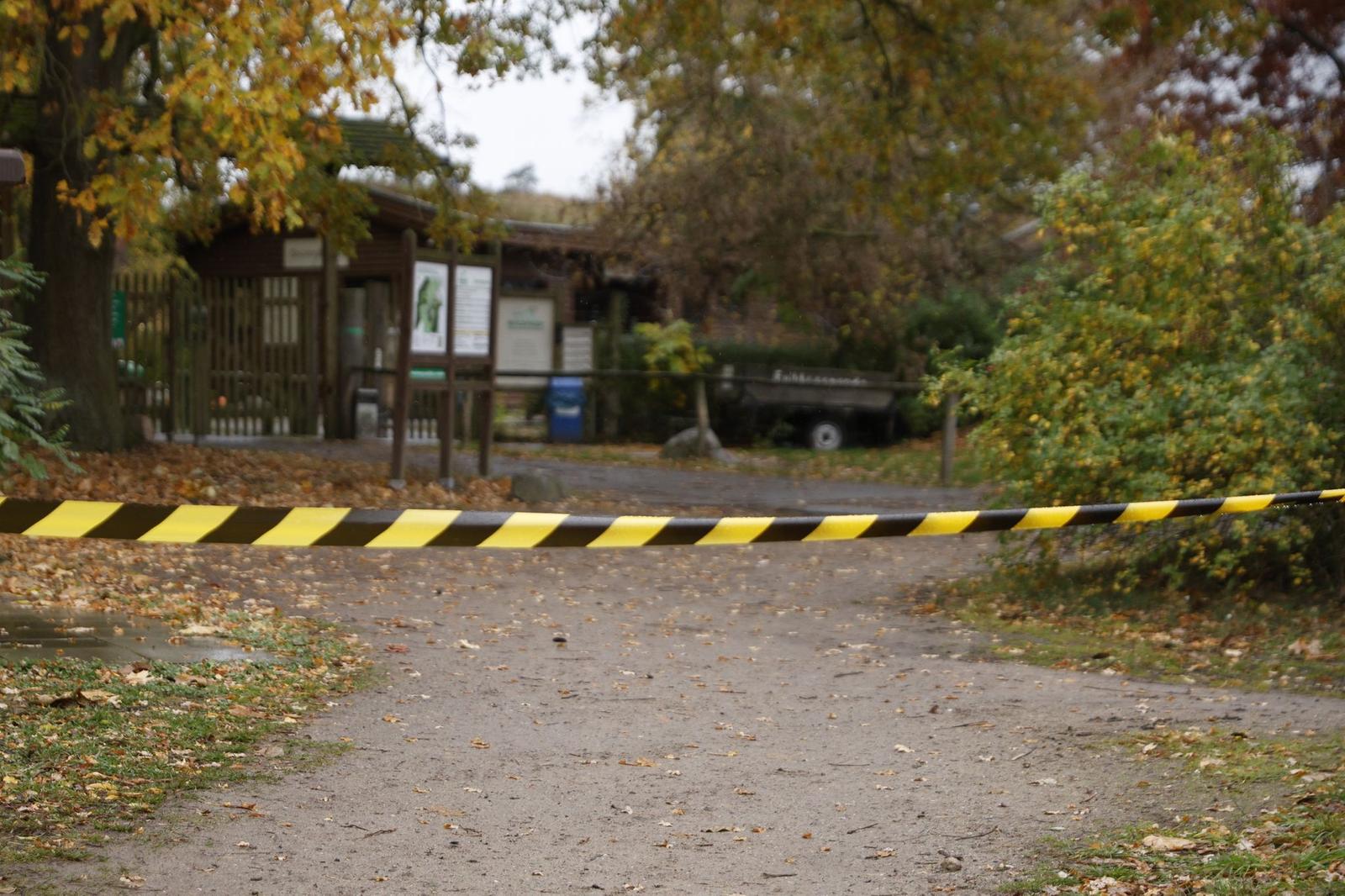
An eight-year-old girl went into an Arctic wolf enclosure on Wednesday morning as part of a children’s zookeeper experience. She came out on a rescue helicopter, seriously injured, after at least one wolf attacked her in front of two other children and the member of staff who was supposed to keep them safe. By Thursday, German police had confirmed what makes this more than a freak accident story: the employee who was inside the enclosure with the children is under investigation on suspicion of negligent bodily harm, the wildlife park is closed, and regulators — not the park — will decide when, or whether, it reopens.
What happened at Johannismühle
The attack happened on Wednesday, October 28, at Wildpark Johannismühle, a privately operated wildlife park outside Baruth/Mark in Brandenburg, about 45 kilometres (28 miles) south of Berlin. The park had not yet opened to the public — its gates open at 10 a.m. — and the children were inside the park for a special, pre-arranged event for children, described by Teltow-Fläming district officials as a zookeeper experience in which children shadow and help animal keepers.
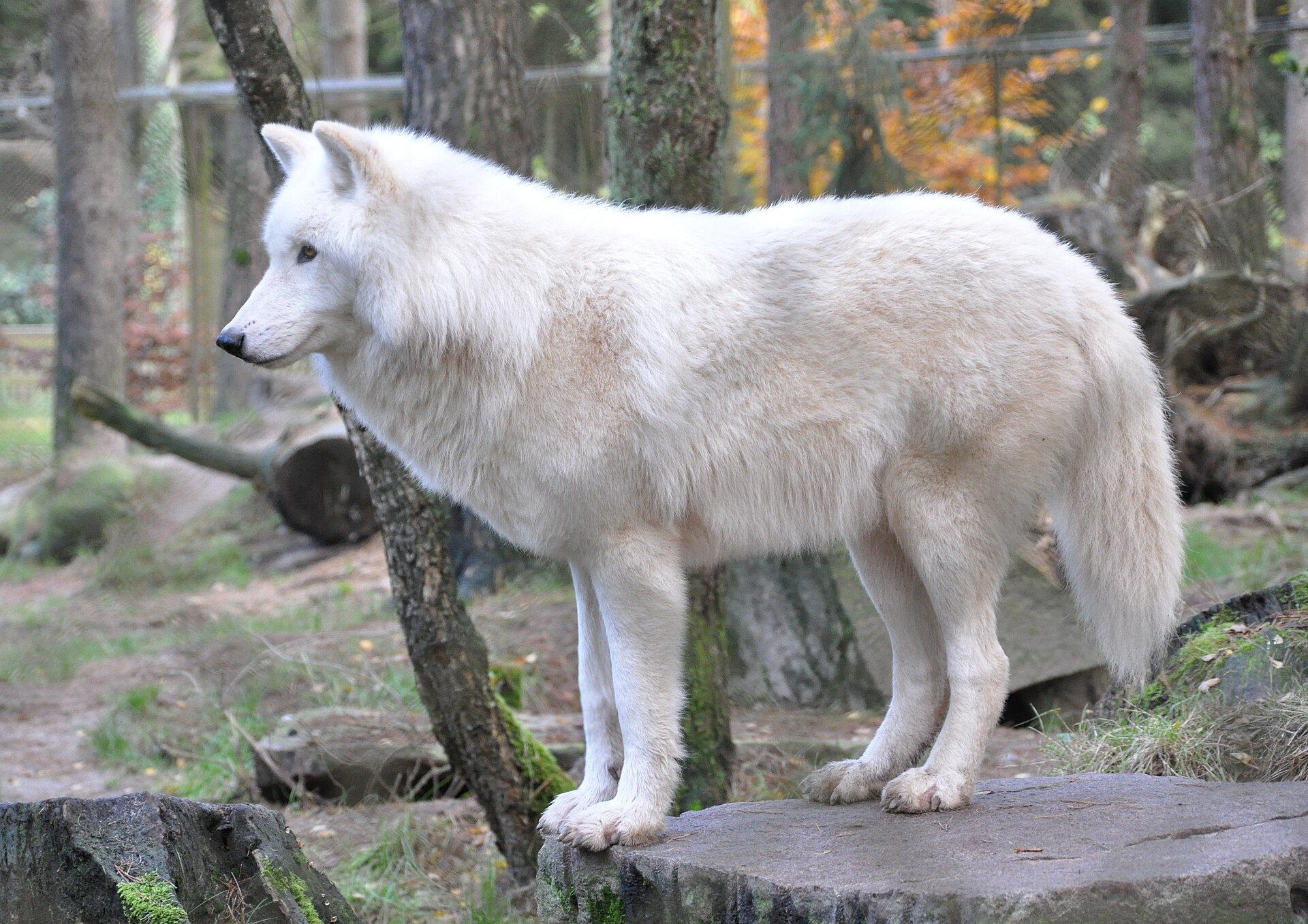
According to the district’s news release, the girl was inside the Arctic wolf enclosure with two other girls and a park employee when she was “injured by a wolf, or possibly several wolves,” at a moment when staff were giving water to the animals. The German newspaper Bild reported that the attack happened at about 9 a.m. and that the girl suffered severe head injuries; police said they were alerted at about 9:30 a.m. A zookeeper intervened during the attack — officials credited that quick action with preventing the two other girls from being injured. First responders treated the girl at the scene and a rescue helicopter flew her to hospital in Berlin. Her current condition has not been made public by officials, and no official medical update had been released by Thursday.
Four people — the three children and, by the district’s account, those present — were offered support from chaplains after the attack. The two other girls were not physically injured.
The investigation: negligent bodily harm
On Thursday, October 29, Brandenburg Police confirmed that the staff member who was present in the enclosure is under investigation on suspicion of negligent bodily injury (negligent bodily harm). Police have not publicly explained why the children were inside the enclosure, exactly how the attack unfolded, or whether any specific safety rule was broken, and no finding of wrongdoing has been announced. The investigation is ongoing.
That open question is sharpened by the park’s own programme listing. According to its official website, as reported by Parade via the German public broadcaster rbb, Johannismühle offers a half-day “Little Zookeeper Day” that allows children ages 10 and older to assist keepers with their daily work. The injured girl is eight. Whether the Wednesday event was that programme, a different pre-booked animal-care activity, or something arranged separately has not been explained by the park, the district, or the police — and that gap between the published age limit and the age of the child inside a predator enclosure is now the central question investigators have to answer.
The district said the police report will go to the Lower Nature Conservation Authority and to the Veterinary and Food Inspection Office, which will conduct an on-site inspection to check compliance with animal-welfare regulations and help determine next steps. The district also stated plainly what is not yet known about the animals: “A professional assessment of the health and behavior of the wolf, or of any wolves potentially involved, in connection with the incident is not yet available.”
A closed park, and two different reopening stories
Johannismühle closed for the rest of Wednesday and did not open on Thursday. Its website states it will remain closed until Monday, November 2. The district, however, has framed reopening differently: the park stays closed until the responsible regulatory authority authorises it to reopen. Those are not the same promise. A date on a website is a plan; an authorisation requirement is a condition — and until the veterinary inspection and the police investigation have run their course, it is the condition, not the date, that governs. Families holding bookings for the park’s listed Halloween events and zookeeper experiences are, in practice, waiting on regulators.
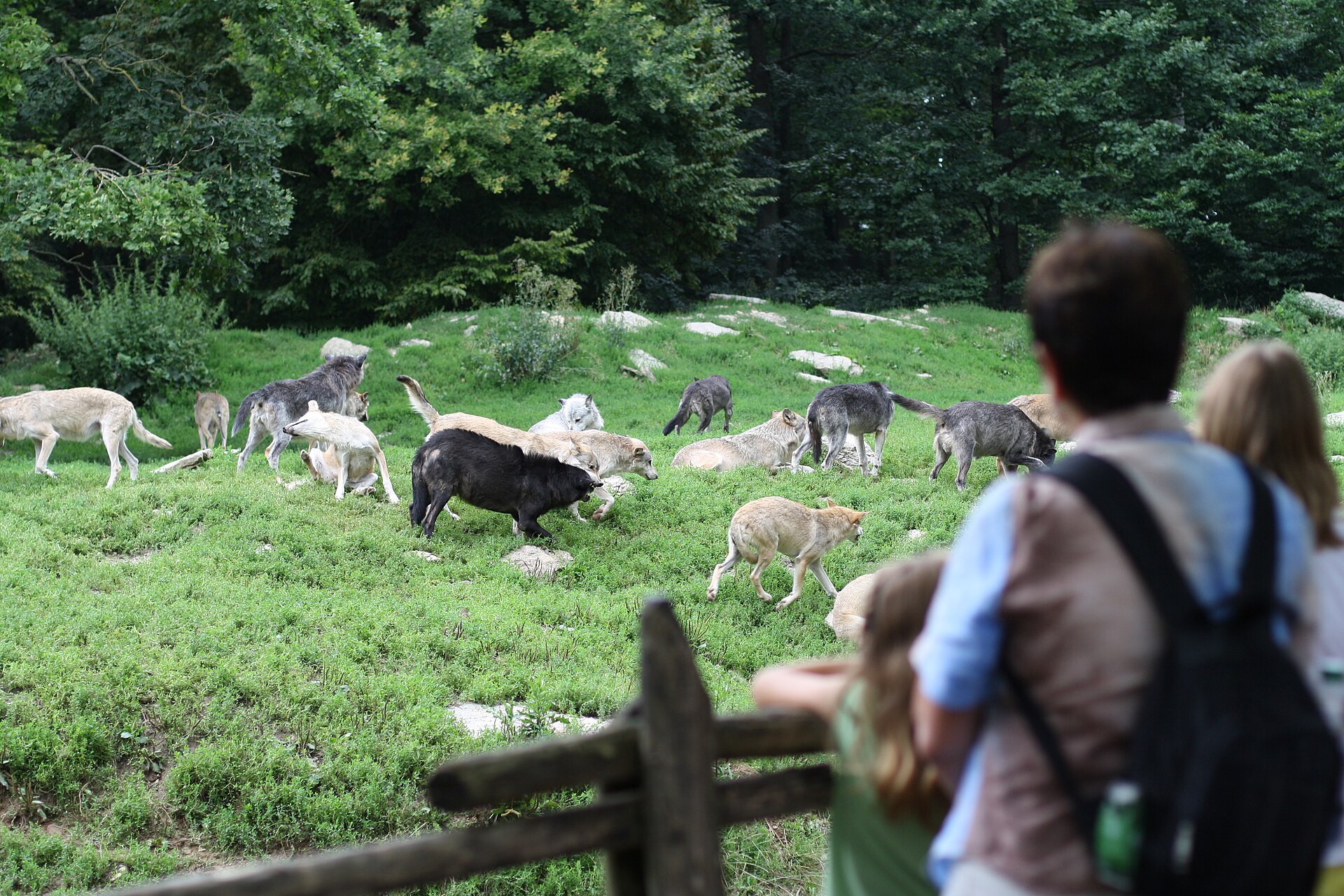
The park is home to roughly 500 animals of around 50 species, including Arctic wolves and grey wolves alongside bears and lynx. It is a popular family outing destination in Brandenburg — which is precisely why an attack inside one of its enclosures, during a product sold as a children’s experience, lands so hard locally.
Why this matters
This story matters because it is not really about a wolf. Wolves in a properly run enclosure do what wolves do; the entire premise of a wildlife park is that fences, protocols, staffing ratios, age limits and stand-off distances exist so that a child’s morning can never depend on an apex predator’s mood. Every safeguard in that chain is human. So the questions that follow from Johannismühle are human questions: Why were children inside the enclosure at all, rather than working from behind a barrier? Why was a child under the programme’s own published minimum age taking part? How many staff were present, and what was the plan if an animal moved toward a child while water was being given — a routine task that brings keepers and animals into the same space at close range?
Those questions travel well beyond Baruth. Behind-the-scenes animal experiences — zookeeper-for-a-day packages, feeding encounters, keeper shadowing — are a fast-growing, premium-priced part of the zoo and wildlife-park business across Europe and North America, marketed hardest at exactly the families whose children took part on Wednesday. They sell proximity. The safety case for them rests entirely on rules the customer cannot see: which enclosures are entered and which are never entered, which species are categorically excluded, what ages are enforced, and who can call a stop. Johannismühle is now a test of whether those rules existed on paper only, were bent for a booking, or failed in the moment — three very different failures, with very different consequences for the park and for the employee under investigation.
There is also a second, quieter stake: the wolves. Germany’s wild wolf population has been one of Europe’s most contested conservation stories, and captive-wolf incidents have a habit of bleeding into that debate. Nothing in the official record so far suggests the animal or animals involved behaved abnormally — no behavioural assessment exists yet — and a captive-management failure, if that is what investigators find, is an argument about enclosures and supervision, not about wolves in the wild. Keeping those two stories separate is part of reporting this one honestly.
What happens next
Three tracks now run in parallel. First, the police investigation into negligent bodily harm, which will establish the sequence inside the enclosure and who authorised it. Second, the veterinary and conservation authorities’ on-site inspection and their assessment of the wolves involved, which will decide both the animals’ future and the conditions of any reopening. Third, the girl’s recovery — on which officials have released no update, and on which speculation, including the most alarming characterisations circulating in some coverage, goes beyond anything authorities have confirmed. Signal Post News will update this story when police, the district, or the park release verified new information.
Related reporting
- Man seriously injured in Yorkshire Wildlife Park tiger attack: the initial report
- Why He Entered the Tiger Enclosure: Witnesses, Family and Officials on the Yorkshire Tragedy
Sources
- CNN, “Girl, 8, injured in wolf attack at German zoo,” Oct. 29, 2026 (reporting Associated Press and Brandenburg Police)
- People, “8-Year-Old Girl Seriously Injured in Arctic Wolf Attack During Children’s Zookeeper Event at Wildlife Park,” Oct. 29, 2026 (Teltow-Fläming district news release; Brandenburg Police)
- Parade, Oct. 29, 2026 (reporting rbb)
- Teltow-Fläming district administration statement, Oct. 28–29, 2026
- Brandenburg Police statement, Oct. 28–29, 2026