France student protests 2026
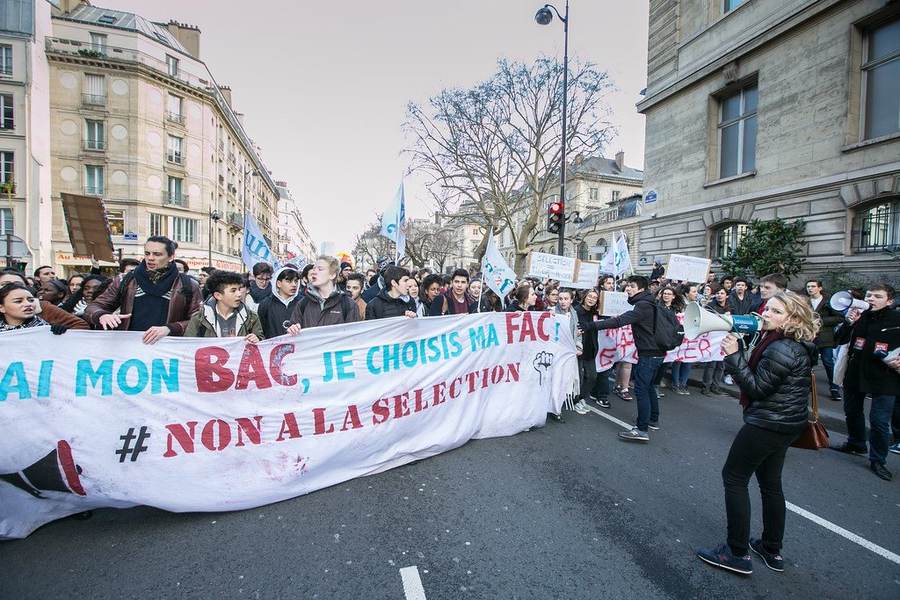
France student protests 2026 began as a week of anger over crumbling classrooms and teacher shortages, then exploded into the country's worst school unrest in years on Tuesday, as thousands of lycée pupils clashed with police across the country. By Wednesday morning, 440 people — most of them minors — had been detained, 76 students and staff were reported injured since the demonstrations began, and Interior Minister Laurent Nuñez was telling BFMTV about protesters hurling hydrochloric acid at officers.
What happened: a Tuesday of burning bins and tear gas
France's Education Ministry said protests affected roughly 400 of the country's 3,700 lycées. The scale mattered: this was no longer a string of isolated school disputes but a national action capable of moving from gates to streets within hours.
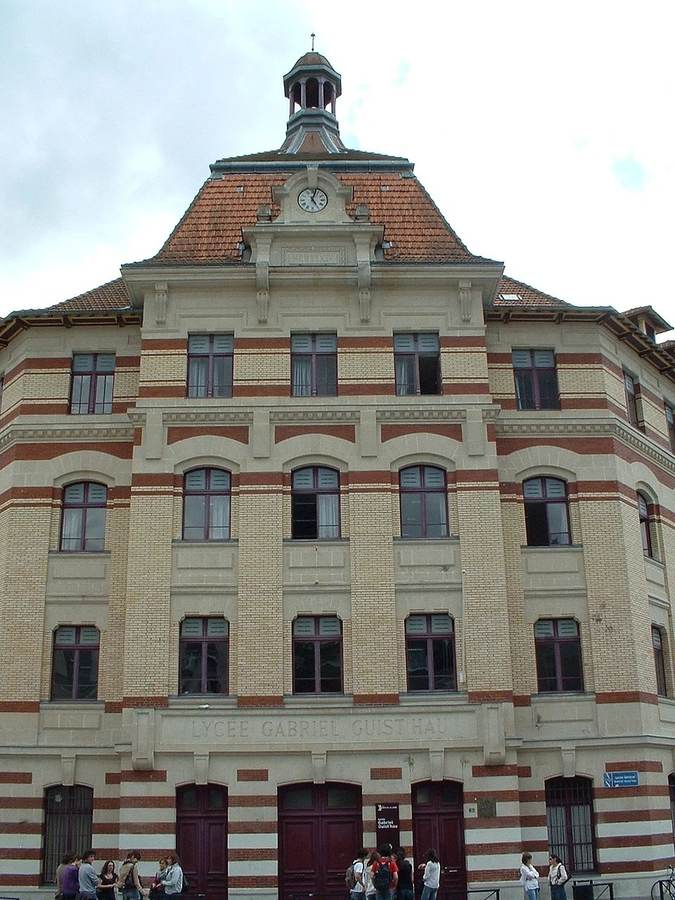
In Lille, masked pupils set bins alight and projectiles flew toward police. Lyon saw riot lines, fires and tear gas. At Saint-Denis, officers charged after fireworks and other projectiles were fired. In Nantes, teenagers piled bins at the entrance to Lycée Gabriel-Guist'hau, according to AFP. About 100 protesters threw projectiles outside Lycée Bréquigny in Rennes, while roughly 80 students gathered at Lycée Lamartine in Paris beneath a sign reading, “More hours of lessons than sleep.”
Nuñez said 440 people were detained Tuesday, most of them minors, and about two-thirds were taken into police custody. He also reported seven incidents in which hydrochloric acid was thrown at law enforcement. Monday had already produced 164 detentions, so Tuesday's tally marked a sharp acceleration. The school action coincided with a nationwide public-sector strike over pay and working conditions; unions put that turnout at about 300,000.
Why this matters
The immediate dispute is about classrooms, staff and schedules. The larger confrontation is between an austerity-bound state and a restless generation at the worst possible political moment for President Emmanuel Macron's weakened camp. France is due to unveil its 2027 budget on Thursday, and anticipated spending cuts give students and public-sector unions a common target.
Detaining 440 people in a single day — most of them minors — also turns the policing of teenagers into an election issue seven months before the presidential vote. France's lycée movements have a history of contagion: blockades that begin over a specific education grievance can spill into universities, transport hubs and broader street politics.
How we got here
The lycée blockade is a familiar French political institution, visible in pension fights and during the 2018–19 gilets jaunes upheaval. This time, students describe concrete pressures: overcrowded classes, missing teachers, dilapidated buildings, punishing timetables and classrooms that became dangerously hot during summer heatwaves.
Those complaints intersect with a public-sector wage fight. French teachers are paid less on average than many European counterparts. OECD data show that France's primary and secondary education spending sat around the middle of the member-country range and rose between 2015 and 2022, yet education's share of public budgets slipped slightly. The argument in the streets is therefore not simply that France spends nothing, but that schools have been quietly deprioritized relative to other demands.
The numbers, in context
Four hundred affected schools out of 3,700 is roughly one lycée in nine — the threshold at which a protest becomes a movement. The jump from 164 detentions Monday to 440 Tuesday shows how quickly both participation and confrontation escalated.
Education Minister Édouard Geffray said 76 students and staff had been injured since the demonstrations began. Authorities separately reported 48 injured officers. Seven acid attacks were a grim novelty in a school protest, and Nuñez used them to frame the police crackdown as self-defence rather than overreaction.
Who is saying what
Students accuse police of excessive “repression” and say the security response obscures their underlying demands. Teachers' unions say pupils and staff share frustrations over understaffing and deteriorating conditions. The government accepts that problems in lycées must be heard but condemns the escalation: Prime Minister Sébastien Lecornu called it “irresponsible,” while Geffray described the violence as “inqualifiable” and said legal proceedings had begun.
La France Insoumise is the political wild card. Hard-left politicians joined demonstrations, prompting the government and rivals to accuse LFI of stoking unrest. In Seine-Saint-Denis, LFI mayor Bally Bagayoko joined hundreds outside Lycée Paul-Éluard, led the national anthem and called the protests “completely legitimate.” He later said his words had been taken out of context. Nuñez, meanwhile, called the police response proportionate and condemned masked protesters carrying projectiles.
What happens next
An off-ramp. Student leaders have called for renewed action while also demanding talks. A negotiated package on staffing, building repairs or schedules could deflate the blockades before they harden into a national campaign.
A budget detonator. If Thursday's 2027 budget confirms education cuts without a visible concession, the government will hand students a fresh grievance and encourage a combined student-worker front.
Contagion. If blockades move into universities, the unrest could become a permanent feature of the 2027 campaign, with LFI attempting to act as its parliamentary champion. The clearest near-term indicators are whether custody numbers keep rising and whether the budget contains an education sweetener.
France's students did not invent the grievances, and the government did not invent the violence. But a Tuesday of burning bins and hydrochloric acid has turned a school-resources dispute into a national test — of policing, of budgets, and of a political class staring down an election year.