france protest teen hand blown off
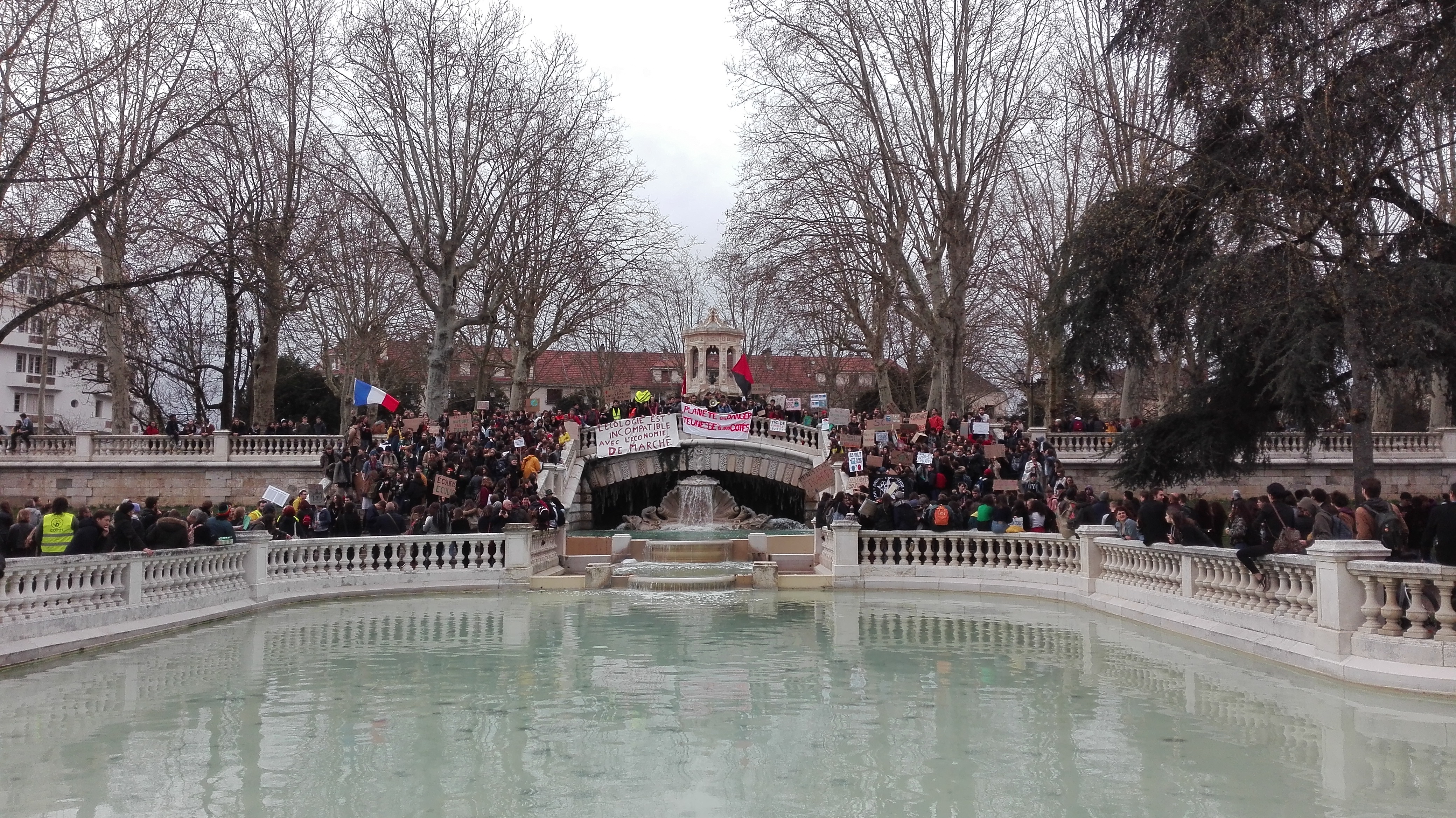
The france protest teen hand blown off in Lens on Monday morning is the most consequential incident yet of France's school protest movement. A 15-year-old boy lost his hand and part of his lower arm after picking up a police stun grenade during clashes between high-school protesters and riot police outside the Auguste Béhal high school in the northern town of Lens, according to Reuters, citing local press reports. Pas-de-Calais prefect François-Xavier Lauch described it as a “very serious incident” and said the teenager's life is not in danger. The IGPN, the national police watchdog, has opened an investigation.
What happened in Lens on Monday morning
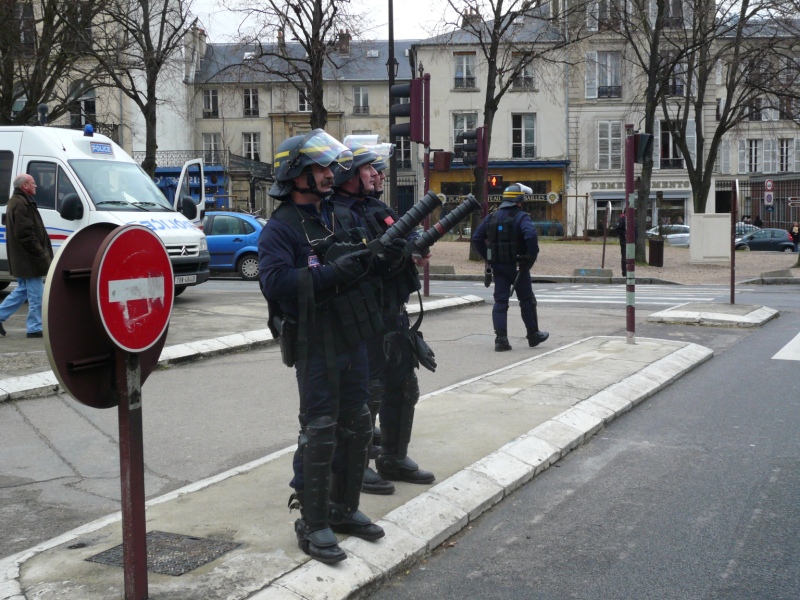
Between 200 and 250 protesters gathered near the school, according to the prefecture. Some hurled stones, fireworks and mortars, and CRS riot police were deployed. AFP, citing a police-union source, reported that the boy picked up a sting-ball grenade. A witness quoted by La Voix du Nord disputed that account. Lens Mayor Sylvain Robert said the circumstances remain unclear.
The Auguste Béhal high school switched to distance learning after the clash and established a support unit. That was the prudent immediate response. The harder task is preserving evidence and witness testimony before rival political narratives harden around an investigation that has barely begun.
Why this matters
A minor maimed by a police weapon at a school demonstration is a political inflection point. The injury lands on the eve of Tuesday's national demonstration called by pupils' unions, and six months before the presidential election to replace Emmanuel Macron. What began as a campaign over school conditions is now also a national argument about policing.
Movements that produce victims acquire staying power; governments seen to maim minors lose the benefit of the doubt. The question dominating French politics is no longer only whether the protests were justified, but whether the state's response was.
How France's schools got here
The movement is in its third week, driven by complaints about underfunding, overcrowded classrooms, dilapidated buildings and teacher shortages, then sharpened by anger over the 2027 budget. On Monday, teaching was suspended at up to 500 high schools, either partially or completely. About 20 schools have been set on fire or looted since the movement began.
Education Minister Edouard Geffray says participation is declining and has promised a student platform — a concession that reads as both acknowledgment and an attempt to deflate the street. Signal Post News traced the movement's opening phase in its report on the first wave of lycée blockades. The fiscal backdrop is laid out in our analysis of France's 2027 budget crisis.
The disputed facts
Honest accounting requires stating what is not settled. The one detail that matters most — why the grenade detonated in a child's hand — is precisely what is disputed. AFP's police-union source says he picked up a sting-ball grenade; a witness quoted by La Voix du Nord disputes that account; the mayor of Lens says the circumstances remain unclear.
The IGPN investigation will determine the chain of events, but investigations take months and the political verdict will be rendered this week. That timing gap makes restraint essential: the injury is established, but the precise sequence that caused it is not.

The political blame game
With six months to the presidential election, every camp is converting the protests into ammunition. The government and the National Rally accuse the hard-left La France Insoumise of stoking the unrest; LFI denies it. This is now a three-way fight over who owns the anger of the young — and the Lens injury hands every side a weapon: proof of state violence, proof of chaos, or proof that someone lit the fuse.
The confrontation also lands amid the wider instability surrounding France's government, making it harder for ministers to separate school policy from questions of political survival.
The policing question
The numbers describe a crackdown of unusual scale against minors: more than 5,000 people have been arrested since the protests began, 87 percent of them minors — roughly 4,350 children detained. More than 1,800 face prosecution, including 1,483 minors. Rights groups accuse police of heavy-handed tactics.
A separate case involving a 16-year-old's eye injury, allegedly caused by rubber bullets, is also under examination. The IGPN probe into Lens therefore joins a pattern of scrutiny, rather than standing as an isolated inquiry.
The numbers in context
Consider what 87 percent means: this is a protest movement policed overwhelmingly by arresting children. Five thousand arrests in three weeks is a pace more associated with national strikes than school demonstrations. Five hundred closed schools in a single day is a shutdown of a meaningful slice of the national education system.
Twenty schools burned or looted are the violent fringe that lets the government frame the whole movement as a security problem. The Lens injury now complicates that framing because the state's own use of force is part of the argument.
What happens next
Tuesday's national demonstration by pupils' unions is the first test: does the Lens injury swell the marches, or scare families into keeping children home? The IGPN investigation will grind on, but its credibility will be contested from day one. With a presidential election six months away, the injury guarantees the school protests stay on the front page — the one outcome none of the political camps can fully control.
France has seen school protests before, but it has rarely seen one produce a maimed child on a Monday morning and a national march on a Tuesday. Whatever the IGPN concludes, the image of Lens — a 15-year-old, a grenade, a school gate — will define this movement. The only question is which side of French politics it ends up defining.
Sources
- Reuters
- BBC News coverage
- Fox News
- Devdiscourse
- Sweden Herald
- La Voix du Nord, via Reuters
- AFP, via attributed reporting
Reporting note: Established facts and disputed accounts are attributed above. Judgments about political consequences and movement strategy are Signal Post News analysis.