Economy · Markets · France
France has now gone three quarters without growth. A 0.1% contraction in the third quarter, a slump in aerospace-led exports and inflation back up at 3.4% leave the euro zone’s second-largest economy one small revision away from a technical recession — with debt near 120% of GDP and its finance minister warning of a wall ahead.
Track it live: Live markets tracker
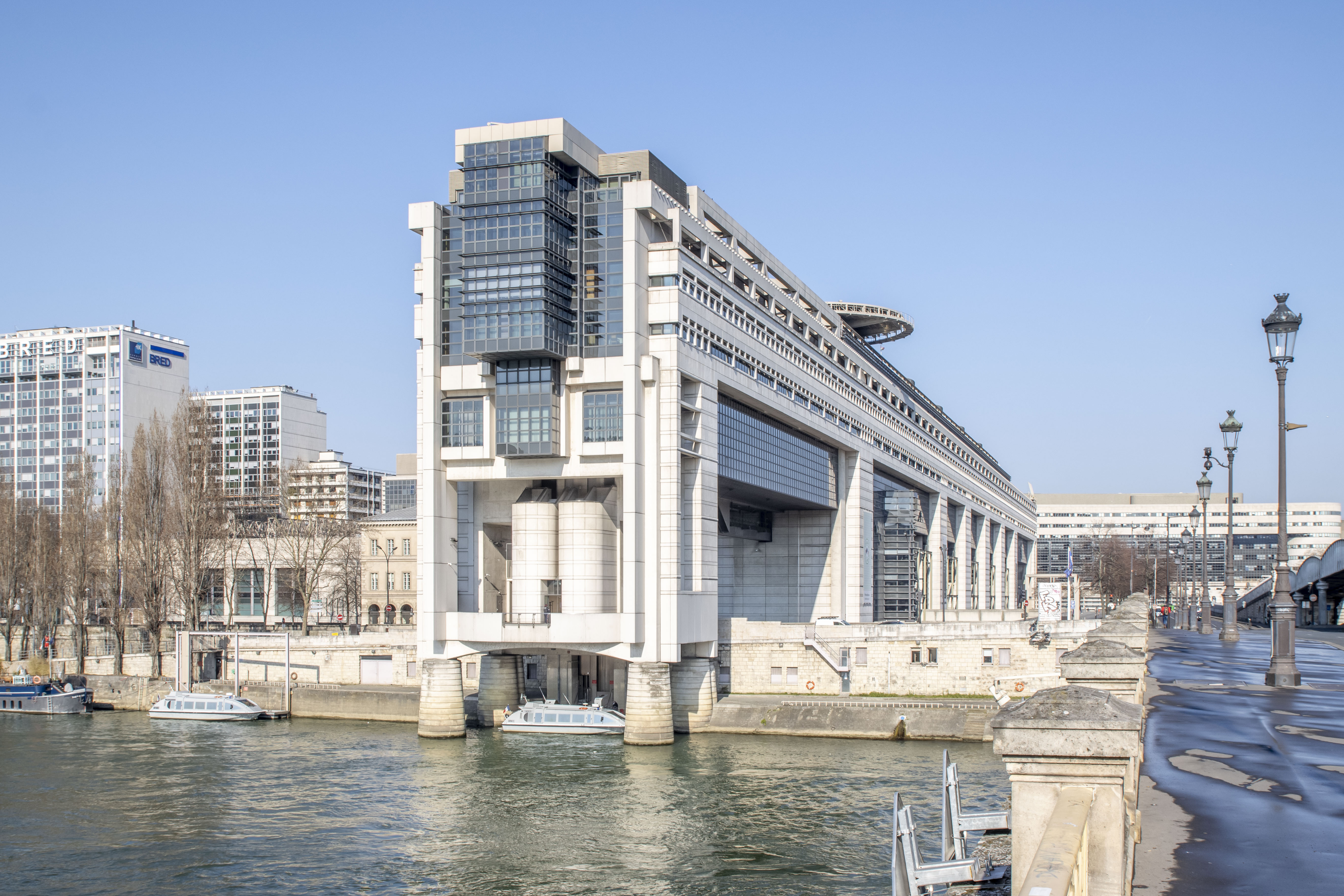
France’s economy shrank when it was supposed to grow. The France GDP third quarter 2026 figures, published by the national statistics office INSEE in preliminary estimates on Friday, October 30, showed gross domestic product contracted 0.1% — missing the slight growth economists had forecast and completing three straight quarters without expansion in the euro zone’s second-largest economy. Exports slumped, investment fell for a second quarter, and inflation accelerated again in October, to 3.4% year on year. Finance Minister Roland Lescure, not a man given to alarm, gave the number a name: “The French economy is at a standstill.”
The numbers, in full
The contraction was not forecast. Economists polled by Reuters had expected growth of 0.1% in the three months through September, after a flat second quarter and a 0.2% contraction in the first. The drag came from abroad and from boardrooms. Exports fell 1.7% after rising 2.8% in the second quarter — a swing driven above all by transport equipment, whose exports dropped 9.1% after surging 20.8% the quarter before, with aerospace the main negative driver, INSEE said. Foreign trade subtracted 0.6 points from growth. Investment — gross fixed capital formation — fell 0.6%, extending a 0.5% decline in the second quarter, as construction and transport-equipment spending dragged. Two cushions kept the figure from being worse: household consumption rose 0.4%, helped by electric-vehicle purchases and a rebound in energy use, and a build-up of inventories added 0.4 points. Government spending rose 0.3%. But the monthly detail undercuts the quarterly cushion: household spending fell 0.5% in September, the second straight monthly drop, against forecasts of a rise.

One revision away from recession
France is not, technically, in recession — that takes two consecutive quarters of negative growth, and the second quarter was flat, not negative. But the margin is now statistical, not economic. “It would only take a slight downward revision of the second quarter for that to be the case,” said Mathieu Plane, an economist at the French Institute for Economics. INSEE’s revised figures arrive at the end of November. The full-year arithmetic is just as tight. The growth carryover at the end of the third quarter — the annual rate France would post if the fourth quarter were simply flat — is 0.2%. Reaching the Finance Ministry’s own 0.5% target for 2026 would require growth of 0.9% in a single quarter, a pace France has not come close to this year. The International Monetary Fund has already moved: earlier in October it cut its 2026 forecast for France to 0.4%, from 0.9% in April, and warned the government to get its public finances in order.
The minister’s wall
Lescure’s warning was aimed at parliament as much as at the public. “For three quarters now, there has been no growth,” he told France Info radio. “France is not heading toward a crisis. But if we fail to achieve the turnaround outlined in the budget, we are headed straight for a wall.” The wall has a measurable shape. Public debt stands close to 120% of GDP, and the government expects the budget deficit to reach 5.4% of GDP in 2026 — nearly double the European Union’s 3% ceiling. Yields on French sovereign debt have soared — French bond yields at multidecade highs — as the fractured parliament deadlocks over the very budget Lescure says must pass. The trap is symmetrical: without consolidation, borrowing costs keep rising on a shrinking economy; with the spending cuts the consolidation requires, purchasing power, consumption and activity take another hit — the dilemma Le Monde’s account of the release spells out.
Why this matters
A 0.1% quarterly dip, on its own, is a rounding error with a headline. What makes this release matter is the combination it completes. Growth has stopped (no expansion since the final quarter of 2025), prices are accelerating again (3.4% inflation is the fastest in well over a year on AFP’s measure, driven by the energy shock from the war in the Middle East), and the state has the least fiscal room of any large euro-area economy to respond. That is the stagflation pattern in miniature — stagnant output, rising prices, expensive debt — arriving in the bloc’s second-largest economy while its neighbours manage average growth of around 0.6%. It also lands on a central bank with its hands tied: the European Central Bank, which has raised rates twice this year to contain energy-driven inflation, held on Thursday, October 29, and postponed any further move to December, with President Christine Lagarde saying risks to inflation remain to the upside. France cannot cut rates for itself; it can only pass a budget, or fail to.
How we got here
The stall has been building all year, and this site’s reporting has tracked its pieces: business activity already back in contraction in the October PMI survey — whose respondents gave the most pessimistic outlook assessment in six and a half years — and the budget crisis that has deadlocked parliament. Business investment has stumbled for much of 2026 as companies delay decisions amid uncertainty, including elections due early next year in which Marine Le Pen leads polling to succeed the term-limited President Emmanuel Macron. The final weeks of the quarter brought a wave of protests that began with student demonstrations over school conditions and broadened into unrest over economic policy, which Reuters notes coincided with households cutting purchases in September. Consumer confidence fell in October to a 13-year low, Dow Jones reported. One caution belongs inside the gloom: the export collapse is partly timing. Aerospace deliveries are lumpy — the same transport-equipment category that fell 9.1% had risen 20.8% the quarter before — and BNP Paribas economist Stéphane Colliac noted a year-end production push could yet flatter the fourth quarter. The investment and monthly-spending figures, which carry no such excuse, are the darker part of the release.
What happens next
Three dates now decide the story. First, the end of November, when INSEE’s revisions could retroactively put France in technical recession by nudging the flat second quarter below zero — or relieve the pressure by revising the third quarter up. Second, the budget fight in parliament: Lescure has staked the government’s credibility on the consolidation passing, and every week of deadlock is priced into French borrowing costs. Third, December’s ECB meeting, where a rate rise aimed at 3.4%-and-rising inflation would tighten the screw on an economy that has not grown in nine months. “In such a climate of major uncertainty, we see no growth drivers at this stage,” Plane said. Sylvain Bersinger of the Bersingéco consultancy is blunter about the quarters ahead, citing the inflation shock, political deadlock and rising sovereign rates. The government’s counter is narrow but not nothing: consumption did rise in the quarter, electric-vehicle demand is responding to fuel prices, and aerospace order books remain deep. Whether that is a floor or a pause before a fourth flat-or-worse quarter is the question the November revisions start to answer.
Sources
- Reuters (October 30, 2026), reporting preliminary INSEE data: GDP contracted 0.1% in the third quarter against a Reuters-polled forecast of +0.1%; exports fell 1.7%, transport-equipment exports dropped 9.1% with aerospace the main negative driver; investment fell 0.6%; household consumption rose 0.4%; and the wave of protests in the final weeks of the quarter.
- Le Monde (October 30, 2026), reporting INSEE’s preliminary estimates: the quarterly sequence (−0.2% in Q1, 0.0% in Q2, −0.1% in Q3), Mathieu Plane’s revision point, the 0.2% growth carryover, October inflation of 3.4% and September household consumption down 0.5%.
- Dow Jones via Morningstar (October 30, 2026): public debt close to 120% of GDP, the government’s expected 2026 deficit of 5.4% of GDP, the IMF’s October cut to its 2026 France growth forecast, and consumer confidence at a 13-year low in October.
- dpa-AFX via RTTNews (October 30, 2026): foreign trade contributed −0.6 points to growth, inventories +0.4 points, government spending +0.3%, and September household spending fell 0.5% for a second straight month.
- AFP (October 30, 2026): Finance Minister Roland Lescure’s remarks — “For three quarters now, there has been no growth”; “France is not heading toward a crisis. But if we fail to achieve the turnaround outlined in the budget, we are headed straight for a wall.”
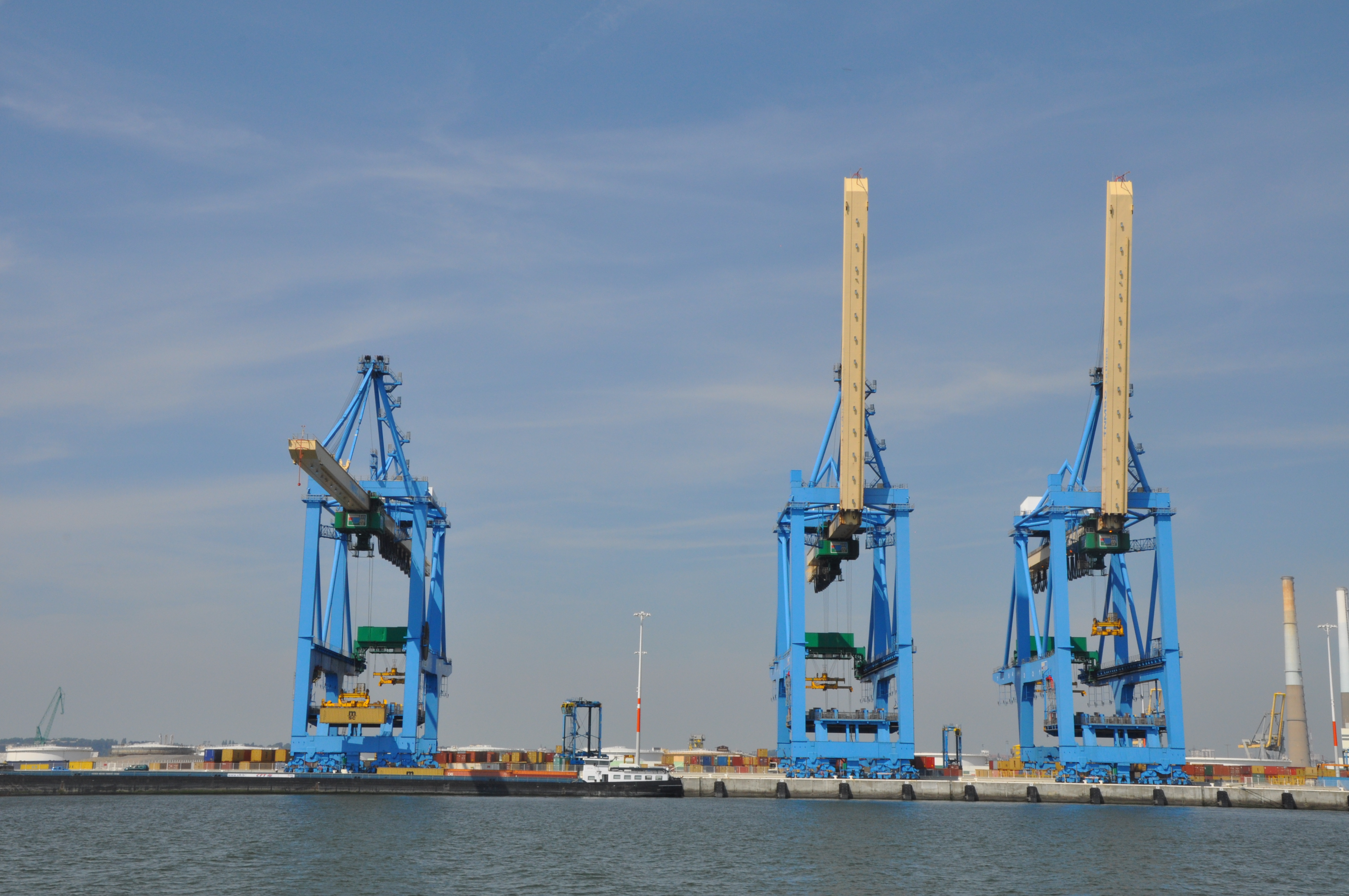
- Photos: Arthur Weidmann, Bernd K and Philippe Alès via Wikimedia Commons (CC BY-SA 4.0, CC BY-SA 4.0 and CC BY-SA 3.0), as credited in the captions. File photographs of the Bercy finance ministry, the Airbus final assembly line in Toulouse and the Port of Le Havre — not photographs of the third-quarter release itself.