Flavio Bolsonaro flees Brazil — and the man who lost the presidency on Sunday was in the United States by Tuesday. Senator Flávio Bolsonaro, 45, left Brazil for the United States days after losing the October 25 presidential runoff to incumbent President Luiz Inácio Lula da Silva, an ally confirmed to Reuters on Tuesday. A person familiar with the matter told CNN he had arrived in the US by Tuesday afternoon, and one source close to the family said he had landed in Florida, Reuters reported. His wife Fernanda and their two daughters travelled with him. He left in defiance of a Supreme Court order, issued the day before, requiring him to surrender his passports and barring him from leaving the country — and he left to a welcome arranged at the highest level in Washington: President Donald Trump approved his entry, and the State Department said it would issue visas to Bolsonaro and his family.
'I would approve': Washington opens the door
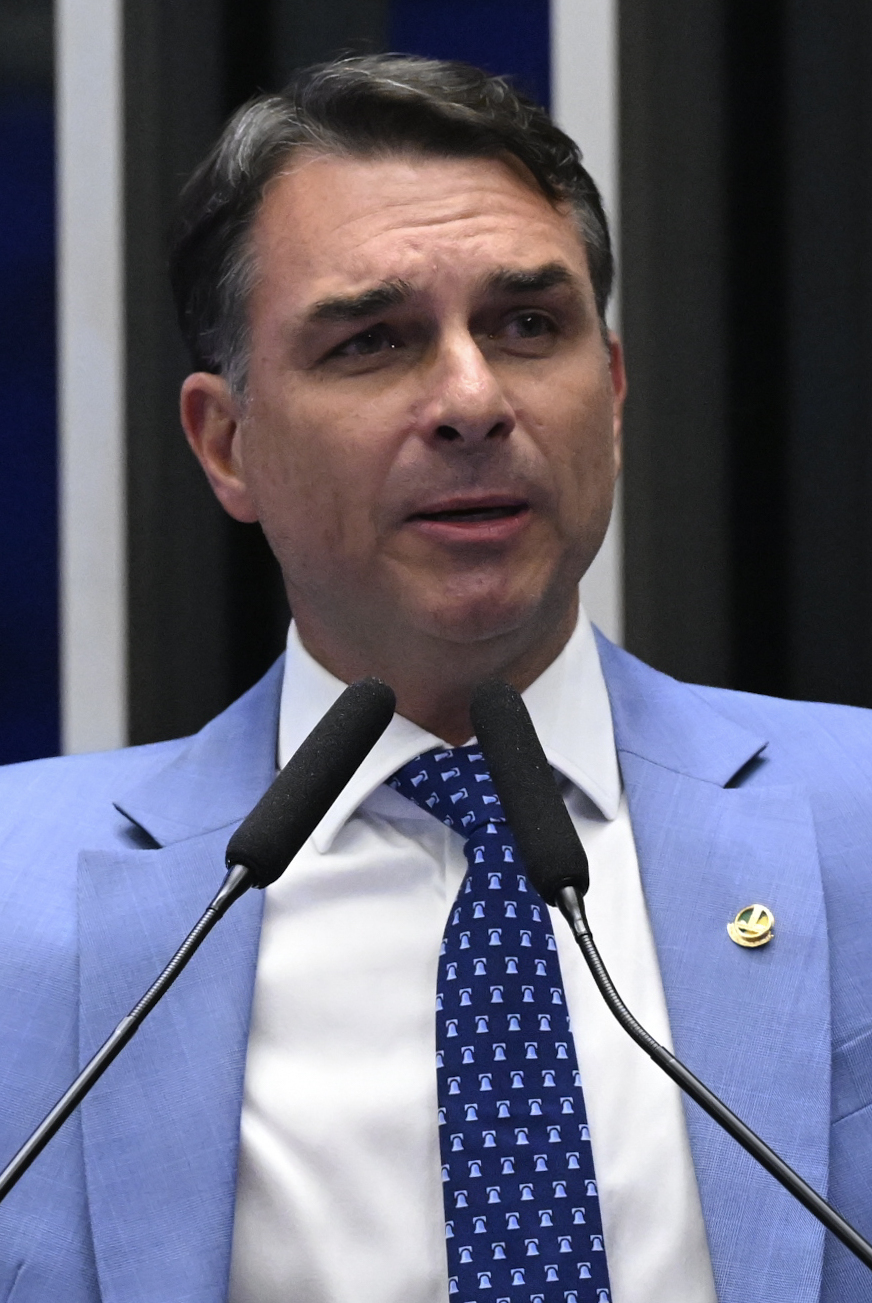
The American welcome was not improvised after he landed; on the reporting, it was arranged while the passport deadline was still running. “The State Department will issue visas to Flávio Bolsonaro and his family and allow them entry into the United States,” a senior State Department official said, in a statement carried by Reuters, USA Today and the Washington Examiner. CNN reported that Trump himself approved allowing Bolsonaro entry, according to a Trump adviser, and that administration officials knew on Monday that Bolsonaro had roughly 24 hours to surrender his passport — and made clear he would be allowed into the United States regardless.
Trump confirmed the posture in his own words early on Wednesday, speaking at Joint Base Andrews as he returned from campaigning in Texas. “Well, I would approve. I think they're fine people. The election was very strange, and I thought it was terrible,” he said, according to Reuters. Trump stressed that he did not endorse a candidate in Brazil's election, and said he had heard Bolsonaro was in Argentina. He has also claimed, without evidence, that Lula's victory was “rigged,” as CNN and Reuters have reported — a claim for which no supporting evidence has been produced, and one that sits awkwardly beside his own party's reading of a count Brazil's electoral court has certified.
The order he left behind
To understand what Bolsonaro defied, start with Monday. As Signal Post News reported when Brazil's Supreme Court ordered Flávio Bolsonaro to surrender his passports, Justice Alexandre de Moraes ordered the senator on October 26 to hand over his passports — Brazilian and Italian — within 24 hours, and banned him from leaving Brazil. The order came inside an investigation into alleged money laundering and currency evasion. CNN's reporting connects the wider allegations to potential illegal online betting platforms and to the financing of “Dark Horse,” a biopic about his father, which federal police believe involved funds from Banco Master, a collapsed bank at the heart of a reported $7 billion Ponzi-like scheme in 2025. Those are allegations under investigation, not findings, and Bolsonaro denies all wrongdoing.
His public position, set out as late as Monday, was that he would comply. In an Instagram video posted that day, he called the measures an attempt to intimidate him, said he had never considered leaving the country and said he would hand over his passports. He did not. Brazil's Federal Police cancelled his passports after he failed to surrender them, CNN Brasil reported via CNN. One legal point cuts both ways and matters for what comes next: when Bolsonaro left, there were no arrest warrants against him — but legal analysts told CNN that defying the surrender order could itself become grounds for one.
How did he get out? Nobody's account matches
The route out of Brazil remains genuinely unresolved, and the honest way to report it is as a conflict, not a narrative. A senior Federal Police official told Reuters that Bolsonaro did not exit through any regular migration point — which, if accurate, means Brazil's own border system has no ordinary record of the departure of a man it had just banned from travelling. Argentina's government first said it had no record of his entry. Then, early on Wednesday, Argentina's immigration ministry posted that Bolsonaro and his family had entered Argentina from Brazil late on Tuesday with valid documentation and no legal impediment, and had boarded a flight whose flight plan listed Guayaquil, Ecuador, as its destination, CNN reported.
Brazilian reporting fills in a third version. Folha de S.Paulo and Metrópoles described a route through Argentina — via the border city of Puerto Iguazú — and a plan to land in Florida. Metrópoles further reported that allies said Bolsonaro planned to request political asylum in the United States. That last point needs to be stated precisely: no US or Brazilian official has confirmed that an asylum application has been filed, let alone granted, and this article does not report one. What is confirmed is narrower and still remarkable — a sitting senator under a Supreme Court travel ban crossed at least one international border, boarded at least one flight, and arrived in the United States with Washington's prior knowledge and approval.
The election he lost — after winning the first round
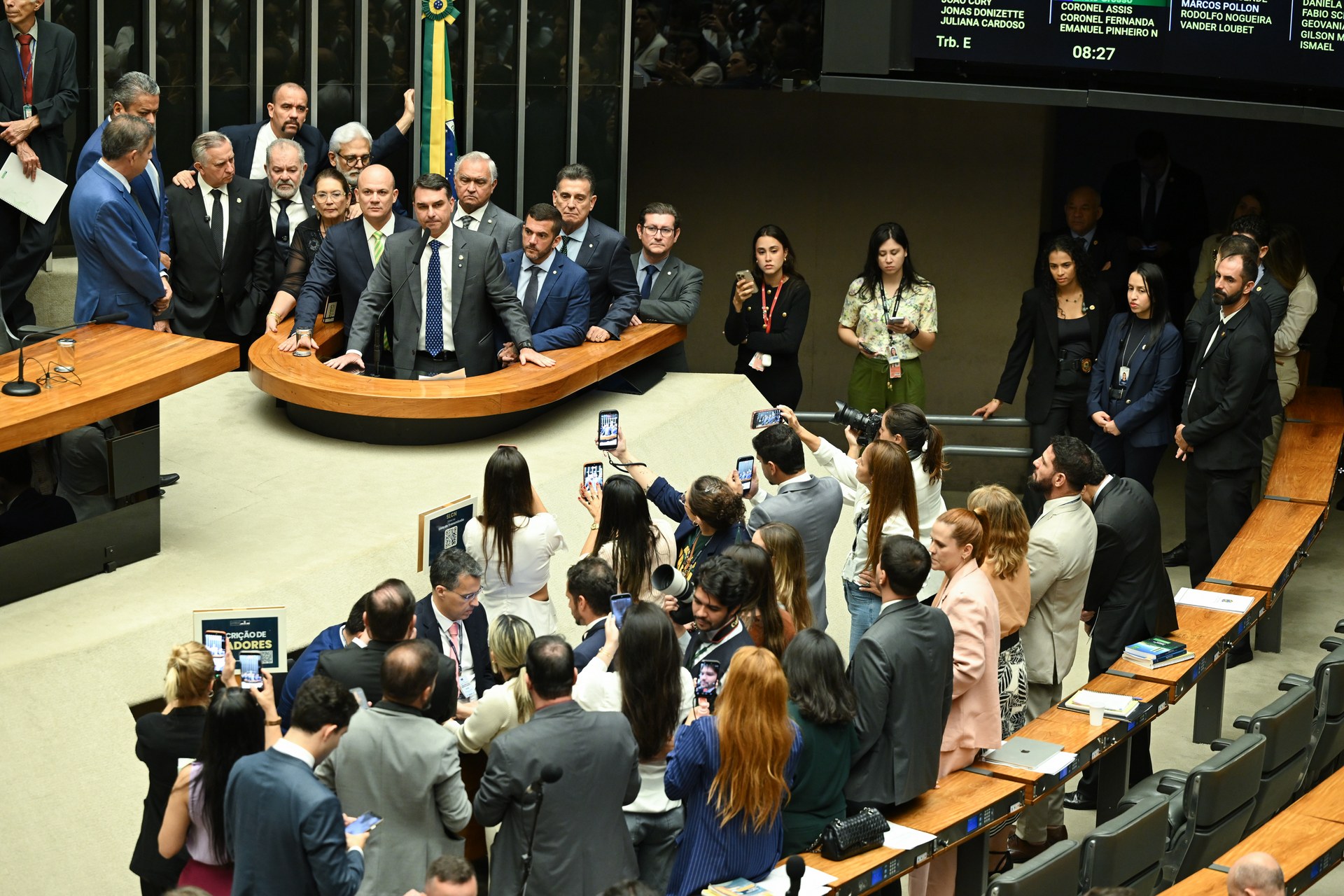
The flight cannot be separated from the result that preceded it. Lula won the October 25 runoff with 51.76 percent of valid votes at the final count by the Superior Electoral Court (TSE), to Bolsonaro's 48.24 percent — a margin of about 4.4 million votes, as Signal Post News reported in its coverage of how Lula won Brazil's presidential runoff. Bolsonaro had led the first round, which made the runoff the first reversal of its kind in modern Brazilian politics, the Washington Examiner noted: the first-round winner lost the second round.
His first response was refusal. Bolsonaro initially declined to concede and sought annulment of the result, challenging a last-minute court decision that had extended voting by two hours — a decision analysts across the coverage noted could not plausibly account for a 4.4-million-vote gap. His own party then stepped around him. “We recognize the presidential election results,” Liberal Party head Valdemar Costa Neto said, per CNN Brasil. The party recognised the result its candidate would not, and by Tuesday the candidate was gone.
'Shameful': Lula answers, and Bolsonaro's own camp is blindsided
Lula responded on Tuesday, at his 81st birthday celebration in Brasília, and he did not choose diplomatic language. He called the flight “shameful,” and said Bolsonaro could have stayed in Brazil to fight his accusers in court. “Regrettably, that is the Bolsonaro family for you. Brazil is their second homeland; their first homeland is the United States,” Lula said. The remark lands inside a wider accusation Lula has pressed for weeks: that Washington meddled in the election to support Bolsonaro. The State Department has rejected that charge as baseless, USA Today reported — a rejection that now has to coexist with the same department issuing visas, within days, to the defeated candidate who had just defied his own Supreme Court.
Perhaps the most telling reaction came from inside Bolsonaro's own campaign. Coordinator Rogério Marinho told CNN that Flávio texted on Tuesday morning that he was “cooling his head,” then stopped answering messages. “We're surprised because yesterday we talked about the need for Flávio — given the roughly 60 million votes he received — to take on this leadership role for the opposition,” Marinho said. His brother Eduardo Bolsonaro, who lives in Texas and who before the runoff had publicly suggested Flávio should leave Brazil if he lost, added a further twist on Tuesday by calling the flight rumours a “lie,” CNN reported — even as an ally was confirming the departure to Reuters.
Why this matters
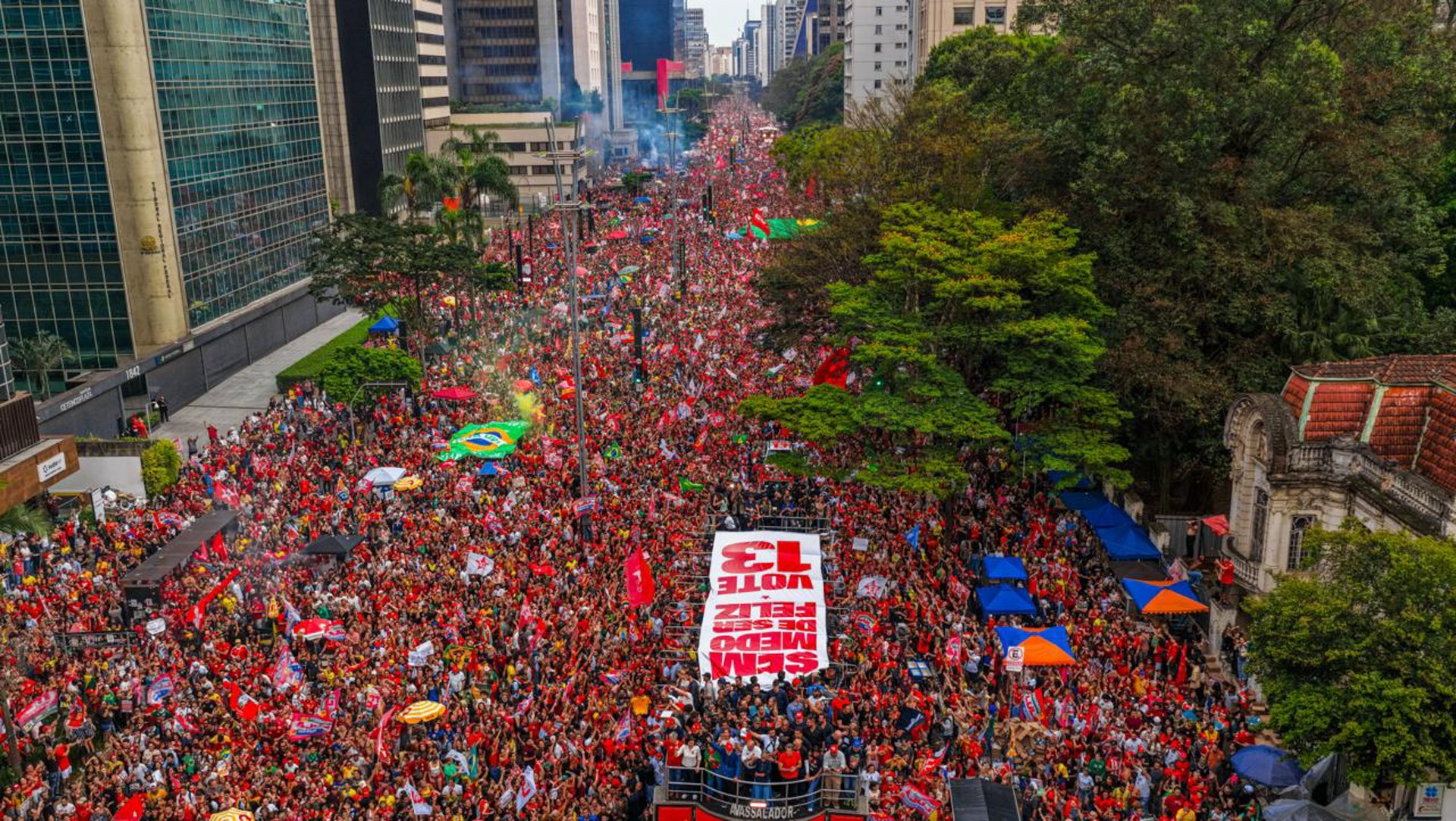
Begin with the arithmetic of Brazilian politics. Roughly 60 million people voted for Flávio Bolsonaro — the largest opposition vote in the country's history — and the man who received those votes has left the country two days after the election, apparently without telling his own campaign coordinator. A president governs against an opposition; Lula now governs against an opposition whose natural leader is in Florida, whose party has already recognised the result he refused to concede, and whose leadership vacuum figures like Marinho must fill in real time. Whatever Bolsonaro intended, the practical effect is the decapitation of the Brazilian right at the moment of its greatest electoral strength.
Second, a Brazilian criminal case has been converted, by a visa decision, into a US–Brazil diplomatic dispute. Bolsonaro was not a tourist in difficulty; he was a sitting senator under a travel ban issued by a Supreme Court justice, in a money-laundering investigation, who had publicly promised to surrender his passports and then left anyway. For Washington to approve his entry anyway — knowing, on CNN's reporting, exactly what deadline he was defying — is a choice with a message in it, and Brasília has heard it. It lands days after Lula accused the United States of meddling in the election, which means every Brazilian institutional response now happens inside a sovereignty argument the flight itself has made louder.
Third, the case tests whether court orders mean anything against a defendant with a friendly foreign government. Brazil's options are all slow or fraught: an arrest warrant issued in absentia, a formal extradition request, or pressure through diplomatic channels. Extradition from the United States of a man the US government has just affirmatively welcomed — and who may yet seek asylum — is politically fraught in the extreme, and everyone in Brasília and Washington knows it. The precedent cuts beyond one family: if a travel ban can be defeated by a plane and a welcome, the tool itself is weakened for every future investigation of every powerful Brazilian.
The Florida pattern
None of this is without precedent — in this family, it is close to a tradition. Flávio Bolsonaro now joins an established community of Brazilian right-wing figures in the United States that includes his brother Eduardo, former intelligence chief Alexandre Ramagem and podcaster Paulo Figueiredo, CNN noted. His father wrote the template: after losing the 2022 election to Lula, Jair Bolsonaro decamped to Orlando, Florida, for three months rather than hand over power in person. While he was gone, his supporters stormed the seats of government in Brasília on January 8. Jair Bolsonaro was later sentenced to 27 years in prison over efforts to overturn the 2022 result, CNN reported. The son's departure differs in one legally decisive respect — he left under an active court order his father never faced at the moment of departure — and echoes the original in every political one: defeat, refusal, Florida.
What happens next
The first move belongs to Brazil's courts. Defying the surrender order could itself ground an arrest warrant, legal analysts told CNN, and a warrant issued against a defendant abroad converts the Federal Police's quiet embarrassment — no record of a regular exit — into a formal international file. Watch, second, for Brazil's diplomatic track: whether Brasília files an extradition request it knows Washington is unlikely to honour, because filing it is itself a statement about sovereignty, or confines itself to protest while the investigation proceeds in absentia.
The third track is American, and it is about status. Visas have been approved for Bolsonaro and his family; what has not been confirmed is any asylum filing, despite Brazilian reports that allies expect one. Whether he remains a visitor, seeks asylum, or receives some other form of US protection will determine how permanent this exile is — and how directly the Trump administration owns it. Fourth, the opposition he left behind: the Liberal Party recognised the result, Marinho is publicly positioning for leadership of a movement built around a surname now attached to a man in Florida, and the roughly 60 million voters Bolsonaro won will be courted by whoever claims that inheritance. Finally, the underlying investigation does not stop at the border: the money-laundering and currency-evasion inquiry, the betting-platform allegations and the Banco Master financing claims will now be litigated with the principal suspect giving interviews, if he chooses, from American soil. Brazil has seen a Bolsonaro contest an election's legitimacy from Florida before. The difference this time is that the man in Florida is also a fugitive from his own court's order — and the president who welcomed him said so on camera: “I would approve.”
Related coverage
Brazil court orders Flávio Bolsonaro to surrender his passports a day after losing the presidency to Lula · Lula wins Brazil's presidential runoff against Flávio Bolsonaro
Sources
Reuters, “Flavio Bolsonaro leaves Brazil for US after election defeat, source, media say” (October 27, 2026) — reuters.com. Reuters, “Trump says he approves of Brazil's Flavio Bolsonaro coming to US” (October 28, 2026) — reuters.com. CNN, “Flavio Bolsonaro flees Brazil after passports order” (October 27, 2026) — cnn.com. USA Today, “Flavio Bolsonaro flees Brazil for US” (October 27, 2026) — usatoday.com. This article attributes every contested claim to its source; the money-laundering, currency-evasion and betting allegations are under investigation and are denied by Bolsonaro, the route out of Brazil is disputed between official accounts as reported above, and no asylum filing has been confirmed by any US or Brazilian official.