Politics / Courts — The full Fifth Circuit ruled 10–7 on Friday that the Constitution does not guarantee detained immigrants a bond hearing, reversing a panel decision that had freed three Texas fathers and deepening the legal fight over the Trump administration’s mandatory-detention policy.
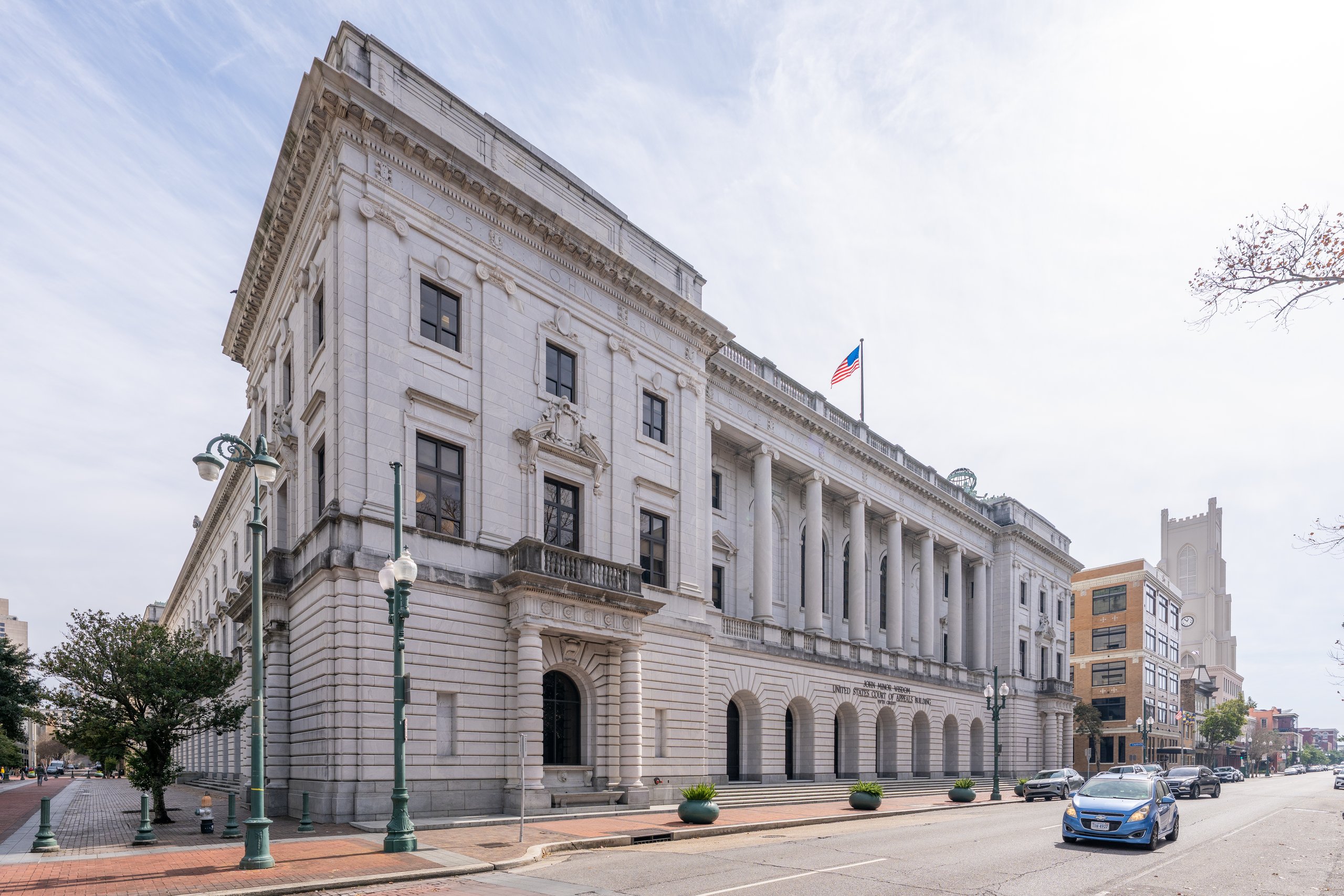
Detained immigrants in Texas, Louisiana and Mississippi have no constitutional right to ask a judge for release on bond, the full U.S. Court of Appeals for the Fifth Circuit held on Friday, in a 10–7 en banc decision that removes one of the last judicial checks on the Trump administration’s policy of mandatory immigration detention across the three states that hold the largest share of the nation’s detainees. The ruling, in the case known as Sosnava Rodriguez v. Vergara, holds that the Fifth Amendment’s due process protections do not require bond hearings for people detained while their deportation cases proceed — however long those cases last. “To the extent petitioners seek to vindicate a liberty interest to be free from physical restraint in the most abstract sense, they can do so at any moment by agreeing to leave the country,” Circuit Judge Cory Wilson, a Trump appointee, wrote for the majority.
Three fathers, a traffic stop, and a reversed victory
The case began with three men in Texas. Ignacio Sosnava Rodriguez, Miguel Angel Gomez Alvarado and Alejandro Villegas Angel had each lived in the United States for at least 14 years, worked, and were raising U.S. citizen children, according to the Texas Tribune’s reporting, cited in coverage of the ruling. State troopers arrested them after routine traffic stops and turned them over to Immigration and Customs Enforcement, which held them without any hearing. Federal district judges found the detentions violated due process and ordered them released. In July, a three-judge Fifth Circuit panel, in an opinion led by Judge Leslie Southwick, ruled 2–1 that the government had to give people in their position a bond hearing within 90 days of detention. Wilson dissented from that panel ruling. The full court then vacated the panel’s decision, reheard the case en banc, and on Friday ruled the other way, with Wilson writing for the majority and Judges Southwick, Stephen Higginson and Dana Douglas each writing dissents.
The procedural path matters. The Fifth Circuit had already, in February, adopted the administration’s reading of immigration law as requiring mandatory detention for the affected class. Friday’s ruling answers the separate, harder question the February decision left open: whether the Constitution itself imposes a floor beneath that statutory scheme. The court’s answer is no — at least for people who entered the country without being admitted, the category the majority’s reasoning addresses.
Why this matters
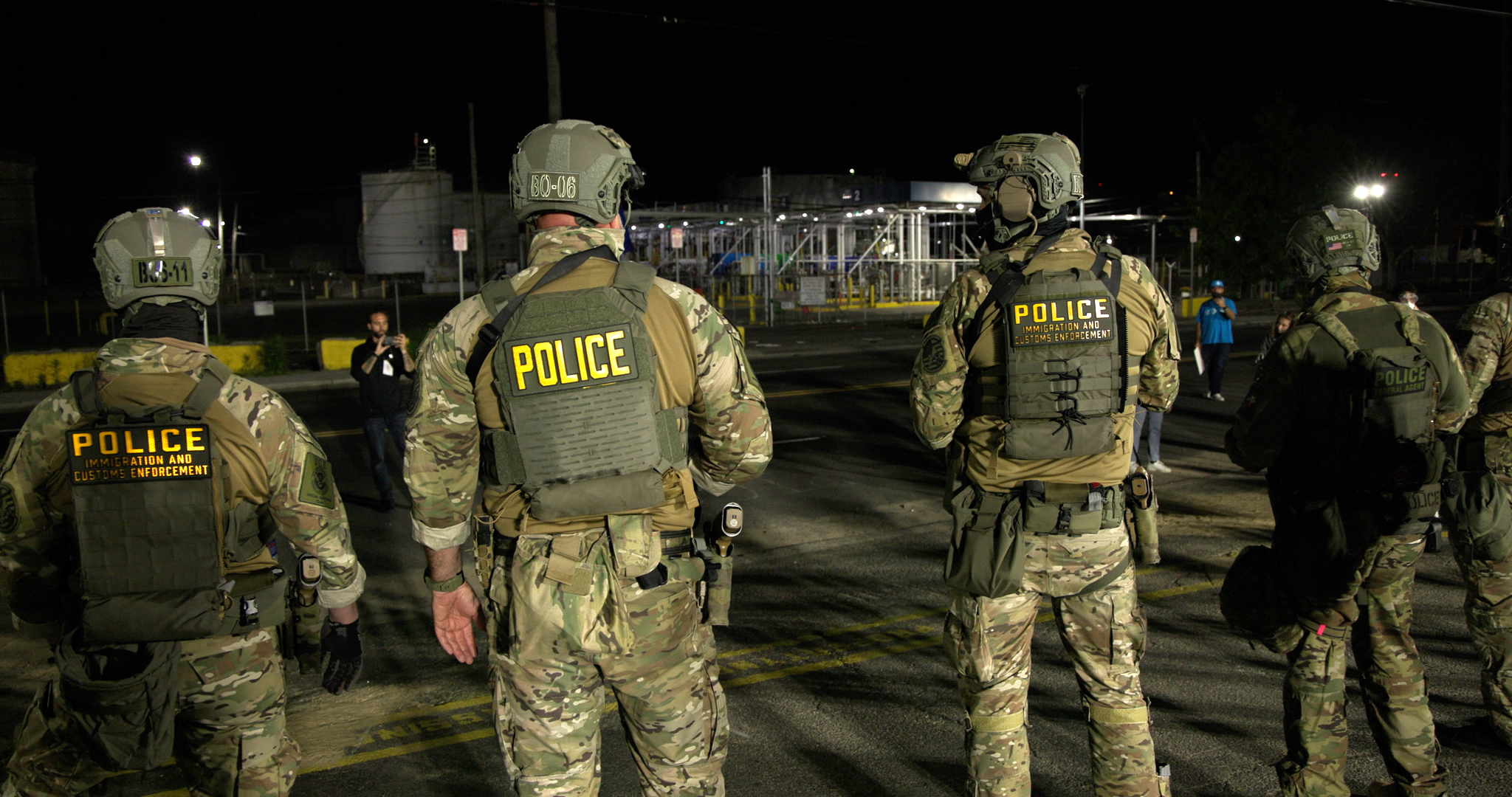
A bond hearing is not a technicality. It is the one moment in the immigration detention system where the government must justify, person by person, why a particular human being should stay locked up — whether they are dangerous, whether they are likely to flee, whether years of residence, a job and citizen children count for anything. Remove it, and detention becomes automatic and indefinite in practical terms: a person picked up at a traffic stop can remain in custody for the months or years a deportation case takes, not because a judge found them risky, but because no judge is permitted to ask. With the ICE detention population having passed 65,000 this past summer, a rule eliminating bond hearings across the circuit that contains the country’s largest detention states is, as we noted when the Supreme Court took up the related statutory question in our report on the Court’s mandatory-detention case, not a procedural adjustment but an operating principle for a national system.
What the majority said, and what the dissents said
The majority’s logic rests on the distinction between people who were formally admitted to the United States and people who entered without admission. For the latter, Wilson’s opinion treats detention during removal proceedings as a constitutionally ordinary incident of the government’s power over entry — and treats the ability to depart voluntarily as an answer to the liberty claim. The dissents, written separately by three judges including the author of the July panel opinion, press the opposite intuition: that physical imprisonment by the government, for months or years, without any individualised finding of danger or flight risk, is precisely the kind of deprivation the Due Process Clause exists to test. Readers should hold both frames at once, because the Supreme Court will soon be asked to choose between versions of them. The Court this month agreed to consider whether bond hearings are required by the immigration statute; it is not, in that case, being asked the constitutional question the Fifth Circuit answered Friday. If the justices rule for the administration on the statute, Friday’s constitutional holding becomes the load-bearing wall for detention in the Fifth Circuit. If they rule the other way on the statute, a statutory right to hearings could exist even where the Fifth Circuit finds no constitutional one — the two decisions would operate independently, and the practical map of who gets a hearing would depend on both.
The wider landscape: a divided country, by circuit
Friday’s ruling lands in a judiciary that has been splitting along geographic lines all year. Other appeals courts have reached different conclusions on related questions, and district courts flooded with individual habeas petitions have overwhelmingly ordered hearings or releases in case after case, even as the administration’s policy expanded detention. The Fifth Circuit is the first full appeals court to settle the constitutional question for the administration in these terms, and it governs the states — Texas and Louisiana above all — where detention capacity and detainee numbers are concentrated. That concentration is why immigration lawyers described the decision within hours as the most consequential detention ruling of the year: it does not merely announce a principle, it switches off hearings in the places where most hearings would have happened. The ruling’s effects will also be felt beyond the courtroom. Detention without a hearing changes plea-like calculations throughout the system: a detained person who cannot get before a judge faces enormous pressure to accept deportation rather than fight a case from a cell, a dynamic that lawyers for the detainees call coercive and that administration officials describe as the lawful consequence of mandatory detention Congress designed. The same tension runs through the administration’s broader enforcement programme, from detention capacity to benefits rules such as those in our report on legal immigrants losing Medicaid coverage.
Who gains, who loses, and what happens next
The administration gains operational simplicity: no bond litigation, no individualised hearings to staff, and a detention system in its largest circuit that runs on category rather than case-by-case proof. ICE gains leverage the majority would call statutory design and critics call pressure. The immediate losers are detainees in the three states who arrived without admission — including, on the facts of this very case, long-settled workers with citizen children whose releases are now reversed — and the immigration bar, which loses its most-used tool in the region. The longer game is in Washington. The Supreme Court’s statutory case will be argued this term; a constitutional challenge reaching the justices on Friday’s reasoning is a plausible next step, and the three separate dissents read as briefs written with that audience in mind. For now, the holding is law in Texas, Louisiana and Mississippi: the Constitution, the Fifth Circuit has decided, does not entitle a detained immigrant to stand before a judge and ask to go home.
Sources
- Reuters, “Detained migrants have no constitutional right to bond hearings, US court rules,” October 23, 2026 — the 10–7 en banc ruling, Wilson’s majority quote, the February and July history, the Supreme Court’s separate statutory case, and the Texas/Louisiana detention concentration.
- Workers Rights News, “Three Texas fathers won release from ICE. The full Fifth Circuit just reversed it,” October 23, 2026, drawing on Texas Tribune reporting — the case name Sosnava Rodriguez v. Vergara, the three named plaintiffs’ circumstances, the Southwick panel history and the three dissents.