

The headline savings
KAYAK’s September 17 shoulder-season analysis found average return fares to Malé down 32% from summer to €701, the steepest drop among its top trending destinations. Seville was the fastest-rising search destination, with an average return fare of €164, 10% below summer; Munich averaged €237, down 1%. Lille searches rose 91%, Amsterdam 86%, Strasbourg 85% and Victoria in the Seychelles 85%. The figures come from France-based searches and are quoted in euros, so they are directional for other travelers rather than universal offers.
Why this matters
Shoulder-season pricing exposes how travel markets clear. Airlines schedule capacity months ahead; once school holidays end, they discount unsold seats rather than fly them empty. Hotels in leisure destinations face an even sharper demand cliff because a room night cannot be stored for later. Flexible travelers receive the benefit. Workers tied to school calendars do not, which means the “deal” is partly a price on schedule freedom.
Hotels fall faster than flights
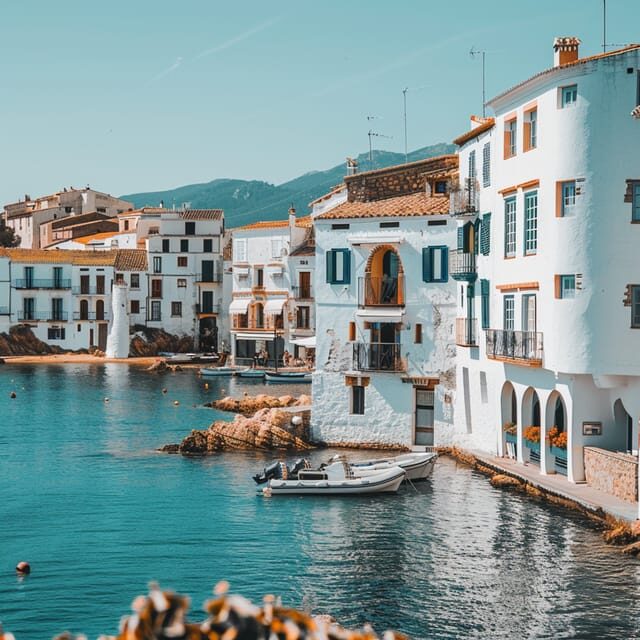
Mediterranean hotel rates showed dramatic differences from summer: Monastir averaged €82 a night, down 62%; Salou €89, down 51%; Agadir €78, down 43%; Lloret de Mar €83, down 40%; and Ciutadella de Menorca €132, down 38%. The cheapest hotel check-ins clustered around September 29 at an average €103 a night. By contrast, the cheapest international departure date from France was October 27 at €176, 37% below the shoulder-season average. The cheapest room and flight therefore do not necessarily occur in the same week.
Practical visitor guide
Best time: Target late September for the strongest hotel benchmark and late October for airfares. Compare a full-trip total before booking. Hours and tickets: Major attractions set seasonal opening hours; check the official attraction page close to the visit and book official timed tickets for Seville’s busiest monuments. Seville: Fly into Seville Airport or take high-speed rail from Madrid; allow three to four days, expect warm afternoons and walkable historic streets. Malé: International flights arrive at Velana; resort transfers by boat or seaplane can materially change the budget, so allow five to seven nights and confirm transfer times before buying flights. Monastir: Use Monastir Habib Bourguiba airport or rail connections along Tunisia’s coast; three to five days suits the medina, ribat and beach. Expect more limited resort services than in midsummer. Dress respectfully away from resorts and ask before photographing people.
What to bring and how to book
Pack layers, sun protection, a light rain shell and footwear for older streets. Keep one flexible day for weather or transport changes. Search with nearby dates and airports, but do not let a cheaper nonrefundable fare erase the saving if plans are uncertain. For islands, compare baggage and transfer charges. For Mediterranean hotels, verify which seasonal facilities remain open; a low rate can reflect reduced services as well as lower demand.
Safety and advisories
The State Department refreshed Italy’s Level 2 advisory in September with sharper terrorism language, while Cambodia received a Level 4 warning for areas within 50 kilometers of the Thailand border. An advisory is not a prediction that harm will occur; it is a planning input covering specific places and risks. Check the official advisory index before booking and again before departure, because a static article cannot update with changing conditions.
Winners, losers and the historical pattern
Flexible travelers, airlines filling marginal seats and destinations seeking a longer season can all win. Peak-dependent hotels and workers may face weaker revenue if travelers permanently shift away from summer. Over-touristed cities gain some relief from a more even calendar, though cheaper prices can simply redistribute crowds. The base case is that fall continues to grow as climate, remote work and pricing change behavior. The risk is that popularity erodes the very discount that created the trend.
A fair comparison of the savings
Percentage declines can be dramatic when the summer baseline is unusually high, so compare the actual euro amount as well as the percentage. Malé at €701 may be down 32% and still exceed the total budget of a closer European trip. A €78 hotel in Agadir can look inexpensive until baggage, transfers, meals, resort fees or a long connection are added. Search-origin matters too: a fare measured from France reflects different capacity and taxes from one originating in North America. The disciplined method is to price a door-to-door itinerary on the same dates, including ground transport and cancellation terms. Then compare it with a realistic alternative, not the destination’s peak-season maximum. A true bargain creates value for the traveler; a large percentage alone creates a headline.
Weather, daylight and seasonal trade-offs
Shoulder season works because conditions are neither summer nor winter. Mediterranean destinations may still be warm, but rain and wind become less predictable and evenings cool earlier. Northern European cities offer culture and lower crowd levels while daylight contracts. Indian Ocean travel can involve regional weather patterns that vary sharply by island and month. Travelers should examine historical climate ranges, but treat them as distributions rather than promises. Pack for variability and design an itinerary with indoor alternatives. The reward is often a more local rhythm, easier reservations and less heat. The trade-off can be reduced ferry schedules, closed beach facilities or maintenance at seasonal hotels. Asking what is open is as important as asking what is cheap.
Sources: KAYAK report via GlobeNewswire; The Traveler advisory report; U.S. State Department advisory index. Facts and figures are a fixed September 18, 2026 reporting snapshot and do not update live.