“Super September” has moved from travel-industry slogan to visible booking pattern. Data reported by eSky showed September bookings up 57 percent year over year, with Spain taking the largest share. Separate 2026 booking data also put Spain first for travelers from several major European markets. Shoulder season is no longer empty season; it is a popular period with a different rhythm.
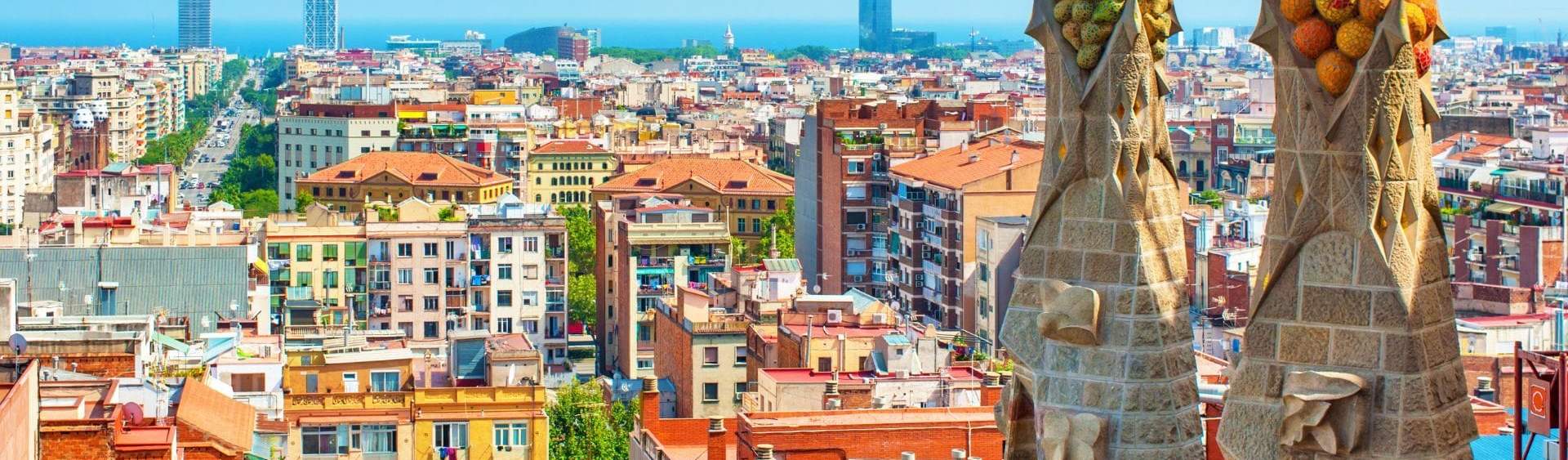
The appeal is easy to understand. Barcelona’s architecture and coast remain fully in play. Seville begins to cool from its fiercest summer temperatures. San Sebastián pairs beaches with one of Europe’s most rewarding food cultures. Restaurants, museums and transport still operate on a full schedule, while family travel declines after school terms resume.
Choose the city for the trip you want
Barcelona works best for a first visit with four or five days: reserve major sights, but protect time for neighborhood walks in Gràcia, Sant Antoni or Poblenou. Seville rewards a slower pace built around early starts, shaded afternoons and late dinners. San Sebastián is the choice for food and coastal walks; its compact center makes a car unnecessary for most stays.
Spain can be cheaper in September, but savings are not evenly distributed. Weekend rooms in famous districts may remain expensive. Compare Sunday-to-Thursday stays, look one or two transit stops beyond the historic center, and price high-speed rail before assuming a domestic flight is cheaper. Carry-on-only fares can be attractive until seat selection and baggage are added.
Shoulder season now rewards flexibility more than spontaneity.
Build value into the itinerary
Book the immovable pieces first: the long-haul flight, the first nights and any attraction with timed entry. Keep the rest flexible. A refundable hotel can be worth a modest premium if it lets you reprice later. Tours earn their cost when access or expertise matters; for ordinary orientation, a self-guided walk and a transit pass may deliver more freedom.
Travel insurance is most useful when it covers a financial risk you cannot comfortably absorb. Read exclusions, medical limits and interruption terms rather than buying on the strength of a checkout-page label. And remember that cheaper travel is not only a lower invoice: a walkable neighborhood, breakfast included and a direct train can save both time and money.
Build a route instead of collecting cities
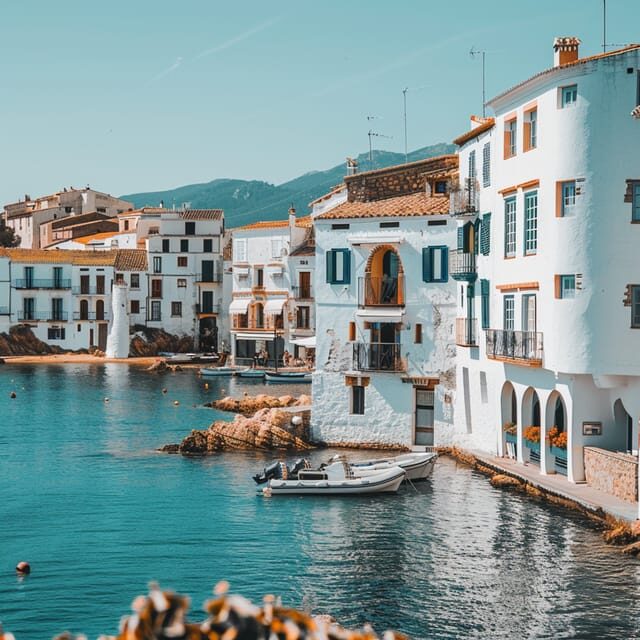
Spain’s rail network makes multi-city trips tempting, but every move consumes a half day once checkout, station time and hotel arrival are included. For a one-week trip, choose one major city and one contrasting base. Barcelona pairs naturally with the Costa Brava or Girona; Seville can anchor Córdoba or Cádiz; San Sebastián works with Bilbao or smaller Basque coastal towns.
Book the longest rail segment first, then shape hotels around it. Compare departure stations carefully because low-cost services may use different terminals or restrictive baggage rules. A central hotel can offset a higher nightly rate if it removes repeated taxi trips and allows walking for most meals and sights.
Plan Barcelona by neighborhood
The Gothic Quarter concentrates atmosphere and crowds. Eixample offers broad streets and fast access to major architecture. Gràcia feels more residential while remaining well connected, and Poblenou suits travelers who want beach access with a less ceremonial city experience. The best choice depends on whether the trip emphasizes museums, nightlife, coast or quiet evenings.
Reserve the landmark that matters most and avoid stacking timed entries. Barcelona rewards the spaces between attractions: markets, modernist façades, small squares and long walks toward the water. Keep valuables secure in dense transit and tourist areas, and use licensed ticket channels rather than unofficial sellers.
Let Seville run on its own clock
September can still be hot, so schedule walking and major outdoor sights early. Use the afternoon for a shaded meal, a museum or rest, then return to the streets in the evening. This rhythm is not wasted time; it aligns the itinerary with local weather and helps prevent an ambitious first day from exhausting the rest of the trip.
Stay within walking distance of the historic center without assuming the busiest streets offer the best value. Compare Triana, Alameda and the edges of Santa Cruz. A room with good climate control and sound insulation may be worth more than a decorative rooftop you will use once.
Make food the structure in San Sebastián
San Sebastián’s compact scale supports a simple day: coastal walk, market or museum, then a sequence of small meals. Pintxos are easier to enjoy when treated as a progressive dinner rather than a checklist. Order one or two items, observe the pace and move when you are ready. Popular bars are not the only good ones.
For a higher-end meal, reserve well ahead and understand cancellation policies. Balance it with bakeries, markets and neighborhood bars. This is where Spain fall travel in 2026 can still feel generous: one memorable reservation does not require every meal to become an event.
Control the budget without flattening the experience
Track lodging and intercity transport separately from daily spending. Set a flexible daily amount for meals, local transit and admission, then protect one or two priorities. Free walking routes, public beaches and city parks create room for a museum ticket or special dinner without turning the whole trip into a search for bargains.
September demand means the best places to visit in Spain are not automatically quiet. The advantage is a broader range of workable days and neighborhoods, not the disappearance of crowds. Book what has a capacity limit, stay flexible around weather and let each city have enough time to become more than a photograph.
Practical visitor guide: Barcelona, Seville and San Sebastián
Opening schedules and prices can change, so treat the times below as a September 18, 2026 planning snapshot and confirm the chosen venue’s official calendar before paying.
Opening hours
In September, Sagrada Família commonly operates 9 a.m.–8 p.m.; Seville’s Real Alcázar lists 9:30 a.m.–7 p.m. through September. San Sebastián’s beaches and promenades are untimed, while museums, markets and the Monte Igueldo funicular keep their own schedules.
Best time and day
Choose the first weekday slot for Sagrada Família or the Alcázar. In Seville, walk outdoors early and rest during the hottest afternoon hours; in San Sebastián, check the marine forecast before a beach or coastal day.
Tickets
Sagrada Família and the Alcázar use timed admission and can sell out. Book directly through each monument’s official channel, read tower or room-access restrictions, and keep the QR code offline. Beaches, promenades and many city walks are free.
Getting there
Barcelona and Seville are easiest by rail between central stations; their cores are walkable with metro, tram or bus support. San Sebastián is compact enough to explore mainly on foot, with local buses for longer links. A car is usually unnecessary in all three centers.
What to expect
Expect airport-style security at major monuments, uneven historic paving and crowds around timed entrances. Meal times run later than in many countries; in San Sebastián, pintxos work best as several small stops rather than one long order.
Safety and etiquette
Keep phones and wallets secure in crowded transit and landmark zones. Cover shoulders where a religious site requires it, speak quietly during services, follow beach flags and do not buy tickets from street sellers.
What to bring
Carry water, sun protection, a light layer for air-conditioned interiors, broken-in shoes, a small power bank and rain protection for the Basque coast. Keep identification and any concession proof required by your ticket.
How long to spend
Allow two hours for Sagrada Família without a tower, two to three hours for the Alcázar and gardens, and a full relaxed day for San Sebastián’s bay, old town and food stops. Four nights suit Barcelona; three each gives Seville or San Sebastián room to breathe.
Why this matters
September’s popularity signals that shoulder season is becoming a mainstream travel period rather than a bargain afterthought. That can spread revenue beyond summer, but it also moves crowding and price pressure into months once used for recovery. The traveler gains better weather only if the destination has not simply extended peak season.
How we got here
School calendars and package-tour traditions once concentrated European travel in July and August. Heat, flexible work and dynamic pricing have widened the season. Spain’s established air links and varied regions make it an obvious beneficiary, much as earlier low-cost-carrier expansion turned secondary cities into weekend destinations.
Who benefits, who loses and what critics say
Hotels, restaurants and cultural sites gain a longer revenue window, and travelers may encounter milder conditions. Seasonal workers may gain more employment but also face longer periods of insecure work; residents lose if housing and public space remain under tourist pressure. Critics should resist calling every September trip “off-season” when demand now resembles summer.
What the evidence actually says
Booking and booked-night growth show demand moving later in the year, but they do not establish lower prices or lighter crowds in every Spanish region. Spain’s share of reported bookings indicates relative strength within the surveyed market, not a universal global ranking. Readers should compare the same route, dates and cancellation terms rather than rely on the seasonal label.
What happens next
Cities are likely to manage autumn demand more actively through lodging rules, timed entry and transport planning. Travelers who want the old shoulder-season advantage will move toward less saturated regions or later weeks. The key signal is not national arrival growth alone but whether local occupancy, prices and resident sentiment remain manageable.
Reporting sources: The “Super September” booking trend and Spain’s share were reported by FTN News; 2026 booked-night growth was reported by Travel Daily News.