Track it live: Markets Tracker
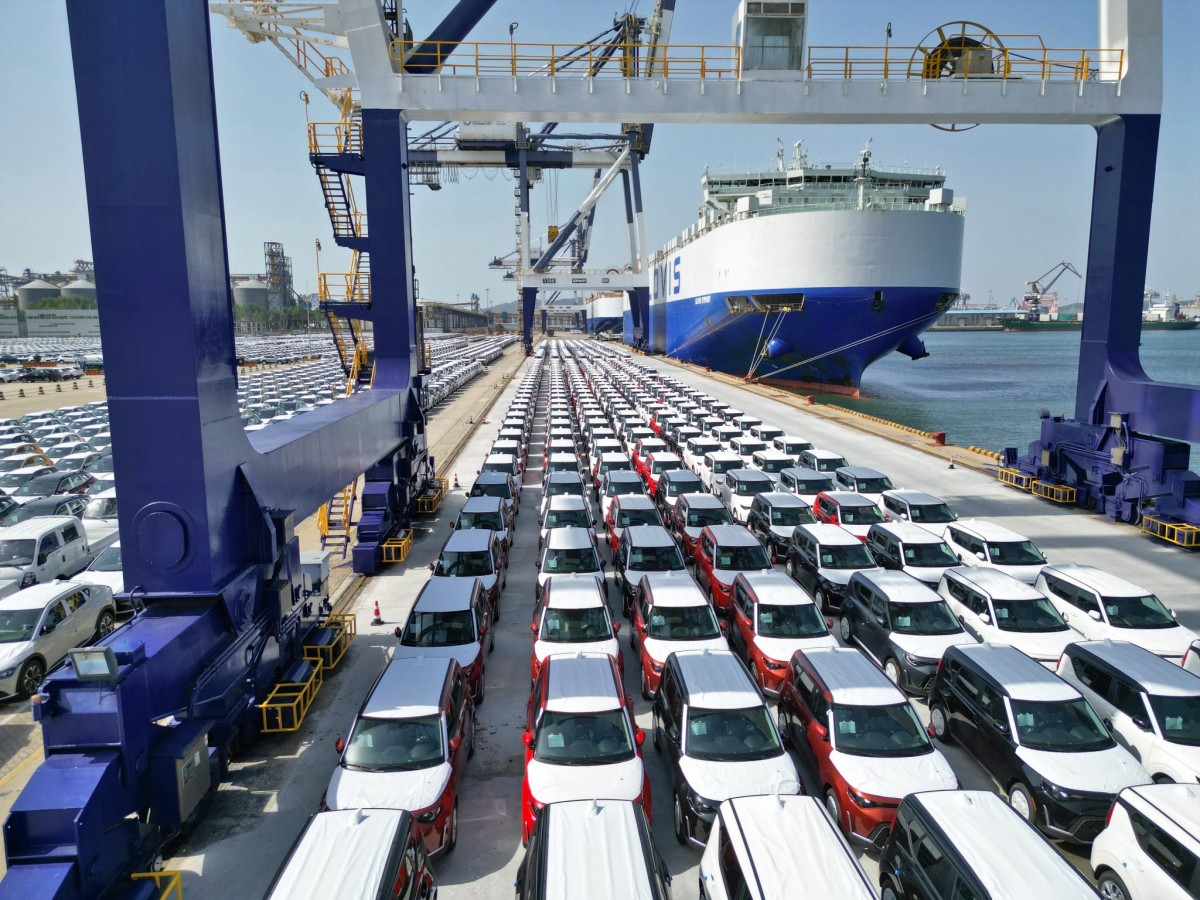
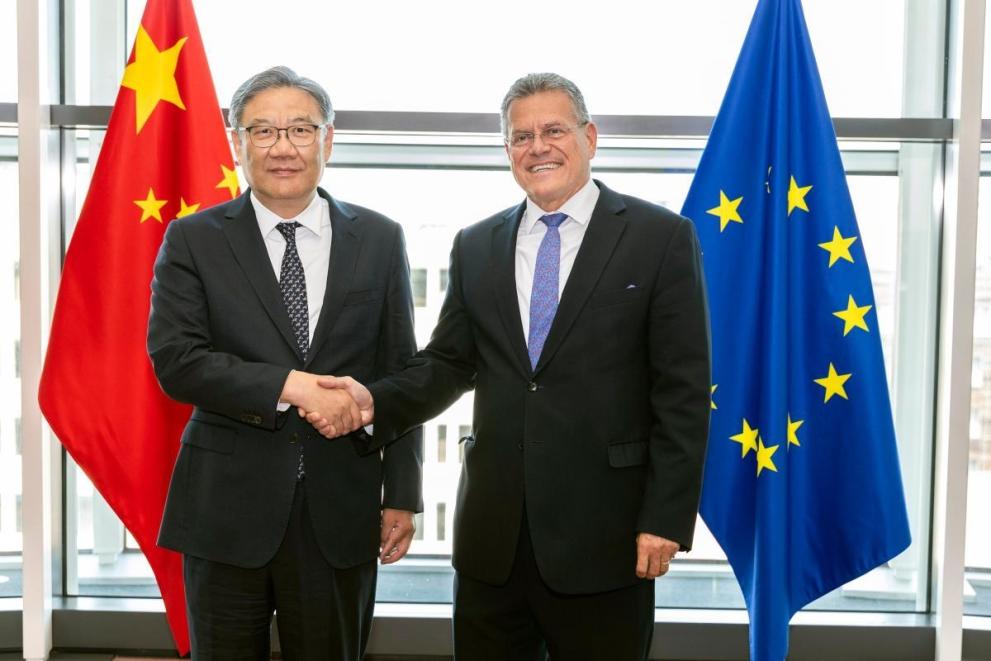
The EU China hybrid car export deal is the first serious attempt by Brussels and Beijing to manage a fast-growing trade flow before it becomes another tariff war. After two days of Sefcovic Beijing trade talks with Commerce Minister Wang Wentao, the two sides said they had a shared understanding to moderate hybrid and plug-in hybrid shipments, improve European access to China and further ease rare-earth export licensing.
European Trade Commissioner Maroš Šefčovič said the arrangement could remove several million vehicles from expected shipments over four years. He did not publish quotas, enforcement language or a starting baseline, leaving an important distinction between halving exports from today's level and cutting them by more than half against an even larger forecast.
That ambiguity is not a footnote. It is the hinge on which the whole bargain turns. If shipments merely grow less quickly than projected, Europe's factories gain breathing room but still face intense pressure. If volumes actually fall from current levels, Chinese exporters and European buyers will feel a much sharper change.
Why the agreement matters
Europe has chosen managed trade over an immediate tariff escalation
This is a negotiated restraint, not a clean victory for either economic model. The EU gets a promise to moderate Chinese plug-in hybrid exports without immediately opening a new front of duties. China avoids the safeguard measures Brussels had been preparing, including tariff-rate quotas, while preserving a large commercial presence in the European market.
For Šefčovič, the result validates three months of pressure and gives EU leaders something concrete to examine at their October 15 summit. For Beijing, it demonstrates that concessions on volume, access and licensing can defuse a politically dangerous dispute without accepting the language of unfair competition.
Rare earths are the quiet quid pro quo
The car numbers will dominate the headlines, but the easing of rare earth export licensing may be the more strategic concession. European automakers and manufacturers need rare earths and permanent magnets for motors, electronics and industrial equipment. A smoother licensing channel reduces the risk that an automotive bargain is undermined by a materials bottleneck elsewhere in the same supply chain.
That linkage also shows how interdependent the two economies remain. Europe can threaten tariffs on finished vehicles; China can tighten the flow of inputs European factories cannot quickly replace. Each side arrived with leverage, and neither could impose its preferred outcome without inflicting costs on itself.
How the battery-EV duties opened a hybrid loophole
The dispute began with a policy gap. In October 2024, the EU imposed definitive countervailing duties of 7.8% to 35.3% on China-made battery electric vehicles, on top of the bloc's 10% base car tariff. The maximum effective duty therefore reached 45.3%. Hybrids were left outside the measure.
Exporters adapted. Chinese hybrid imports into the EU rose from about 3,800 units in October 2024 to roughly 50,000 in July 2026, even as prices fell. The jump was more than thirteenfold. What looked like a narrow technical exclusion became a wide commercial channel, particularly for plug-in models that could compete with European vehicles on both price and range.
Brussels responded in September by pressing Beijing to restrain shipments voluntarily or face tariffs. China argued that voluntary export restraints would violate World Trade Organization rules. By October 7, the EU was reported to be preparing safeguard measures for Chinese hybrids. The shared understanding announced two days later is the compromise between those positions.
What the big numbers really mean
A €1-billion-a-day deficit is a political number as much as an economic one
The EU China trade deficit exceeds €1 billion a day, or more than €365 billion on an annualized basis. That does not mean Europe simply loses that amount: consumers and companies receive goods in return. But the figure captures the scale of Europe's dependence and the political fear that manufacturing capacity, jobs and technological know-how are moving in one direction.
Several million cars over four years requires a visible mechanism
A reduction of several million vehicles would reshape market share, factory utilization and dealer inventories across Europe. Yet without annual ceilings, customs codes, monitoring rules and consequences for missed targets, the figure remains an estimate rather than an enforceable commitment. The October 15 summit must test the machinery, not merely applaud the headline.
The 45.3% ceiling explains why Beijing came to the table
The existing battery-EV duty structure shows the scale of Europe's available leverage. Applying comparable protection to hybrids would sharply change pricing and could block many models from competing. China had reason to negotiate before a temporary safeguard became a durable wall; Europe had reason to settle before consumers faced higher prices and retaliation spread to other sectors.
Winners, losers and skeptics
European automakers gain time, not immunity
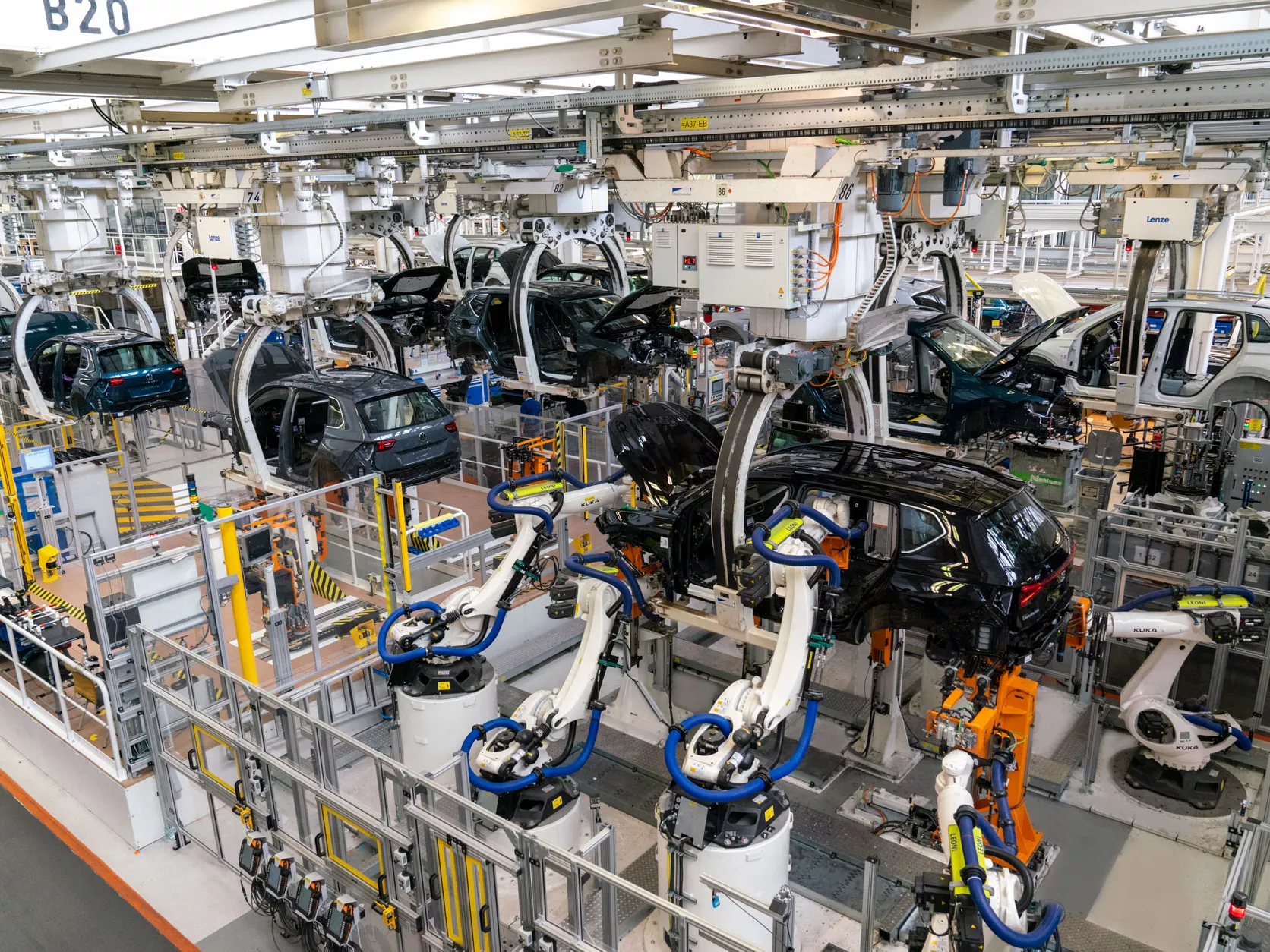
European carmaker shares broadly rose after the announcement, reflecting relief that Chinese volume growth may slow. Companies that have spent two years under pressure from American tariffs, weak demand and cheaper Chinese competition now get time to cut costs and improve electric lineups. That is a reprieve, not a strategy. Protected firms still have to build vehicles buyers want at prices they can afford.
Chinese exporters and European buyers may absorb the cost
Chinese groups such as BYD may lose part of the sales growth they expected from Europe, redirect exports, raise local production or compete more aggressively in markets outside the bloc. European buyers could see fewer choices or higher prices if supply is constrained. A managed reduction may protect factories while transferring part of the adjustment to households.
WTO purists and Bernd Lange want more proof
For trade-law purists, any negotiated volume restraint risks substituting political allocation for transparent rules. Bernd Lange, who chairs the European Parliament's trade committee, argues that the result must extend beyond cars and that Europe should use trade-defence tools more effectively. His skepticism is useful: a one-sector truce cannot by itself rebalance the broader relationship.
Wang's response, as described by China's commerce ministry, captures Beijing's counterargument: China sees itself not as the root cause of Europe's industrial problems but as a partner in solving them. That claim will be judged against implementation, not diplomacy.
What happens next
October 15 is the first political test
EU leaders take up the package at their Brussels summit on October 15. They need to determine whether the reduction is measured against current shipments or projected growth, which models count as HEVs and PHEVs, how customs authorities will monitor compliance and what remedy applies if volumes exceed the understanding.
Battery-EV price undertakings remain unfinished
The separate EU China EV tariff dispute over battery vehicles continues. Negotiators are still examining price undertakings that could substitute minimum import prices for some duties. The two sides plan to reconvene by January, meaning the hybrid bargain is one track in a larger negotiation rather than a final settlement.
The unanswered question is whether trust can carry an unpublished deal
Šefčovič called the result very good while warning that it was only a first step. That is the right balance. A shared understanding can prevent escalation, but it cannot replace measurement. The next three months will reveal whether the bargain is a durable framework, a pause before safeguards or simply an optimistic interpretation of two different promises.
Related coverage
Sources
- Reuters — EU-China shared understanding, trade deficit and market reaction
- CnEVPost — hybrid trade consultations and vehicle-import context
- ChinaEVHome — Šefčovič's October 9 social statement and safeguard background
Reporting note: The volume reduction is presented as an announced understanding. Implementation details and an enforcement mechanism had not been published at the time of writing.
Signal Post News analysis is independent and does not take a political, financial or competitive side.