World / Australia
Erin Patterson went to court on Friday hoping to win a retrial. She left it — on a video link from her maximum-security cell — having lost everything twice: Victoria's Court of Appeal dismissed her appeal against her mushroom-murder convictions, then sided with prosecutors that her sentence was too soft, scrapping the 33-year parole chance that was her only road out of prison.
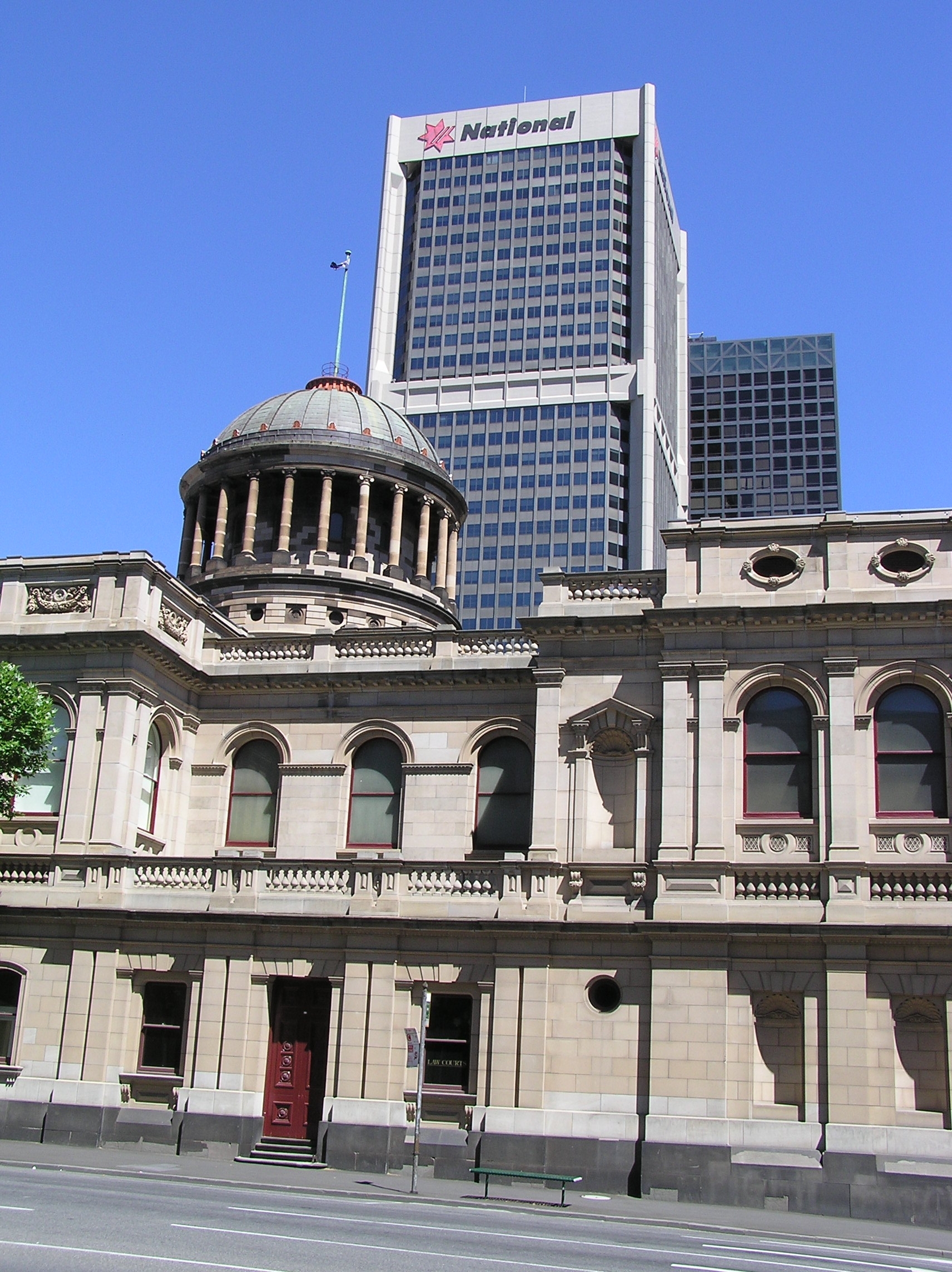
The Erin Patterson appeal dismissed on Friday was only half of the ruling. In a double defeat that Australian legal watchers had considered possible but far from certain, three judges of the Victoria Court of Appeal in Melbourne rejected every one of Patterson's seven grounds for overturning her convictions — and then allowed the prosecution's own appeal against her sentence, quashing the 33-year non-parole period set at her sentencing and declining to fix a new one. The legal effect is stark: Patterson, 51, is now serving life without parole. She will die in prison unless Australia's High Court agrees to hear her case and rules in her favour — her last remaining avenue, with a deadline of November 27 to ask.
Justice Stephen McLeish, speaking for himself and Justices Peter Kidd and Lesley Taylor, left no room for softening. "This offending was extraordinarily cold and calculated and stands to be denounced in the strongest terms," he said, the Associated Press reported. "In all the circumstances after anxious consideration, we have concluded that the case involved such shocking criminality that it is inappropriate to fix a nonparole period." Patterson watched by video link from the Dame Phyllis Frost Centre, the maximum-security women's prison west of Melbourne where she is held in a high-security unit because of her notoriety, dressed in prison-issue blue with her hair pulled back. By one account of the feed, she showed no emotion as the ruling was read.
Before Friday, Patterson's position was bleak but not absolute. Sentenced in September 2025 to life imprisonment with a minimum of 33 years, she would first have been eligible for parole in 2056, at about 82 years old. That arithmetic is now gone. She becomes only the second woman in Australian history to be imprisoned for life with no possibility of parole at all.
All seven grounds rejected
Appeals are not retrials, and Patterson's lawyers, led by barrister Richard Edney, had to persuade the court that something had gone legally wrong in Morwell — not merely that the jury might have decided differently. They advanced seven grounds at a hearing in August. None survived, Reuters reported.
The jury hotel ground
The most unusual complaint concerned where the jury slept. Accommodation around the trial in Gippsland was scarce — partly, the court heard, because a national table tennis championship was in town — and the sequestered jurors ended up staying in the same hotel at various times as members of the prosecution team, a key police witness and journalists. Patterson's team called the arrangement catastrophic. The appeal judges disagreed: there was no objective basis, they found, for a fair-minded observer to reasonably fear the jury could not decide the case according to law.
The phone-tower and death cap sightings ground
The defence also attacked the circumstantial web that placed Patterson near places where death caps had been reported growing — evidence built from mobile phone tower data and sightings logged on a citizen-science website. The court granted leave to argue the point, then held the evidence was admissible as part of the prosecution's wider circumstantial case, and dismissed the ground anyway.
The remaining five grounds failed earlier still, at the leave stage. Among them: that photos connected to Patterson's foraging interest were wrongly excluded, effectively forcing her to testify and costing her the right to silence; that evidence from her Facebook friends — including accounts of her talking about hiding mushrooms in food — was prejudicial; that the prosecution shifted its position on motive; and that five days of cross-examination by prosecutor Nanette Rogers was "unfair and oppressive." Each was rejected.
The prosecution's rarer win: a sentence increased on appeal
If Patterson's defeat was comprehensive, the Director of Public Prosecutions' victory was the more remarkable legal event. Crown appeals against sentence are deliberately rare in Australia — prosecutors, including DPP Brendan Kissane KC here, must argue not that a sentence was merely light but that it was "manifestly inadequate," a threshold appellate courts guard jealously because an offender is, in effect, put in jeopardy twice for the same crime. The trial judge, Justice Christopher Beale, had imposed three life sentences plus 25 years for the attempted murder, with the 33-year floor. He had also acknowledged a grim practical reality: given her fame, there was a "substantial chance" Patterson could spend years in solitary confinement for her own protection.
The Court of Appeal weighed all of that and still removed the floor entirely. Its reasoning turned on the character of the offending: murders the court described as carefully planned and deliberate, carried out through what CNN, summarising the judgment, called an "elaborate series of deceptions" — a fake cancer pretext for the lunch, individual poisoned portions, a differently coloured plate for the host, a food dehydrator dumped days later as the guests lay dying. Where offending sits in the worst category, the judges concluded, fixing any date on which release could even be considered would be inappropriate.
The lunch that became the world's most famous poisoning case
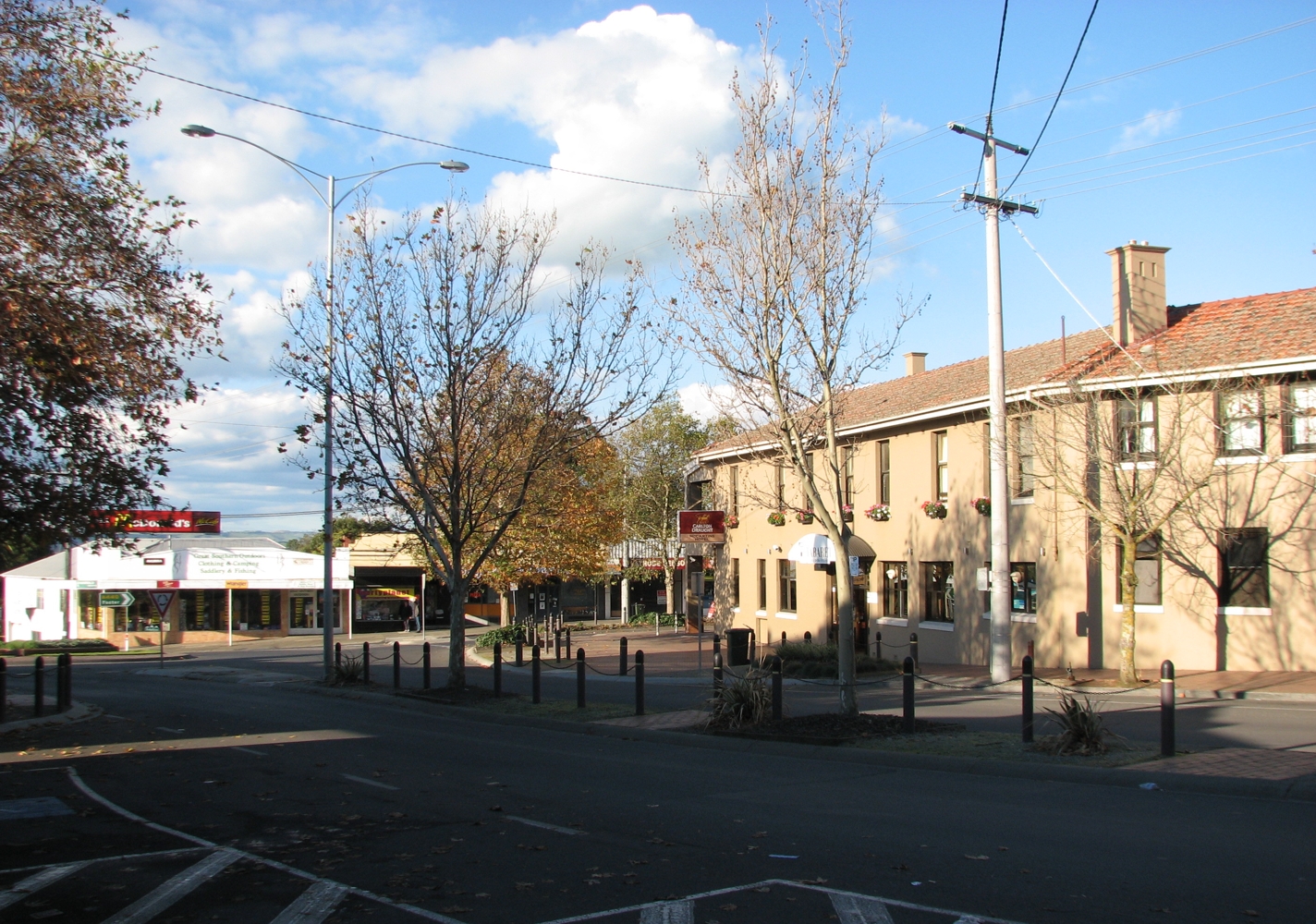
On a Saturday in July 2023, Patterson invited four relatives of her estranged husband Simon to lunch at her home in Leongatha, a town of about 6,000 people some 135 km (84 miles) south-east of Melbourne. The guests were Simon's parents, Don and Gail Patterson, both 70, and Gail's sister Heather Wilkinson, 66, with Heather's husband Ian Wilkinson, a local pastor. She served individual beef Wellingtons. Within days, Don, Gail and Heather were dead. Ian Wilkinson survived after weeks in hospital and a liver transplant — the only living witness at the table besides Patterson herself.
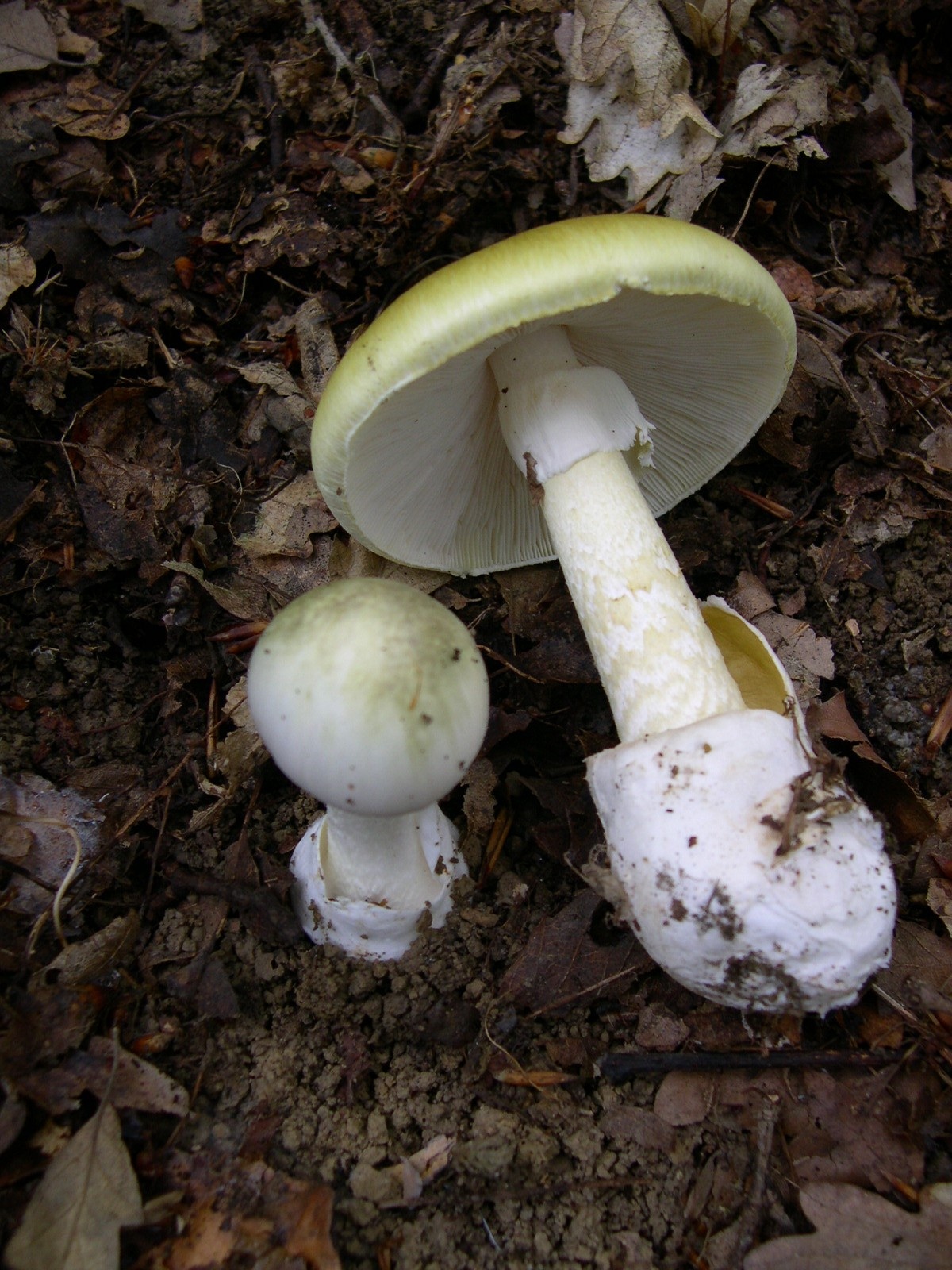
Patterson has maintained from the first police interview to Friday's hearing that the poisoning was a terrible accident — that the dried mushrooms came from an Asian grocer, that her online searches for death caps were idle curiosity from a foraging hobby. An 11-week trial in Morwell in 2025, followed around the world, dismantled that account piece by piece, and a jury unanimously convicted her of three murders and one attempted murder in July 2025. The science was never really in dispute: the death cap, Amanita phalloides, is the world's deadliest mushroom, responsible for the great majority of fatal mushroom poisonings; its amatoxins survive cooking, attack the liver and kidneys, and as little as half a cap can kill an adult. What the jury decided was that the poison arrived by design.
Ian Wilkinson, who attended Patterson's sentencing, was not in court for Friday's judgment. For the families, the ruling closes the last realistic chapter of the criminal process in Victoria — barring a High Court intervention that would reopen everything.
Why this matters
Friday's judgment matters on three levels at once. Legally, a successful prosecution sentence appeal that converts life-with-parole into life-without-parole is an exceptional outcome in a system built to make it exceptional. It tells future sentencing judges where the ceiling for "worst category" domestic homicide now sits in Victoria: a planned poisoning of trusting elderly relatives, followed by a sustained false account, is the kind of case for which the court will not fix a parole date at all. That signal will be cited in every comparable sentencing submission in the state for years.
Publicly, the ruling draws the state line under a case that long ago escaped the courts. The Leongatha lunch has generated books, podcasts, documentaries and now competing dramatisations — Paramount+ this week announced a six-part series with New Zealand actor Melanie Lynskey playing Patterson, Australia's ABC is producing its own scripted version, Toxic, and CNN has already aired a three-part documentary, Death Cap: The Mushroom Murders. The victims' families have had to watch a market in retellings grow around the worst week of their lives; a final, unappealable-in-Victoria judgment is at least a fixed point in that noise.
And practically, the ruling is a warning label on the true-crime economy itself. Patterson's notoriety is the reason she is held in a high-security protection unit, the reason a trial judge foresaw years of solitary confinement, and plausibly part of the reason three appeal judges asked themselves what a parole date could even mean for a prisoner who can never safely be an ordinary inmate. Fame did not help her. It followed her into the cell.
What happens next
One door remains. Patterson has 28 days — until November 27 — to seek special leave to appeal to the High Court of Australia, which can also be asked to revisit the sentence ruling. Special leave is discretionary and is refused in most applications; the High Court takes only cases presenting a legal question of wider importance, not a second opinion on the facts. Her lawyers would have to frame the jury-hotel irregularity or the phone-tower evidence as a point of principle affecting trials generally, and persuade the court that the manifestly-inadequate finding misstates sentencing law. That is a narrow needle to thread, but it is not impossible, and everything about her defence so far suggests she will try: she has never once conceded the verdict.
If special leave is refused, or an appeal fails, the legal story ends where Friday left it. Erin Patterson, who at 82 might once have walked out of the Dame Phyllis Frost Centre an old woman, will instead grow old — and die — inside it, as only the second woman in the country's history to be told, formally and finally, that there is no date.
Related coverage: Australian surfers' killers sentenced in Mexico · The viral Australian stockpile post, fact-checked
Sources
- Associated Press — "Australian court orders Erin Patterson never to be released from prison for mushroom poisonings" (Melbourne, October 30, 2026).
- Reuters (Alasdair Pal, Sydney, October 30, 2026) — "Australian mushroom murderer Erin Patterson loses appeal bid."
- CNN (October 29–30, 2026) — "Mushroom killer to be jailed for life after appeals court finds sentence too light."
- The Times (October 30, 2026) — "Mushroom killer loses appeal as harsher sentence imposed."
- The Conversation / Evening Report (October 30, 2026) — legal analysis of the Court of Appeal's reasoning on the seven grounds and special leave.