DOJ school desegregation cases
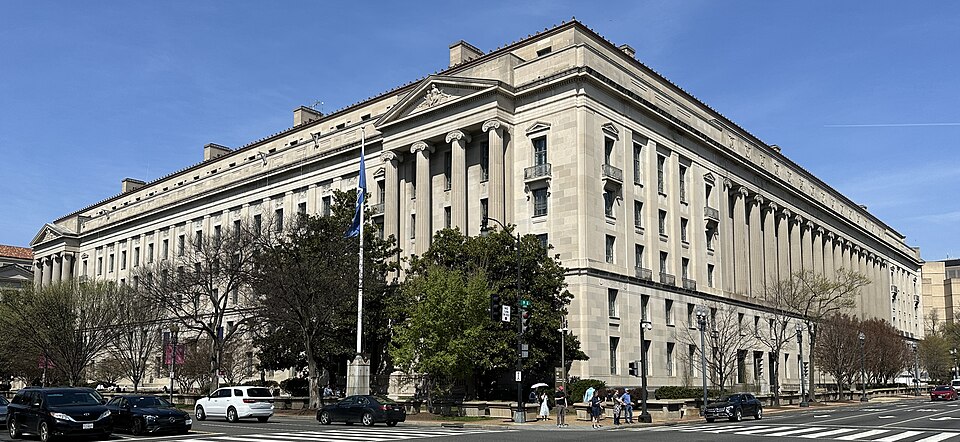
The Justice Department on Thursday said it is seeking to dismiss more than 50 school desegregation cases — court-approved consent decrees, some more than 60 years old, that have kept school districts across the United States under federal oversight since the civil-rights era. The DOJ school desegregation cases sweep, announced by the Civil Rights Division, is the largest single rollback of federal desegregation enforcement in decades, and it arrives at a moment when the meaning of those orders — and whether American schools ever truly finished desegregating — is fiercely contested.
"In this administration, we are ending prolonged federal oversight of these school districts because the effort does not reflect the reality of those classrooms today," said Assistant Attorney General Harmeet K. Dhillon, who leads the Civil Rights Division. The department said the cases run from Waterbury, Connecticut, to Flagler County, Florida, and that some districts have remained under federal control for more than six decades. The message is blunt: the oversight has outlived its purpose, and local districts can now "redirect taxpayer dollars back to benefitting students, instead of funding onerous and outdated consent decrees."
Why this matters
This is not a housekeeping exercise. These consent decrees were the enforcement teeth of Brown v. Board of Education — the mechanism by which the federal government made school integration real in districts that resisted it. Ending more than 50 of them at once is a policy statement about the federal government's future role in school integration, not just the past. It also continues a broader reordering of the Justice Department's Civil Rights Division under the Trump administration, which has been closing such cases piecemeal for more than a year and is now moving at a scale the department has not attempted before.
How we got here
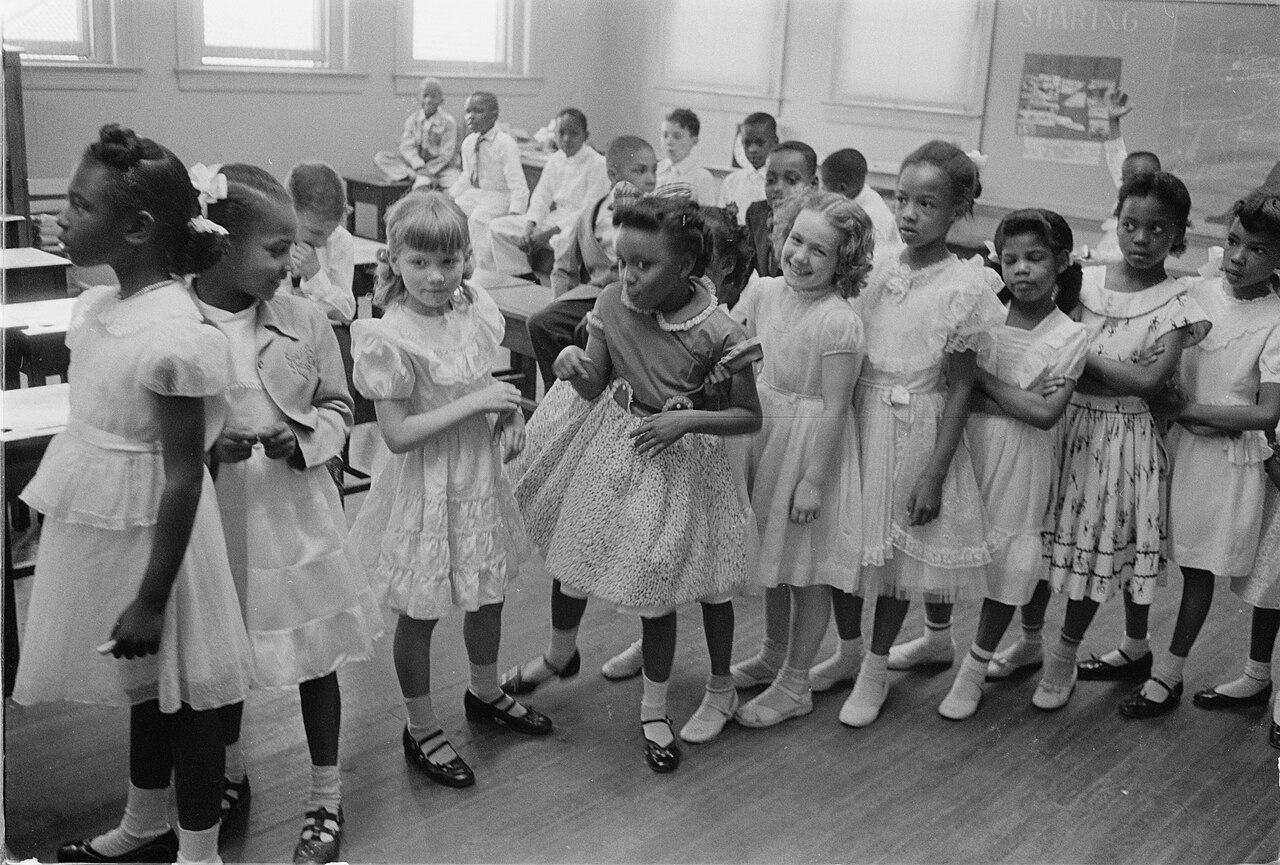
The legal story begins in 1896, when Plessy v. Ferguson gave constitutional cover to "separate but equal," and the Southern states built the Jim Crow school systems that followed: Black children assigned to separate, chronically under-resourced schools. The Supreme Court reversed course in 1954 with Brown v. Board of Education, but the ruling changed little on the ground in districts determined to resist. In the 1960s, Congress empowered the Justice Department to sue segregated districts directly, and the department opened a wave of cases that produced the consent decrees now in question — court-approved settlements that keep a district under federal monitoring until it proves it has eliminated the vestiges of segregation and reached what the courts call "unitary status."
Many of those cases were filed in the 1960s and 1970s, and they simply stayed open, decade after decade, as compliance reviews stretched on. Thursday's announcement follows a string of individual closures: the department dismissed a 60-year-old case against Dyersburg City Schools in Tennessee this past February, ended cases in Hendry County, Florida, and Copiah County, Mississippi, in August 2025 after courts found both districts had reached unitary status, and — according to Associated Press reporting — ended a 1966 desegregation agreement with Plaquemines Parish schools in Louisiana earlier this week, with Dhillon calling the order's long survival a "historical wrong."
Who benefits, who loses, and what critics say
For supporters, the case is straightforward: the oversight worked, its job is done, and keeping districts under federal supervision for 60 years is bureaucratic inertia, not civil-rights enforcement. Compliance costs real money — monitoring, reporting, legal fees — and the department argues those dollars belong in classrooms.
Critics read the same history the opposite way. The orders endured, they argue, precisely because the vestiges of segregation endured — and civil-rights advocates have long pointed to research showing many American schools are as segregated today as they were a generation ago. From this vantage, dismantling the enforcement machinery does not reflect the reality of classrooms; it surrenders the federal government's leverage over them. The department counters that each case is reviewed individually and dismissed only after a district demonstrates unitary status — but that standard itself is contested ground.
One important caveat: a federal judge must agree to dismiss each consent decree, and it was not immediately clear on Thursday how many of the 50-plus cases the department has sought to end have been formally closed.
What the numbers actually imply
The scale is the story. Closing cases one by one over years reads as casework; closing more than 50 at once reads as policy. The department's desegregation docket has been shrinking for decades, and this tranche appears to represent much of what remains — meaning Thursday's move may be closer to the end of an era than to its midpoint. The 60-plus-year figure matters too: most federal consent decrees, in policing or other areas, last years, not generations. That these lasted generations can be read two ways — either as proof the system was broken, or as proof the problem was deeper than anyone admitted. And the geography matters: Waterbury, Connecticut, to Flagler County, Florida, is not just the Deep South. Federal desegregation enforcement reached far beyond the states where Jim Crow was written into law.
What happens next
The department says it is conducting a thorough case-by-case review of the remaining desegregation cases on federal dockets, so more dismissal requests are likely. Each will land before a judge, and in districts where plaintiffs or community groups object, some judges may decline to end oversight — watch for those fights, because they will test how much deference courts still give the department. Beyond the courtroom, watch the politics: the administration will present the move as returning control to local communities; its opponents will frame it as a retreat on civil rights. With midterm elections weeks away, this will not stay a legal story for long.
Whether the end of these decrees marks a mission accomplished or a job abandoned will be argued in courtrooms, school boards, and campaigns for years. What is not in dispute: Thursday's announcement closed one of the longest chapters of federal civil-rights enforcement in American history.
More analysis: Read our coverage of Italy's proposed school rules on face coverings and foreign-pupil caps, and the latest federal court challenge involving Justice Department immigration enforcement.
Sources
- U.S. Department of Justice, Office of Public Affairs, “Justice Department Ends Over 50 Half-Century-Old Desegregation Cases Throughout the United States”
- Newsmax, “DOJ Seeks to End Over 50 School Desegregation Cases”