War · Ports · Labour
Dockworkers in 22 countries are set to strike on Friday, October 30, 2026, in a coordinated protest against war and the use of ports to move arms shipments — an action organisers say could disrupt more than 40 percent of Mediterranean cargo and snarl over $2 billion of freight, even as at least one major port expects only limited impact and the true scale of participation remains unclear.
Track it live: https://signalpostnews.com/tracker/wars
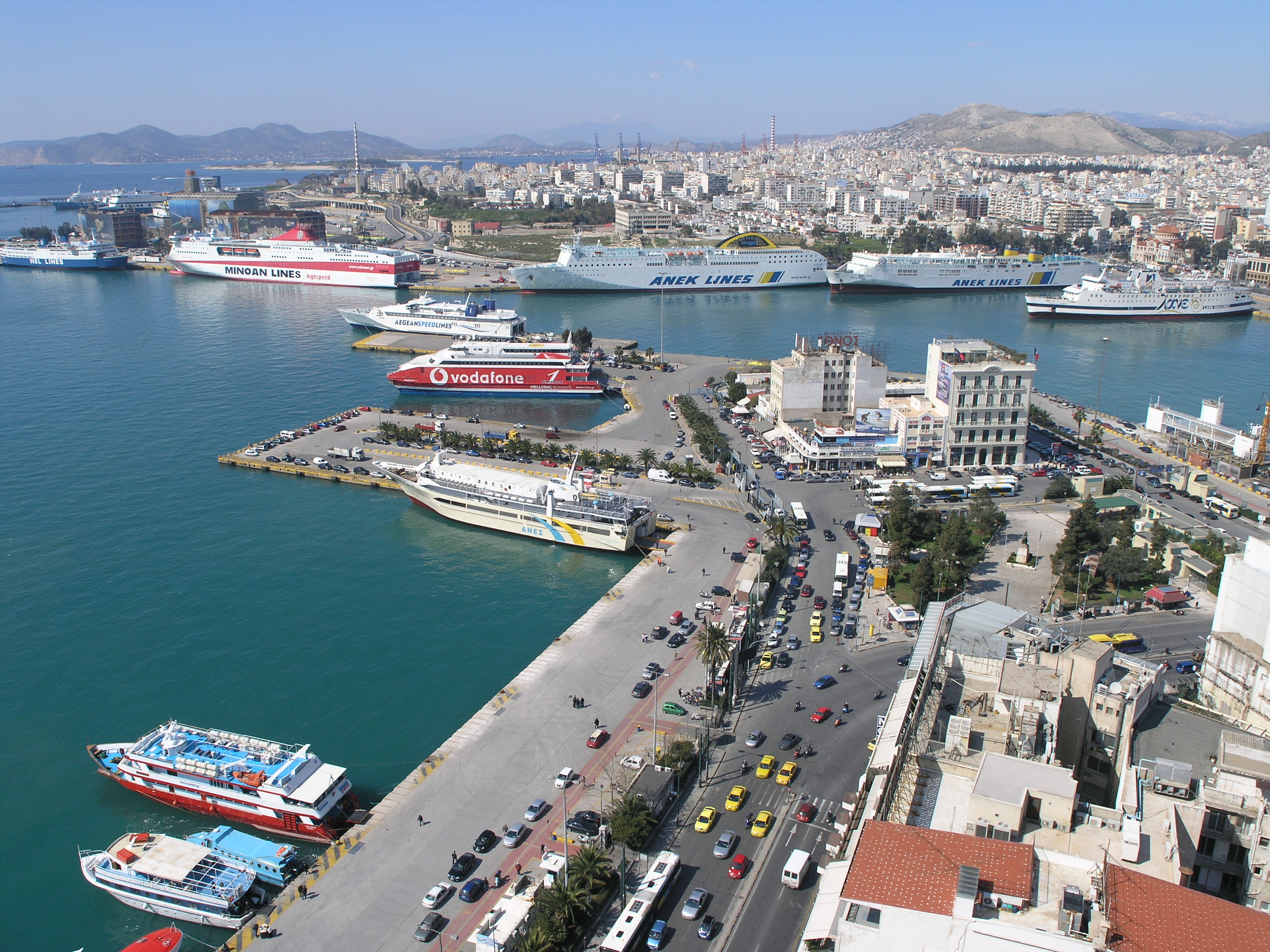
The dockworkers strike over arms shipments announced for Friday is, on the organisers’ own tally, the largest coordinated port action of its kind yet attempted. According to Reuters, reporting on October 29, dockworkers in 22 countries will strike on Friday, October 30, protesting war and the use of ports for arms exports. The action is backed by more than 25 unions in 113 ports, Reuters reported, and organisers say it could disrupt over 40 percent of Mediterranean cargo and snarl over $2 billion of freight.
Two points of precision frame everything that follows. First, the strike is announced, not yet under way: the disruption figures are organiser projections, not measured losses, and no port had stopped work at the time of publication. Second, the tally has grown as the week has advanced. Splash247, the shipping industry outlet, reported earlier counts of more than 100 ports in 17 countries; Reuters’ later reporting put the figure at 113 ports in 22 countries, as additional unions joined. Signal Post News uses the Reuters tally as the latest organiser count, and attributes it as such throughout.
What is planned, port by port
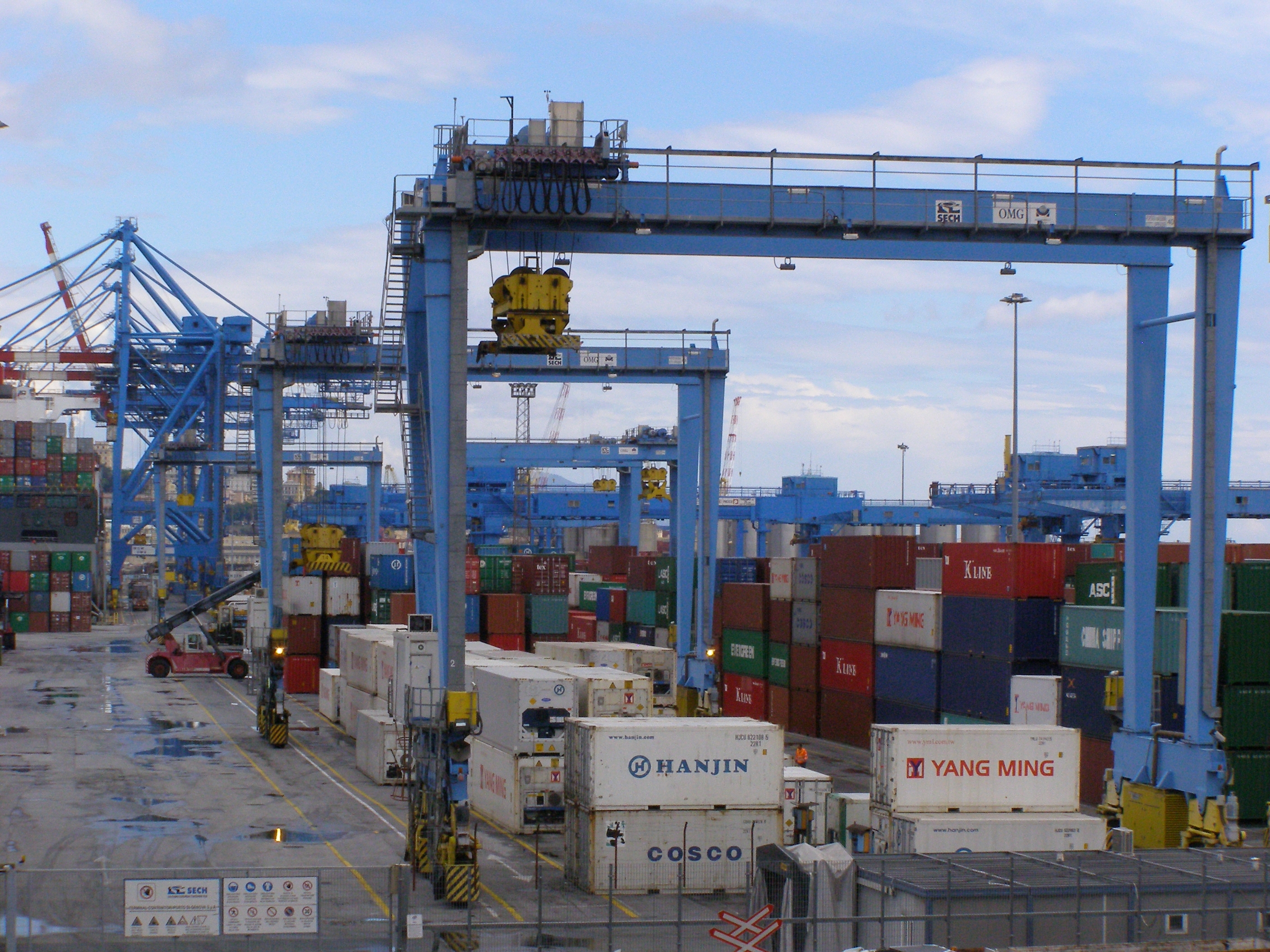
The hubs named by Reuters span the Mediterranean and beyond: Hamburg in Germany, Valencia and Algeciras in Spain, Le Havre in France, Piraeus in Greece, Genoa in Italy, Tangier Med in Morocco and Nhava Sheva in India. The action was originally called by unions in Italy, France, Greece, Spain’s Basque Country, Turkey and Morocco, and has since drawn support from unions well outside that original circle, according to the reporting.
The plans differ by port, and the differences matter for anyone trying to judge Friday’s impact. At Piraeus, Greece’s largest port, dockworkers are set to stop work from 08:00 to 11:00 GMT, while other Greek unions plan 24-hour action, Reuters reported. Greek ferries are expected to stay docked on Friday, and Piraeus had warned of disruption to ferry services to the Greek islands — the most concrete, passenger-facing effect announced so far. In Italy, the USB union has called a 24-hour general strike for the same day, with protests planned in more than 40 cities, and Italy’s transport ministry has formally registered a nationwide 24-hour port strike for October 30, according to Splash247. Organisers estimate that up to 40,000 containers could be delayed for a day — an organiser estimate reported by Splash247 that has not been independently verified.
Who is taking part
The list of participating unions reported by Reuters includes ver.di in Germany, SIPTU in Ireland, 3F in Denmark and the CGT Ports et Docks federation in France. Around a dozen Indian ports are expected to take part through the Water Transport Workers’ Federation of India (WTWFI), with Nhava Sheva — the container hub serving Mumbai — among the hubs named. Splash247 additionally reported support from ILWU Local 10, the longshore local covering San Francisco and Oakland, and from dockworkers in Veracruz, Mexico.
That breadth is the organisers’ central claim: a single-day action joined across northern Europe, the Mediterranean, South Asia and the Americas. Whether participation on the ground matches the affiliation list is a separate question, and one the reporting leaves open. The Global Sumud Flotilla also said it would carry out coordinated actions on the water in support, according to Reuters.
What the organisers say
The campaign is being run under the banner “Dockworkers do not work for war”. Its stated demand, in the organisers’ framing, is that ports should not be used to transport weapons to war zones — the position formalised in May 2026, when unions from more than 35 countries adopted the Istanbul Declaration demanding that ports not be used to move weapons into wars.
At Piraeus, the dockworkers’ own statement, quoted by Reuters, framed Friday’s stoppage in the language of solidarity rather than cargo: “We will send our own message of peace from Piraeus, and we will show our solidarity with the peoples suffering from war.” WTWFI representatives, for their part, pointed to a cost borne by seafarers themselves: around 15 Indian seafarers had died as a result of the US-Israeli war with Iran, they said, with many more stranded — a figure Signal Post News reports as the federation’s claim, in the terms in which Reuters reported it.
The wars behind the protest are the ones this newsroom covers daily. Strikes in Gaza have continued despite the ceasefire, as in this week’s Israeli strikes on Mawasi and Maghazi, which killed at least six people; the Iran war’s supply chains run through networks like the secret Iranian defence-ministry network built to evade sanctions; and shipping through the Strait of Hormuz remains exposed, as the recent ship fire reported by UKMTO in the strait underlined. The dockworkers’ argument is that those conflicts are not distant from the quay: they arrive there, container by container.
What port authorities say — and what remains unclear
The counterweight in the reporting is uncertainty. Reuters noted plainly that it is unclear how many dockworkers will take part in Friday’s action or how severe the disruption will be. A spokesman for the Port of Genoa — a hub of the campaign, and the port whose workers have the longest recent record of blocking arms cargo — said he expected only limited impact from the strike.
Both things can be true at once. A one-day stoppage can be symbolically large and operationally modest: ports routinely absorb a lost day through resequencing and backlog clearance, and a strike called by some unions at a port does not necessarily stop every berth there. Equally, limited impact on Friday would not settle the question the organisers are posing — whether port labour can be organised, at scale, as a pressure point on arms shipments at all.
Why this matters
Ports are chokepoints in war supply chains in a way few other workplaces are. Arms and dual-use cargo move overwhelmingly by sea, and every consignment passes, at least twice, through the hands of dock labour — loaded at one port, discharged at another. That gives port unions leverage that is specific and physical: a refusal to handle a cargo is not a statement about a shipment, it is an interruption of it, and there is no quick substitute for a struck berth.
Friday’s action is best understood as a signal rather than a blockade. A single coordinated day across 113 ports cannot halt the arms trade; it is not designed to. What it can do is test the machinery — whether unions in 22 countries can in fact move together on a single date, under a single banner, around a demand that is political rather than industrial. February offered a smaller rehearsal: a mobilisation that disrupted several Italian ports, according to Splash247, at a fraction of Friday’s claimed scale. The jump from roughly a score of ports in February to 113 announced for Friday is the organisers’ evidence of momentum; Friday’s turnout is the test of whether that momentum is organisational or merely declaratory.
There is also a wider trade context. Data from the Stockholm International Peace Research Institute (SIPRI), cited in the Reuters reporting, show that Europe was the world’s biggest arms importer over 2021–2025 — which means the ports at the centre of Friday’s action, Hamburg, Le Havre, Genoa and Valencia among them, are not peripheral to the arms trade the unions are protesting. They are among its principal gateways.
The background: Istanbul, Genoa and a longer campaign
Friday did not begin this week. In May 2026, dockworkers’ unions from more than 35 countries meeting in Istanbul adopted a declaration demanding that ports not be used to transport weapons to war zones — the Istanbul Declaration that organisers now cite as the campaign’s founding document. The demand moved from paper to practice most visibly in Italy, where Genoa-led Italian ports have repeatedly blocked cargo bound for Israel and US bases, according to Reuters, in a series of local actions that made Genoa the campaign’s symbolic centre long before it became one of Friday’s hubs.
India’s participation carries the seafarers’ grievance described above: the WTWFI’s figure of around 15 Indian seafarers killed in the US-Israeli war with Iran, with many more stranded, is the human ledger the federation sets against the cargo statistics. The background explains why the call travelled as fast as it did: the networks, the banner and the local precedents already existed.
The numbers, in context
Three numbers dominate the organisers’ case, and each needs its attribution kept attached. The 113 ports and 22 countries are the latest organiser tally, via Reuters, up from the 100-plus ports in 17 countries Splash247 reported earlier as the count grew. The claim that the action could disrupt over 40 percent of Mediterranean cargo and snarl over $2 billion of freight is an organiser projection of a stoppage that has not yet happened, not a forecast from port authorities or shipping lines. And the estimate that up to 40,000 containers could be delayed for a day is, per Splash247, an organiser estimate that has not been independently verified.
Set against those figures is the one official expectation in the reporting: Genoa’s spokesman anticipating only limited impact. The distance between “over 40 percent of Mediterranean cargo” and “limited impact” is the measurable question Friday will answer, port by port.
What to watch on Friday
Four things will show what Friday actually was. First, participation: how many of the 113 named ports see real stoppages, and for how long, against the affiliation list. Second, the ferries: Greek island services are the most exposed scheduled traffic, and cancellations there will be the earliest visible measure of the action’s reach. Third, cargo: whether any arms shipment is actually turned away, refused or left on the quay — the campaign’s stated purpose, and the outcome that would mark a step beyond symbolism. Fourth, escalation: whether organisers treat Friday as a culmination or as a step toward longer action, and whether port authorities and governments respond with anything beyond expectations of limited impact.
Whatever Friday brings, the campaign has already established the fact it most wanted noticed: that the people who load the ships have organised, across 22 countries, to say they do not work for war. Whether that organisation can move cargo — or stop it — is what the quays from Piraeus to Nhava Sheva are about to show.
Sources
- Reuters, October 29, 2026 — dockworkers in 22 countries to strike Friday, October 30, over war and arms shipments; 25-plus unions in 113 ports; organiser projections of over 40 percent of Mediterranean cargo disrupted and over $2 billion of freight snarled; the participating unions, the Piraeus stoppage and ferry warnings, the Genoa spokesman’s limited-impact expectation, the Istanbul Declaration, the Genoa cargo blockades, SIPRI arms-import data and the WTWFI seafarer figures; also syndicated via MarineLink.
- Splash247, October 29, 2026 — coordinated strikes and demonstrations at more than 100 ports, Italy’s registered nationwide 24-hour port strike for October 30, the organiser estimate of up to 40,000 containers delayed for a day, ILWU Local 10 and Veracruz support, and February’s smaller Italian mobilisation.