World · Climate
Ninety-two thousand registered delegates, 194 delegations, two co-presidents, and the longest negotiation in the history of UN climate talks produced — on the central question — nothing. COP31 ended on Sunday without an overarching agreement, the first major COP breakdown since Copenhagen in 2009, because a draft that said nothing about fossil fuels was a draft half the room would not sign and the other half would sign nothing stronger.
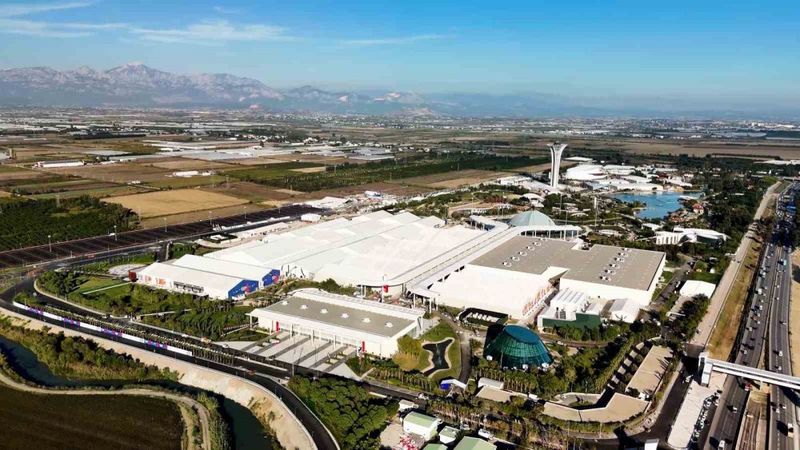
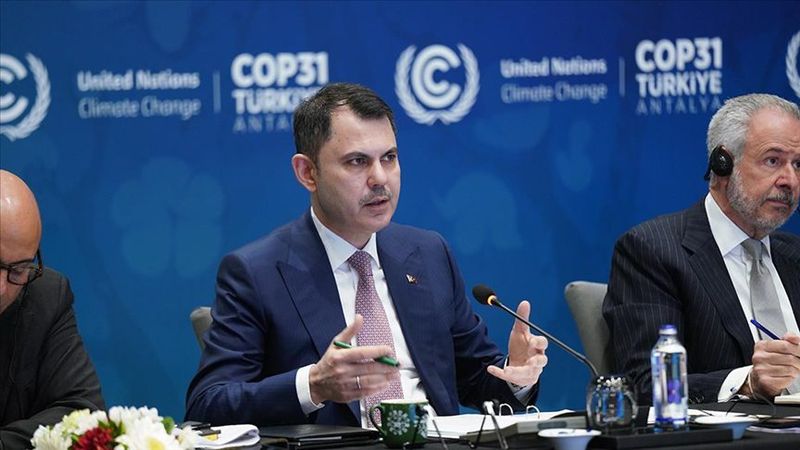
ANTALYA, November 23, 2026 — The COP31 climate summit collapses headline was written on Sunday, November 22, when the UN climate talks in Antalya, Turkey ended with no overarching deal — the first major COP breakdown since Copenhagen’s COP15 in 2009, and, at roughly 44 hours and two days of overtime, the longest COP in history. COP31 President Murat Kurum conceded that there was no consensus on the draft package known as the Antalya Pact. The breaking point was the oldest one in this process: fossil fuels. A first draft had called for “the immediate transition away from fossil fuels in energy systems”; later drafts stripped out every fossil-fuel mention despite more than 100 countries pushing to keep the language, and the final text named no coal, oil or gas at all, leaning instead on carbon capture. The European Union and climate-vulnerable countries rejected that text as too weak. Russia, China and the Arab countries supported it. Under the consensus rule, support from one bloc and rejection by another adds up to the same thing: no deal.
The final hours
By the time the talks ran into their second day of overtime, the negotiation had narrowed to a single exchange that neither side could price. The presidency’s text asked the countries most exposed to climate damage to accept a package with no fossil-fuel pathway in it; the countries that produce and export fossil fuels were asked, in the versions those vulnerable states would have signed, to accept language pointing at the end of their core export. Neither concession was available. Kurum’s closing concession — that consensus on the Antalya Pact did not exist — formalized what the corridors had known since the fossil-fuel language disappeared from the draft. The summit did not end in a walkout or a single dramatic veto. It ended the way consensus processes end: with a text that could not be gavelled through, and a presidency that said so.
The fossil fuels dispute
How the transition-away language disappeared
The COP31 fossil fuels dispute can be traced through the drafts. The first draft’s call for “the immediate transition away from fossil fuels in energy systems” was, for the 100-plus countries that had come to Antalya to defend and strengthen exactly that commitment, the floor rather than the ceiling. Successive drafts weakened it, then removed fossil fuels entirely; the final text named no coal, no oil and no gas, and leaned on carbon capture as its energy-system answer. That sequence is why the rejection, when it came, was framed as a matter of credibility rather than tactics: the EU and the climate-vulnerable states argued that a climate pact silent on the fuels that drive emissions is not a weak deal but a misleading one. Our earlier reporting tracked the fight as it formed, in the first-draft deal and the fossil-fuel phaseout battle and in our guide to the Antalya summit.
Who blocked, who rejected — and the empty chair
The alignment in the final hours was unusually legible. Russia, China and the Arab countries supported the fossil-fuel-free text. The EU and the climate-vulnerable countries rejected it as too weak. And adaptation finance — the money meant to help poorer countries cope with damage already arriving — deadlocked alongside the fuels fight: the COP31 adaptation finance deadlock ended without the dollar target for tripling adaptation finance that vulnerable states had demanded, so the package offered them neither the mitigation language nor the money. Over all of it sat an absence: the United States, historically the negotiator no text could be written without, was not in the room, having pulled out under President Trump. An absent superpower does not cast a vote, but it changes every other delegation’s arithmetic — about what can be enforced, what can be financed, and what a signature is worth.
What did get agreed
Collapse of the overarching pact is not the same as an empty summit. COP31 still adopted 46 decisions. More than 90 countries pledged to raise electricity’s share of final energy consumption from 22% to 35% by 2035 — a measurable, dated commitment that survived the wreck of the headline text. Forty-seven countries backed cuts to methane and other superpollutants, among the fastest-acting climate measures available. Negotiations president Chris Bowen called the outcome very disappointing while pointing to those gains, and Turkey’s President Erdogan said on Monday, November 23, that COP31 had laid “a very valuable foundation.” Both statements can be true at once: the machinery produced real sectoral commitments, and the centre of the deal — fuels and finance — is precisely the part that failed.
Why this matters
Antalya is the first failure of this scale since Copenhagen in 2009, and the comparison cuts two ways. Copenhagen’s collapse was followed, six years later, by the Paris Agreement; failure inside this process has before been a prelude to redesign rather than an end. The World Resources Institute’s Ani Dasgupta made that argument within hours of the gavel: this was, he said, “a failure of political leadership, not a failure of the Paris Agreement.” But the structural lesson of Antalya is harder. A consensus rule that requires every party to accept the text will, on the question of fossil fuels, reliably produce either the weakest text or no text — and in Antalya it produced both in sequence: first the weakest text, then none. Meanwhile the 1.5°C benchmark that gives these talks their urgency does not negotiate, does not run overtime, and does not care which bloc blinked. The gap COP31 was meant to close — between pledged pathways and the physics — is still open, and the next summit inherits it with one fewer year.
The numbers in context
The arithmetic of Antalya is worth setting down plainly. Some 92,000 people registered. 194 delegations negotiated under a Turkey–Australia co-presidency. The talks ran about 44 hours — two days — past their scheduled end, making this the longest COP in history. Against that scale: 46 decisions adopted; 90-plus countries behind the pledge to lift electricity’s share of final energy from 22% to 35% by 2035; 47 countries behind methane and superpollutant cuts; more than 100 countries on the losing side of the argument to keep fossil-fuel language in the text; and zero — no dollar figure at all — attached to tripling adaptation finance. A process this large failing on its central text is not a rounding error. It is information about what the consensus system can and cannot currently do.
What happens next
Three paths lead out of Antalya. The first is repair: the co-presidencies and the blocs spend the intersessional months rebuilding a fuels-and-finance package, betting that the 46 adopted decisions and the electricity and methane pledges give the next COP a floor to build on rather than a wreck to clear. The second is fragmentation: the coalitions that formed in Antalya — the 100-plus countries that wanted the fossil-fuel language kept, the 90-plus behind the electricity pledge — start making their commitments among themselves, outside the consensus text, trading universality for movement. The third is drift: the failure hardens, the absent United States stays absent, and the process waits for political leadership of the kind Dasgupta found missing. Erdogan’s “very valuable foundation” and Bowen’s “very disappointing” are the two poles between which the next year of climate diplomacy will be argued. What Antalya settled, definitively, is narrower and bleaker: in November 2026, the world’s governments, given the longest negotiation in their history, could not agree to name the fuels they were meeting about.
Sources
Reporting drawn on for this article includes Reuters and the Associated Press on the summit’s close and the Antalya Pact; CNN on the final-hours negotiations; the World Resources Institute (WRI), including Ani Dasgupta’s assessment; Le Monde on the fossil-fuel drafting fight; and Phys.org’s summit coverage. Figures for decisions adopted, country pledges and registration are as reported by those sources and the COP31 presidency.