The Chris Brown sentencing that had hung over the singer’s career for more than a year ended on Monday with the outcome his lawyers wanted and his critics expected to fight about: no jail. Brown, 37, appeared at Southwark Crown Court in London and was handed an eight-month sentence, suspended for 12 months, after pleading guilty to affray over the February 2023 attack on music producer Abraham Diaw at the Tape nightclub in Mayfair, court reporting from the hearing said. His friend and vocal coach Omololu Akinlolu, 40, who admitted the same charge, was given a four-month sentence, also suspended for 12 months. Brown had faced up to three years in prison. Instead he walked out of court a free man — again — with a judge’s warning about a bottle attack the court heard lasted about 20 seconds and could have left his victim far more seriously hurt.
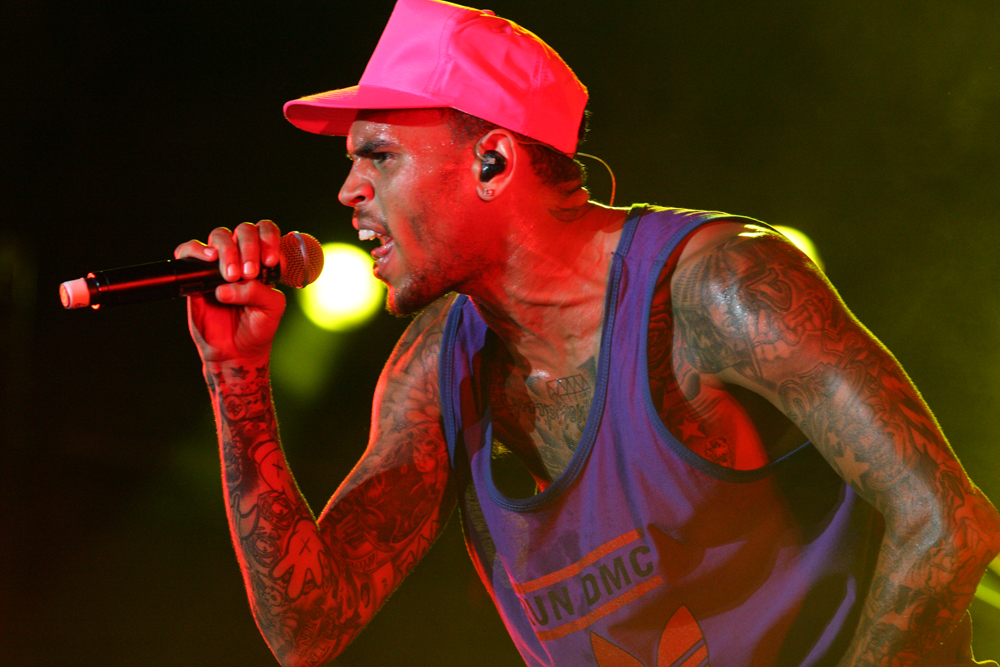
Brown arrived at court on Monday morning in a cap, black leather jacket and face mask, accompanied by security, as some fans cheered outside. Fans had queued from around 7 a.m. GMT, some carrying merchandise, according to Reuters’ report of his arrival. Inside, CCTV footage of the 2023 attack was played to a packed public gallery before Judge Tony Baumgartner passed sentence.
What the court heard at the Chris Brown sentencing
Prosecuting, Heidi Stonecliffe KC described the weapon as a heavy, square-shaped tequila bottle and told the court that Brown approached Diaw at around 3 a.m. on the dancefloor of the private members’ club. “We then see Mr Brown hit Mr Diaw twice over the left-hand side of his head,” she said. The court heard that Akinlolu grabbed Diaw in a “bear hug,” that Diaw fell to the ground, and that Brown was seen throwing punches as the attack continued — a frenzied episode of about 20 seconds in front of a crowded club. Prosecutors said Brown played the leading role, moving first; Brown disputes that characterisation.
Sentencing him, Judge Baumgartner said: “You, Brown, were holding a tequila bottle in your right hand, when you reached Diaw you struck him to the left side of his head whilst holding his hood. The repeated use of a glass bottle in that way, especially aimed at the head, was plainly dangerous — it carried the risk of delivering a more serious injury than was ultimately sustained.”
Diaw was taken to St Mary’s Hospital and discharged with pain relief and diagnoses of a head injury and a superficial injury to the knee, the court heard. An MRI scan in early March 2023 showed a high-grade injury to a ligament on the inner side of his left knee.
For the defence, Sallie Bennett-Jenkins KC called it “an ugly and unattractive incident” that “undoubtedly would have caused distress” to everyone in the club, but stressed how short it was — “something more than 17 seconds but no more than 20” — and said Brown offered “a profound apology to all those present.” Akinlolu’s lawyer, Laurie-Anne Power KC, told the court he had genuinely believed Brown was under attack when he became involved, and accepted that his involvement then evolved into the events he pleaded guilty to.
How a bottle attack became an affray plea
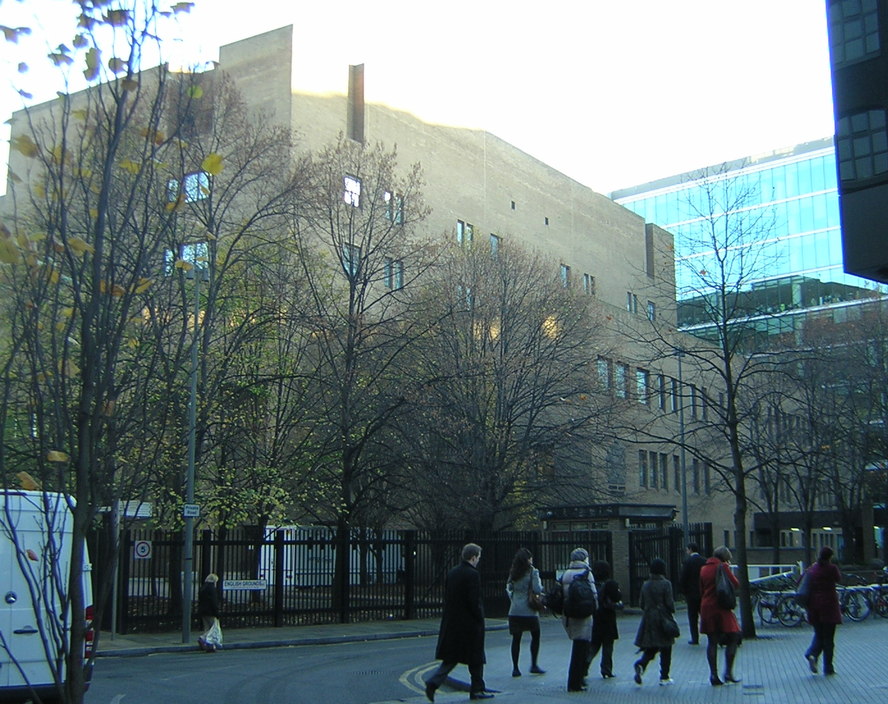
The legal road to Monday began in the early hours of 19 February 2023 at Tape, an exclusive club in Hanover Square. According to the Crown Prosecution Service, Brown approached Diaw on the dancefloor and struck him twice over the head with a glass bottle; Akinlolu joined in, the victim was punched, chased and kicked as he tried to flee, and he was treated in hospital for head and knee injuries. Both men left the United Kingdom, and a warrant was issued.
Brown did not return for more than two years — until May 2025, when he flew into Manchester on a private jet for his world tour and was arrested by Metropolitan Police detectives at the Lowry Hotel. He was initially held on remand, putting the tour in doubt, then freed after posting a £5 million security fee, later posting on Instagram: “From the cage to the stage!”
At a hearing on 24 July 2026, both men pleaded guilty to affray — a public-order offence covering the use or threat of unlawful violence that would make a bystander fear for their safety. In exchange, prosecutors dropped the far more serious charges of assault, attempting to cause grievous bodily harm and possessing an offensive weapon. Claire Campbell, a senior Crown prosecutor, said at the time: “This was a vicious and unprovoked attack by Brown and Akinlolu in a crowded nightclub where Brown used a glass bottle as a weapon to strike the victim’s head twice. This kind of violence is entirely unacceptable… no one is above the law.” Judge Baumgartner warned in July that all sentencing options remained open. Affray carries a maximum of three years in prison — which is why Monday’s suspended eight-month term, rather than immediate custody, is the detail that will define the reaction to this case.
Why this matters
On paper, the Chris Brown sentencing closes a three-and-a-half-year case with a familiar equation in celebrity justice: a guilty plea to a lesser charge, credit for that plea and for time already spent in custody, a short and violent incident measured in seconds, and a custodial sentence that the court decides does not have to be served. Supporters of the outcome can point to real mitigations — Brown pleaded guilty rather than putting a victim through a trial, apologised in court, and the injuries, while serious enough to need hospital treatment and an MRI, were not catastrophic. The judge’s own words acknowledged the danger while sentencing on the harm actually done.
Critics will read the same facts the other way. A two-time Grammy winner struck a man repeatedly over the head with a heavy glass bottle in a packed public venue, left the country, and returned only when a tour required it — and the consequence is a sentence he does not serve unless he offends again during its suspension. Coming on top of a record that begins with the 2009 felony assault on his then-girlfriend Rihanna — for which he received five years’ probation, later breached, leading to a jail term in 2014 — Monday’s outcome will reinforce a long-running public argument about whether fame, money for bail security and expensive counsel change what a courtroom produces. The court’s answer, as usual, is narrower than the public’s question: it sentenced the affray in front of it, not the biography behind it. Readers weighing that argument may also be interested in how another London court handled a very different celebrity sentencing this month, in our report on the Mahrah Al Nahyan case at Southwark Crown Court.
What happens next
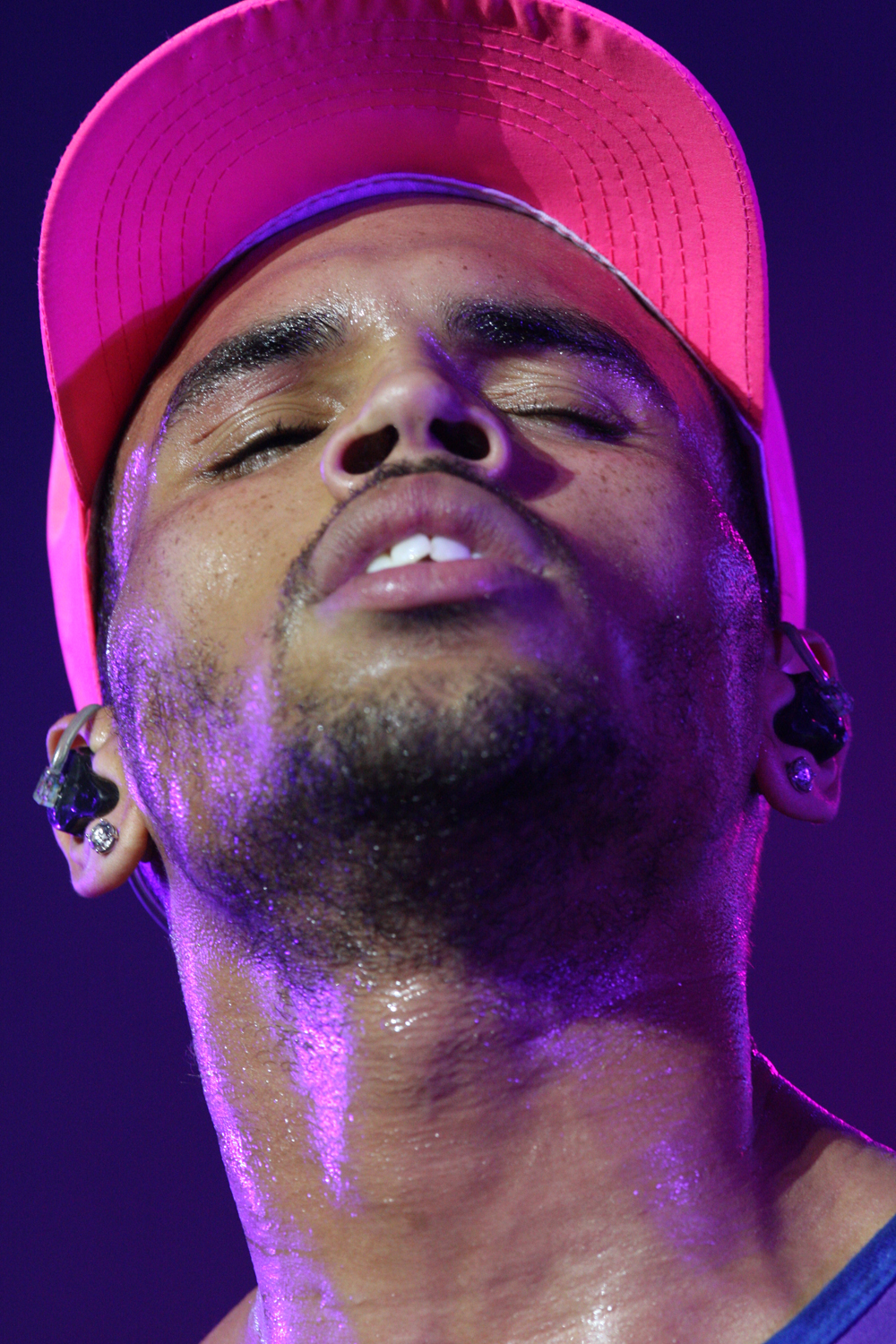
For Brown, the immediate consequence is freedom with a condition attached: a suspended sentence is a prison term held in reserve, and any further offence during the 12-month suspension period can activate it. His touring, which the £5 million bail security was designed to protect, is no longer shadowed by the threat of a London jail cell, and the case that began with a 2023 nightclub fight is, barring any breach, over. For Akinlolu, who performs as HoodyBaby, the same applies to his own four-month term, also suspended for 12 months. Both men were also ordered to pay £1,500 in costs. Brown thanked the judge before leaving the dock, Reuters reported. Detective Chief Superintendent Christina Jessah of the Metropolitan Police said in a statement that “violence will not be accepted on the streets of London” and that police would pursue those responsible “regardless of an individual’s profile or status.” No statement from Diaw was reported after sentencing. The remaining question is reputational rather than legal: whether an artist whose commercial career has survived every previous courtroom chapter treats this one the same way — or whether promoters, venues and brands, watching a judge describe a “plainly dangerous” bottle attack, finally price the history differently.
Sources
The Sun (court report, Oct 26, 2026) and BritBrief (Oct 26, 2026) — sentencing outcome, the eight-month suspended term, Judge Baumgartner’s remarks and the prosecution and defence submissions. Reuters (Oct 26, 2026), the Associated Press (Oct 26, 2026) and BBC News live reporting (Oct 26, 2026) — the sentencing in full, including the eight-month term suspended for 12 months, Akinlolu’s four-month term suspended for 12 months and the £1,500 costs orders, as well as Brown’s arrival at Southwark Crown Court, the affray plea, the charges dropped, the three-year maximum and the £5 million bail security. Crown Prosecution Service statement (July 24, 2026) — the guilty pleas to affray and the account of the February 19, 2023 attack at Tape nightclub.