China northeast stockpile plague scare
Posts urging residents of Liaoning, Jilin and Heilongjiang to hoard food, masks and antibiotics have drawn millions of views — but no lockdown has been announced and Beijing has said almost nothing.
A Chinese-language social media post urging residents of China's three northeastern provinces to stockpile food, protective gear and antibiotics has been viewed about 8.6 million times, warning of possible city lockdowns linked to the suspected plague case across the border in Siberia. The posts are real and spreading fast. What they describe — panic buying, an imminent lockdown — is not confirmed by any official source.
What the viral posts say
On October 6, 2026, a post addressed especially to "friends in the three northeastern provinces" — Liaoning, Jilin and Heilongjiang — urged people to buy protective goggles, alcohol, gloves and masks, to visit pharmacies for doxycycline, ciprofloxacin and fever reducers, and to stockpile sugar, rice, seasonings, eggs and canned goods, warning that "there may be a lockdown in the future." Reported by ZeroHedge (citing X user UnveiledChina) at roughly 8.6 million views; C14 News also reported the wave of viral posts; X user Anoma (@Ferm0s) shared a widely viewed English summary.
What is confirmed — and what is not
CONFIRMED: the posts exist, are in Chinese, target the northeast, and reached millions of views. CONFIRMED: on October 2, 28-year-old lab worker Darya Shipilova died of severe pneumonia at the Irkutsk Anti-Plague Institute; Russia says no confirmed plague cases, ~200 contacts monitored, ~5,000 lab tests negative; WHO rates risk low and with the US is pressing Moscow for answers; Trump says he will speak with Putin "very soon." CONFIRMED: Mongolia ordered "health surveillance" on its Russia border (AFP, Oct 7). CONFIRMED: Beijing's only comment is that it is in contact with Russia. NOT CONFIRMED: any lockdown in China; any official Chinese stockpile instruction; any verified mass buying in the three provinces. The "imminent lockdown" framing comes from the posts, not authorities.
Why this matters
The scare sits at the intersection of a real biological mystery and an information vacuum — the classic recipe for rumor. The three provinces hold roughly 100 million people; a run on antibiotics has public-health costs (doxycycline and ciprofloxacin are first-line plague drugs; panic buying risks shortages and resistance). It tests Beijing's crisis communication, and reminds that in a region bordering Russia and Mongolia, one country's unanswered questions become neighbors' anxiety.
The memory behind the fear
In 1910–1911 pneumonic plague crossed from Russia into Harbin killing about 60,000; the city's public-health identity was forged in that epidemic under doctor Wu Lien-teh. The trauma of sudden COVID lockdowns — including food shortages reported in Tonghua, Jilin during January 2021 — taught households reassurance can arrive after shelves empty. The post speaks to that memory; that explains its spread, not its truth.
The numbers in context
8.6M views is significant — but views aren't believers and believers aren't buyers; no verified reporting shows empty shelves in Shenyang, Changchun or Harbin. Irkutsk is ~1,800 km from Harbin (about Beijing to Guangzhou), connected by rail, road and trade. The three provinces hold ~100M people (Liaoning ~42M, Jilin ~24M, Heilongjiang ~31M) — even a small fraction acting would be visible quickly. It is not, yet. The post names exactly the drugs doctors use against plague — whoever wrote it knew the medical playbook, which is why it travels.
Who is affected
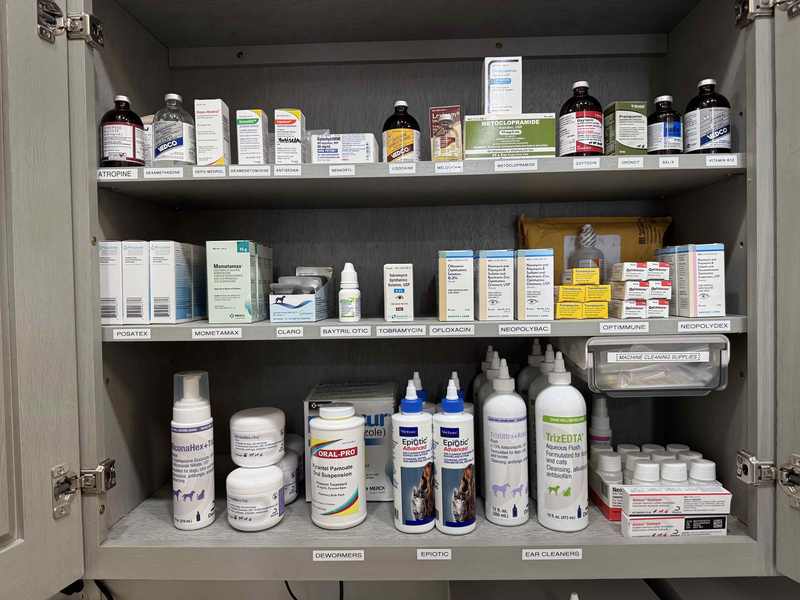
Northeast residents weighing whether to spend on unconfirmed threats; pharmacies facing possible runs on masks/antibiotics; Chinese censors (removing "rumor" posts can look like cover-up); regional governments from Harbin to Ulaanbaatar balancing precautions like Mongolia's border surveillance against validating a scare.
What happens next
(1) Beijing breaks silence with reassurance/debunking — most likely if posts keep spreading. (2) Quiet censorship of "rumor" posts. (3) WHO extracts answers from Moscow; scare deflates. (4) A confirmed case emerges — dynamic changes entirely. Winter is the season to watch; Mongolia's move shows nervousness isn't confined to social media.
The bottom line
For now this is a story about information, not disease. Everything viral is unverified; everything verified is reassuring but incomplete. The signal to watch: what Beijing says next — and what it deletes.
Sources
- ZeroHedge: viral post at roughly 8.6 million views via UnveiledChina
- C14 News English
- @Ferm0s thread
- Reuters: Irkutsk, Russia and WHO reporting
- AFP: Mongolia border health surveillance
- WHO statements